
AI in Film Production Meets a Taste for Imperfection
AI in film production is the growing use of generative tools, from concept art to key visual effects shots, to make movies faster, cheaper, and more complex, even as audiences increasingly seek authentic filmmaking trends that favor analog textures, practical effects, and visible flaws over digital versus analog cinema’s sterile perfection. That tension defines today’s film landscape: studios see AI as the next efficiency revolution, while many viewers treat digital polish as a sign that a story is less human. Netflix’s confirmation that generative AI has touched around 300 titles shows this is not a fringe experiment, it is an operational strategy. Yet the same platform is degrading its own flagship series into a faux-VHS experience, signaling that the era of generative AI movies may be colliding head-on with a cultural hunger for imperfection.

Netflix and Lucas: Efficiency as Destiny
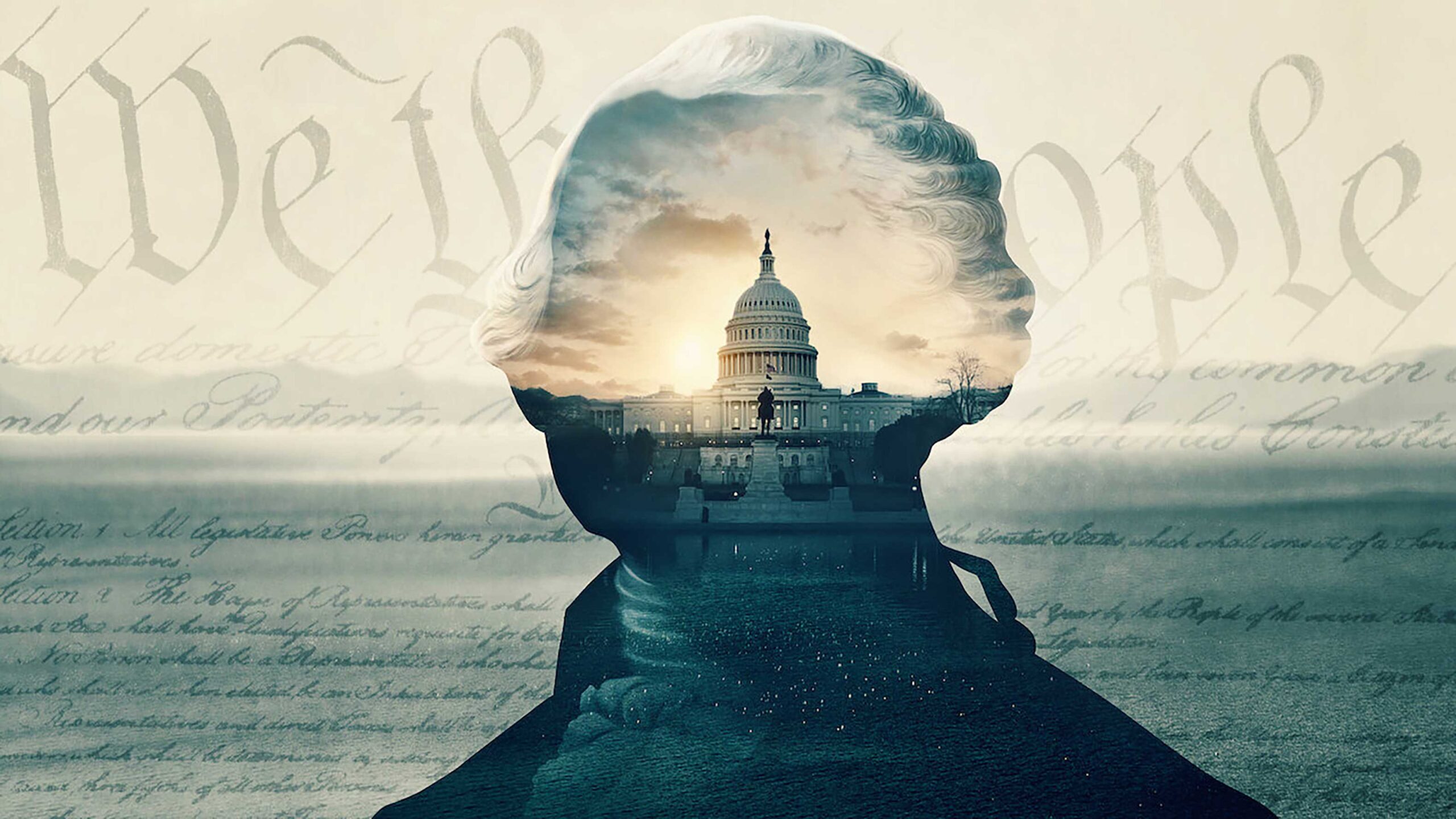
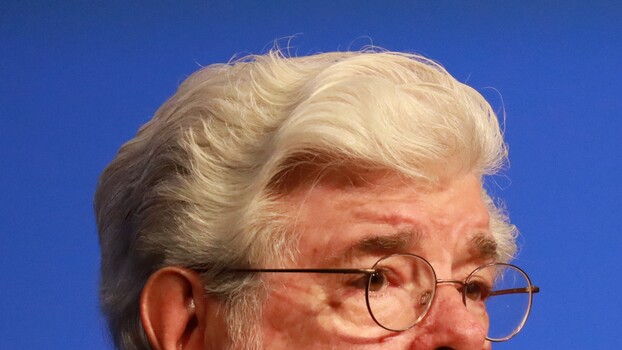
Netflix frames AI in film production as a practical necessity. In its latest earnings report, the company says generative AI helped build “highly complex sequences” for titles like Glory, Brasil 70: A Saga do Tri, and The American Experiment, turning crowd scenes, battles, and establishing shots into problems solved with code rather than crews. According to Netflix, these tools “deliver higher quality output more quickly and at a lower cost than traditional methods,” and in some cases key shots “would have had to leave out” without AI. George Lucas goes further, calling artificial intelligence “the future” of moviemaking and likening resistance to clinging to a horse and buggy after the car. From this vantage point, AI in film production is not a creative choice but industrial progress. The implicit message is clear: audiences may prefer analog aesthetics, but studios will not walk away from cheaper, scalable spectacle.
Gen Z’s Analog Rebellion Against Generative AI Movies
While executives celebrate AI efficiency, younger viewers are staging a quiet revolt through their cameras. Gen Z creators hunt down vintage Sony Handycams, JVCs, and Panasonic camcorders from the 1980s to 2000s to capture grainy, unstable footage instead of pristine smartphone video. Their music idols echo the choice: artists such as Sabrina Carpenter, $UICIDEBOY$, and PinkPantheress have built visuals around camcorder-style degradation. Fortune reports that 35% of roughly 42 million active film-camera users worldwide in 2025 were between 18 and 30, a demographic vote for authentic filmmaking trends over algorithmic smoothness. USC lecturer Rotem Rozental argues this is not mere nostalgia but aesthetic rebellion. In a feed flooded with clean digital images, lo-fi becomes proof of human presence. Against this backdrop, generative AI movies risk feeling like airbrushed lies: technically dazzling, emotionally distant.
From Fake VHS to Real Film: Authenticity as Brand Value
The paradox sharpens when you look at how major players market authenticity. Netflix’s Stranger Things: VHS Special Edition is a deliberate act of visual sabotage—4:3 pan-and-scan, tracking glitches, tape grain—built by a streamer that can deliver flawless 4K HDR. Christopher Nolan’s The Odyssey goes the opposite technical route but pursues the same emotional goal: a blockbuster shot entirely on IMAX film, with IMAX engineering a new camera for the project. Both choices say the same thing to viewers: real or convincingly fake analog texture is a selling point. Across culture, the pattern repeats. Fujifilm celebrates Instax for its “unique texture, and nostalgic analog feel.” Vinyl revenue climbed past USD 1 billion (approx. ₱56 billion), with 19 consecutive years of growth, while cassette sales are up sharply. Imperfection has become a premium feature, the opposite of AI’s core promise.
Can AI Respect the Appeal of Analog Cinema?
The industry’s mistake is treating AI and analog as a zero-sum choice. Darren Aronofsky’s AI-driven video experiments, and Netflix’s admission that some sequences only exist because of generative tools, show genuine creative potential. But when AI in film production aims to erase every flaw, it denies what audiences currently reward in digital versus analog cinema: the texture of risk. Viewers do not hate technology; they hate feeling like the human element has been automated away. Lucas is right that progress will not stop, but he is wrong if progress means pushing stories toward sterile sameness. The future of generative AI movies that matter lies in restraint—using AI to expand what crews can attempt, while leaving room for practical effects, film grain, and even VHS-style damage to signal that someone lived behind the camera. Authenticity is not a filter; it is a relationship. Studios ignore that at their peril.