
AI video editing is becoming a conversation, not a craft
AI video editing is the use of artificial intelligence models to generate, modify, and polish video content from plain language prompts, reference media, and automated effects, replacing many traditional timeline-based, frame-by-frame production tasks with conversational commands. Google Vids’ latest overhaul makes that definition feel less like theory and more like a product you can log into today. By folding the Gemini Omni multimodal model into Vids, Google is turning what was a modest workplace video aide into an AI video generation and editing environment that responds to natural language, not button clicks. The headline shift is blunt: instead of learning a complex interface, you describe the video you want and the system builds and tweaks it. That sounds like a design choice, but it is really a power shift away from technical specialists toward anyone who can type.
From prompt to production: Gemini Omni as your new editor
The most important change is that Google Vids now runs on Gemini Omni, a multimodal model that can generate and edit clips from text, audio, photos, and video. In practical terms, this means AI video generation starts with a sentence, not a storyboard: you can begin with a simple natural language prompt, add reference images such as a photo or rough sketch, and let the system assemble a video that matches your description. Vids can then refine both AI-generated footage and clips you shot on your phone using prompt-based editing—swapping backgrounds, fixing lighting, or adding effects with conversational instructions instead of fiddling with layers and keyframes. According to Google, “start with a simple text prompt in natural language, and add image references — like a photo or a rough sketch — for more detail”. This is not a convenience feature; it is a direct challenge to the idea that good video must flow through a timeline.
Starring without a camera: Google Vids avatars change who can appear on screen
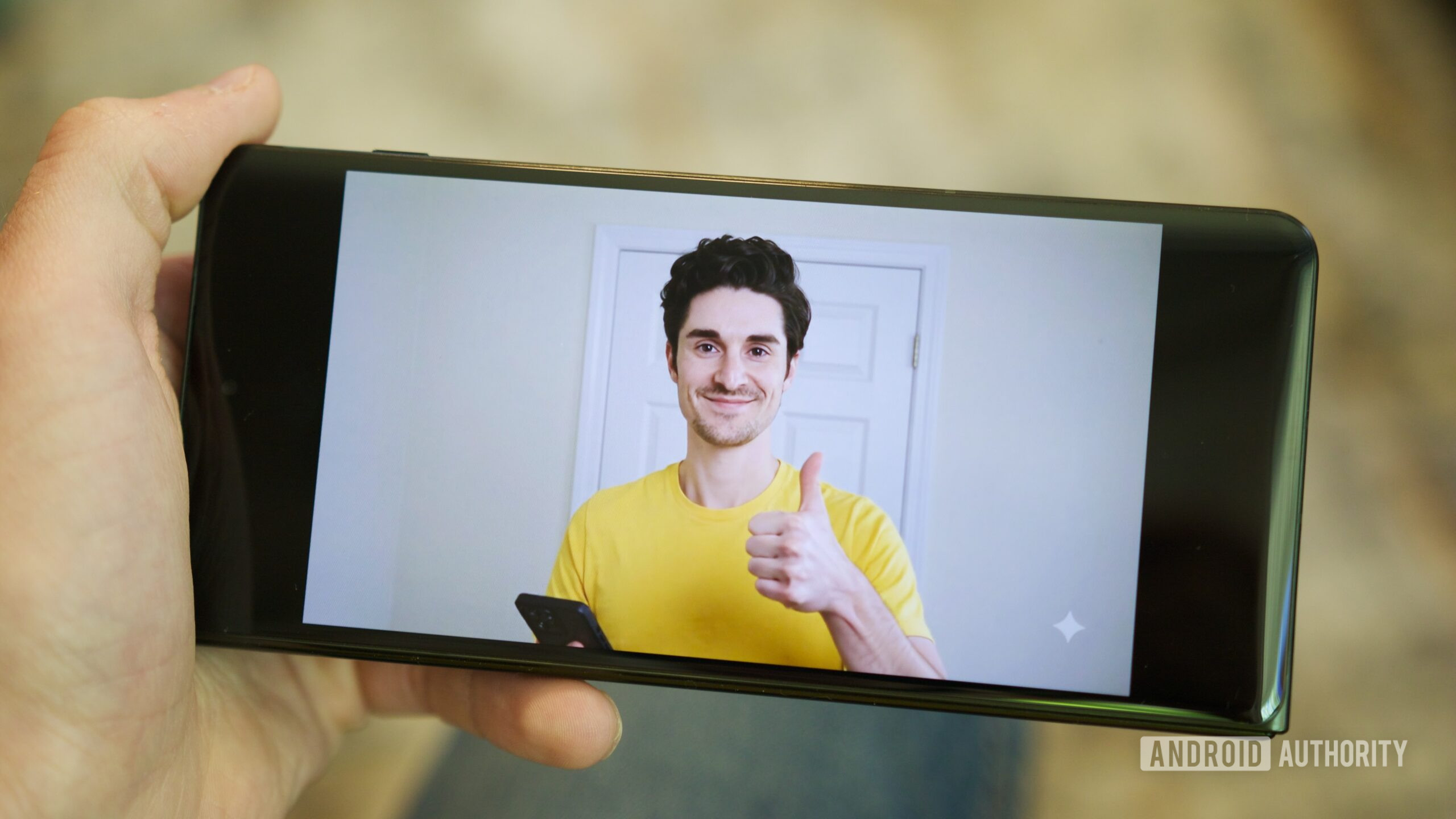
The second disruptive pillar is Google Vids avatars: personal AI doubles that let you star in videos without stepping in front of a camera. You upload a selfie and a short voice recording, and Vids creates a digital avatar that looks and sounds like you, ready to deliver any script you type. In plain language, you can now deepfake yourself on demand. For creators who dread cameras, lack studio gear, or need to film in multiple “locations” in a day, this tears down a huge barrier. It also turns Vids into a personalization engine for everything from onboarding clips to birthday greetings, where your avatar can be re-dressed and re-situated with AI backgrounds instead of new shoots. Google is trying to contain the obvious risks by tying avatars to the account holder’s likeness and limiting access to adults in supported regions, yet the cultural shift is clear: presence is now optional, not required.

Conversational editing tools flatten the learning curve—and the profession
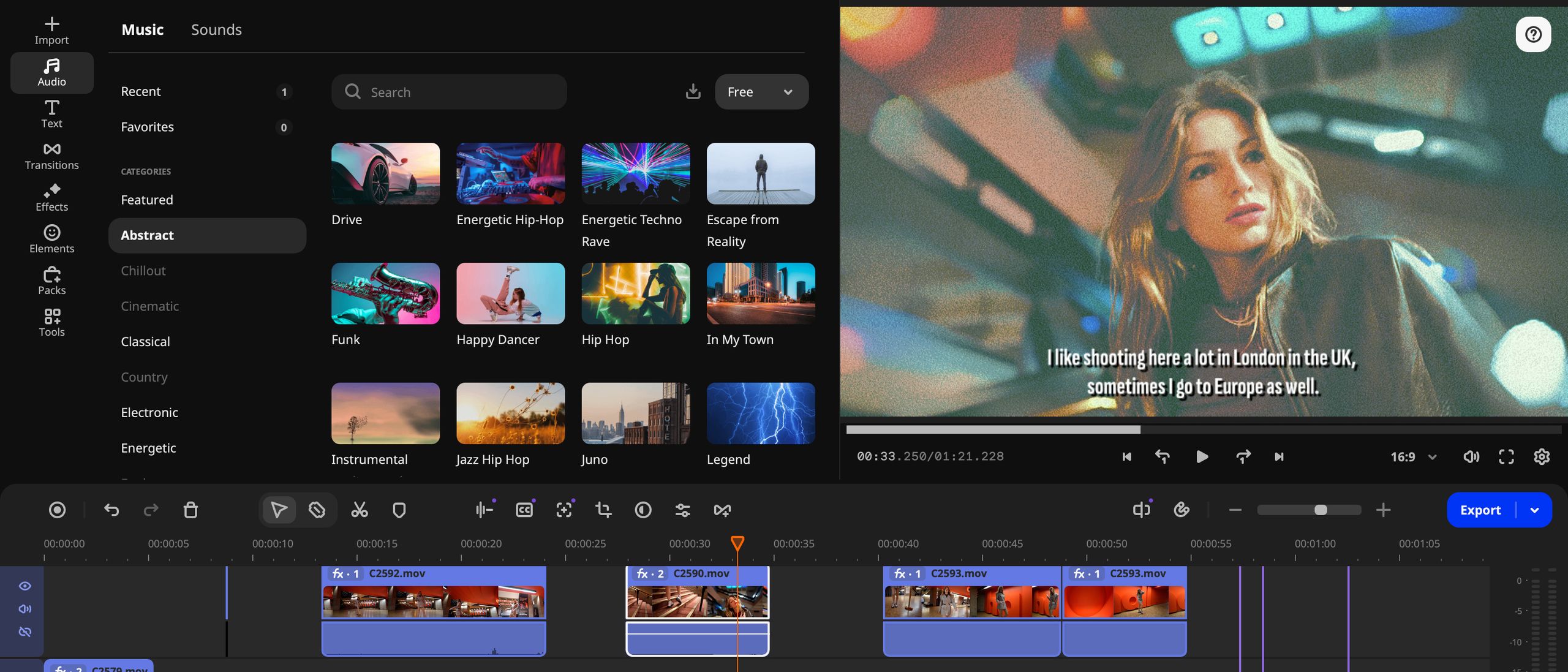
Traditional editors live on timelines; Google Vids invites you to skip them. The platform’s conversational editing tools let you describe changes in everyday language—“change the background to a cityscape,” “warm up the lighting,” “add confetti at the end”—and Gemini Omni executes those edits. You can walk through your video step by step, adjusting backgrounds, lighting, and post-production effects without scrapping the whole project when something feels off. This is prompt-based editing in its purest form: all the complexity sits behind the curtain while the interface becomes a chat box. That democratizes video production, but it also blurs the line between amateur and professional work. When a workplace presentation tool evolves into a standalone video generator and editor with professional-grade AI capabilities, the argument that editing is a specialized craft starts to sound out of date. The editors who thrive will be those who can articulate ideas better than any prompt template.
From workplace helper to full-fledged AI studio
Perhaps the most telling part of this shift is where Google Vids came from. It started life as an AI-assisted workplace presentation tool, a sidekick for slides and internal comms, but the Gemini Omni and personal avatar updates turn it into a standalone video generator and editor. One report notes that “the days of Google Vids as an AI-assisted workplace tool are over, as these updates evolve the platform into a full-fledged video creation tool”. This matters because it signals that AI video editing is no longer a niche add-on; it is central to how large platforms expect people to communicate. Vids sits alongside other AI video tools, but the integration with Workspace and the use of SynthID invisible watermarks for AI-generated clips show a bid for mainstream trust and adoption. The takeaway is blunt: if you can write, you can now produce screen-ready videos—and the creative bottleneck moves from tools and cameras to taste and judgment.