
Top Pick for Most People: Fujifilm X100VI
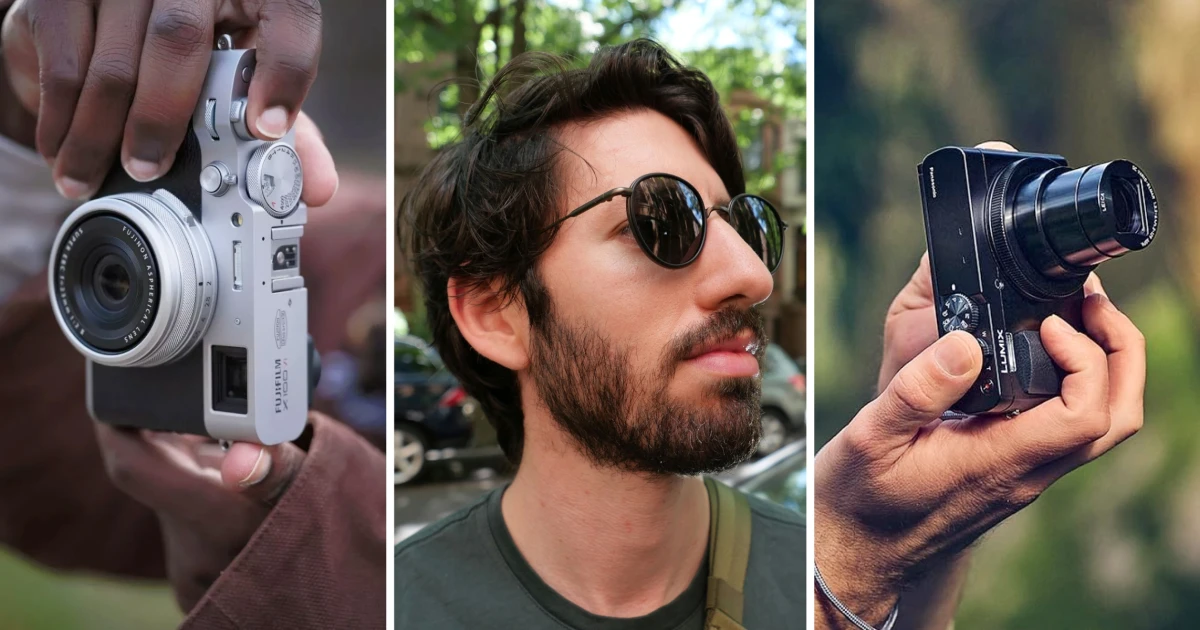
The best compact and mirrorless cameras for every skill level are digital cameras that balance portability, image quality, and controls so beginners, enthusiasts, and experts can all find a model that fits their budget, shooting style, and willingness to learn. If you want one camera that can grow with you from casual snapshots to serious photography, the Fujifilm X100VI is the one to buy. It uses a large 40.2MP APS-C sensor with a fixed 35mm lens, a tilting screen, both digital and optical viewfinders, a built-in flash, and a battery rated for up to 310 shots or 45 minutes of video. Features like image stabilization, AI-based subject detection autofocus, and bulb mode make it much easier to get sharp photos and creative long exposures. The downsides are practical: it is not very pocketable and is often sold out, but the superior image quality and tactile physical controls make it worth the effort to find.

Beginner-Friendly Point-and-Shoot: Kodak Pixpro FZ55
For new photographers who value portability and ease of use, a simple point-and-shoot camera is still the most relaxed way to start. Pocketable point-and-shoot cameras are popular because you can slip them in a bag and have them on you whenever something worth photographing appears. The Kodak Pixpro FZ55 is ideal if you want more control than an instant camera while spending under USD 200 (approx. ₱11,200). It has a 1/2.3-inch 16MP sensor, 28–140mm zoom lens, fixed screen, built-in flash, and a light 0.23 lb (106g) body. Shutter speeds range from 30 to 1/2000 sec, ISO from 100–3,200, and the battery is rated for about 200 shots or 90 minutes of video. Its strengths are its compact size and low price; inconsistent image quality is the trade-off. That makes it perfect for casual travel, family photos, or as a first “real” camera.
Canon EOS R10: Budget Mirrorless for Growing Skills
Once you know you enjoy photography, a budget mirrorless camera gives you interchangeable lenses and better performance without overwhelming complexity. Canon has been a household name in digital cameras for 30 years, with hundreds of models that span legacy DSLRs, modern mirrorless bodies, and premium compacts. Among them, the Canon EOS R10 stands out as a compact and lightweight beginner-friendly model for less demanding users who still want room to grow. In Canon’s camera catalog, there is something for everyone and the R10 represents the accessible entry point into the RF mount system while still delivering capable autofocus, burst shooting, and solid image quality. Because Canon continues to build out its RF lens range and has opened the mount to some third-party lenses for crop-sensor bodies, you have credible upgrade paths as your skills and interests expand.
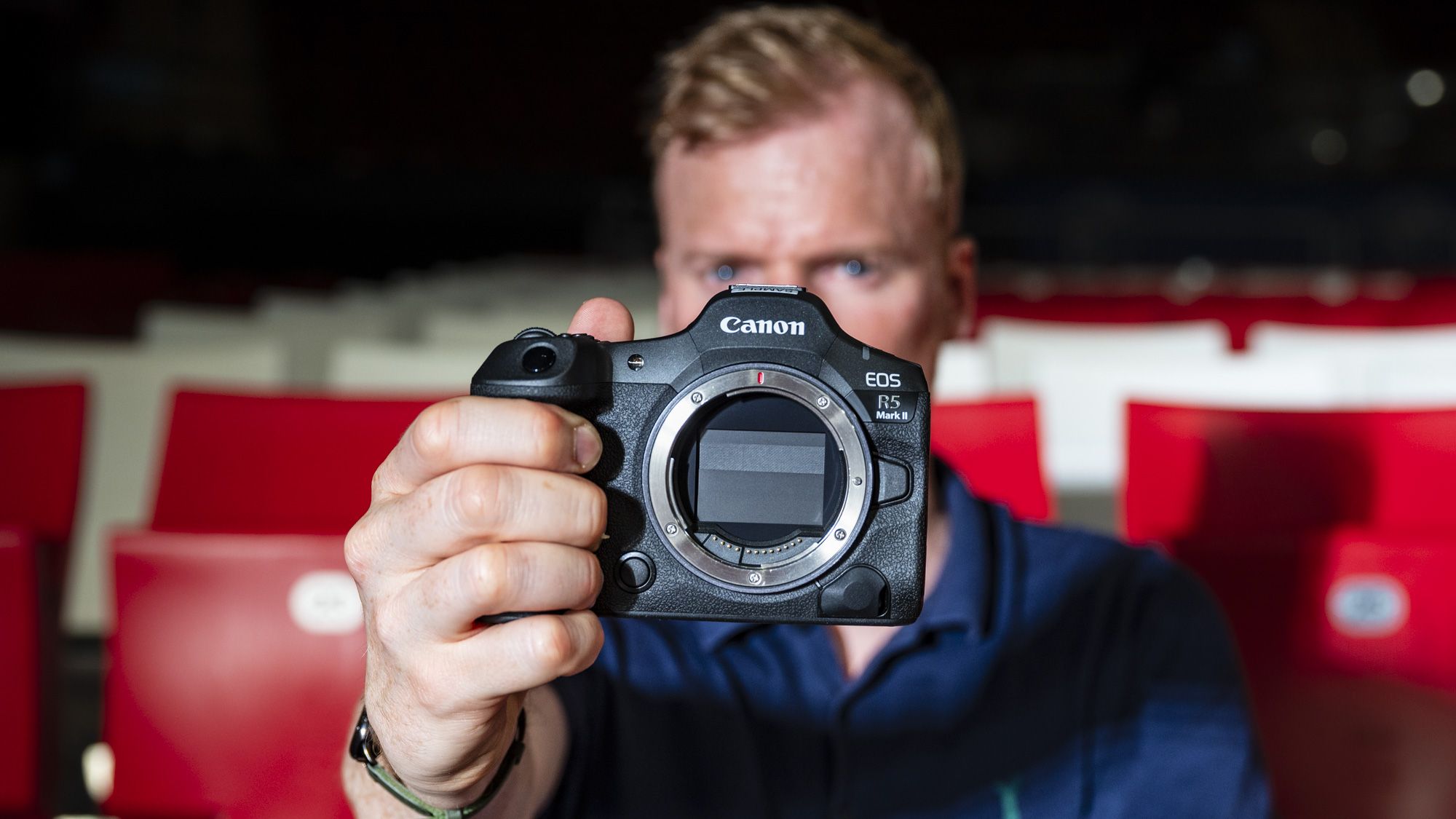
Canon EOS R5 Mark II: Advanced Mirrorless for Experts
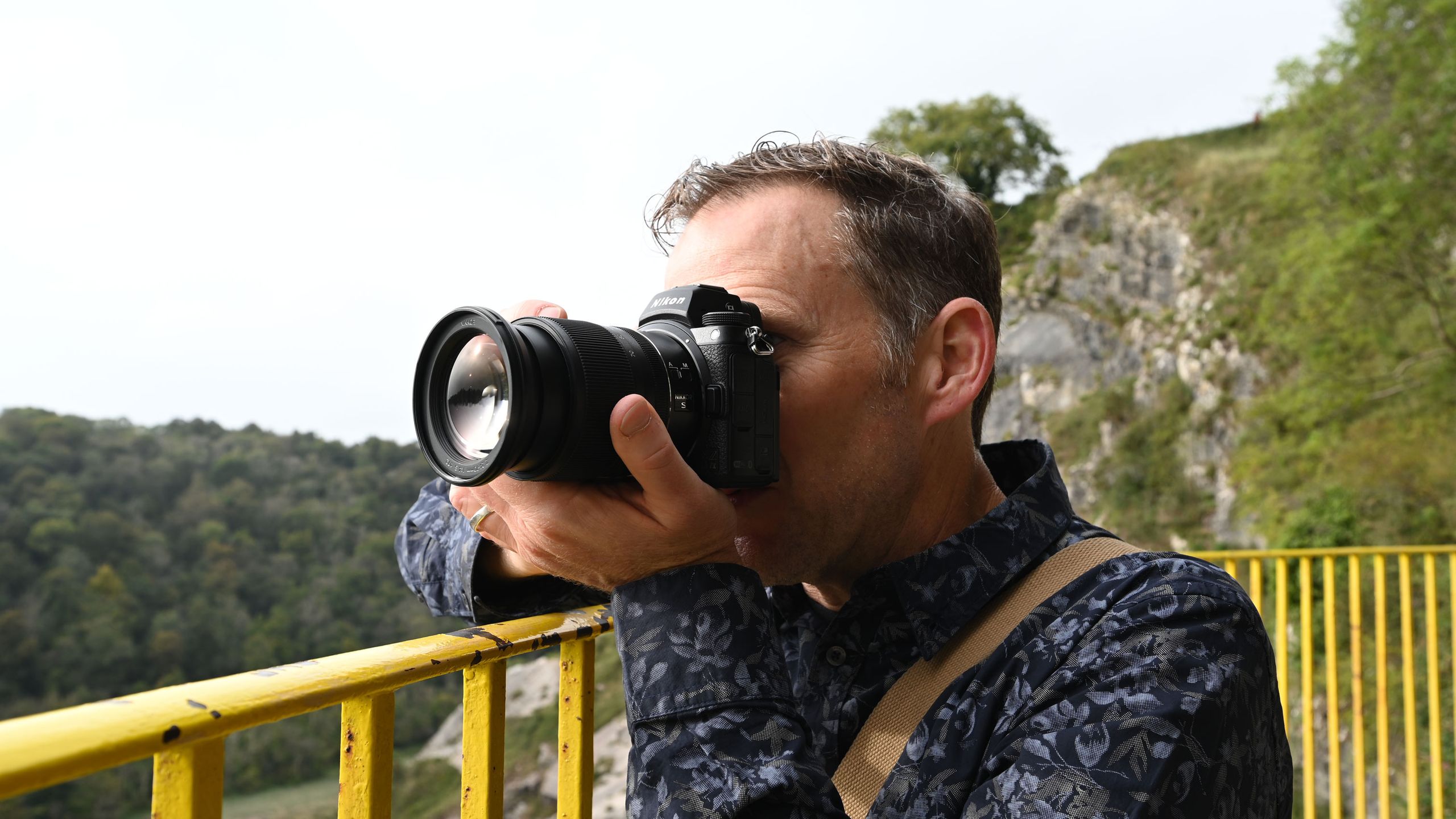
If you shoot fast action, events, or want one body that can handle high-end stills and video, the Canon EOS R5 Mark II is the clear mirrorless choice. It uses a full-frame stacked CMOS sensor with 45MP resolution, 1,053-area autofocus with eye-control AF, a 3.2-inch tilting touchscreen with 2.1m dots, 30fps continuous shooting, and 8K 60fps video recording. According to TechRadar’s cameras editor, the EOS R5 Mark II is Canon’s most versatile pro camera, pairing near-perfect autofocus with AI-powered in-camera upscaling and editing. The stacked sensor minimizes rolling shutter and makes it especially strong for high-speed subjects. The main drawbacks are a limited buffer compared with Canon’s pricier EOS R1 and a body cost that is slightly higher than rival models. This is overkill if you mainly shoot static subjects, but it is excellent for demanding enthusiasts and professionals who need speed, resolution, and modern video features.
Choosing Cameras by Skill Level and Use
Matching camera type to your skill level and how you plan to shoot is the best way to avoid overspending and frustration. One expert guide highlights that their recommended Canon cameras are chosen to cover every category and budget, from beginner models to advanced mirrorless bodies. For casual users, point-and-shoot cameras provide portability and simple controls; former reviewers note that some of their best photos came from compact cameras they always carried, because “the best camera is the one you have with you”. Enthusiasts benefit from hobbyist mirrorless models with rapid and reliable performance, while experts gain from stacked-sensor bodies like the EOS R5 Mark II that focus on autofocus speed and high-speed shooting. Canon’s range and the presence of budget-friendly options like the EOS R10 show that you can find cameras at many price levels without giving up core performance or image quality.
Buy if / Skip if
- Buy the Fujifilm X100VI if you want a high-quality compact camera with excellent autofocus, tactile controls, and features like image stabilization and film simulations that can grow with you.
- Skip the Fujifilm X100VI if you need a truly pocketable camera or dislike hunting for gear that is consistently out of stock.
- Buy the Kodak Pixpro FZ55 if you are a beginner or casual photographer who wants an incredibly compact, low-priced point-and-shoot with more control than an instant camera.
- Skip the Kodak Pixpro FZ55 if consistent image quality matters more to you than portability and cost, or if you plan to shoot in varied lighting conditions.
- Buy the Canon EOS R10 if you want a compact, lightweight entry into Canon’s mirrorless RF system with a budget-friendly body that still supports future lens and skill upgrades.
- Skip the Canon EOS R10 if you already know you need higher-end autofocus, video specs, or the larger buffer and resolution found in Canon’s advanced models.
- Buy the Canon EOS R5 Mark II if you shoot action or need Canon’s most versatile pro camera, with a 45MP stacked sensor, 30fps bursts, and 8K 60fps video.
- Skip the Canon EOS R5 Mark II if you are on a tight budget or mainly shoot stationary subjects where its high-speed improvements bring less benefit.