
Melanotan II: A Banned Shortcut to a Bronze Glow
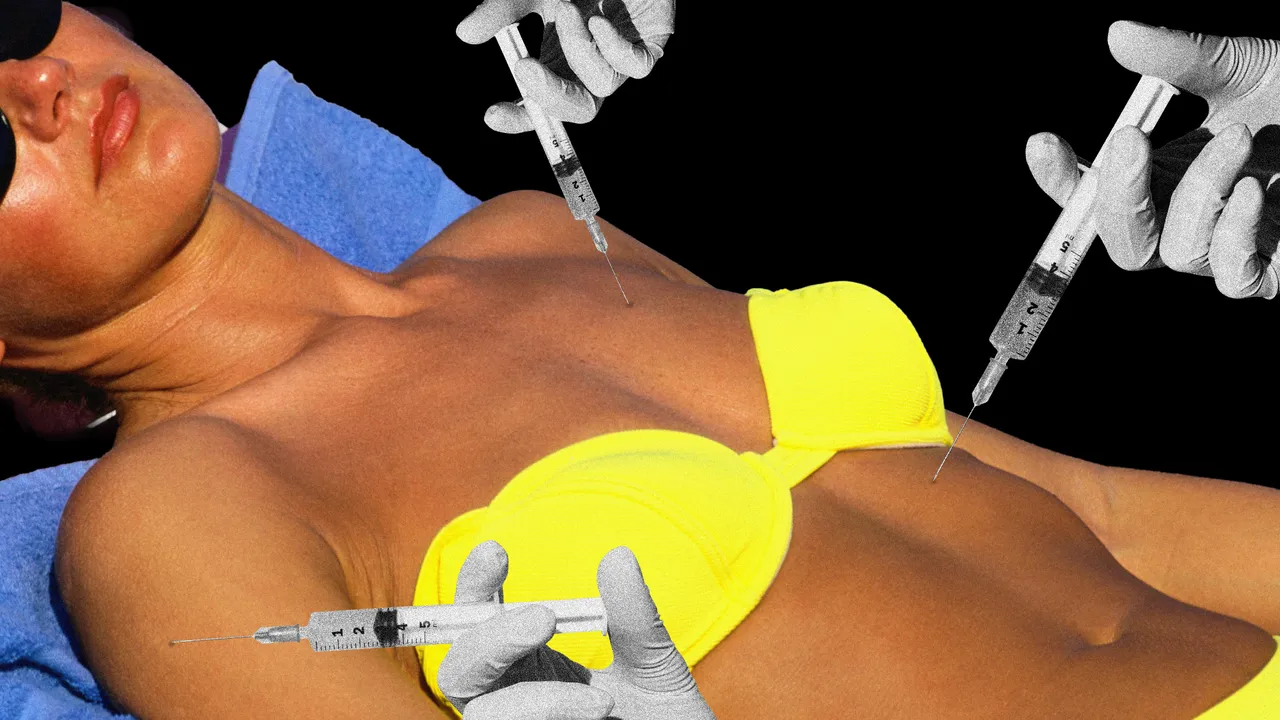
Melanotan II is a synthetic injectable peptide that mimics a natural hormone to stimulate pigment cells, darken the skin, and create a tan-like appearance without traditional sunbathing or tanning beds, but it is not approved for cosmetic use and carries documented health risks that outweigh its aesthetic appeal. That alone should set off alarms. We know intentional tanning can lead to skin damage, skin cancer, and even death, yet many people are now bypassing sunscreen and common sense to inject a banned compound as a “shortcut” to bronzed skin. It is framed on social platforms as a clever hack: no beach, no tanning booth, just a needle and a deeper shade. In reality, it is a medical gray zone in which users self-dose a hormone-like drug with no reliable safety data, trusting influencers more than doctors.
Why Young People Are Drawn to Injectable Tanning Peptides
The rise of Melanotan II sits inside a wider obsession with injectable peptides for weight loss, gym recovery, hair, and skin, bought from gray-market sellers without medical oversight. Social media feeds, Reddit threads, and TikTok videos are flooded with young guys bragging about “tan jabs” that darken their skin quickly and give a so-called sunless tan. The logic is seductive: if the drug works for bronzing and everyone online seems fine, the risk must be overblown. But this is a classic case of cosmetic FOMO overriding caution. The peptide is not approved for human use, and it is not legal to market it for consumers, yet people are still purchasing lab-grade vials and self-injecting at home. When appearance is treated like a DIY experiment, users become test subjects—and they rarely see that as clearly as their dermatologists do.

Documented Melanotan II Risks Go Far Beyond the Skin
Yes, Melanotan II darkens the skin by activating melanocytes and boosting melanin production. But the price of that tan can be severe. Published medical literature has raised significant concerns about rapid changes in moles and pigmented lesions, which can make skin cancer harder to spot and may increase melanoma risk. Dermatologists warn of nausea, vomiting, elevated blood pressure, and flushing, even in short-term use. Early clinical trials were halted after reports of facial redness, nausea, and spontaneous erections. According to federal safety records, the most serious adverse events include melanoma, posterior reversible encephalopathy syndrome, sympathomimetic toxidrome, and prolonged, painful erections lasting many hours. Case reports now link the drug to rapid breakdown of muscle tissue and reduced blood flow to the kidneys. These are not “cosmetic side effects”—they are signals that a tanning peptide is capable of harming major organs.
Regulators and Cancer Experts Are Not Neutral on Melanotan II
While some restricted peptides are being reconsidered, Melanotan II remains firmly in the danger zone. It was previously banned and is still not approved by the food and drug regulator, with no established safety data and significant safety concerns. A pharmacy compounding advisory committee is reviewing several restricted peptides, but Melanotan II is expected to stay in a high-risk category because of the lack of clinical evidence and the volume of adverse reports. Dermatology leaders are equally clear. The Skin Cancer Foundation issued a formal statement that it “strongly discourages the use of Melanotan II and other unapproved tanning agents marketed as shortcuts to achieving darker skin.” They emphasize that increased pigmentation does not remove the harmful effects of UV exposure, and many users keep tanning on purpose to deepen their color, stacking UV damage on top of drug risks. The message from experts is not mixed; it is a red flag.
What You Should Do Instead of Chasing a Peptide Tan
If you are even considering Melanotan II, stop and treat it like any other banned drug: do not inject it, do not buy “research-grade” vials, and do not trust social posts claiming it is a safe beauty hack. The organization behind the latest warning “strongly discourages” Melanotan II and other unapproved tanning agents marketed as shortcuts to darker skin—and that advice exists to protect you, not to gatekeep aesthetics. Skip intentional UV exposure aimed at “finishing” your peptide tan; increased pigmentation does not shield you from rays and only increases long-term skin cancer risk. Instead, if you want color, use regulated topical self-tanners and daily broad-spectrum sun protection. And if you have already injected Melanotan II, especially with new or changing moles, unusual headaches, or sexual side effects, talk to a doctor promptly. Regardless of where you stand on the melanoma debate, hours-long painful erections and organ complications should be enough to walk away.