
Fitbit Air vs Inspire 3: The Short Verdict
Fitbit Air and Fitbit Inspire 3 are two budget fitness trackers at the same price that trade a screen and longer battery life for lighter, more discreet design and screen-free tracking, so choosing between them comes down to whether you value live stats on your wrist or invisible, always-on health monitoring.
In real-world testing, Fitbit Air feels like the bold new choice in the budget fitness tracker space: lighter, more versatile to wear and tightly tied into the Google Health app experience. It suits people who want to forget they are wearing a tracker and mainly care about passive health trends. Fitbit Inspire 3 is the safer, more traditional option, with a screen, longer battery life, and better on-wrist workout control, so it is easier to recommend to new fitness tracker buyers or runners who need data mid-session. Both can track everyday movement, sleep, and heart rate well enough for recreational users, but neither should be treated as a medical device or a precise calorie counter.
Design, Comfort, and Everyday Use
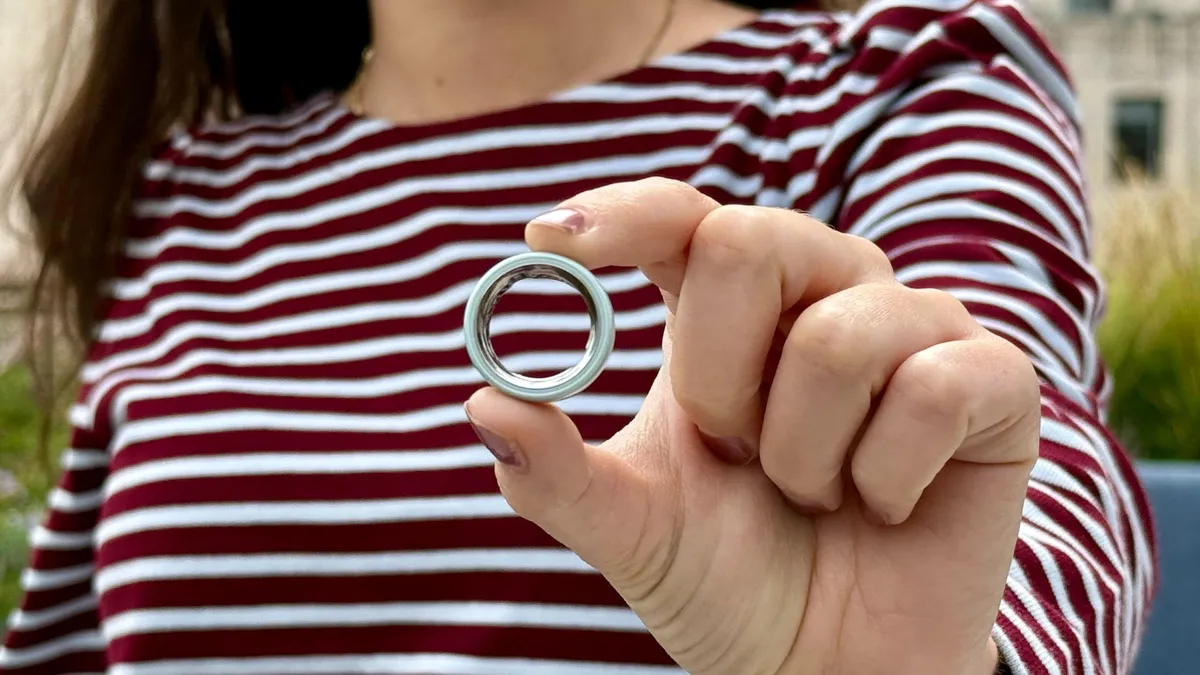
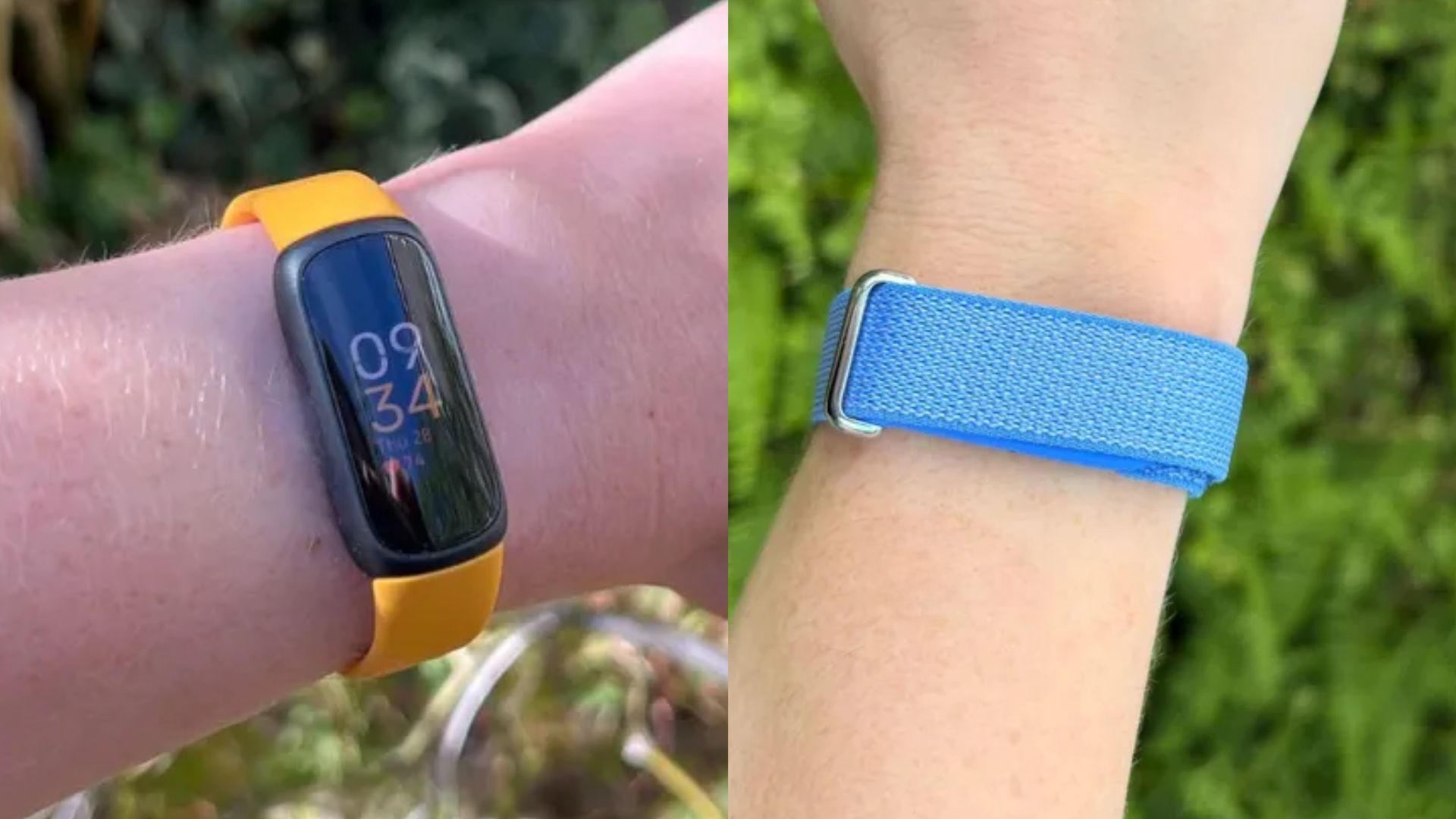
The design gap between the two trackers is huge. The Inspire 3 is the classic Fitbit: a small plastic body with a touchscreen and a haptic side button on a silicone strap, doubling as a slim digital watch. You can glance at the time, step count, and start workouts from your wrist, which makes it feel like a tiny smartwatch. The Fitbit Air is the opposite philosophy: there is no screen at all. The sensor is tucked under a textile strap with a stainless steel buckle and Velcro tab, so from the outside it looks more like a minimal accessory than a gadget.
That screenless design has a big upside: you can keep Air on with formal outfits, or wear it on your ankle or upper arm to keep it out of sight while still gathering data. The tester noted that with Inspire 3 they tended to remove it with smarter clothes and therefore lost health data in the evenings, while Air stayed on and kept logging steps, stress, and heart rate. In short, Air wins on comfort and discretion; Inspire 3 wins if you want one device to tell the time, show notifications, and track workouts without involving your phone.
| Spec | Fitbit Air | Fitbit Inspire 3 |
|---|---|---|
| Size | 130–210 mm around | 39.32 x 18.6 x 11.75 mm body |
| Weight (with band) | 12 g | 17.69 g |
| Materials | Recycled polycarbonate & PBT, stainless steel, textile | Plastic and silicone |
| Battery life | 7 days | Up to 10 days |
| Water resistance | Up to 50 m | Up to 50 m |
| GPS | No | No |
| Price (full retail) | £84.99 | £84.99 |
Tracking Features and Workout Experience
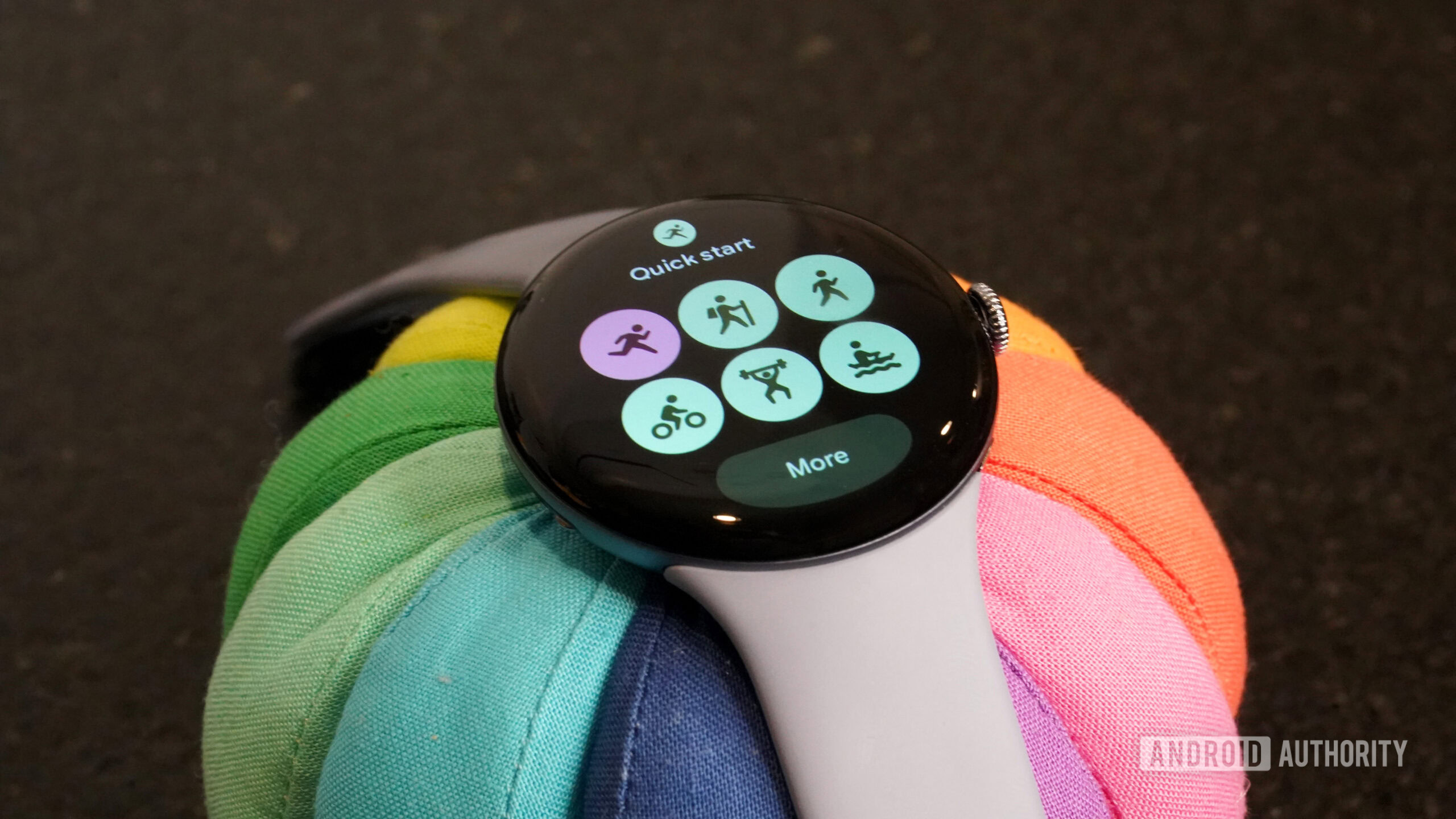
On paper, both devices hit the same brief: an affordable Fitbit Air review or Fitbit Inspire 3 comparison will tell you they are slim, lightweight trackers with everyday health and sleep features at around £80. In practice, they behave quite differently once you start moving. With Inspire 3, you can start a run, then watch live pace, distance, and heart rate from your wrist, which the tester described as a “no‑brainer” advantage for runners. You see how hard you are working and can respond instantly. The Air cannot do any of this in real time; there is no display, so you only see stats afterwards in the Google Health app.
This makes Inspire 3 the better budget fitness tracker for anyone doing structured cardio, intervals, or time-based workouts. The longer battery life (up to 10 days vs 7) also means fewer charges if you log many sessions. Air, meanwhile, is stronger as an “always-on background” tracker: it is lighter at 12 g, easier to forget, and wins the design comparison by being more versatile to wear. Both skip built‑in GPS, so you will rely on your phone for mapped routes. If you rarely need live data and dislike screens, Air is more appealing; if workouts are your focus, Inspire 3 is the practical pick, and one review named it the winner specifically for running.
Wearable Accuracy Test: Heart Rate and Calories
Any budget fitness tracker will trade some accuracy for convenience, so it is important to look beyond marketing claims. In a wearable accuracy test, Fitbit Air’s heart rate monitoring was compared against a Polar H10 chest strap, which has shown “almost perfect agreement” with a reference ECG system in research. During a treadmill session, Air’s average, minimum, and maximum heart rate values stayed within 2.5% of the chest strap, which is excellent for a wrist-based device. However, Air lagged behind when heart rate rose quickly: when the runner’s heart rate hit 141 bpm on the chest strap, Air was still reading 109 bpm before catching up later.
This delay is not unique to Air; it is a limitation of all wrist or finger-worn trackers, which sit farther from the heart and cannot capture very brief spikes as quickly. Where the Fitbit Air review turns more critical is calorie estimation. On the treadmill, Air underestimated calories by nearly 12%, and during strength training the gap widened to about 31% versus the chest strap’s estimate. One quotable takeaway is: “If you are using the device for diet or weight management, I'd recommend taking those datapoints as ballpark estimations rather than objective points.” It is reasonable to assume Inspire 3 shares similar constraints: both use similar sensor types and formulas, so neither should be trusted for precise calorie counting, even if their heart rate monitoring is good enough for recreational tracking.
Value for Money and Final Recommendation
From a value perspective, both devices target the same budget fitness tracker buyer: they retail at £84.99, making them far cheaper than many popular wearables while still offering everyday health, stress, and sleep tracking. For a long time, Inspire 3 was the only sub‑£100 model the reviewer recommended; that changed when Fitbit Air arrived and took the top spot in their guide to the best models overall. Their overall winner was Fitbit Air, mainly because its discreet, distraction-free design makes it easier to wear 24/7, which in turn gives more complete health data.
That does not mean Inspire 3 is obsolete. If you want on‑wrist time, live workout stats, and fewer compromises in day‑to‑day usability, Inspire 3 is the more straightforward recommendation, especially for runners who rely on mid-session feedback. Air is better for people who dislike screens or find traditional trackers clash with their style. Both share the same core weaknesses: they use wrist-based optical sensors, so they can miss very fast heart rate changes and are notably unreliable for calorie burn estimates. In other words, buy either for motivation, trends, and gentle accountability — not for lab-grade measurements or precise nutrition planning.
Buy if / Skip if
- Buy the Fitbit Air if you want a discreet, screenless tracker you can wear 24/7 without it clashing with formal outfits.
- Skip the Fitbit Air if you depend on live workout stats like pace, distance, and heart rate on your wrist while running or cycling.
- Buy the Fitbit Inspire 3 if you prefer a traditional tracker with a screen that doubles as a simple watch and workout controller.
- Skip the Fitbit Inspire 3 if you often remove visible gadgets for social or work events and know you will forget to put it back on, losing data.
- Buy the Fitbit Air if your priority is light weight and comfort, even at the cost of shorter battery life and no screen.
- Skip the Fitbit Air if you plan to use calorie numbers to guide strict dieting; its estimates can be off by 11–31% compared with a chest‑strap baseline.
- Buy the Fitbit Inspire 3 if you are a new fitness tracker user who wants clearer on‑device guidance and longer battery life up to 10 days.
- Skip the Fitbit Inspire 3 if you dislike having another screen on your wrist and would rather check stats only on your phone.