
Fitbit Air’s Big Idea: Whoop-Style Insight at a Budget Price
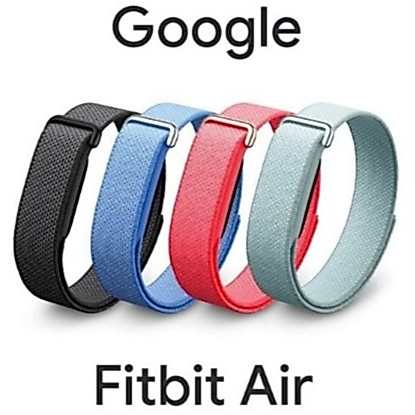
Fitbit Air is a screenless fitness tracker from Google that focuses on recovery, sleep and wellness, aiming to bring Whoop-style deep health insights to a far lower price point while avoiding mandatory subscriptions for access to core data. In other words, it tries to give mainstream users the sort of training and recovery guidance that has long been reserved for high-end wearables and committed athletes.
The Fitbit Air opened pre-orders on May 7 and began shipping on May 26, marking the first new health tracking device from the Google-owned brand in four years. Early Fitbit Air review reactions have been consistent on one thing: the hardware is excellent, the software less so. Reviewers have praised the tiny, minimalist and lightweight band but have described Google’s Gemini-AI-powered health coaching as inaccurate, surface-level and slow to respond to real data. That mismatch matters, because the whole pitch is Whoop-style coaching without Whoop-style costs. Until now, Air has looked like a premium shell running budget brains.
Where Fitbit Air Fell Short: Coaching, Not Sensors
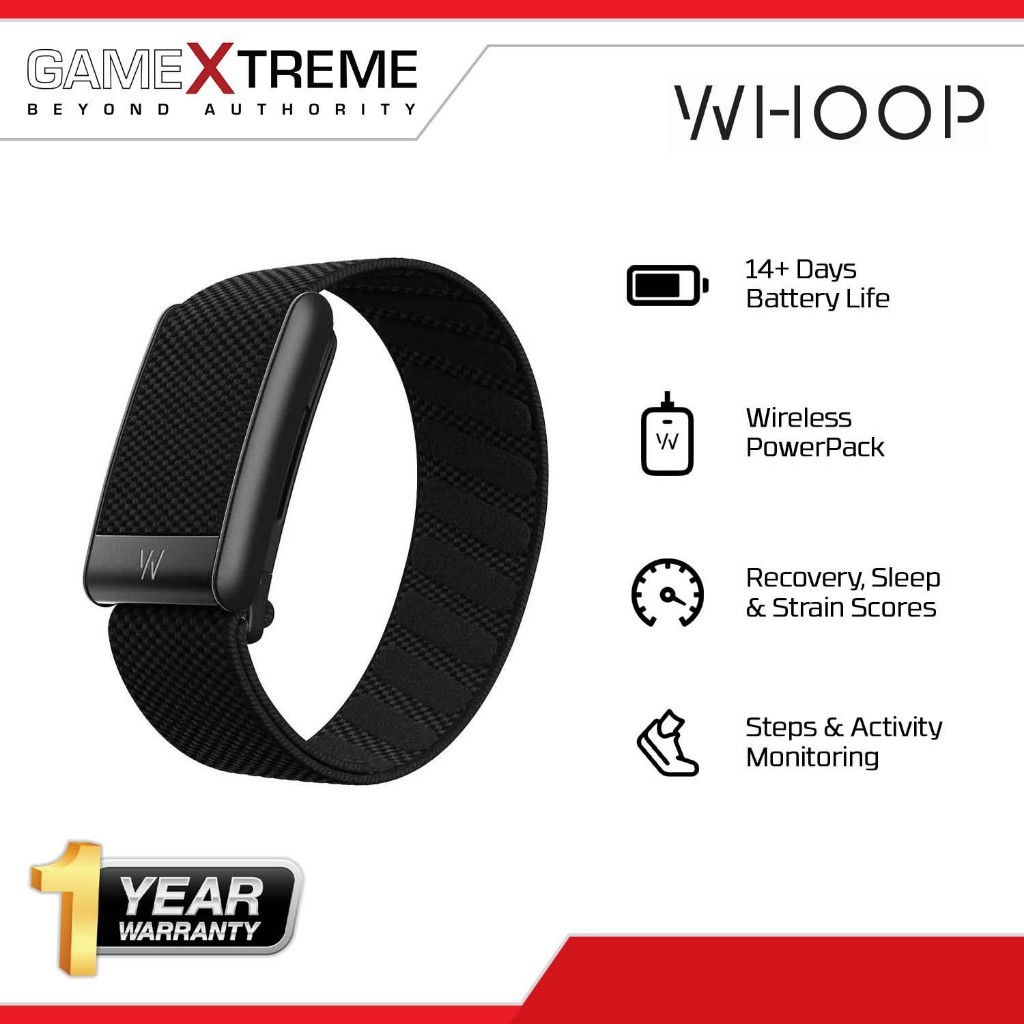
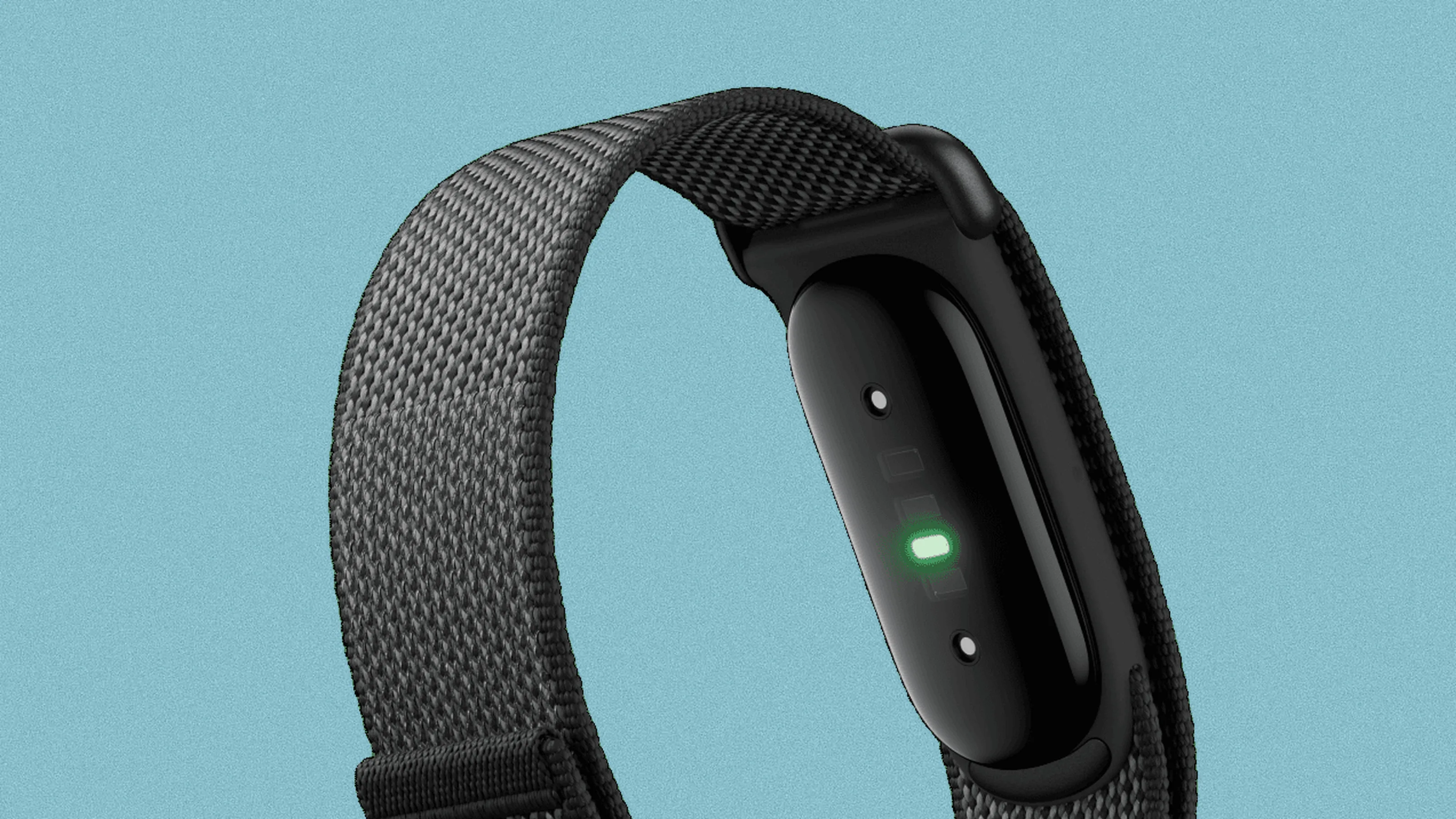
On paper, Fitbit Air already ticks most feature boxes that matter in a health tracking comparison with high-end wearables. It tracks 24/7 heart rate, heart rate variability, SpO2, skin temperature, resting heart rate, sleep stages and can auto-detect workouts. It does this in a much smaller, lighter housing than its main rival: the Air weighs 12g with band versus 26.5g for a comparable Whoop band, and its pebble-shaped sensor is notably slimmer. Hardware is not the problem.
The gap has been interpretation. Whoop has spent more than a decade refining how it turns strain, sleep and recovery metrics into decisions athletes can use. By comparison, Google’s new Gemini-powered Health Coach has been criticized by independent reviewers as too generic and slow to act on personal trends. For a device explicitly designed to rival a Whoop fitness tracker, that is fatal: collecting data without sharp coaching is like owning a sports car that never leaves first gear. In the crowded world of budget fitness trackers, Air risked being another inexpensive band with nice charts and vague advice.
Bevel Health Steps In: A New Coaching Layer for Fitbit Air
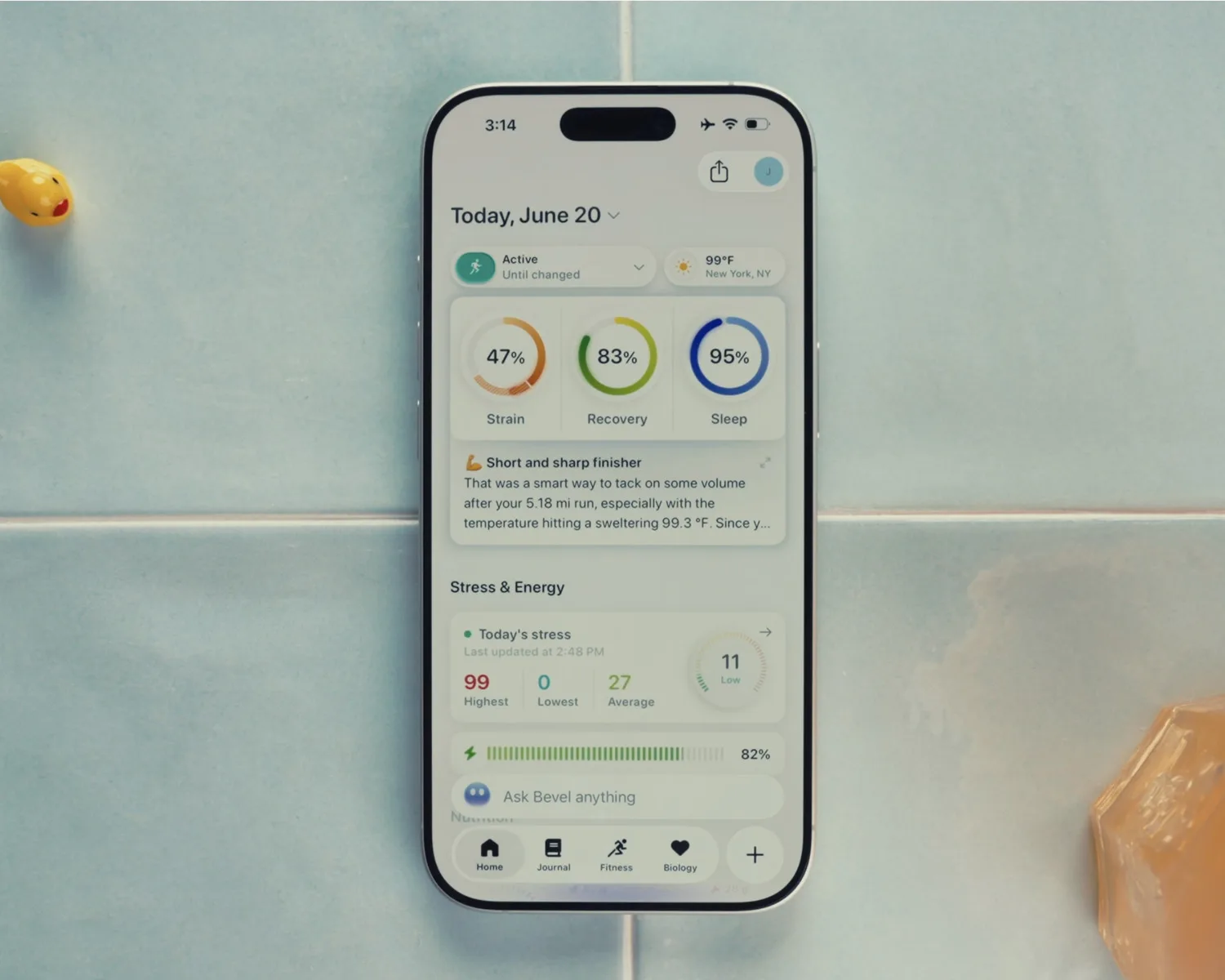
The game-changing move is not from Google itself but from Bevel Health, a startup that raised a USD 10 million (approx. ₱560,000,000) Series A led by General Catalyst. Bevel announced an integration with Google Health Connect that pulls Fitbit Air data and sends back its own AI-powered coaching layer. In practice, that means Air owners can now bolt on a separate brain that is built from day one around responsive recovery and training guidance.
According to one report, Bevel lets users connect its app to the Google Health platform, then synthesizes biomarker trends and delivers coaching that feels more reactive to what the body is doing, closer to Whoop at its best. This upgrade applies to Fitbit Air and other modern Fitbit devices. It is not plug-and-play: users must download a second app, grant Google Health Connect permissions and trust an additional third party with sensitive health data. But for those willing to do that work, the payoff is targeted guidance the stock Gemini coach has failed to provide. In effect, Bevel turns Fitbit Air into a modular, semi-open alternative to closed ecosystems like Whoop’s.
The stakes are clear from the reaction of incumbents. The fact that Whoop is suing Bevel over allegations detailed in a formal complaint signals that the established player sees this startup as a threat worth fighting. When a dominant recovery band challenges a newcomer in court, it is less a sign of irrelevance than of competitive pressure.
Value Play: Can £84 of Hardware Challenge a Subscription Giant?
Price is where Fitbit Air looks most dangerous. One review notes that "probably the most compelling thing about the Google Fitbit Air is its price," at about £84.99, a fraction of the cost of locking into its key rival’s ecosystem. Unlike its competitor, Air does not require a membership to see your data: heart rate, heart rate variability, SpO2 and skin temperature remain available without any extra fee. Google Health Premium sits on top at £7.99 per month for AI coaching and more wellness insights, but it is optional.
The Whoop fitness tracker takes a very different approach. The entry-level Whoop One membership starts from £169 per year and includes the Whoop 5.0 device and its recovery, sleep and strain tracking. The Peak tier rises to £229 per year with added stress and Healthspan insights, while the Life tier at £349 per year adds ECG and blood pressure monitoring. There is no way to use the hardware without an active subscription. In a head-to-head health tracking comparison, that means Air offers a buy-once core with optional extras, while Whoop sells an ongoing service that happens to include a band. For budget fitness trackers shoppers, that distinction is huge.
| Spec / Cost Model | Fitbit Air | Whoop 5.0 |
|---|---|---|
| Upfront device price | £84.99 tracker, no mandatory membership | Included with membership, no standalone price listed |
| Ongoing access to data | Free core metrics; optional £7.99/month Google Health Premium | Requires active membership from £169/year to use at all |
| Target user | Casual gym-goers and everyday wellness tracking | Athletes and fitness obsessives seeking deep coaching |
Does Bevel Make Fitbit Air a Serious Whoop Alternative?
In my view, the Bevel integration changes the answer to the most important Fitbit Air review question: is this band just a casual wellness toy, or can it compete with serious performance tools? Out of the box, Air’s excellent hardware and weak coaching pushed it toward the casual side. With Bevel in the mix, it looks more like a modular platform that can scale from basic tracking to advanced coaching as the user’s needs grow.
This does not erase Whoop’s advantages. Years of research into recovery, strain and sleep, a versatile wear-anywhere design and some of the best coaching one reviewer has ever used still make Whoop 5.0 the benchmark for athletes. But the old dividing line—pay steep subscription fees for real insight or settle for budget fitness trackers with shallow advice—is starting to blur. If you are price-sensitive yet hungry for better training guidance, Fitbit Air plus Bevel looks like the first credible middle path. The trade-off is more setup and more parties touching your data; the reward is premium-style intelligence at a mid-range price.