
FSR Multi-Frame Generation: Experimental today, transformative tomorrow
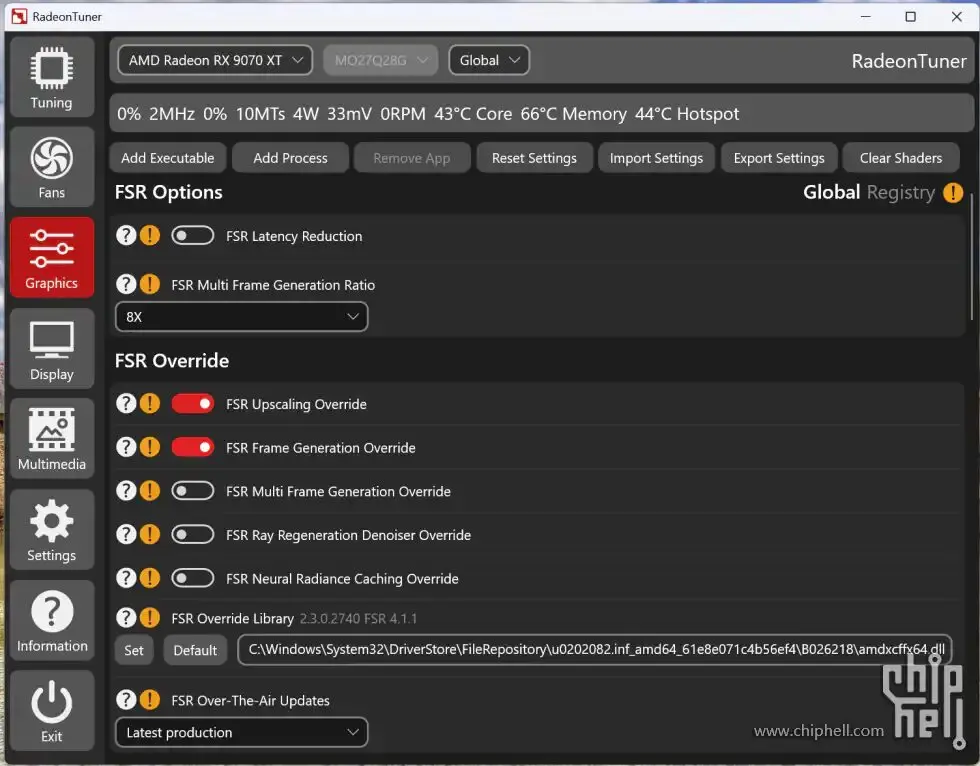
AMD FSR Multi-Frame Generation is an experimental graphics feature inside recent Radeon drivers that exposes hidden ratios from 1x to 8x for synthetically increasing the number of frames output by a game, hinting at a future where PC gaming performance depends as much on AI-driven frame synthesis as on raw GPU horsepower. The key takeaway is simple: AMD is not tweaking FidelityFX Super Resolution around the edges, it is quietly preparing a radical expansion of frame generation itself. Using the RadeonTuner utility, enthusiasts have uncovered new AMD Radeon GPU variables tied to FSR Multi-Frame Generation, Ray Regeneration, and Neural Radiance Caching, all first seen in the Adrenalin 26.6.2 drivers. These options are non-functional today, but their presence signals AMD’s intent to make synthetic frames a centerpiece of its graphics roadmap rather than a niche add‑on.
What the 8x frame generation ratios really say about AMD’s ambitions
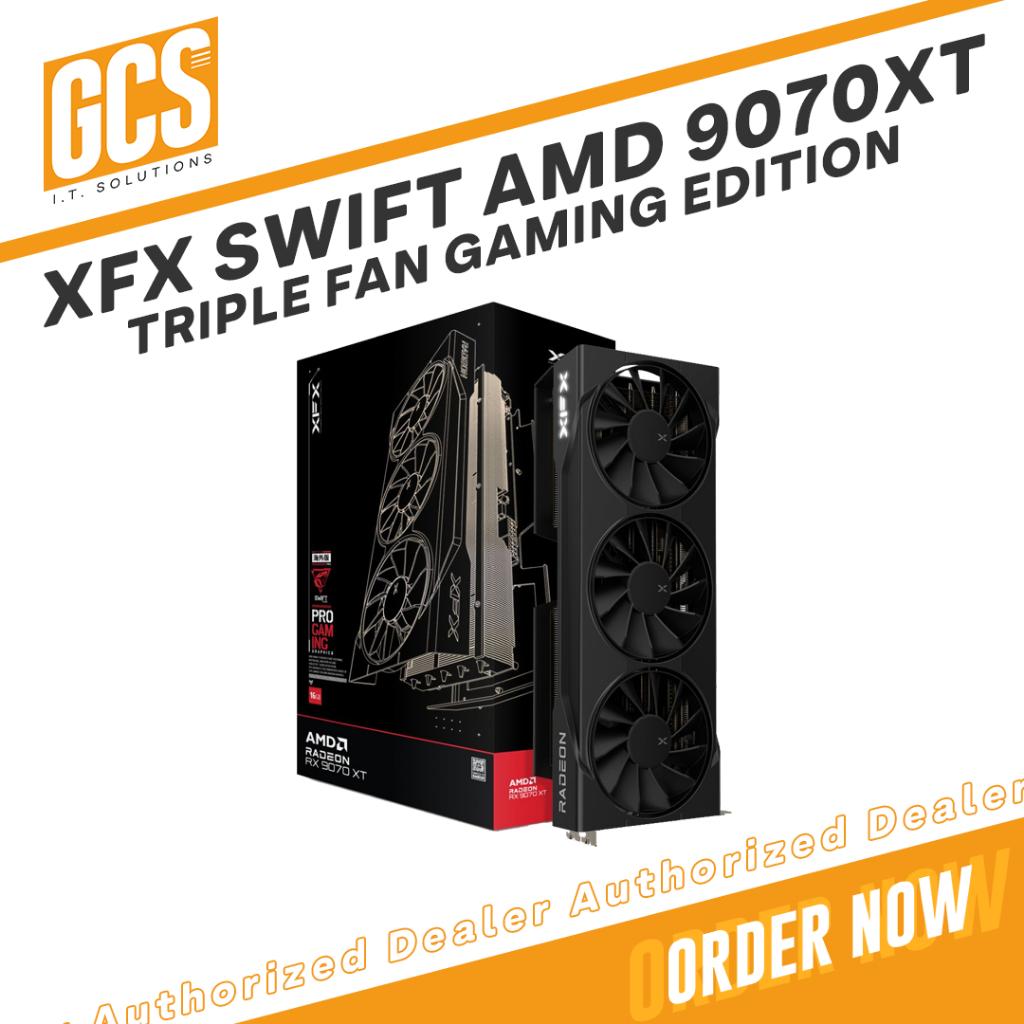
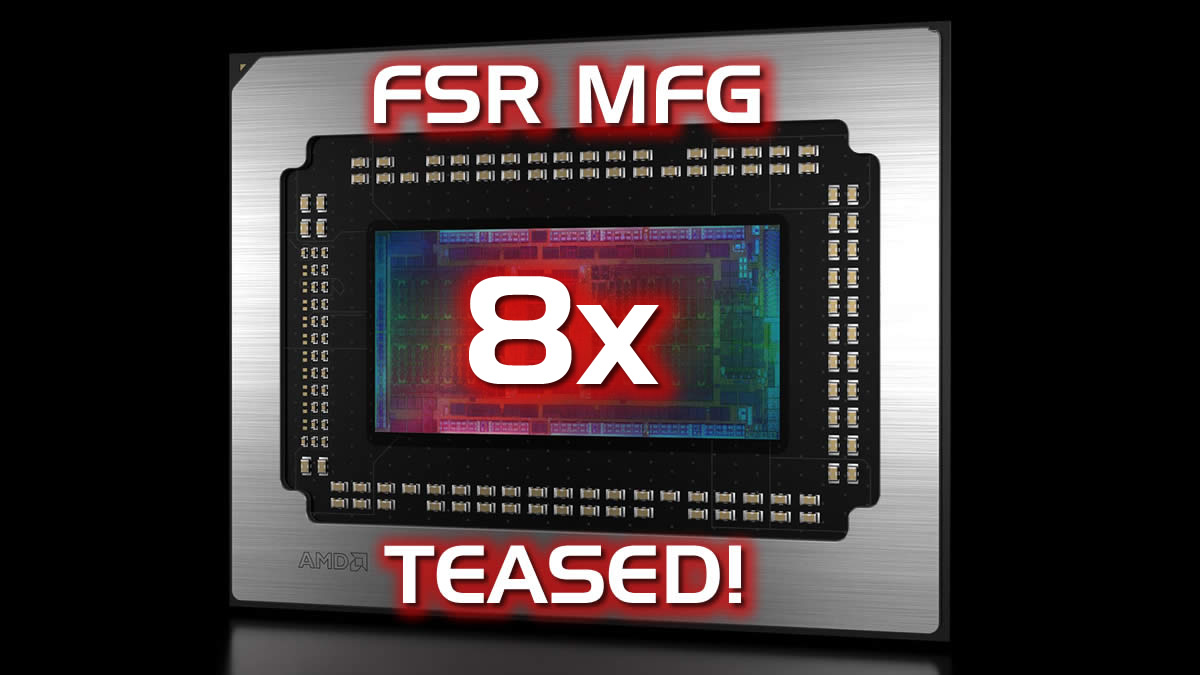
The most striking detail is not that Multi-Frame Generation exists, but that AMD’s hidden interface already lists ratios from 1x through 8x. In theory, 8x frame generation could turn a base framerate of 60 FPS into an output approaching 480 FPS, assuming the technology behaves as intended. That ratio is aggressive to the point of provocative; it tells us AMD is thinking far beyond modest boosts and toward extreme high-refresh scenarios. Running Adrenalin 26.6.2 with the FSR 4.1.1 Override Library (v2.3.0.2740) on a Radeon RX 9070 XT exposes these Multi-Frame Generation Ratio and Override entries alongside Ray Regeneration and Neural Radiance Caching. My view is that this interface is a design manifesto: AMD is planning FSR as a configurable synthetic frame engine, where users can deliberately choose how far they are willing to push the balance between motion smoothness and algorithmic interpolation.
From SDK groundwork to driver leaks: why AMD is moving now
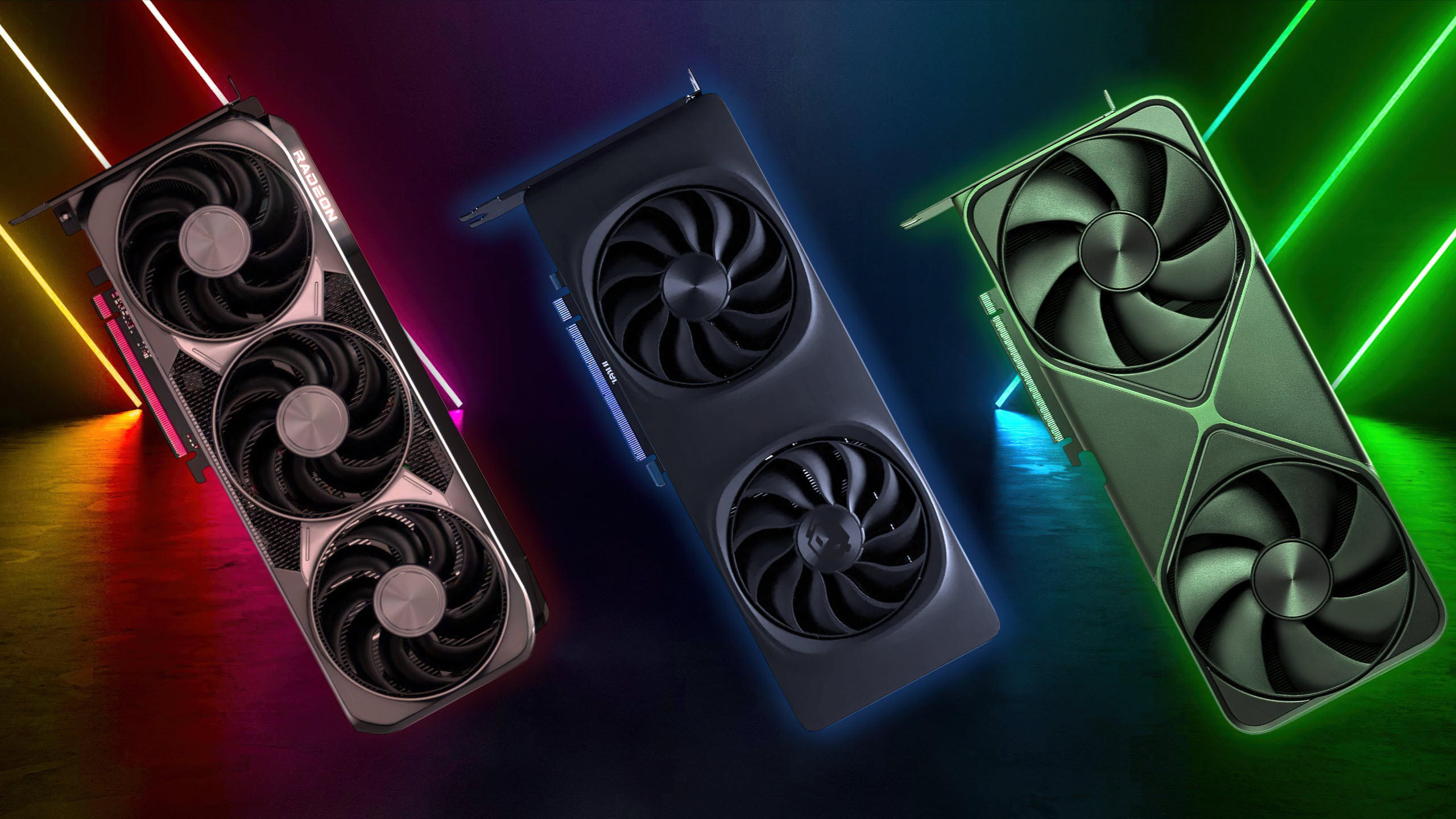
These hidden AMD driver updates are not appearing in a vacuum; they sit on months of groundwork inside AMD’s own tools. Back in April, preliminary Multi-Frame Generation support quietly landed in the ADLX FidelityFX SDK, hinting that future Radeon GPUs would let players pick different frame generation ratios for their preferred mix of image quality and performance. Since then, AMD has continued to expand its upscaling stack, most recently with FSR 4.1.1, which already integrates into the existing Override system for FSR Upscaling and ML Frame Generation on supported hardware. The newly uncovered 3x–8x Multi-Frame Generation modes are reportedly limited to RDNA 4 and newer GPUs, underscoring that AMD sees synthetic frames as a next-generation feature rather than a backwards-compatible bonus. In my opinion, this timing shows AMD wants its upcoming GPU line to launch with a clearly differentiated AI graphics story baked into the drivers from day one.
Non-functional toggles today, a sweeping FSR overhaul later
Right now, all of these Multi-Frame Generation ratios are purely experimental: the options in Adrenalin 26.6.2 remain non-functional and likely depend on internal FSR DLLs or software components not yet shipped to the public. That limitation matters, because it confirms we are looking at a roadmap, not a half-baked release. Current FSR Override features already allow RDNA 4 GPUs to move compatible games to FSR 4.1 upscaling and ML Frame Generation, but the new menu entries for Multi-Frame Generation, Ray Regeneration Denoiser Override, and Neural Radiance Caching Override point toward a coordinated update to the whole FSR suite. According to one source, “FSR could be in line for one of its biggest updates yet later this year.” I see these dormant toggles as AMD’s way of wiring the house before turning on the power: the infrastructure is going into the drivers now so the technology can light up overnight when the full FSR package is ready.
What this signals about the future of frame generation in PC gaming
The discovery of 8x FSR Multi-Frame Generation ratios is best understood not as a curiosity, but as a statement about where PC graphics is heading. Multi-Frame Generation, Ray Regeneration, and Neural Radiance Caching together imply AMD is building an AI-accelerated rendering pipeline where native frames, ray-traced effects, and cached lighting all feed into a synthetic frame fabric. These experimental modes on RDNA 4 and newer GPUs show AMD expects future gaming performance gains to come from smarter reconstruction rather than raw rasterization alone. The numbers make that philosophy tangible: “That’s enough to turn a base framerate of 60 FPS into 480 FPS.” My conclusion is that these hidden driver references mark a turning point for AMD FSR multi-frame generation—when they eventually switch on, the practical debate around PC graphics will shift from whether to use frame generation to how aggressively gamers are willing to scale it.