
Verdict: A Bag-Shrinking Powerhouse, With Clear Limits
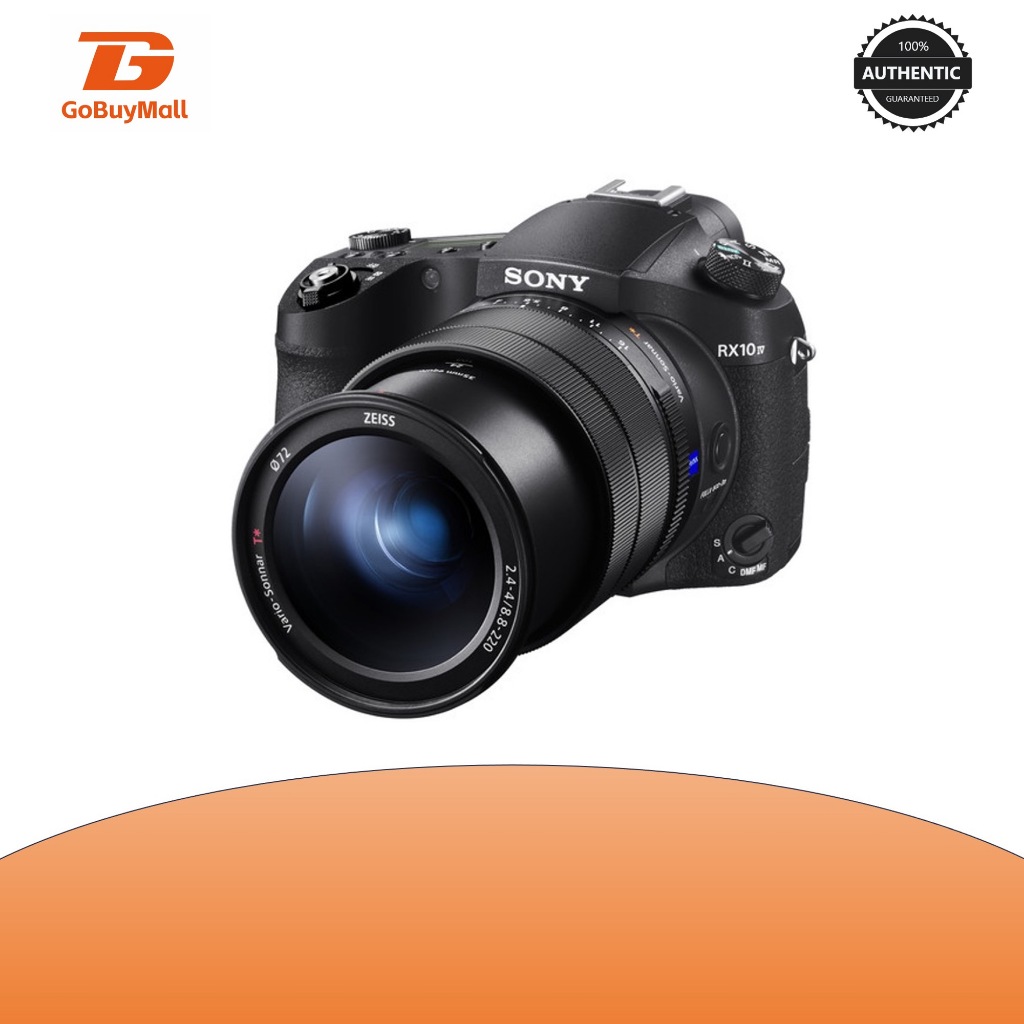
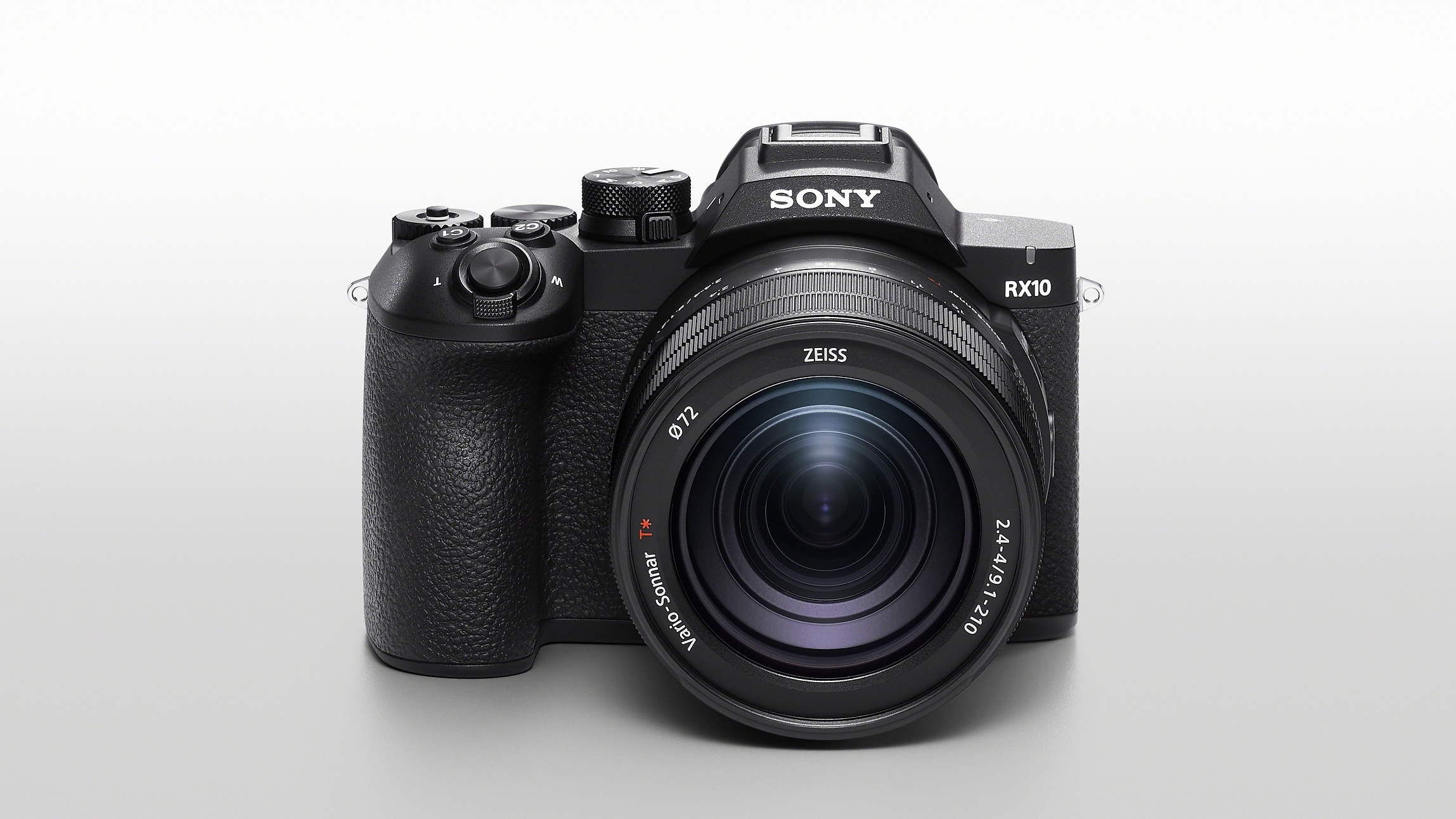
The Sony RX10 V is an all-in-one bridge camera that combines a 20.1‑megapixel 1.0‑type stacked sensor, a 24‑600mm equivalent f/2.4‑4.0 ZEISS zoom lens, AI-powered autofocus and 4K 120p video into a single dust‑ and moisture‑resistant body designed to replace the need for multiple lenses and camera systems for many hybrid photographers and videographers. This Sony RX10 V review finds a camera that largely delivers on its promise: one lens that can cover landscapes, portraits, wildlife, sports, close‑ups and pro‑leaning video without a gear shuffle. At a suggested USD 2,299.99 (approx. ₱133,000), it is expensive for a fixed‑lens camera, but cheaper and far lighter than a comparable multi‑body, multi‑lens kit. The trade‑off is clear: unmatched versatility and speed in a single package, but no option to upgrade glass or sensor later.
Pros
- 24-600mm equivalent ZEISS lens covers ultra-wide to extreme telephoto with close focusing in one body.
- AI-powered Real-time Recognition AF with blackout-free 30 fps shooting tracks fast subjects reliably across much of the frame.
- 4K 120p 10-bit 4:2:2 video with S-Cinetone, S-Log3 and LUT support makes it suitable for serious content creation.
- Around 630-shot NP-FZ100 battery and refreshed viewfinder, screen and grip improve day-to-day usability.
Cons
- 30 fps burst requires electronic shutter and lossy RAW files, which limits stills flexibility.
- No Pre-Capture feature despite sharing the BIONZ XR platform with other cameras.
- Fixed lens and 1-inch sensor mean less room to grow than interchangeable-lens systems.
- Approx. 1,111 g ready to shoot makes it heavier than many travel cameras, despite replacing more gear.

Lens and Handling: One Zoom for Almost Every Scenario
The core appeal of the RX10 V is its 24‑600mm equivalent f/2.4‑4.0 ZEISS Vario‑Sonnar T* lens. According to one early tester, “being able to shoot a wide range of subject matter with a single camera and lens was liberating,” with wide angle, super‑telephoto and macro covered in one grab. At 24mm you can frame expansive landscapes or interiors, then roll straight out to 600mm for distant wildlife or sports without swapping glass. Close focus down to roughly 3 cm at the wide end and around 72 cm at full telephoto lets this 25x optical zoom pull duty for product shots or detail work too. The body is dust‑ and moisture‑resistant and weighs about 1,111 g ready to shoot, with an updated grip and Alpha‑style button layout, plus a 3.68‑million‑dot Quad‑VGA OLED viewfinder and 1.62‑million‑dot rear display for more comfortable handling.
| Key Feature | What It Is | Why It Matters |
|---|---|---|
| Lens range | 24-600mm equivalent f/2.4-4.0 ZEISS zoom | Covers ultra-wide to extreme telephoto without changing lenses. |
| Macro ability | Approx. 3 cm minimum focus at wide angle | Enables close-up and detail shots with the same lens. |
| Build and weight | Dust- and moisture-resistant, ~1,111 g ready to shoot | Durable single-body solution that still undercuts a multi-lens kit. |
| Battery | NP-FZ100, approx. 630 shots per charge | Over 50% more stamina than RX10 IV for all-day use. |
AI Autofocus and Speed: Built for Sports and Wildlife
Where the RX10 V starts to feel like a modern AI autofocus camera is in its Real‑time Recognition AF system. Driven by the BIONZ XR processor and a dedicated AI chip, it can identify and track humans, animals, birds, insects, cars, trains and airplanes, with an Auto mode that attempts to choose the subject type for you. Around 575 phase‑detection points span roughly 71% of the image area, a notable jump from the previous generation’s coverage, and up to 60 AF/AE calculations per second keep focus and exposure locked on moving subjects. Blackout‑free continuous shooting at up to 30 fps with the electronic shutter makes it attractive for birds in flight or fast ball sports, and users have already taken it from high‑speed matches to family outings without feeling held back. The main caveat is that this top burst speed forces electronic shutter use and lossy RAW, and the absence of Pre‑Capture limits your ability to grab moments just before you press the button.
Video Features and the Bridge-Camera Revival
On the video side, the RX10 V moves well beyond casual shooting. It records 4K 60p across the full sensor width and up to 4K 120p for detailed slow‑motion, with 10‑bit 4:2:2 internal capture for grading-friendly files. S‑Cinetone and S‑Log3 picture profiles plus support for importing Monitor LUTs make it a serious tool for creators who want consistent color or matching with other cameras. Active image stabilisation, 4K live streaming, Auto Framing, Wi‑Fi, USB‑C and integration with Sony’s app ecosystem help for run‑and‑gun documentary work and remote control. Crucially, this is the first major RX10 update in nearly nine years, pairing a proven 1‑inch stacked sensor with the latest BIONZ XR engine and AI unit. In a segment that has “had very few fresh options for years,” this shows a renewed commitment to the all‑in‑one bridge camera idea. For many hybrid shooters, it becomes “the most capable do‑everything camera Sony has put in a single body to date.”
Buy if / Skip if
- Buy the Sony RX10 V if you want an all-in-one bridge camera that replaces a bag of lenses for travel, events, sports and wildlife.
- Skip the Sony RX10 V if you need interchangeable lenses, larger sensors or a clear upgrade path for specialized work.
- Buy the Sony RX10 V if you shoot fast-moving subjects and value AI autofocus, Real-time Recognition AF and blackout-free 30 fps bursts.
- Skip the Sony RX10 V if lossy RAW at 30 fps and the lack of Pre-Capture are deal-breakers for your action photography.
- Buy the Sony RX10 V if you are a hybrid creator who wants 24-600mm reach, 4K 120p 10-bit video and S-Cinetone/S-Log3 in one camera.
- Skip the Sony RX10 V if its price and 1-inch sensor make more sense invested in an entry-level interchangeable-lens system instead.