
A Five-Year-Old GPU Returns for a New Kind of Demand
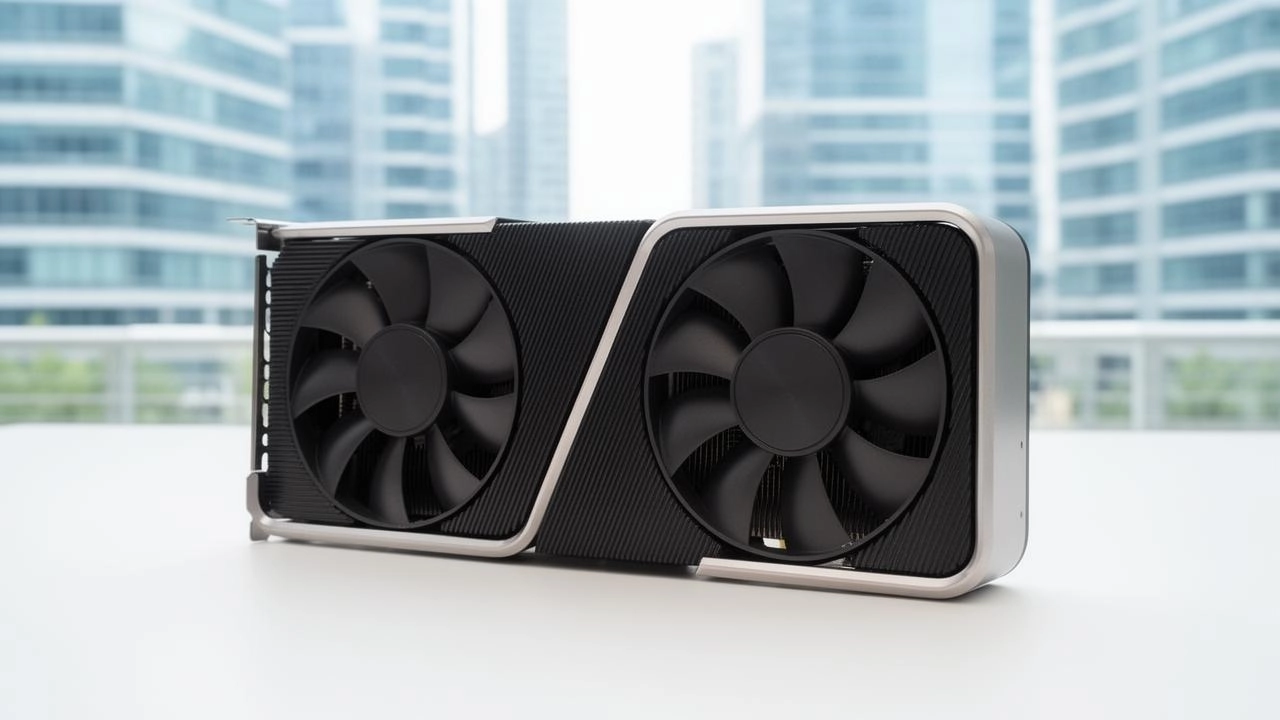
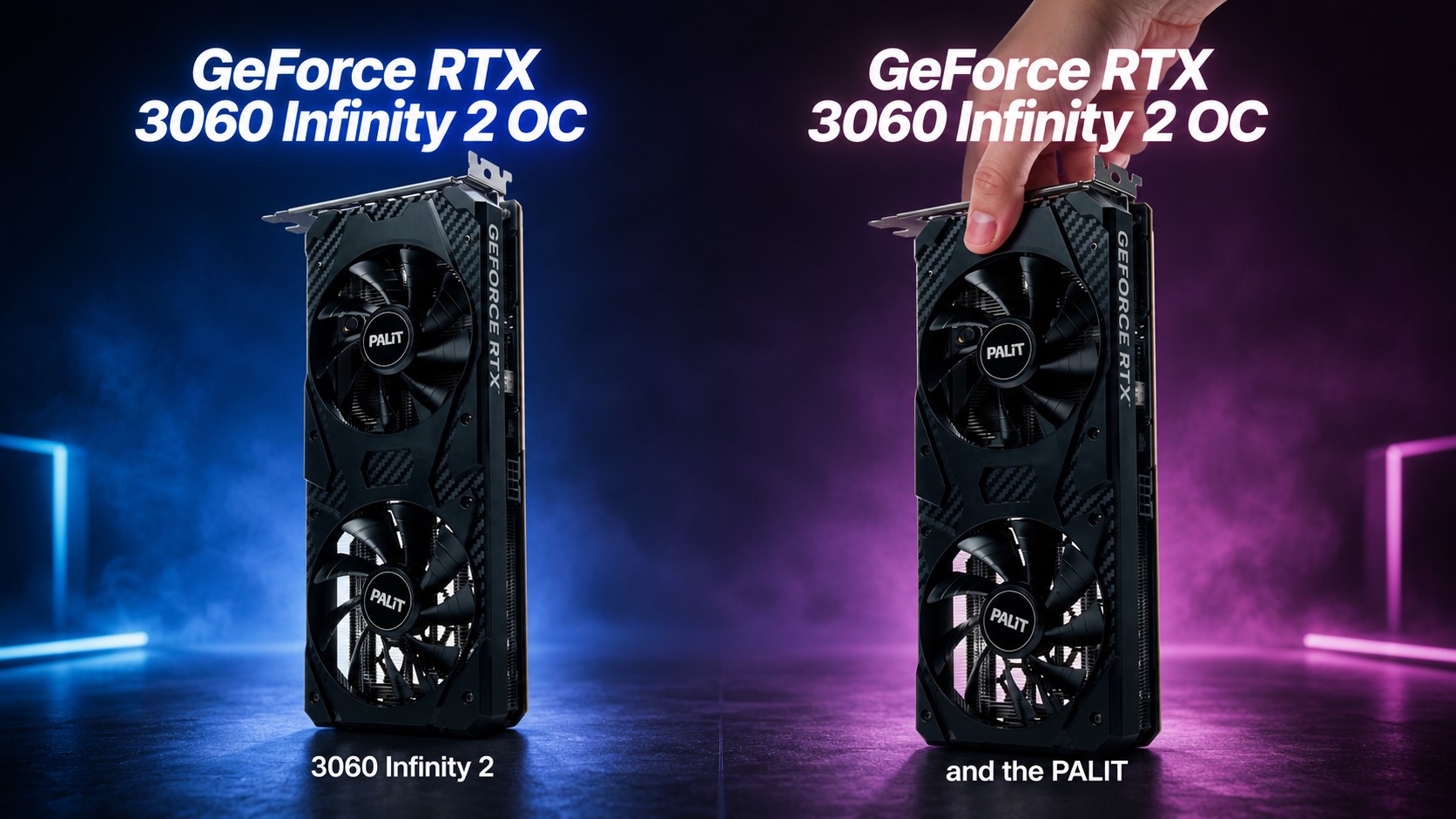
The RTX 3060 relaunch is the renewed production and official reintroduction of Nvidia’s GeForce RTX 3060 graphics card, notably Palit’s Infinity 2 OC variant with 12GB of GDDR6 VRAM, aimed at budget-conscious users and AI workloads needing affordable memory rather than cutting-edge performance. Nvidia has relaunched this five-year-old GPU to counter component scarcity driven by artificial intelligence, a move now reflected in Palit’s announcement of the GeForce RTX 3060 Infinity 2 OC. The card carries 3,584 CUDA cores, a 192-bit bus and a mild factory overclock to 1,792 MHz boost, essentially mirroring the 2021 design. This is not nostalgia hardware; it is a deliberate response to a market where memory prices, AI GPU acceleration needs and a persistent budget GPU shortage matter more than chasing the newest silicon.
VRAM Over Speed: Why 12GB Still Hits the Sweet Spot
In today’s entry-to-midrange GPU market, the RTX 3060’s 12GB VRAM pool is the main story, not its aging Ampere cores. Palit’s Infinity 2 OC keeps the same 12GB GDDR6 on a 192-bit bus, which remains attractive for 1080p gaming with high settings, ray tracing experiments, and light AI work that is often memory-bound rather than compute-bound. Palit itself pitches the card as a “reigning champion” for smooth, ultra-stable frame rates at 1080p, and in practice the RTX 3060 is capable of running modern titles without major issues. Crucially, it is one of the few current consumer options in the segment that still offers up to 12GB VRAM; the newer RTX 4060 and 5060 top out at 8GB. For users hitting 8GB limits in games, creator workloads or local models, that extra memory is a practical advantage rather than a spec-sheet curiosity.
AI Boom, Memory Shortages, and the Rise of Legacy GPUs
The RTX 3060 Infinity 2 OC exists because the supply chain is strained, not because the industry is sentimental. Explosive AI demand has distorted the semiconductor market, driving up prices for graphics memory and advanced process nodes. Artificial intelligence workloads demand large amounts of memory and storage, pushing commodity silicon costs sharply higher with no clear sign of relief. Vendors are focused on high-margin HBM, while newer architectures like Blackwell rely on costly GDDR7, leaving a gap for VRAM-rich but older designs. Reviving the RTX 3060 on Samsung’s older 8nm process offers better yields and lowers pressure on cutting-edge capacity, turning the card into an “emergency stopgap” for a market squeezed by AI. More vendors bringing back Ampere-based GPUs is therefore a pragmatic answer to the AI GPU acceleration crunch, not a retreat from progress.
Market Reality: Budget GPU Shortage and Shifting Buyer Priorities
The budget segment has been squeezed enough that a five-year-old GPU can look rational again. Late last year, GPUs were pulled into a broader component price surge as AI demand grew, and entry-level buyers have faced limited affordable GPU options ever since. According to recent hardware survey data, the RTX 3060 remains the most popular desktop GPU with nearly 4% share, while newer RTX 50-series options like the 5060 stay under 3%. That popularity is a voting result: users care about price and VRAM capacity at least as much as raw speed. An RTX 5060 Ti offers stronger performance, DLSS 4.5 and multi-frame generation, but it ships with 8GB VRAM and costs around USD 369 (approx. ₱21,000), while refreshed RTX 3060 models appear near USD 329 (approx. ₱18,700). In that context, legacy cards remain viable for cost-conscious builders who value memory and stable 1080p performance over the newest features.
Should Builders Care About the RTX 3060 Relaunch?
Palit’s RTX 3060 Infinity 2 OC relaunch is a clear signal: GPU buying patterns are shifting away from a single-minded focus on performance and toward a balance of memory, price and availability. For gamers who want every new technology, the card’s lack of support for the latest frame generation methods and efficiency improvements is a fair deal-breaker. But for budget PC builders and hobbyists experimenting with local AI models or heavier creator workloads, a 12GB VRAM graphics card under the RTX 3060 banner is a credible option, especially where newer 8GB cards risk hitting memory ceilings. The fact that Nvidia and multiple board partners are reviving last-generation silicon shows how deeply AI and memory constraints are reshaping the market. In a strained budget landscape, the RTX 3060 relaunch is less a sentimental rerun and more a practical, if imperfect, answer to a new era of GPU demand.