
A Confusing Opt-Out That Turned Into a Trust Problem
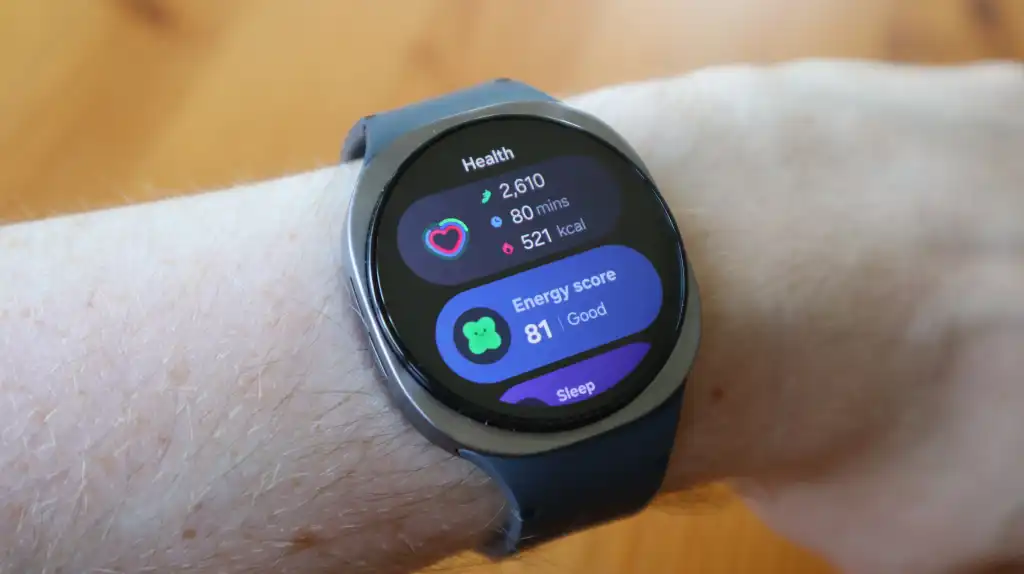
Samsung Health’s confusing AI data training consent notice, which suggested users might lose cloud sync or existing health records if they opted out, sparked a backlash that shows how fragile trust becomes when wearable health data intersects with opaque artificial intelligence policies and unclear choices about how that data will be used and stored over time. This was not a minor wording slip; it was a moment where Samsung Health privacy expectations collided with corporate data ambitions, and users were left wondering whether saying no to AI meant sacrificing core features. When health metrics, sleep scores and workout logs are tied to our sense of wellbeing, vague warnings about deletion and sync restrictions feel less like a routine update and more like a threat. That perception is why this incident matters well beyond Samsung’s own ecosystem.
What Samsung Said—and Why Users Read It as a Penalty
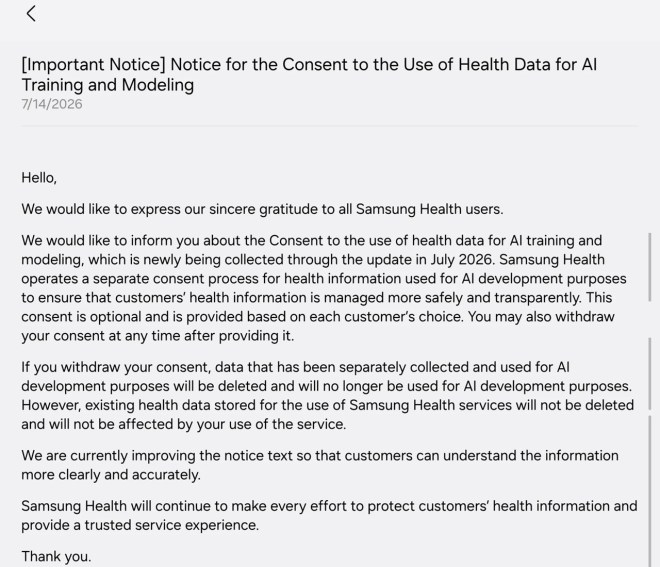
The original notice inside Samsung Health asked users to consent to the use of their data for AI training and modeling and warned that withdrawing consent would lead to deletion of health data and loss of sync with their Samsung account. Read plainly, that sounds like a penalty for opting out of AI data training, not an optional setting for wearable data consent. According to GSMArena, Samsung later clarified in-app that data collected for AI development is separate from health data used to provide everyday Samsung Health services. Withdraw consent, and only the AI training pool is wiped; the regular data remains untouched and continues syncing. SamMobile’s reporting reinforces this, noting that cloud sync is not disabled when users opt out. The problem is that this clearer story arrived after fan backlash, which means Samsung let confusion take the lead instead of precise communication.
The Backlash Arrived at the Worst Possible Moment
Timing turned a clumsy notice into a reputational headache. As TechAdvisor points out, the consent prompt surfaced in the run-up to Samsung’s Unpacked event, where the Galaxy Watch 9 and Galaxy Watch Ultra 2 are expected to be the stars. That pre-launch window is exactly when enthusiasts scrutinize every change, especially anything touching Samsung Health privacy and health data opt-out choices. Instead of building excitement for new hardware and features, Samsung found itself explaining that an “optional” AI consent was genuinely optional and did not kill sync. In the AI-heavy climate of Galaxy AI, Gemini and Siri AI, users are primed to assume that anything labelled “AI data training” hides aggressive data grabs. Dropping a poorly worded warning in the middle of that environment was a self-inflicted wound, and the need for a rapid official statement shows Samsung misjudged how sensitive this topic has become.

Wearables, AI, and the Rising Stakes of Health Data Opt-Out
Samsung’s stumble reflects a bigger tension in wearables: companies want richer AI models, while users want clear, respectful limits on wearable data consent. TechAdvisor notes how Fitbit’s Air device leans on an AI-driven Google Health Coach, illustrating the trend toward conversational analysis of intimate health metrics. That direction makes transparency non‑negotiable. If brands treat opt-outs as obscure fine print or imply feature loss for refusing AI data training, they risk turning powerful tools into sources of mistrust. Health data is not the same as browsing history; it carries emotional weight, and people expect control without punishment. Samsung’s updated explanation—optional consent, separate AI pool, deletion upon withdrawal—is closer to what responsible design looks like, but the episode shows that the message must be as prominent as the AI features themselves. Privacy cannot be bolted on after a backlash; it has to be built into every prompt.
What This Incident Should Teach the Wearable Industry
Samsung has now said the right things—that AI training data is separated, that consent is optional, that service data is preserved—but the damage from the initial notice should be a warning to every wearable brand. When you ask people to share health information for AI data training, you must explain in plain language what happens if they say yes, and exactly what happens if they say no. That means no vague threats about deletion, no insinuations that cloud sync depends on trading away more privacy, and no burying health data opt-out behind confusing screens. The lesson is simple: if companies want users to trust AI‑enhanced health services, they must treat consent dialogs as core product experiences, not legal afterthoughts. Samsung’s mishandled communication turned a routine update into a privacy backlash; the rest of the industry should take note and do better before their own fans revolt.