
MSI DDR5 CXMT Support: Why This Matters for High-End Builders
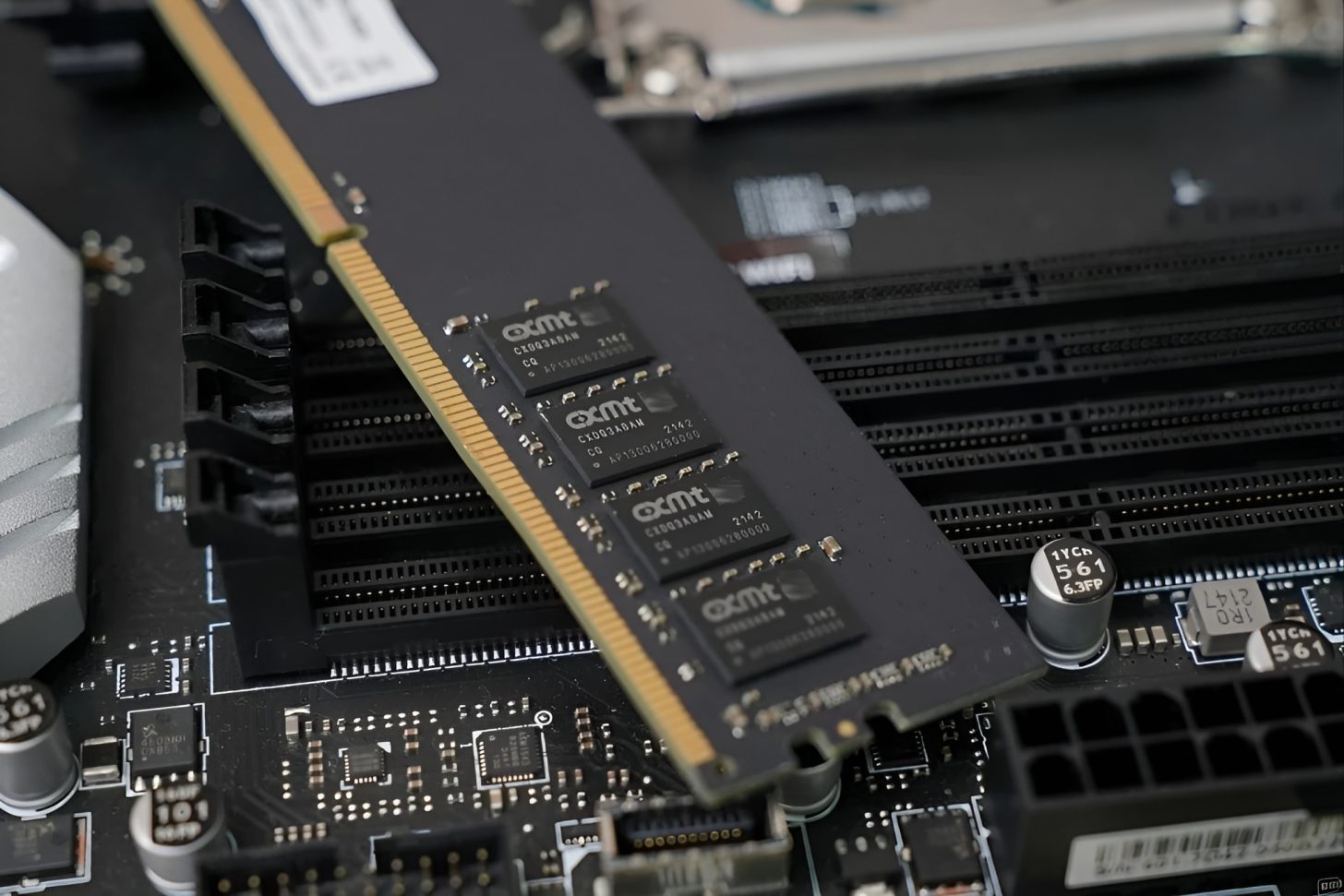
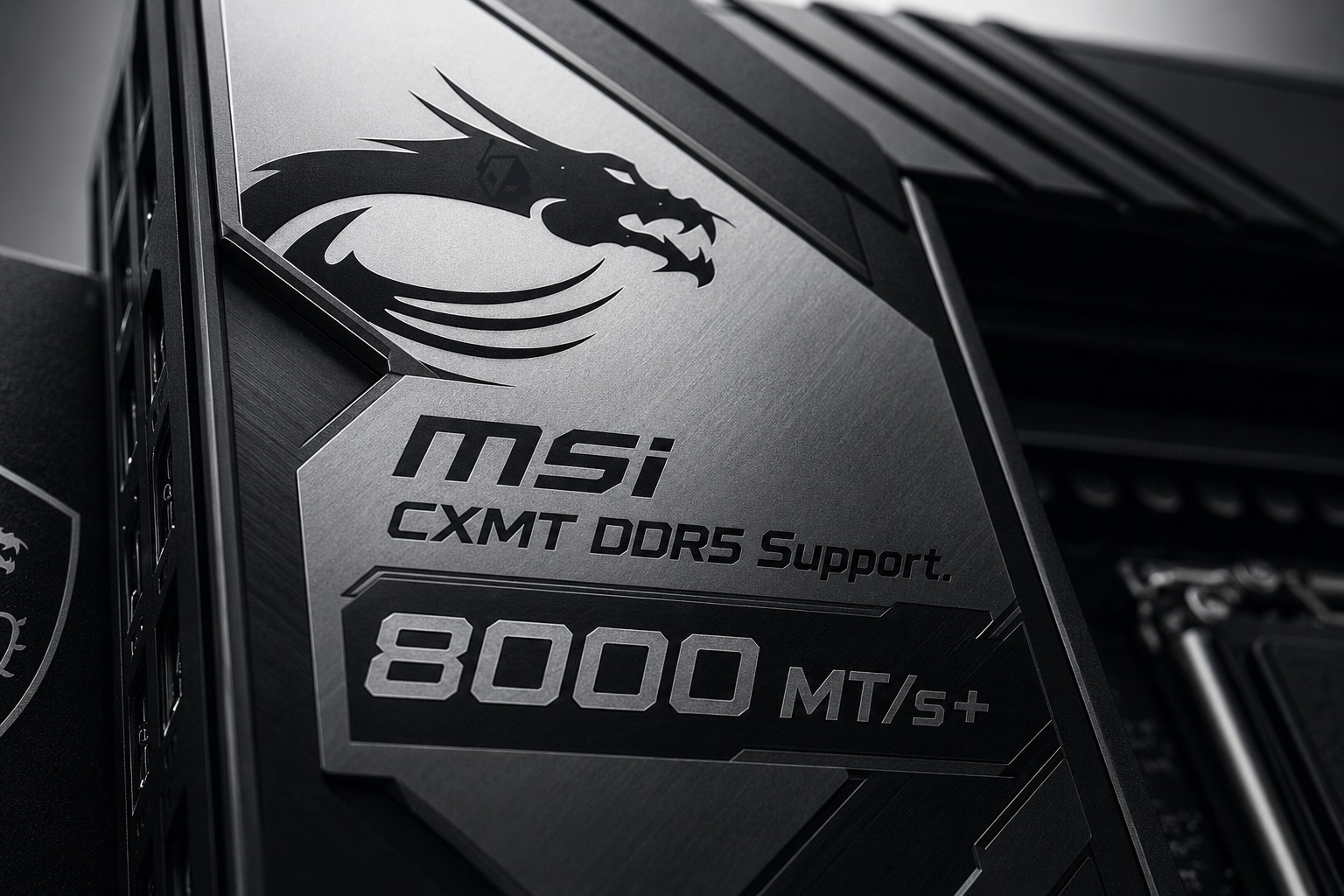
MSI DDR5 CXMT support refers to new BIOS optimizations across MSI’s Intel 800‑series and AMD AM5 motherboards that improve memory training, timings, and profile tuning so CXMT-based DDR5 kits can reach and sustain 8000+ MT/s speeds with validated stability on mainstream and overclocking platforms. This is not a minor firmware tweak; it is a deliberate move to turn CXMT into a viable high-speed choice instead of a budget wildcard. MSI has announced new BIOS optimizations for its Intel 800‑series boards that significantly improve support for CXMT DDR5 modules, enabling "fully-optimized" operation over 8000 MT/s on high-end platforms. Combined with earlier AM5 work, the message is clear: MSI wants CXMT to behave like any other performance memory option, not a compatibility gamble.
Intel Z890 Memory Optimization: From 6800 MT/s Ceiling to 8600 MT/s Reality
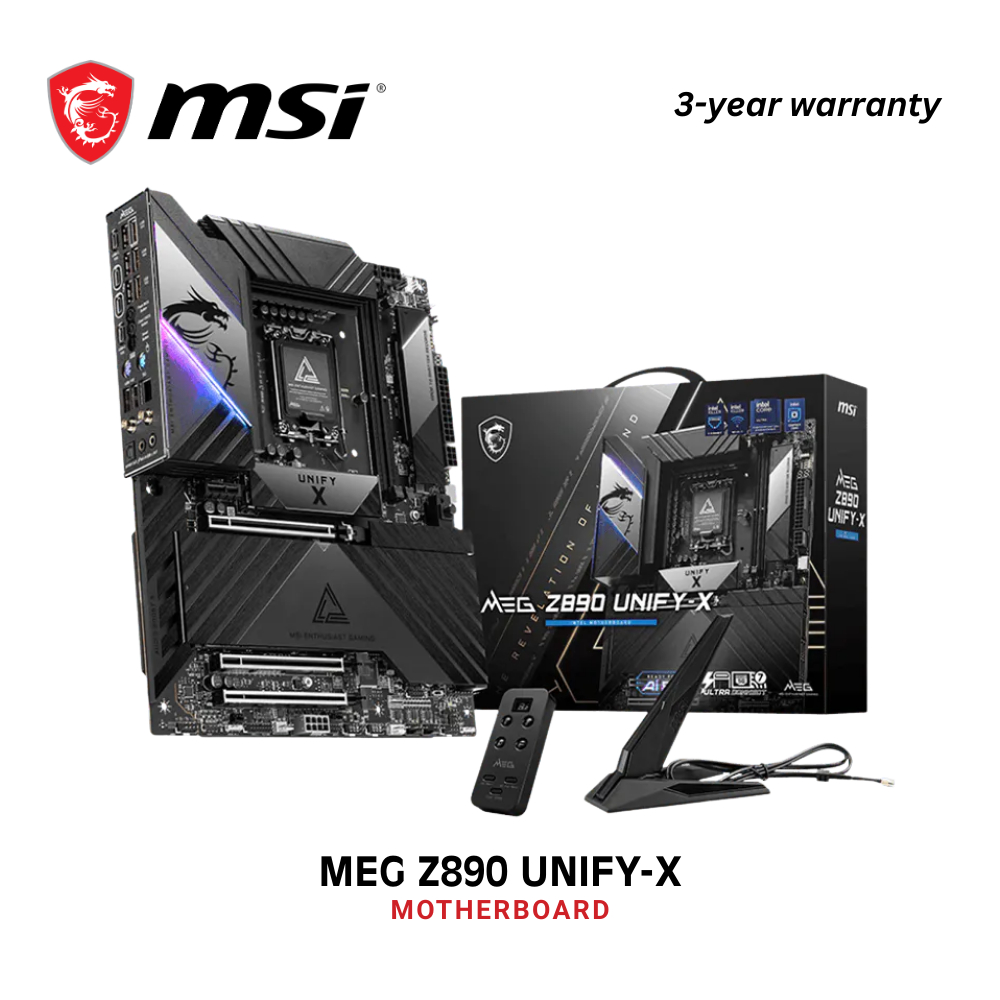
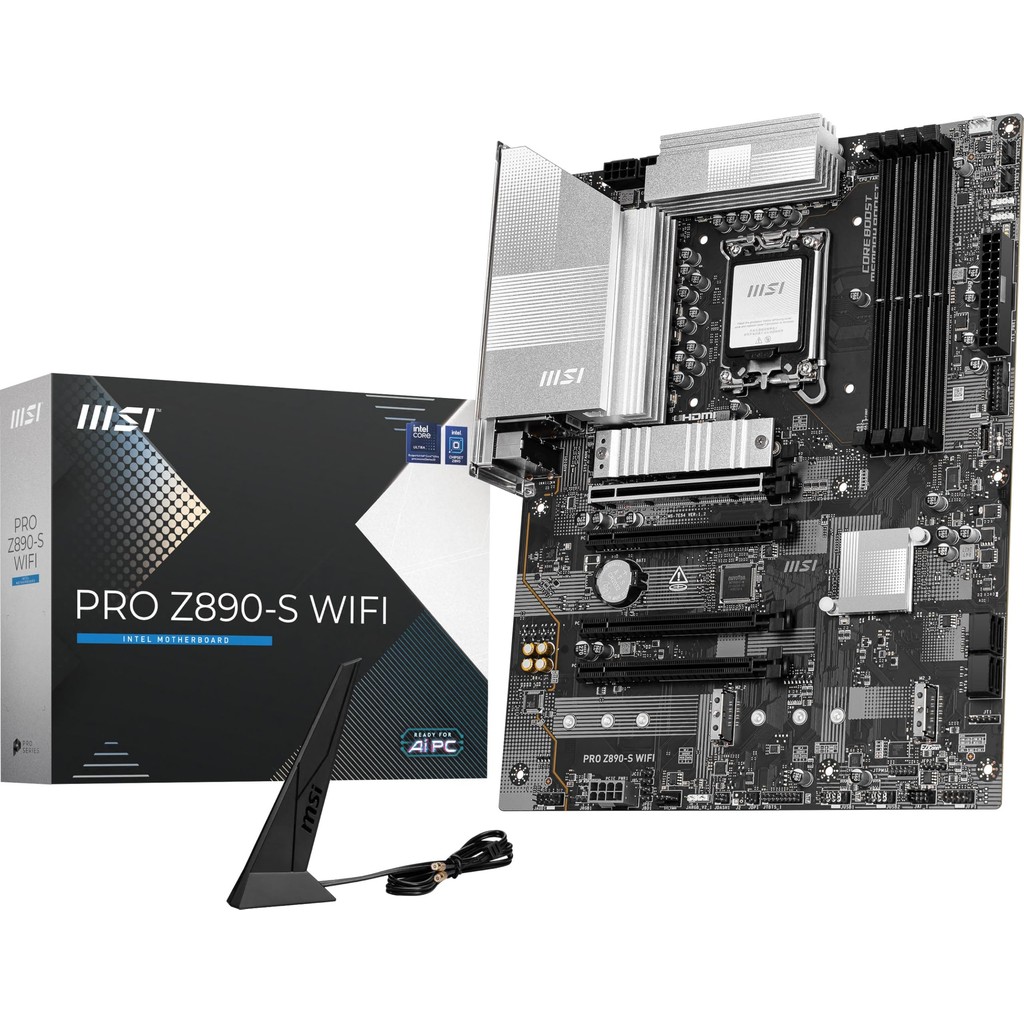
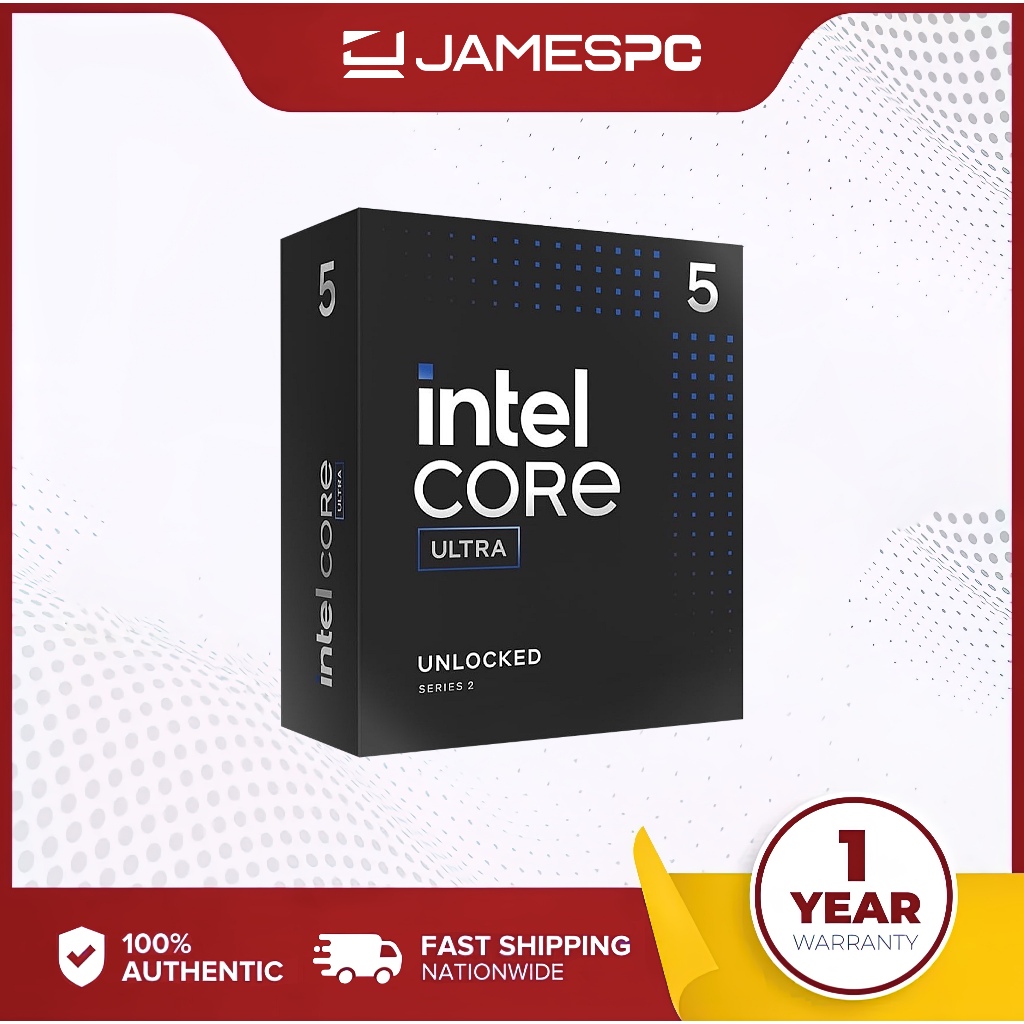
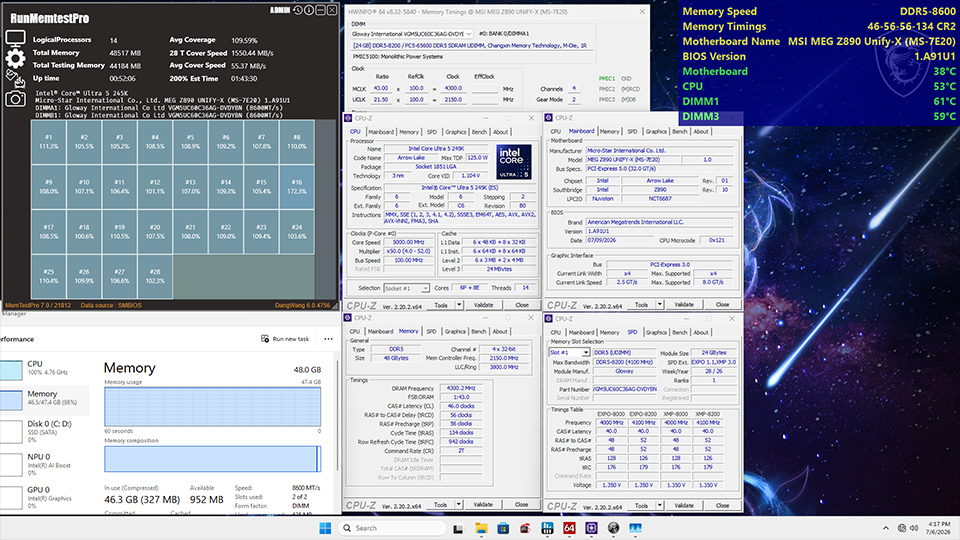
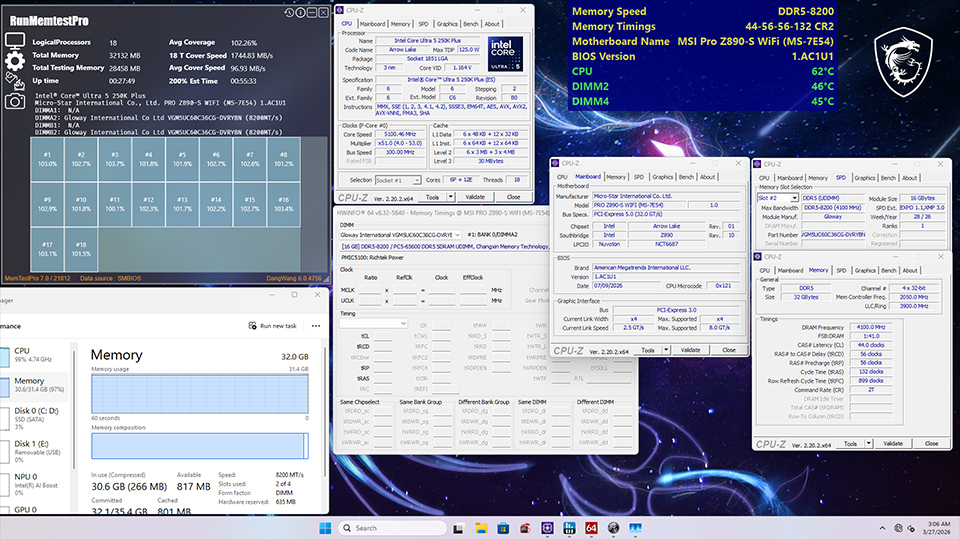
On Intel Z890, MSI’s work turns CXMT DDR5 from an overclocking project into a repeatable configuration. For years, CXMT DDR5 tended to stall around DDR5‑6800, regardless of module marketing, because motherboard firmware could not train these ICs reliably at extreme frequencies. MSI attacked that bottleneck directly with revised initialization routines and CXMT‑specific timing logic. The payoff: the MEG Z890 UNIFY‑X, a two‑DIMM overclocking board, has been validated at DDR5‑8600 using two 24 GB CXMT modules and an Intel Core Ultra 5 245K, running 46‑56‑56‑134 timings and passing MemTest beyond 100% coverage. The more mainstream PRO Z890‑S WIFI, with a four‑DIMM layout, was validated at DDR5‑8200 using two 16 GB CXMT modules at 44‑56‑56‑132 timings, again with MemTest coverage exceeding 100%. High-speed memory stability is no longer reserved for elite binning; it is baked into the BIOS.
| Motherboard | DIMM Layout | CXMT DDR5 Frequency | Timings | Validation |
|---|---|---|---|---|
| MEG Z890 UNIFY‑X | 2 DIMMs | DDR5‑8600 MT/s | 46‑56‑56‑134 | MemTest >100% coverage |
| PRO Z890‑S WIFI | 4 DIMMs | DDR5‑8200 MT/s | 44‑56‑56‑132 | MemTest >100% coverage |
CXMT: From Low-Cost Alternative to High-Speed Contender
CXMT has been pigeonholed as "cheap DDR5"—a cost‑effective alternative to mainstream brands favored for its competitive pricing rather than peak performance. That perception is now outdated. According to MSI, "for long, CXMT’s DDR5 memory has been stuck at DDR5‑6800 speeds, and now, motherboard vendors such as MSI are unlocking more speeds, offering users better compatibility and faster performance." The real story is not that CXMT suddenly became faster; it is that motherboard vendors are finally treating these ICs as a first‑class citizen in their memory optimization efforts. By tailoring training behavior to CXMT’s characteristics, MSI reduces the usual guessing game of voltages and secondary timings that used to scare off enthusiasts. For builders, this means high-speed DDR5 support at 8000+ MT/s is no longer synonymous with paying for premium brands. CXMT becomes a realistic option for performance rigs that still watch the budget.
AMD Platforms and Memory Try It: Ecosystem-Level Stability
The most important part of MSI’s DDR5 CXMT support is that it spans platforms. MSI had already enabled CXMT DDR5 memory support on AM5 motherboards, using updated AGESA firmware to lift domestically produced memory well beyond earlier 6800 MT/s limits. The new Intel Z890 optimizations follow that work, giving both camps access to tuned CXMT profiles. This ecosystem view matters: builders can choose CXMT kits with confidence whether they prefer Intel LGA 1851 or AMD AM5. MSI plans to integrate all of this tuning into its MEMORY TRY IT / "Memory Try It" one‑click overclocking feature, so users can pick pre‑validated profiles instead of manually juggling frequency, voltage, and dozens of timings. MSI also states that additional high‑frequency profiles will be introduced over time as further validation is completed, for both Intel and AMD boards. Stable CXMT support moves from forum folklore into official firmware.
What High-End Builders Should Do Next
For high-end system builders, MSI’s Intel Z890 memory optimization for CXMT DDR5 changes how to approach RAM selection. Instead of dismissing CXMT as a budget gamble, it is now reasonable to view these modules as a way to reach DDR5‑8000+ with validated high-speed memory stability, provided you pair them with an updated MSI board. The MemTest results over 100% coverage on both UNIFY‑X and PRO Z890‑S WIFI show that this is more than a quick benchmark run; it holds under sustained load. Practically, the move reduces compatibility headaches: MSI aims to deliver consistent support for this expanding DDR5 segment and will keep adding higher‑frequency CXMT profiles across Intel and AMD platforms. The smart play for enthusiasts now is to factor BIOS support into buying decisions as heavily as memory branding. CXMT plus tuned MSI firmware is becoming a strategic way to build fast rigs without overspending on RAM labels.