
CXMT DDR5 Support Finally Grows Up
CXMT DDR5 memory support refers to motherboard firmware and BIOS tuning that enables ChangXin Memory Technologies–based DDR5 modules to run at high, stable frequencies, removing earlier caps around 6000 MT/s and allowing speeds beyond 8000 MT/s when paired with optimized Intel and AMD platforms. The big story is that CXMT is no longer a budget-only curiosity; it is becoming a genuine high-speed contender. MSI has announced new BIOS optimizations for its Intel 800‑series boards, aimed squarely at CXMT DDR5 modules. ASUS has released a Beta BIOS for multiple AMD 600 and 800‑series motherboards to enhance compatibility with CXMT chips. Together, these moves turn firmware from a bottleneck into an enabler and push CXMT into the mainstream of DDR5-8600 performance territory. That shift should influence how enthusiasts plan their next high-end build.
MSI Z890: DDR5-8600 Performance From a "Value" DRAM Player
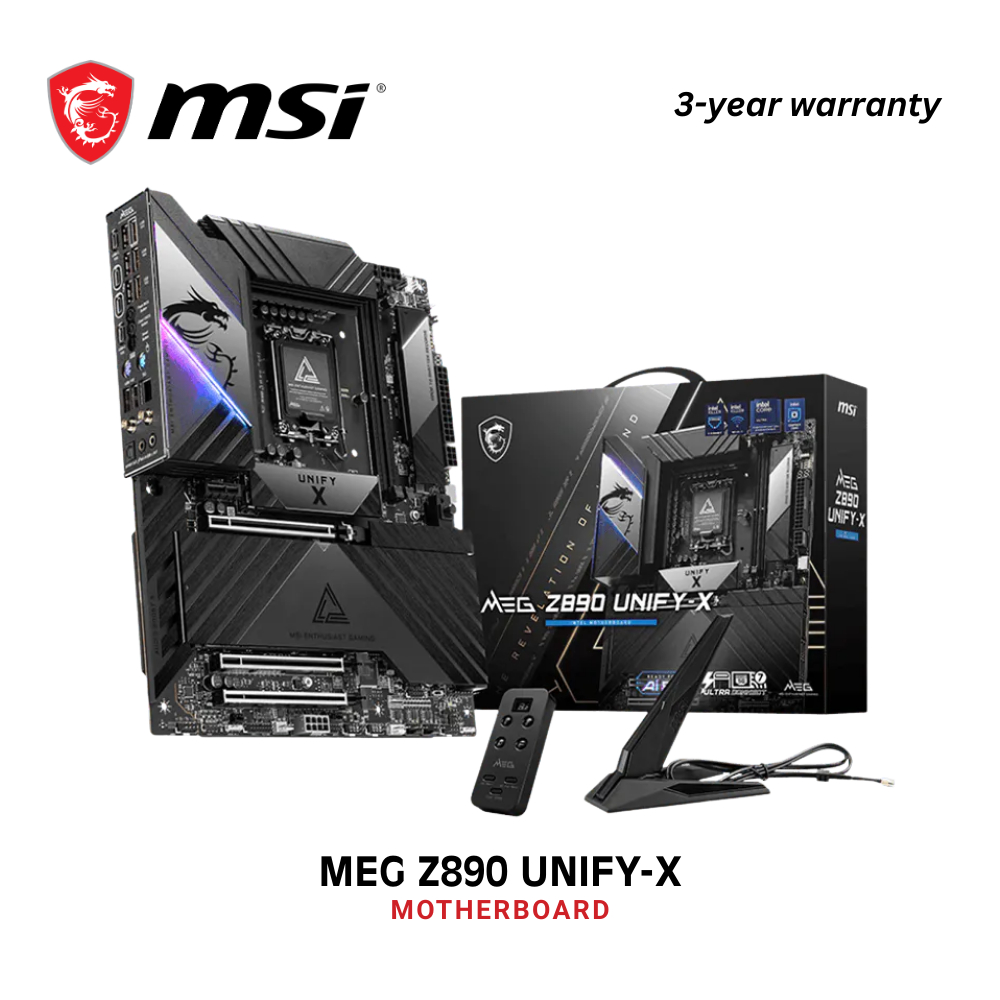
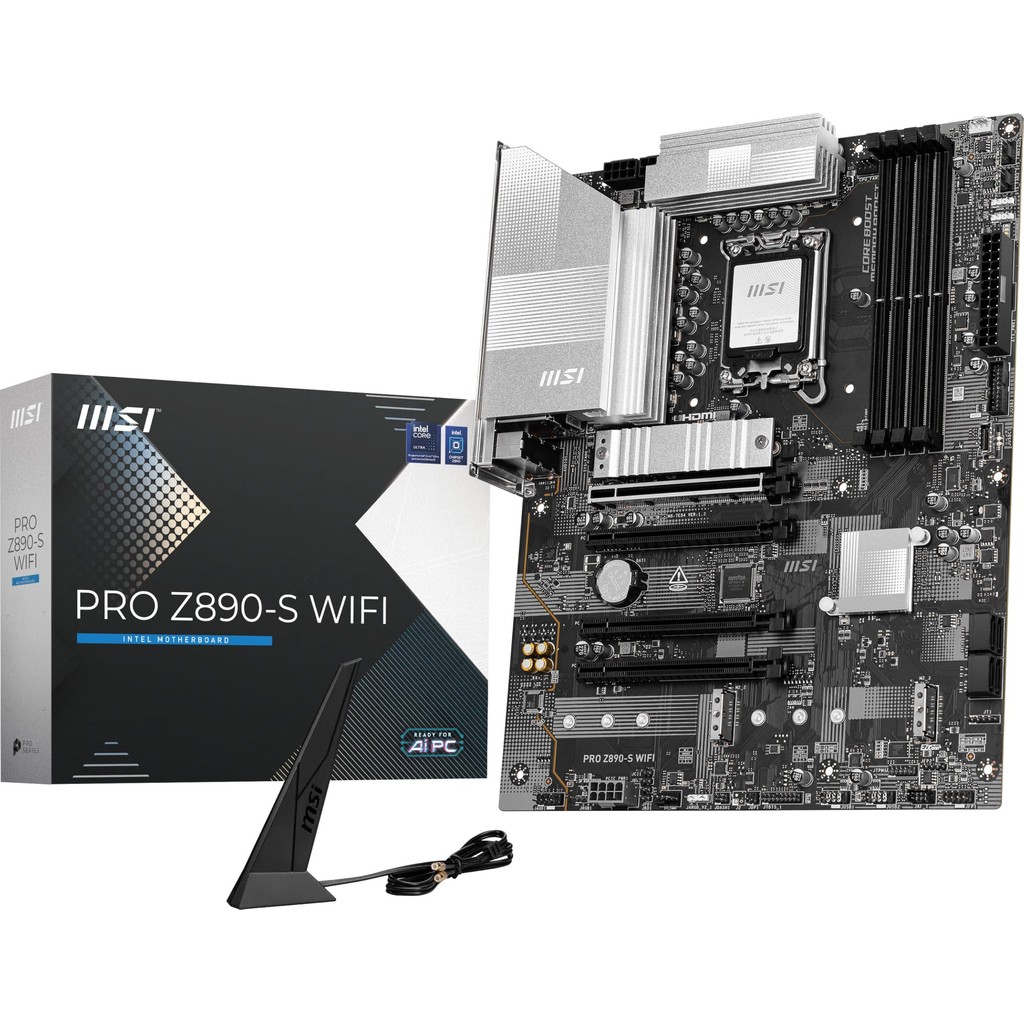
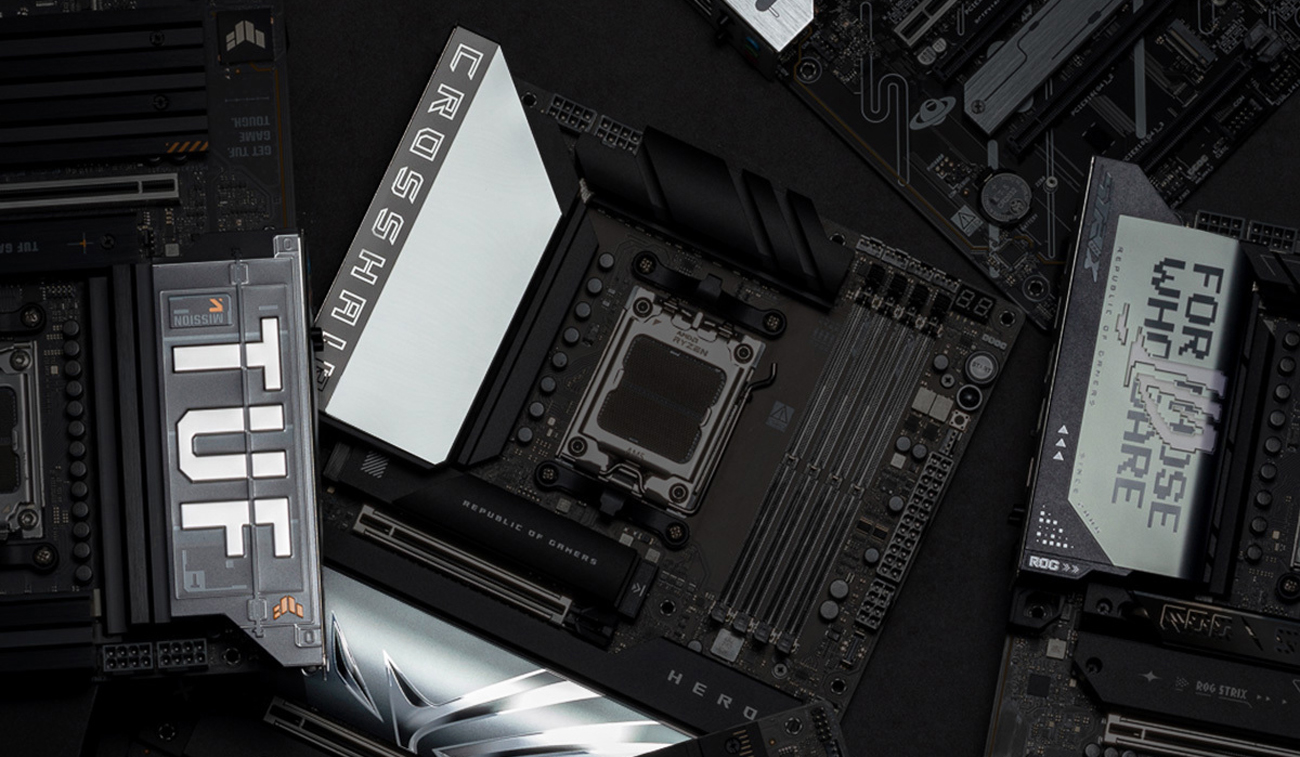
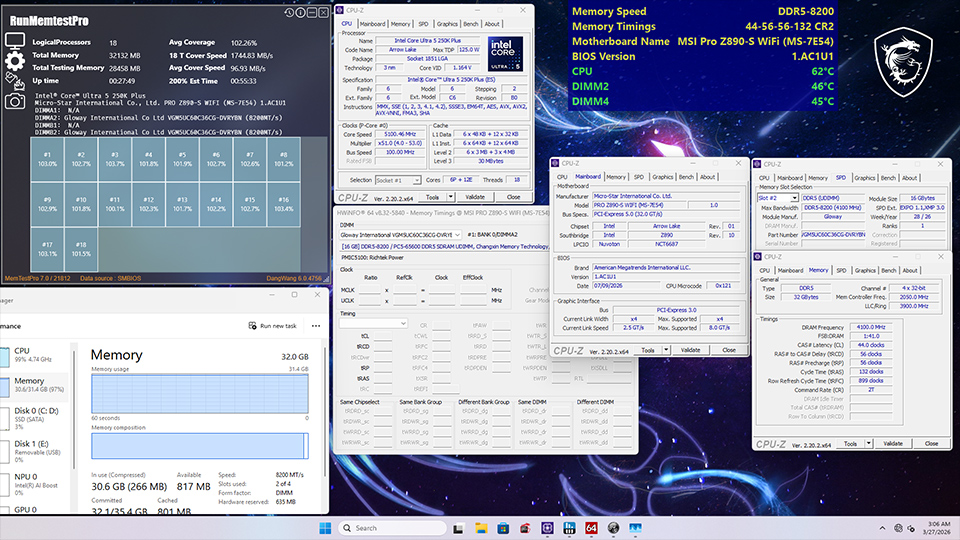
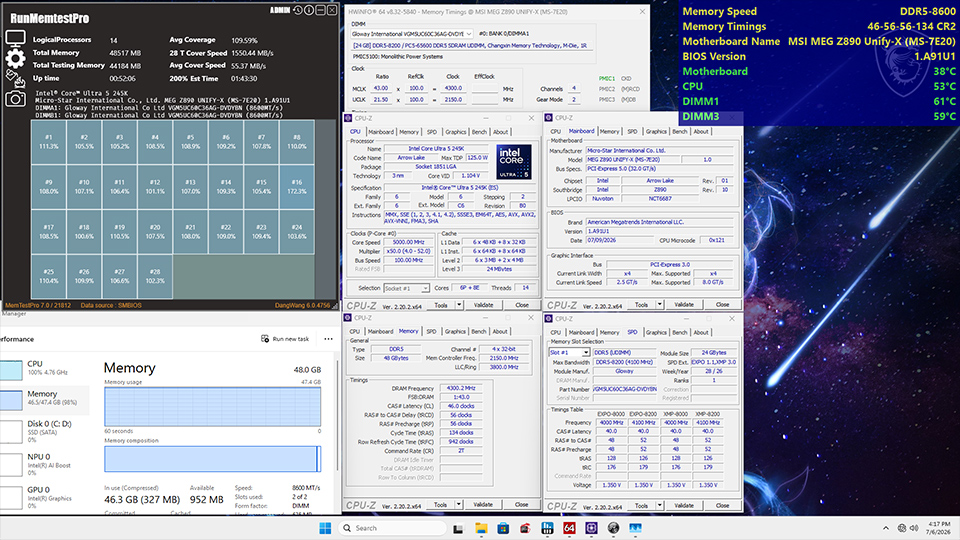
If you care about high-speed memory optimization, MSI’s latest Z890 BIOS update is the current reference point. MSI reports that its Intel 800‑series motherboards are now fully tuned for CXMT DDR5, with dedicated memory training routines and timing optimization tailored to these ICs. On the MEG Z890 UNIFY‑X, a two‑DIMM overclocking board, MSI validated DDR5‑8600 using an Intel Core Ultra 5 245K and two 24 GB CXMT modules at 46‑56‑56‑134, passing MemTest beyond 100% coverage. That is the kind of stability number enthusiasts normally associate with premium DRAM vendors, not the newcomer with a "strong value proposition." Even the PRO Z890‑S WIFI, a mainstream four‑DIMM platform, hits DDR5‑8200 with CXMT memory and the same level of validation. In short, CXMT no longer means "slow but cheap"; with the MSI Z890 BIOS update, it means "fast enough for serious overclocking".
ASUS on AMD: Beta BIOS Pushes CXMT Beyond 8000 MT/s
On the AMD side, ASUS has decided that CXMT deserves real engineering effort, not afterthought support. A new Beta BIOS for several X670 and X870 motherboards enhances compatibility with DDR5 modules based on CXMT chips, promising "enhanced memory performance, system stability, and compatibility with CXMT memory chips". That language is not marketing fluff; it reflects rapid developments where CXMT-based DDR5 once sat capped around 6000 MT/s but now can run comfortably beyond 8000 MT/s when vendors tune their platforms. ASUS has already pushed CXMT DDR5 to 8400 MT/s on a B850 board, proving that the silicon can keep up if the firmware stops holding it back. Combined with MSI’s earlier work breaking long‑standing CXMT ceilings on AMD boards, the takeaway is clear: high-speed CXMT support is no longer an Intel-only story, and AMD builders now have a credible alternative route to extreme DDR5 frequencies.

Why This Matters for PC Builders Planning a Memory Upgrade
The most important change is that CXMT memory offers a cost-effective alternative to traditional DRAM suppliers while no longer forcing you to accept lower frequency ceilings. Firmware used to be the limiting factor: CXMT modules gained popularity for competitive pricing, but their headroom lagged because motherboard BIOSes did not "understand" the ICs well. MSI and ASUS have addressed that directly through high-speed memory optimization, building dedicated training and timing code for CXMT chips. For builders, this means more flexibility when picking DDR5 kits, especially as CXMT’s wafer capacity approaches that of established players, which should make its DDR5 more widely available. You can now treat CXMT-based kits as viable high-speed options on both Intel and AMD, instead of a gamble that might stall at mid-range clocks.
Intel vs AMD: Platform Choices and What Comes Next
Both Intel and AMD platforms now have validated CXMT DDR5 support through manufacturer optimization, and that should influence platform choice more than brand loyalty. MSI states that optimizations are integrated into its MEMORY TRY IT feature, so users can select pre‑validated high-frequency profiles instead of manually tweaking dozens of timings; further profiles will appear as validation continues. ASUS’s Beta BIOS roll-out for X670 and X870 boards is global and focused on system stability and CXMT compatibility, and more models are expected to follow. Looking ahead, CXMT DDR5 memory modules should become much more readily available worldwide, and other vendors are expected to match these firmware efforts. The conclusion for high-end builders is straightforward: platform decisions can now assume strong CXMT DDR5 memory support as a given, not a future promise, making it easier to prioritize features and form factor instead of worrying about DRAM vendor lock-in.