
Pebble Time 2’s cracking screens show a gap between lab tests and real life
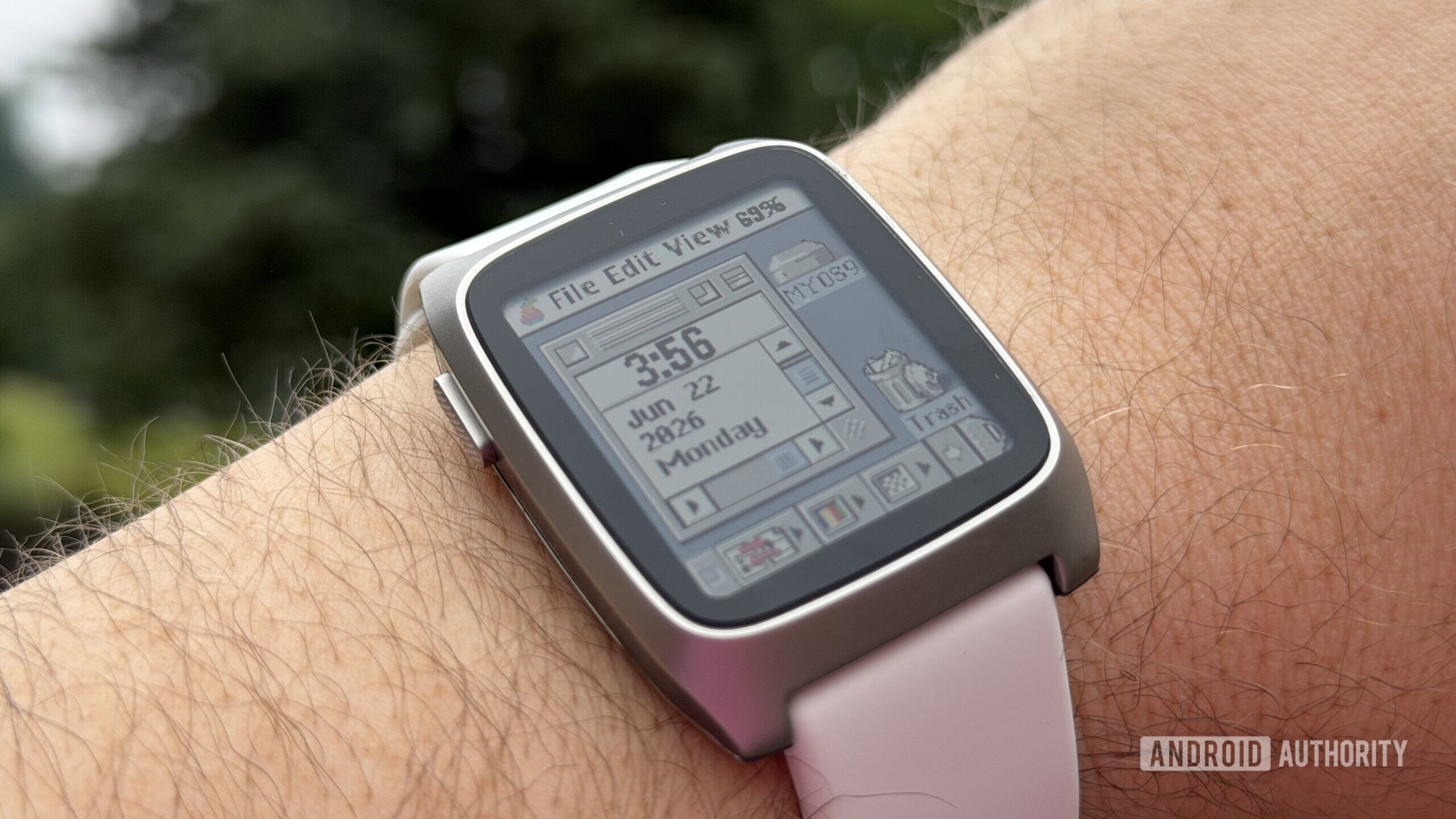
The Pebble Time 2 screen durability controversy refers to growing reports that the smartwatch’s display can crack during ordinary daily use, exposing a deeper mismatch between consumer expectations of wearables and the materials, testing standards, and warranty policies companies rely on to claim their devices are durable enough for life on the wrist. Over the past few days, Pebble Time 2 owners have flooded online forums with stories of displays cracking during basic movements, like reaching into a pocket or scratching a leg, rather than dramatic drops or impacts. This is not a fringe defect: some users say their watch face fractured while wearing a screen protector, or while slipping a hand into a pocket. That pattern turns one brand’s headache into a warning sign for the entire smartwatch industry.
Everyday cracks, premium price: why users feel misled
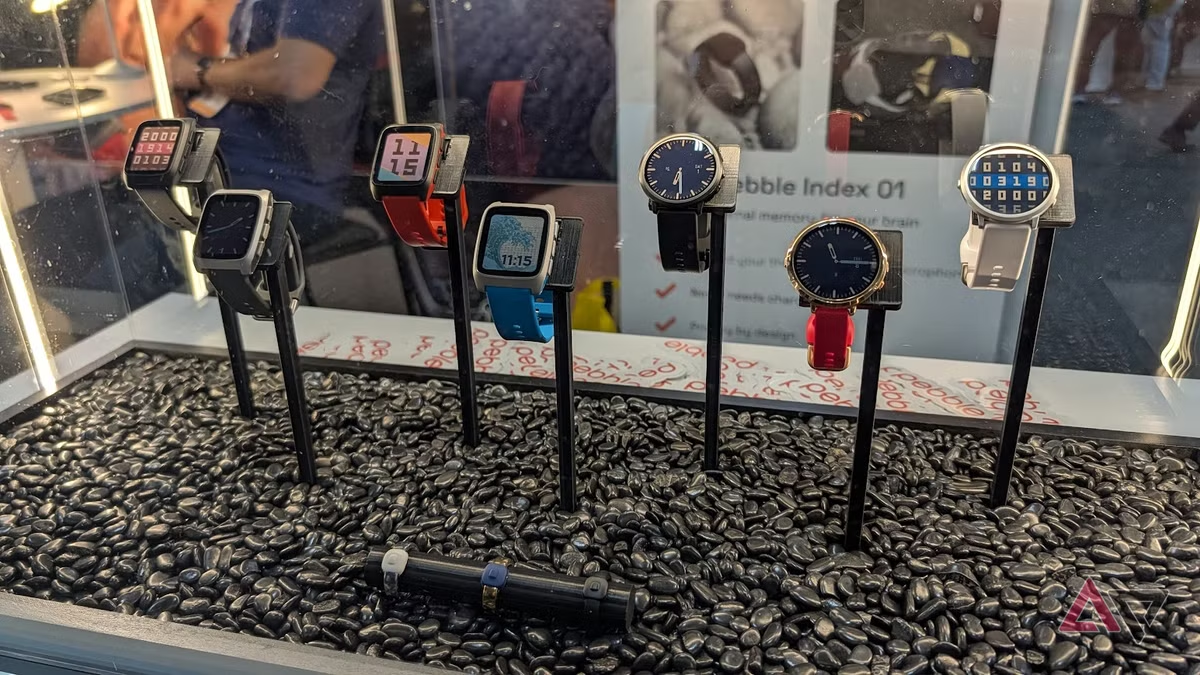
When a smartwatch screen shatters, we usually blame a hard fall, a slammed door, or a gym mishap. Pebble Time 2 cracking is different. Owners report that their displays broke after “everyday actions like reaching into a pocket or scratching a leg”, with no dramatic accident involved. One user described wearing the watch for around two months, scratching their leg in jeans, hearing a crack, and then finding the display fractured. Another claims the glass broke while slipping a hand into a pocket, and a third says it cracked even with a screen protector in place. At USD 225 (approx. ₱12,600), the Pebble Time 2 is not cheap, and pairing a premium price with a 30‑day warranty has left many owners feeling that the “life” this watch can handle is shorter and gentler than they were led to expect.
Pebble’s response: good customer care, troubling engineering questions
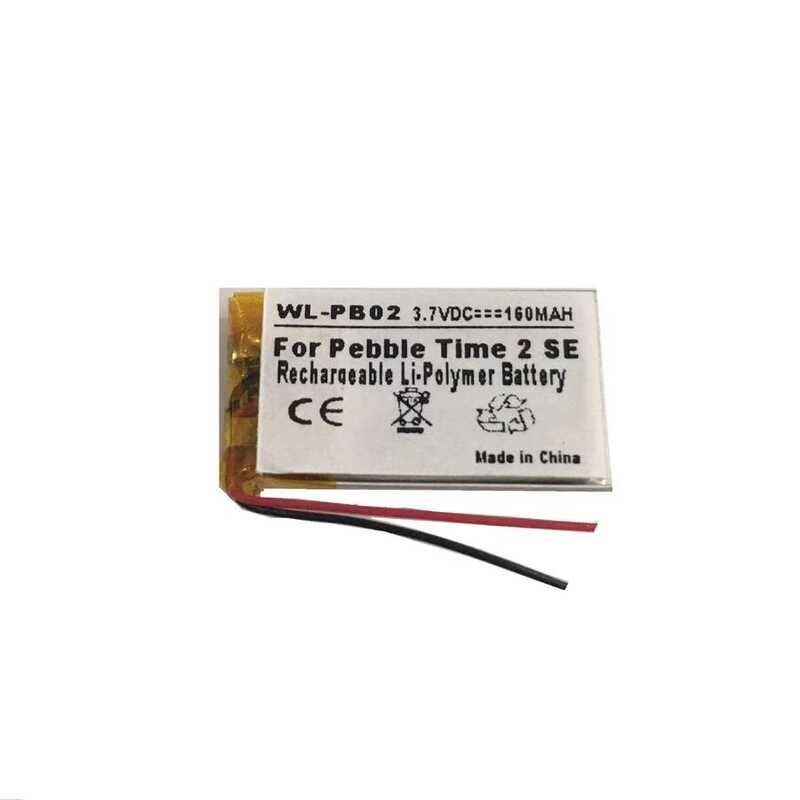
Pebble’s handling of the crisis has been refreshingly consumer‑friendly but quietly damning for the design. The company is now replacing units with cracked screens for free, including those outside the original 30‑day warranty. As Pebble explains it, the Time 2 underwent “rigorous testing” and the company has received only 51 reports of this issue, roughly 0.25% of the batch. That low percentage sounds reassuring, but it clashes with Reddit feeds filled with photos, anecdotes, and improvised bumpers. Meanwhile, an early teardown found what appears to be a quality‑control problem with a missing retaining clip on one of the watch’s buttons, and revealed that the battery is soldered directly to the motherboard. In other words: Pebble’s customer support is stepping up, but the underlying hardware choices raise doubts about long‑term wearable device reliability.
What this reveals about smartwatch screen durability standards
The Pebble Time 2 saga exposes how weak our shared definition of smartwatch screen durability is. A watch lives on the front lines of daily life: typing, driving, exercising, squeezing through crowded trains, brushing against clothing and bags. Minor knocks are not edge cases; they are the whole use case. If a display can crack during a leg scratch or pocket reach, that is a design failure, not “user error”. The fact that one user reports a crack despite using a screen protector shows how limited those accessories can be when the underlying glass or assembly is fragile. Some owners have rushed to order screen protectors and even make custom bumpers to protect the watch, but that is a band‑aid over a deeper issue: lab tests and marketing copy still underestimate how hostile the real world is to wearables.
How buyers should rethink ‘durable’ wearables—and how to protect them
For anyone thinking about a Pebble Time 2, the lesson is less about one model and more about how to judge wearable device reliability. A short 30‑day warranty on a USD 225 (approx. ₱12,600) smartwatch is a red flag. A teardown that finds missing clips and a soldered‑in battery should make you question long‑term serviceability. And when early buyers report screens cracking during routine movements, you should pay attention before you order. At the same time, Pebble’s choice to replace cracked units even beyond the warranty shows that consumer pressure can force better support. If you already own one, use common screen protection tips—apply a protector, consider a bumper, avoid stuffing your watch hand into tight pockets—but do not confuse accessories with real durability. Until brands align their engineering with how people actually live, skepticism is your best defense.