
Snapdragon X2 Performance: What Has Changed?
Snapdragon X2 performance refers to how Qualcomm’s ARM-based Snapdragon X2 Elite and X2 Plus laptop processors behave in real-world tasks like gaming, productivity, and everyday Windows use compared with traditional x86 chips from Intel and AMD, especially when running demanding games at 1080p resolutions under different quality presets.
The important shift is that Snapdragon X2 is no longer a science experiment; it is fast enough to be your main laptop processor. In Baldur’s Gate 3 at 1920x1080 Low, an Asus Zenbook A16 with a Snapdragon X2 Elite Extreme and Adreno X2-90 hits 60 fps. That is in the same ballpark as an Intel Arc-integrated Panther Lake system, which records 69.4 fps in the same test. Those are not synthetic bragging rights; they are frames you can feel. This puts Windows ARM gaming into credible territory rather than a future promise.
Windows ARM Gaming Meets x86 in Real Benchmarks
If you care about Windows ARM gaming, Baldur’s Gate 3 is a revealing stress test. At 1080p Low, the Intel Core Ultra X7 358H with Arc B390 iGPU reaches 69.4 fps, while the Snapdragon X2 Elite Extreme in the Asus Zenbook A16 follows with 60 fps. That is close enough that the difference matters less than your tolerance for slight dips and your display’s refresh rate.
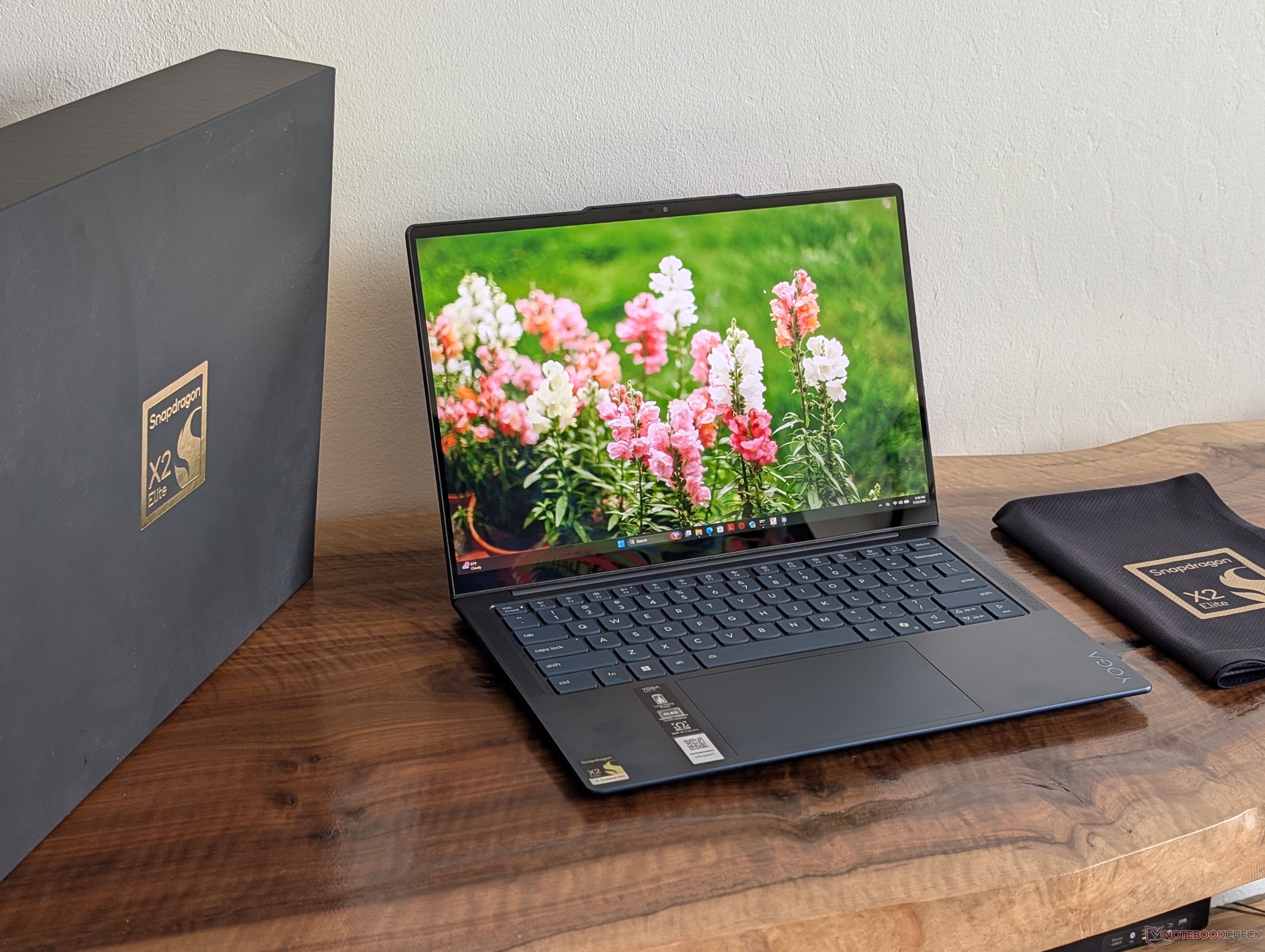
Across more Snapdragon X2E benchmarks, the story repeats. A Lenovo Yoga Slim 7 with Snapdragon X2 Elite manages 51.9 fps at 1080p Low, and an Asus Zenbook A14 hits 50.9 fps under the same conditions. According to one test suite, “Asus Zenbook A16 UX3607 … 60 fps … while Lenovo Yoga Slim 7 14Q8Y11 reaches 51.9 fps in Baldur’s Gate 3 at 1080p Low.” These are playable numbers, not tech demos, and they make ARM vs Intel laptop decisions far less one-sided for gamers.
Surface Laptop 8 and Pro 13: ARM for Serious Work
The clearest sign that Snapdragon X2 laptops are ready for real work is not a benchmark; it is their arrival in flagship productivity machines. A Microsoft Surface Pro 13 OLED with Snapdragon X2 Elite X2E-78-100 and Adreno X2-85 posts 39.4 fps at 1080p Low in Baldur’s Gate 3. The Surface Laptop 8 with Snapdragon X2 Plus X2P-64-100 and Adreno X2-45 still manages 34.2 fps.
These numbers will not impress competitive gamers, yet they send a clear message: an ARM-based business machine can handle modern titles at reasonable settings while still delivering enterprise features like Windows 11 Pro and privacy options. The fact that a Surface Laptop 8 can stay above 30 fps in such a demanding game means that day-to-day productivity, video calls, and browser-heavy workflows are a non-issue. You are no longer trading away responsiveness to gain battery life and silent operation.
Price Pressure from x86: Wildcat Lake and Panther Lake
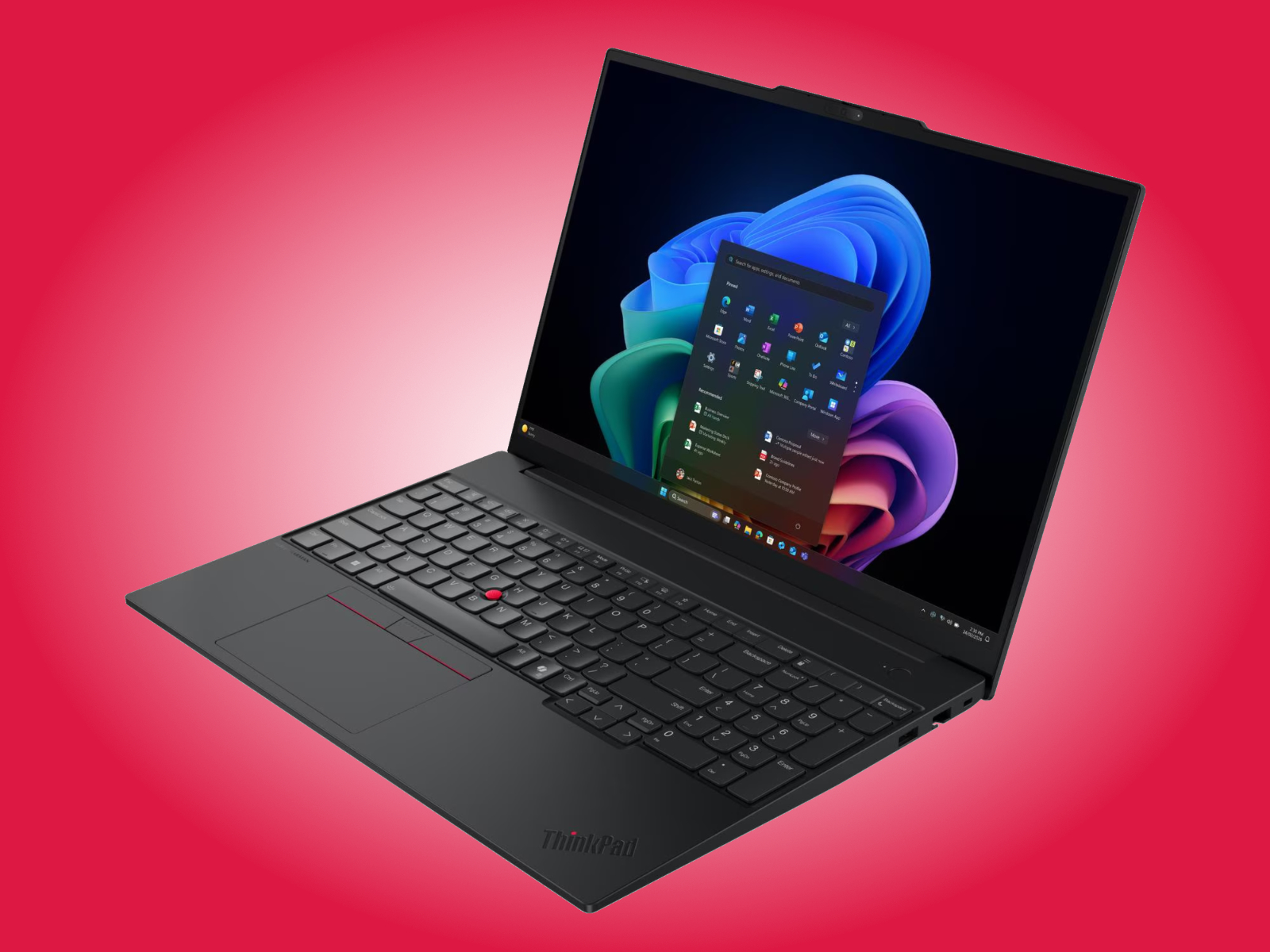
Performance parity is only half the story; pricing still shapes every laptop processor comparison. A ThinkPad E16 Gen 4 with AMD Ryzen AI 400 processors is listed at AUD 1,557. Intel Wildcat Lake versions start at AUD 1,456, or about USD 1,015 (approx. ₱60,000). The same hardware line offers Wildcat Lake configurations at HKD 8,760 and SGD 2,112 (about USD 1,636, approx. ₱96,000).
The kicker is that Intel Panther Lake counterparts in that range cost at least AUD 2,015, or around USD 1,405 (approx. ₱83,000). In other words, buyers weighing ARM vs Intel laptop choices see ARM-based Snapdragon X2 systems arriving as x86 prices climb. When Wildcat Lake is cheaper than Panther Lake in the same chassis, ARM laptops that approach or match gaming performance have a strong value story, even before you factor in potential battery gains.
Why Performance Parity Changes the Buying Equation
When Snapdragon X2E benchmarks show 50–60 fps in a heavyweight RPG at 1080p Low, the old assumption that ARM laptops are slow no longer holds. Windows ARM gaming is now feasible on thin-and-light machines, and Surface-class devices can run demanding workloads while staying fanless or quiet. At the same time, x86 laptops with Wildcat Lake and Panther Lake CPUs span a wide price range from AUD 1,456 to at least AUD 2,015, which widens the field for ARM competition.
The takeaway is simple: you no longer pick ARM only for battery life or novelty. With Snapdragon X2 performance pushing into x86 territory, buyers must weigh platform ecosystems, software support, and price bands instead of assuming that Intel or AMD are the default for power users. Ignoring ARM now is not cautious; it is leaving a credible option off the table.