
Mini PCs Grow Up: From Space-Savers to Compact AI Workstations
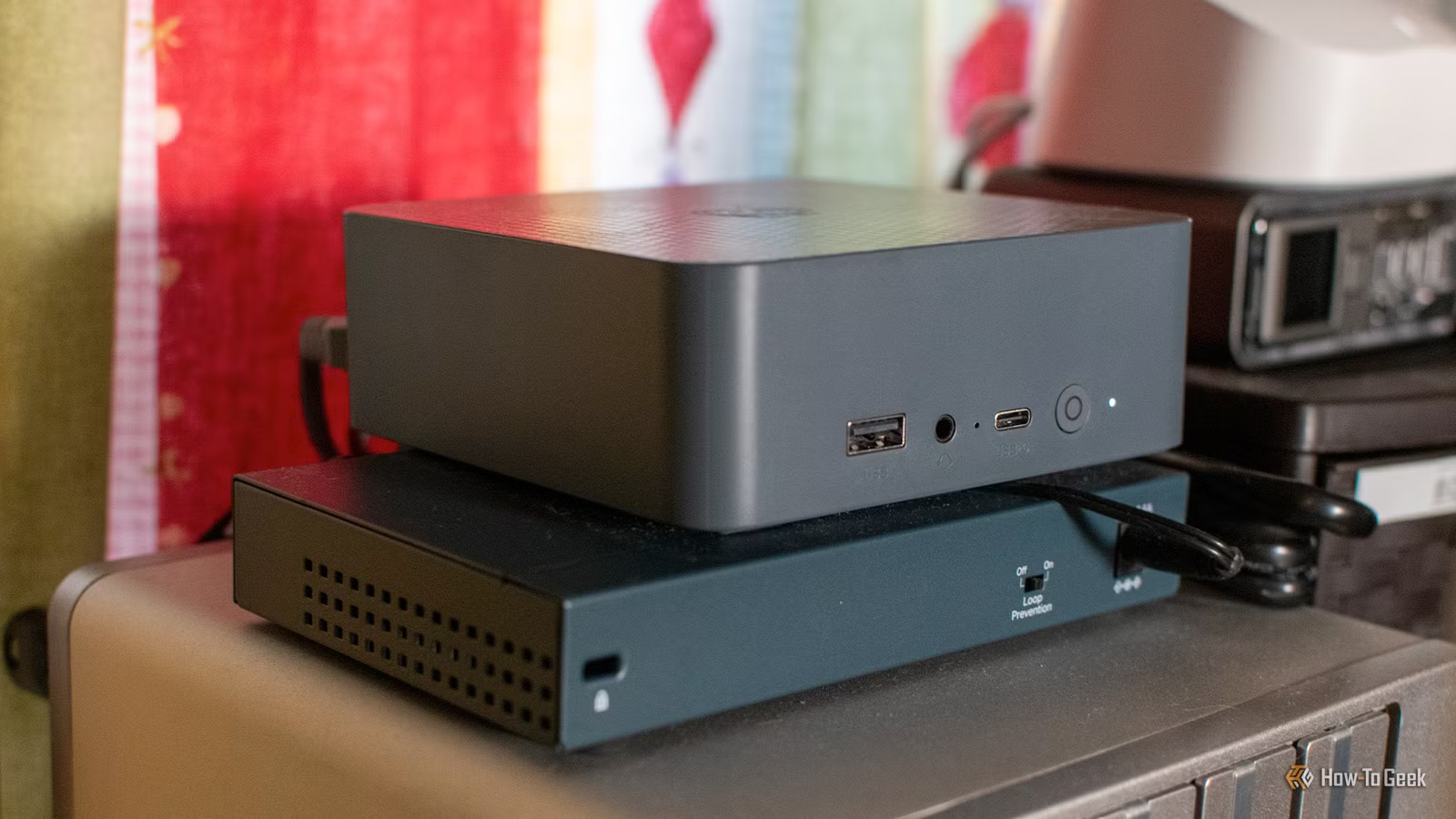
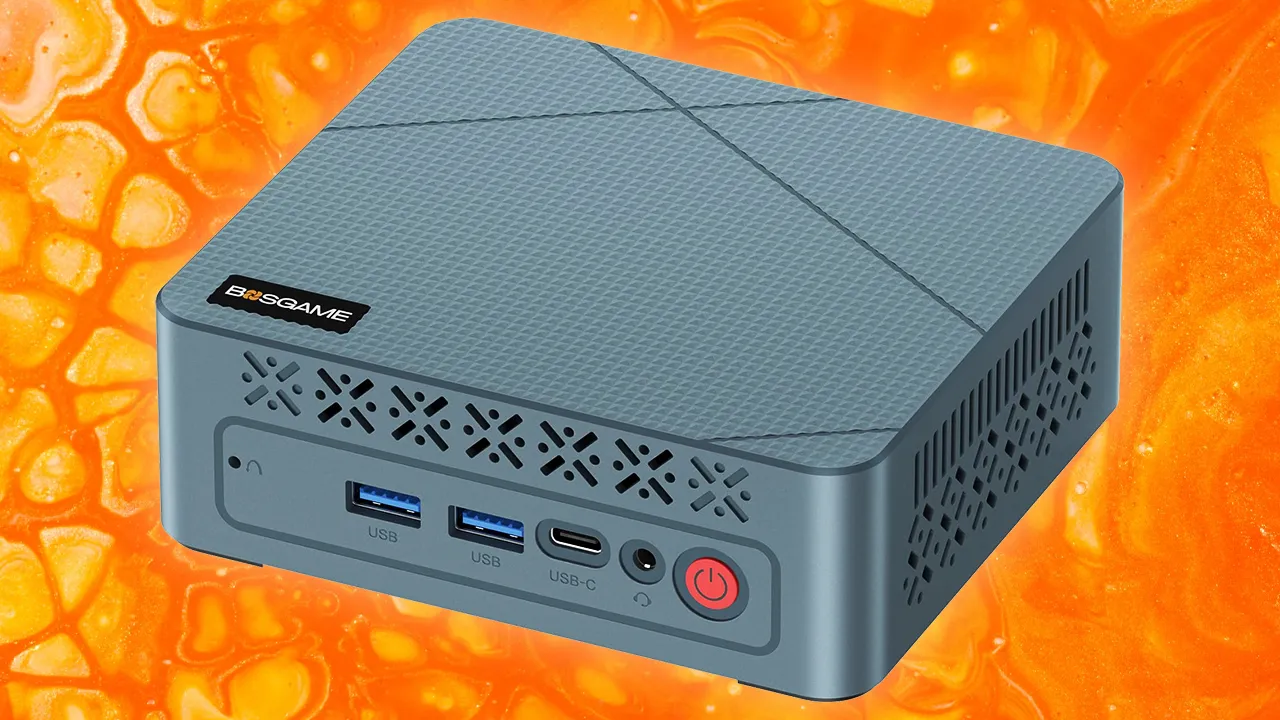
An enterprise mini PC with a dedicated AI processor is a compact workstation that combines modern CPUs, neural processing units, and high-speed memory and storage to run demanding AI workloads on the desk or behind a display, allowing businesses to deploy generative, analytical, and automation applications without relying on bulky towers or distant cloud servers. This shift matters more than a spec refresh: it is turning the mini PC from a cost-saving, space-saving accessory into a strategic AI node. The mini PC market is growing on the back of telework practices and pressure to use office space more effectively, and with AI processing added as a new value-add these systems are evolving into "compact AI workstations". In other words, enterprises can no longer dismiss mini PCs as underpowered boxes; they now risk underestimating a new class of AI-capable edge machines.
Ryzen AI Processor Mini PCs: ASUS ExpertCenter PN55 Raises the Bar
If you still equate mini PCs with basic office tasks, the ASUS ExpertCenter PN55 breaks that idea. This AI processor mini PC is built around AMD Ryzen AI 400 Series processors, with configurations up to a Ryzen AI 9 HX 470 and an XDNA2 NPU delivering up to 55 TOPS of on-device AI performance. Those numbers are not marketing fluff; they are a clear statement that generative workloads now belong on the edge. The PN55 is designed for modern offices, prosumers, and retail environments where AI-accelerated productivity and content creation need to fit in tight spaces. Instead of pushing every request to the cloud, its NPU handles Copilot+ experiences—such as Live Captions, Cocreator, and Recall—locally. That means less latency, better privacy, and fewer excuses for not rolling out AI features to front-line staff.
Core Ultra Mini PCs: ExpertCenter PB64 Targets Demanding Enterprise Workflows
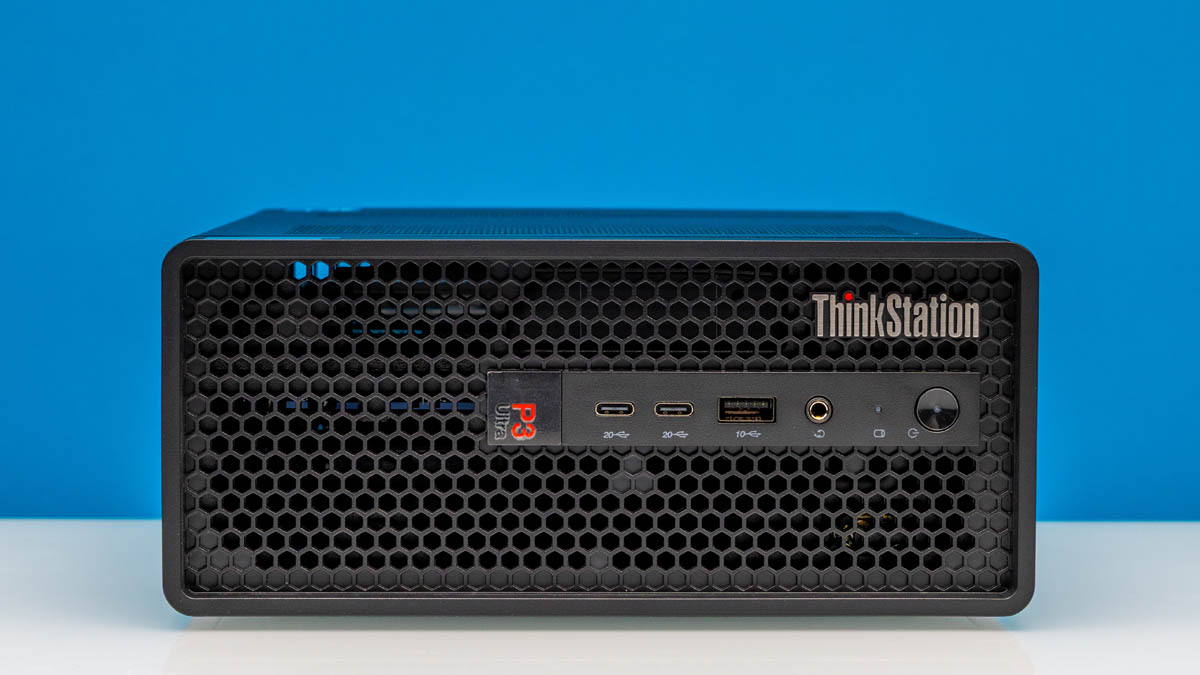
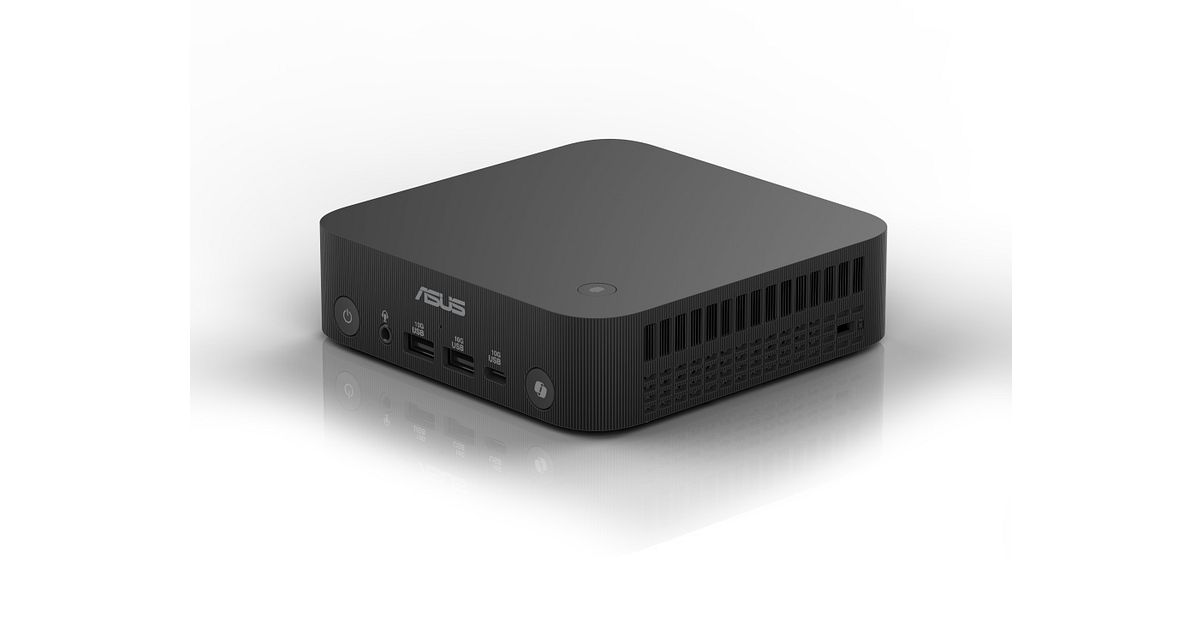
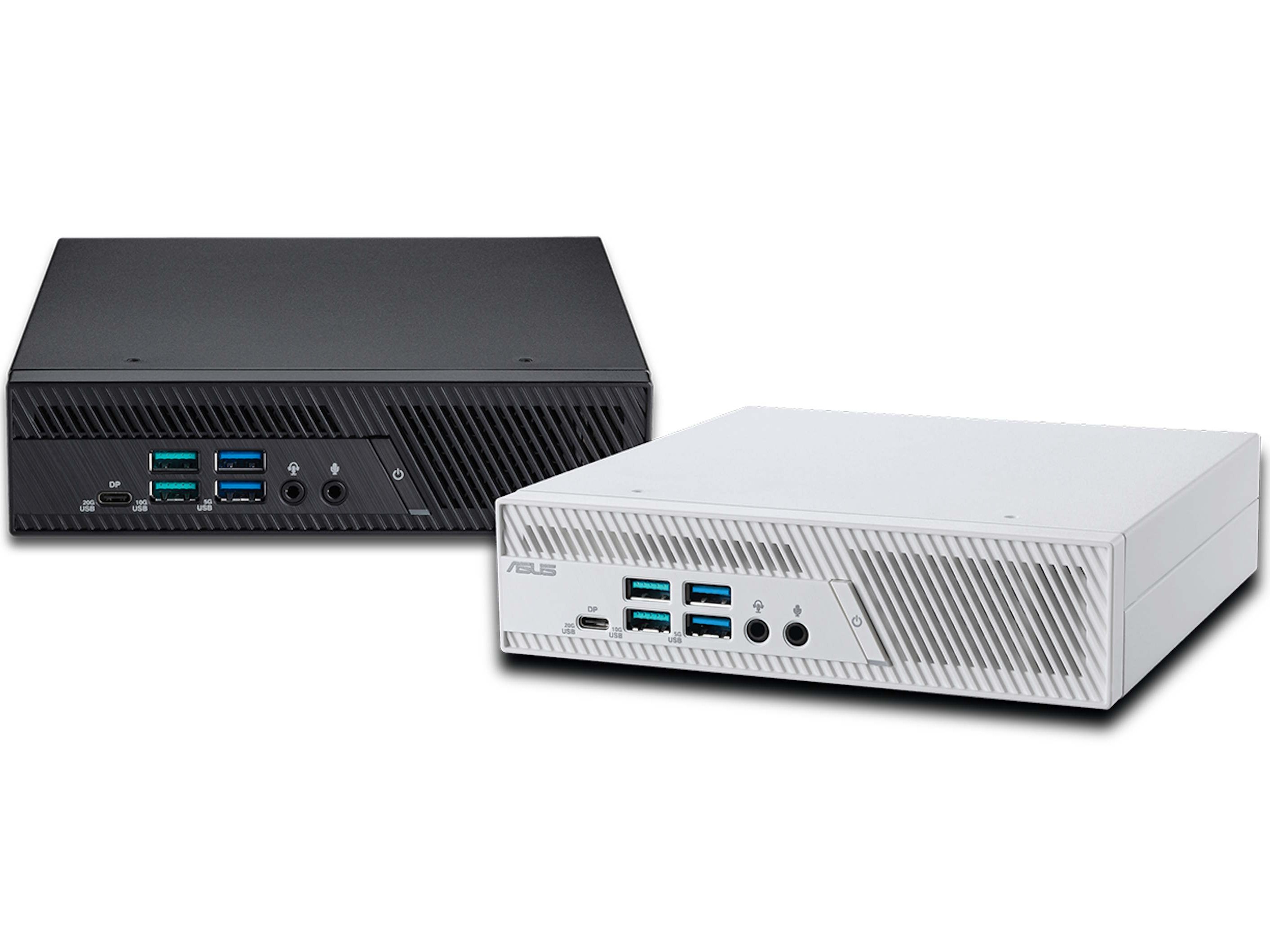
On the Intel side, the ASUS ExpertCenter PB64 shows why a Core Ultra mini PC belongs in serious enterprise planning. Buyers can choose processors up to the Intel Core Ultra 7 265, and unlike many compact systems, this model supports up to 64 GB of DDR5 RAM via two slots. It is also prepared for data-heavy work with support for up to two M.2 2280 SSDs, each with four PCIe lanes, plus a 2.5-inch SATA SSD or HDD up to 7 mm thick. The message is blunt: if your AI workload needs memory and fast disk, you no longer need a hulking tower. Optional ports—including a second 2.5GbE Ethernet, VGA, and COM—are targeted at specialized and industrial environments. That design makes the PB64 an enterprise mini PC that can sit behind a monitor yet still drive sensors, legacy gear, and multi-display dashboards.
Dedicated NPU Compact Designs: JWAWAKEN RE2-304 and the Edge AI Push
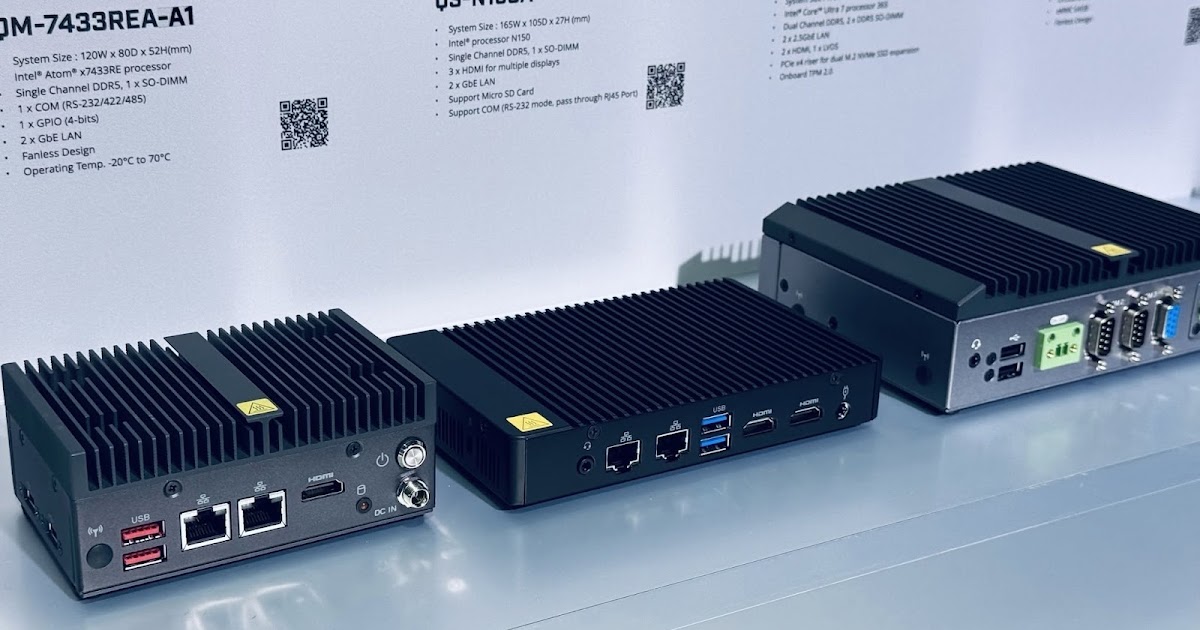
Dedicated NPUs now define the most interesting class of mini PCs. Links International’s JWAWAKEN RE2-304 pairs a Wildcat Lake-generation Intel Core 3 304 CPU with a dedicated NPU for AI processing. The NPU is not a gimmick; it is deliberately tasked with AI-related computation so the CPU can focus on other operations, reducing performance penalties for critical business apps. The main unit is extremely compact at 126×126×28 mm, yet it aims to be an AI workstation rather than a thin client. This approach taps into the rising demand for edge AI, where inference runs locally instead of in the cloud. Enterprises care about this for two blunt reasons: latency and privacy. Running AI in the same room as the data cuts response times and keeps sensitive information inside the corporate perimeter.
Why Enterprises Should Stop Ignoring AI-Ready Mini PCs
Taken together, these systems prove that compact form factors with advanced processors and dedicated NPUs now bridge the gap between space constraints and computational demands for AI-driven applications. Mini PCs used to be cheap ways to clear desk space; now they are credible AI processor mini PCs and "compact AI workstations" that can sit in meeting rooms, retail counters, labs, and factory floors. AI PCs also accelerate everyday tasks by automating repetitive work and saving time for users, which means the business case is not abstract—it shows up in fewer manual steps and faster decisions. With competition to add AI features intensifying and NPU-equipped mini PC lineups expected to expand alongside price competition, enterprises that delay experimentation risk ending up with legacy hardware in an AI-native world. The smart move now is to treat these mini PCs as strategic edge nodes and plan deployments around real workloads, not old assumptions about their limits.