
The Real Question in a Full Frame Mirrorless Comparison
A full frame mirrorless comparison for travel and landscape work is about how a camera renders color, focuses, stabilizes, and feels in the hand during long days, not how its spec sheet reads or how many megapixels it has. That is the lens through which the Canon R8, Nikon Z5 II, and Lumix S9 need to be judged. All three sit in the same travel photography cameras bracket, using 24‑megapixel sensors where sharpness is near identical, and the lenses often matter more than the silicon behind them. Yet in a landscape camera shootout across real streets and scenic views, they feel like three different tools. One leans toward flattering warmth, one toward dependable focus for any subject, and one towards video features that tempt anyone who edits. The choice is less about “best” and more about which strengths you will actually use.
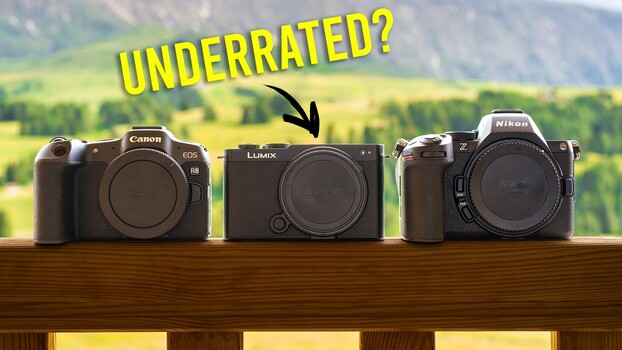
Canon R8: Color and Handling First, Specs Second
If you care about how your travel images look straight out of camera, the Canon R8 deserves to start this landscape camera shootout. In side‑by‑side tests, its files run warmest and most flattering, while a blind poll on color saw most viewers pick the Canon output over its rivals. That matters when you are shooting golden‑hour cityscapes or subtle pastel dawn horizons: less time wrangling color, more time composing. Equally important is how the camera feels; the R8 wins on tactile shooting experience, menus, and overall handling, which keeps it ending up in the bag despite rivals edging it elsewhere. As a travel photography camera it is shaped for everyday carry, helped by a lighter body and single card slot that signal its target user rather than its limitations. You give up in‑body stabilization, which forces you toward optically stabilized lenses like the RF 35mm f/1.8 or RF 24‑105, but for stills‑led landscape work that trade can be worth it.
Nikon Z5 II: Autofocus Champion and Quiet Value Play
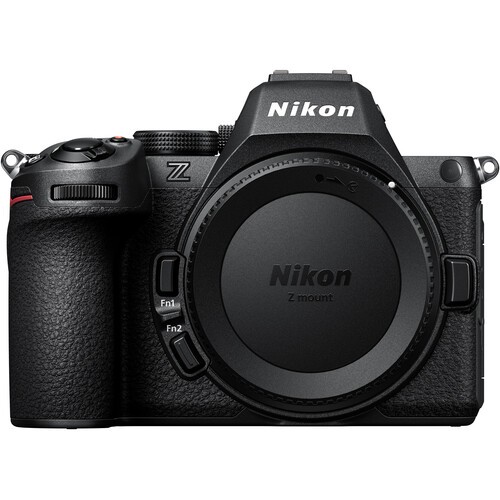
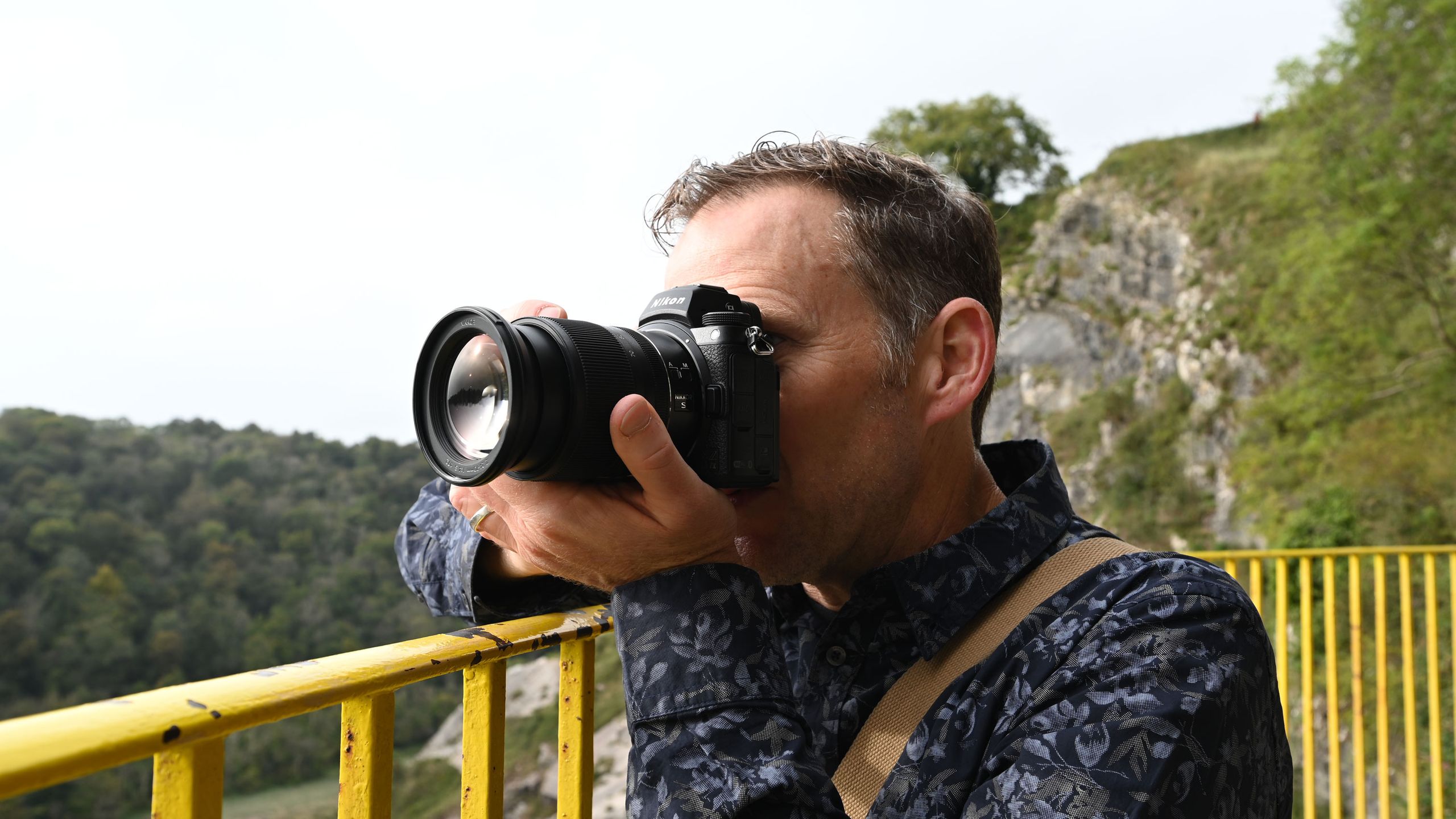
The Nikon Z5 II flips the script in this full frame mirrorless comparison: it is less about color romance and more about dependable performance when the scene won’t sit still. Autofocus is where it pulls ahead, with subject tracking described as remarkably sticky, keeping locked on even when a face turns away. For travel photography cameras that need to handle anything from street portraits to moving crowds, that reliability matters more than headline AF speeds. The color response leans toward heavy contrast and saturation with strong color separation, which some landscape shooters will like for punchy skies and defined midtones. The body, with dual card slots and a build trusted for event work, clearly sits in the “pro‑ready” camp. On price, the Z5 II lands around the same figure new as the R8, while still being called the best value full frame camera on the market right now. Used prices for similar Nikon full frame bodies, such as the Z7 II, show how this system can age favorably, with the Z7 II having fallen from USD 2999 (approx. ₱167,900) at launch to as little as USD 2196 (approx. ₱123,000) new and USD 1229 (approx. ₱68,800) used.
Lumix S9: Video Powerhouse with a Stabilization Asterisk
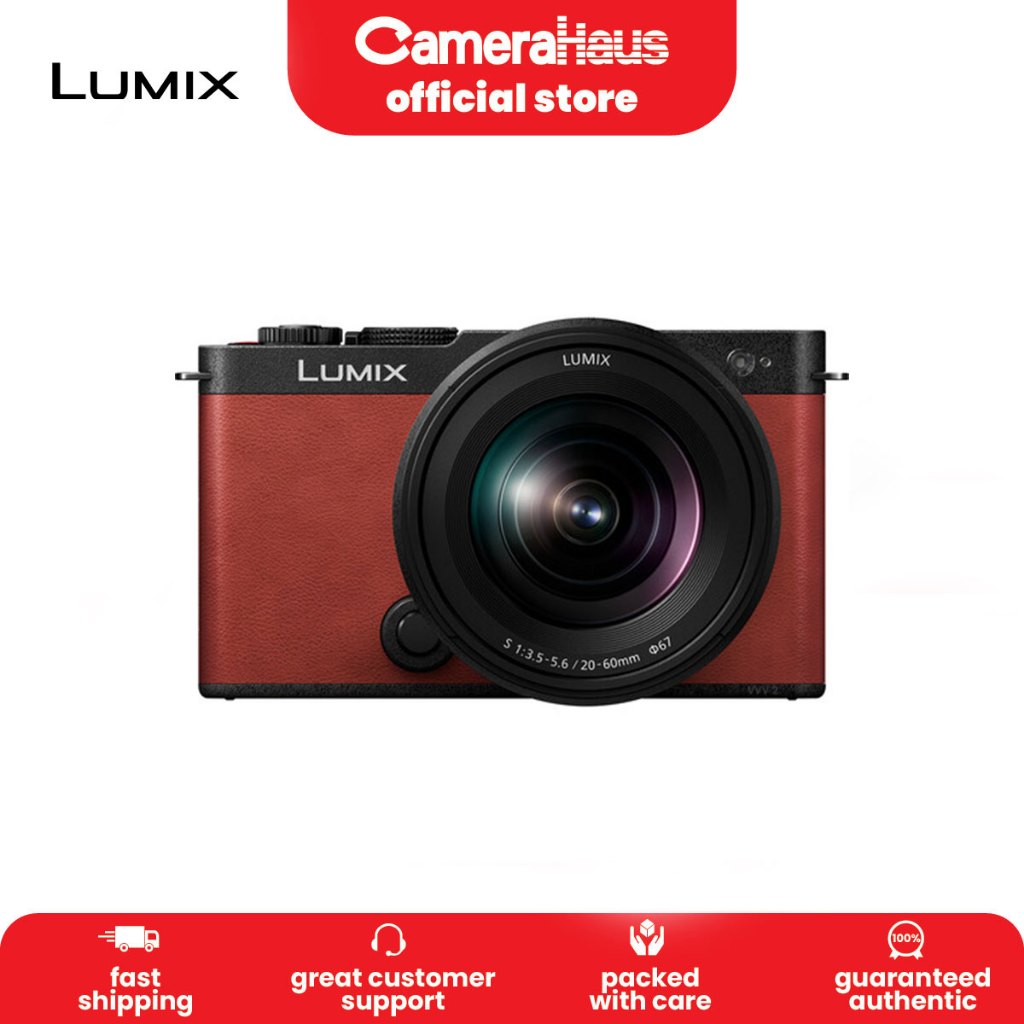
When the priority shifts from stills to motion, the Lumix S9 starts to dominate this full frame mirrorless comparison. On video, it wins thanks to V‑Log and its ability to hold highlight and shadow detail, plus OpenGate recording that has been called the cheapest route to full frame OpenGate anywhere. It is aimed squarely at shooters who edit everything and want tools like waveform and anamorphic support in a nearly pocketable body. That makes it a different kind of travel photography camera: less about quick JPEGs, more about footage that can be pushed hard in post. However, stabilization is a sharp reminder that spec worship can mislead. Despite strong online praise for its IBIS, the S9 produced pronounced corner wobbles on wide lenses around 20mm in real‑world use. That single flaw was significant enough to derail plans to keep it as a dedicated vlogging body. Price favors the S9, though: it comes in cheapest new and stands as the value pick for getting into full frame, especially for video‑focused shooters.
Stabilization, Autofocus, and Why Landscapers Should Ignore the Hype
The biggest lesson from this landscape camera shootout is that the spec sheet rarely matches field experience. Stabilization is a clear example: the Canon R8 has no in‑body stabilization, so it depends on optically stabilized lenses; the Nikon Z5 II offers strong, clean stabilization; the Lumix S9, despite its reputation, showed corner wobbles at 20mm that undermine its headline IBIS claims. Autofocus tells a similar story. The Nikon leads this Canon R8 vs Nikon Z5 fight in tracking, staying locked even as subjects turn away, while the R8 sits slightly behind and the S9 trails due to its large detection box. Yet, for landscape photographers, those premium autofocus specs are often overrated. As one experienced shooter argues, landscape photographers do not need class‑leading AF, high burst speeds, or pro‑grade video; they need a reliable body that captures gorgeous imagery. That is why an older Nikon Z7 II, with weather sealing, a magnesium‑alloy chassis, and a 45.7MP sensor that rivals a high‑end DSLR, remains a tour de force for landscapes at its current prices.
- Buy Canon R8 if you want flattering color, light weight, and a travel‑focused shooting experience for mostly stills work.
- Skip Canon R8 if you need in‑body stabilization or dual card slots for professional redundancy.
- Buy Nikon Z5 II if you shoot varied subjects, value sticky autofocus, and want a body you would trust at a wedding or on demanding trips.
- Skip Nikon Z5 II if you care more about warm, flattering color than about AF performance or dual‑slot security.
- Buy Lumix S9 if video is your main output and you want V‑Log, OpenGate, waveform, and anamorphic tools at the lowest new‑body price.
- Skip Lumix S9 if handheld wide‑angle stabilization and corner stability are critical to your travel footage.
- Buy an older high‑resolution Nikon like the Z7 II if your priority is still landscapes and you want great value, reliable build, and gorgeous images over cutting‑edge AF or video.
- Skip paying more for premium AF and video specs if your landscape workflow is tripod‑based and slow‑paced; they add cost without real benefit.