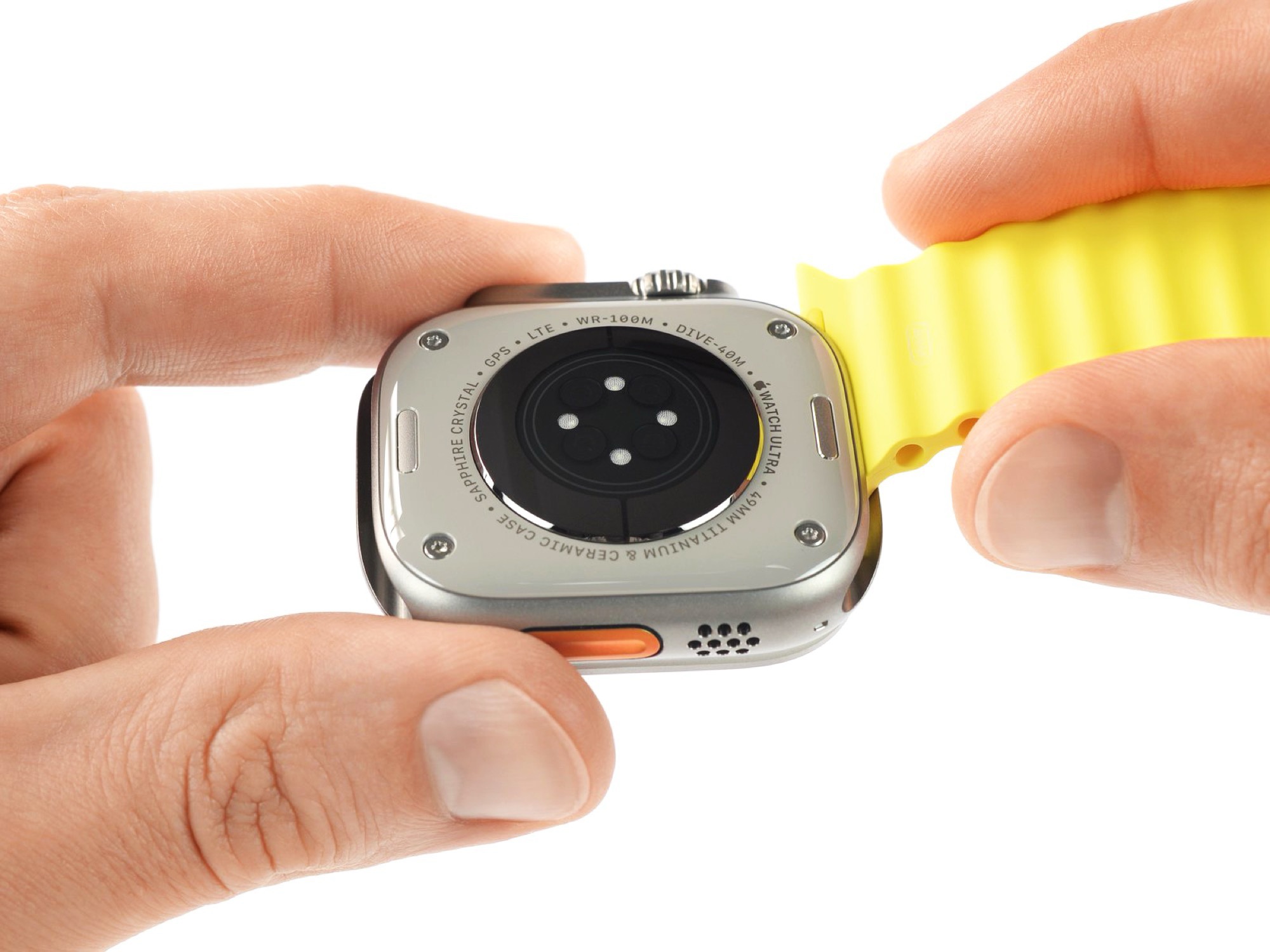

The key decision: wearables step outside right to repair
The wearable repair exemption is a regulatory carve‑out that excludes devices like smartwatches, fitness trackers, and smart glasses from new right to repair regulations that require easy, user‑friendly battery replacement in most portable electronics.
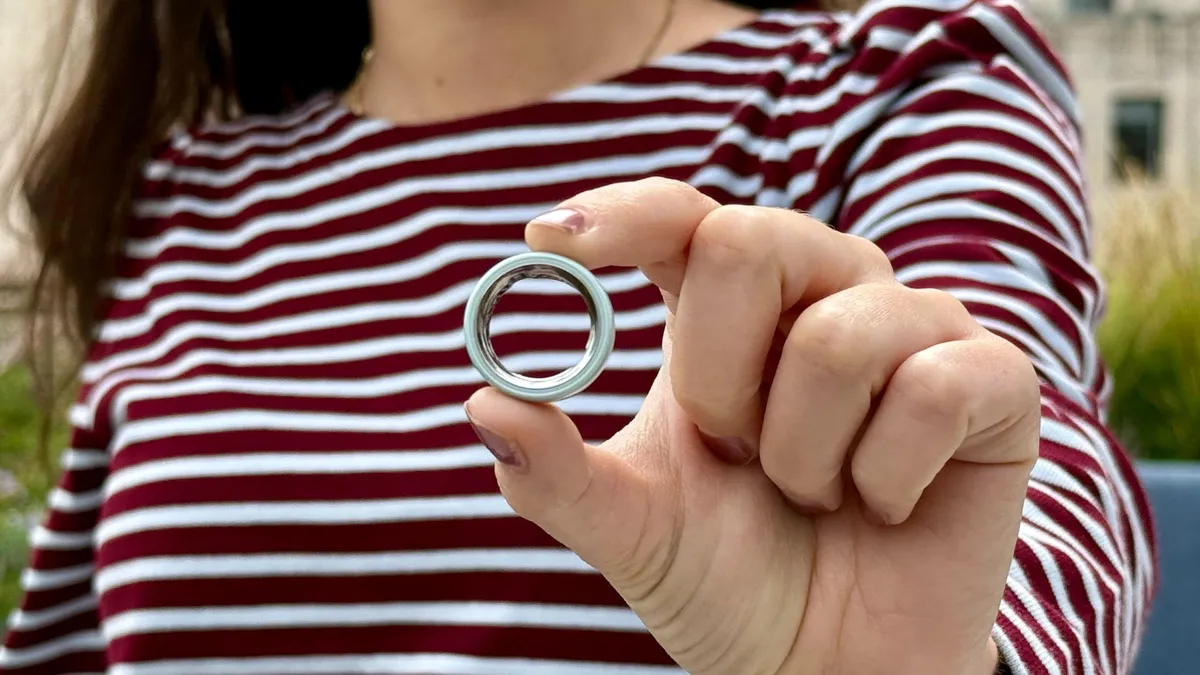
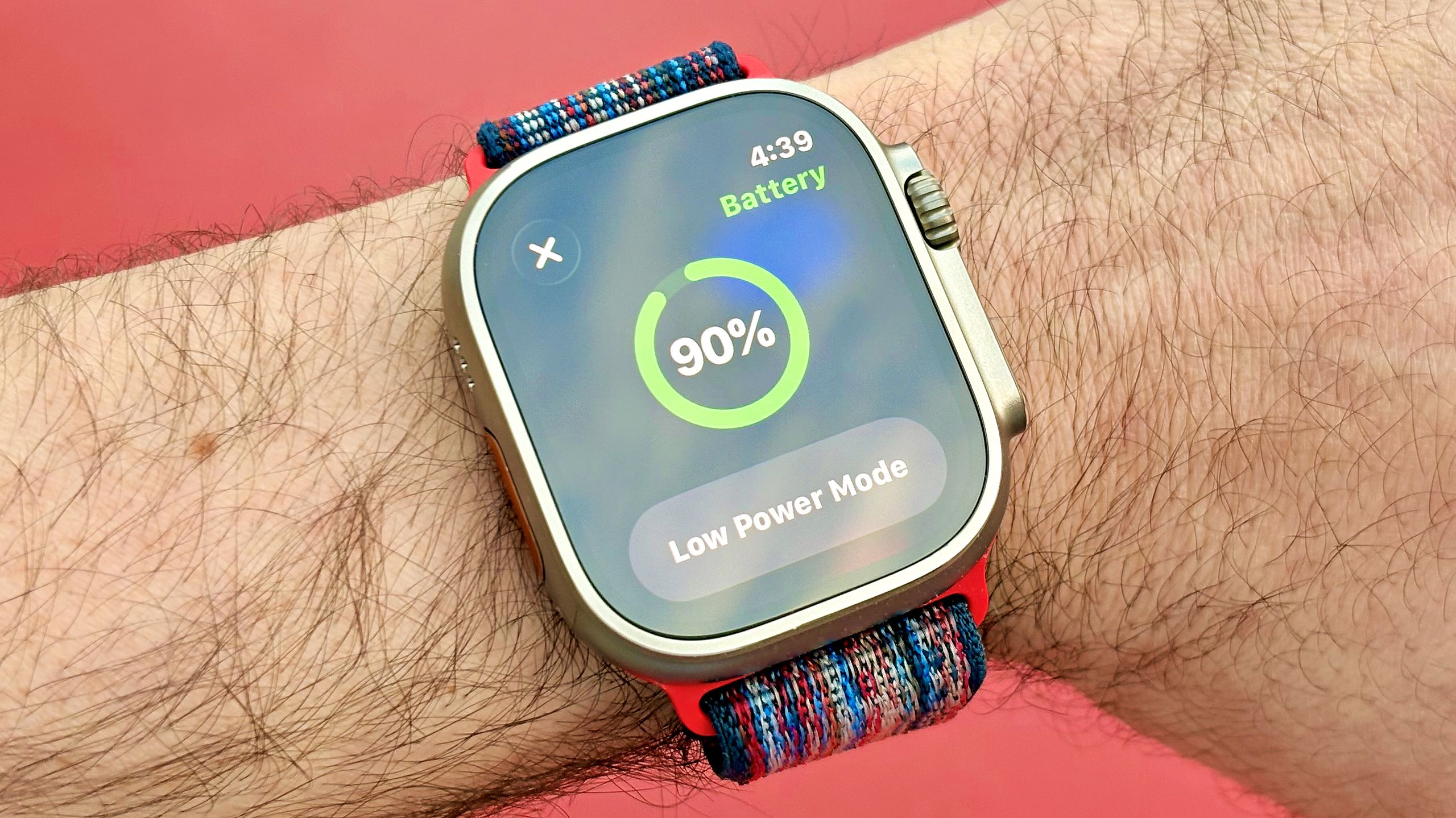
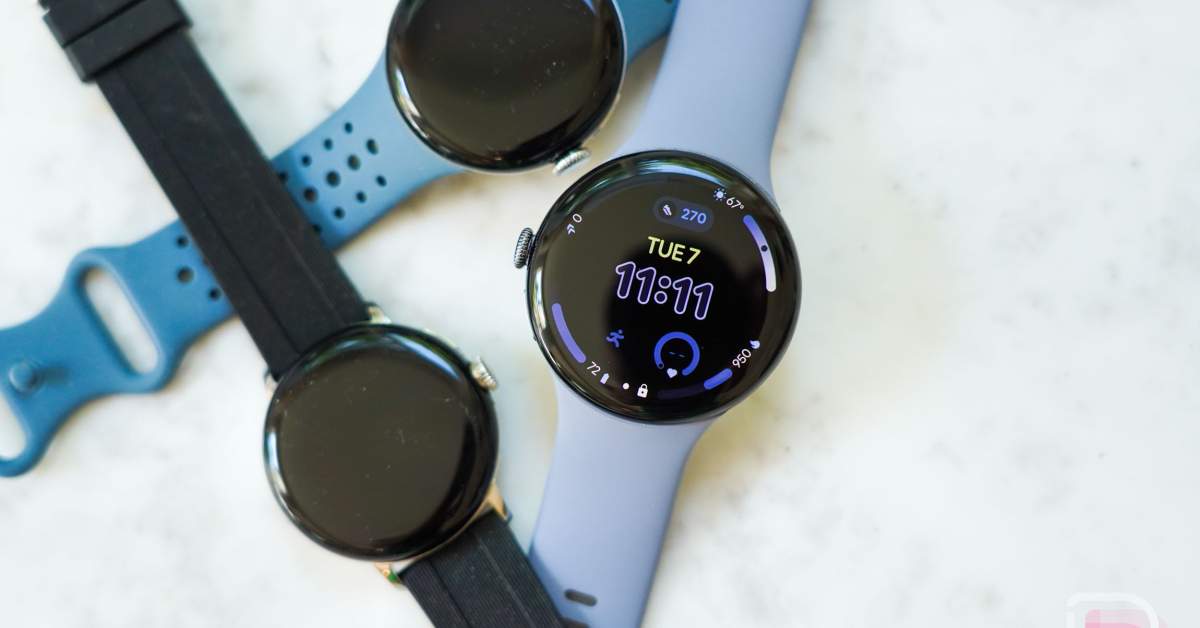
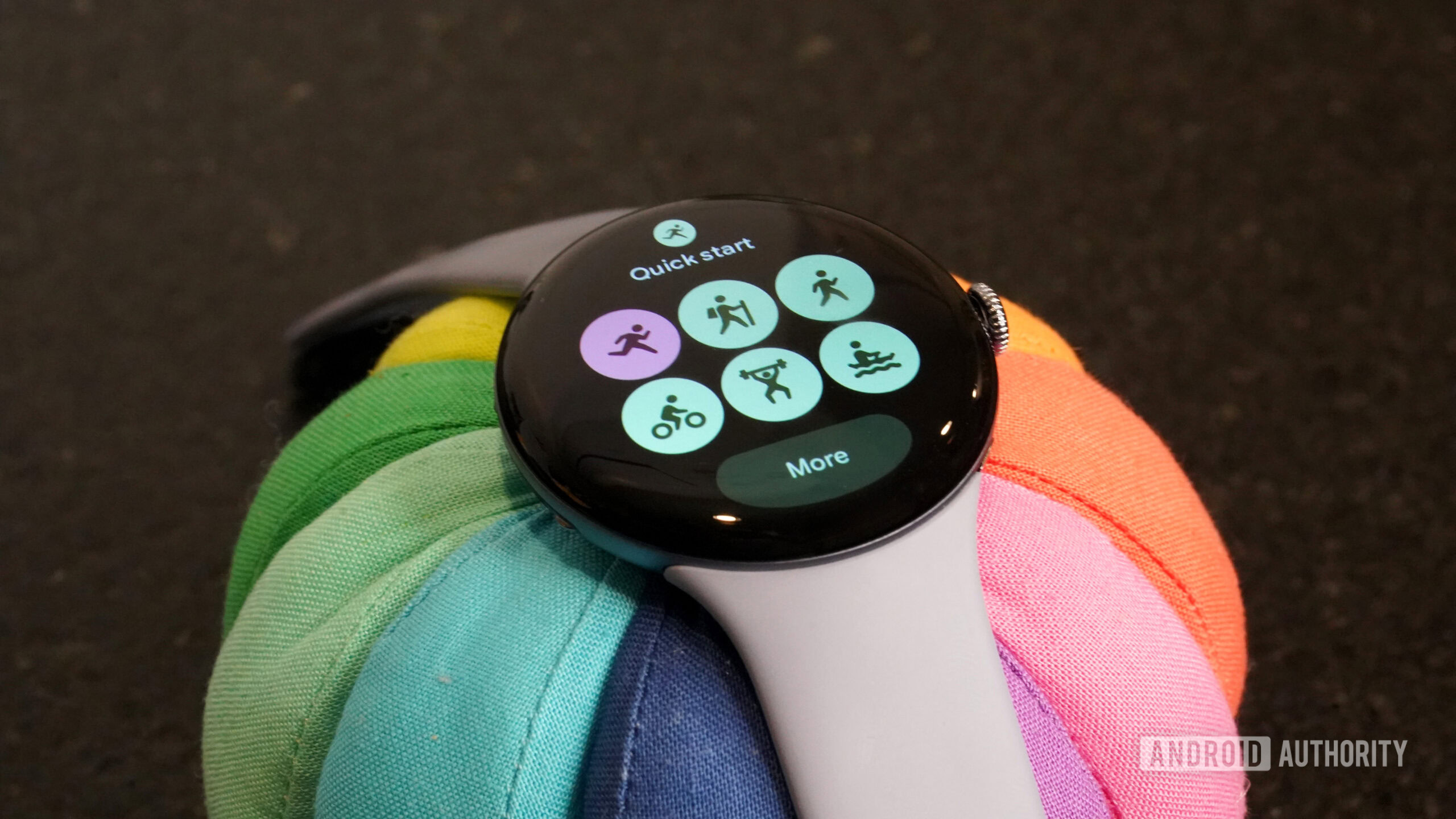
The core outcome is blunt: your smartwatch battery will keep dying long before the hardware does, and you still will not be allowed—nor expected—to swap it yourself. Under upcoming EU right to repair rules, phones, tablets, and other portable devices must be redesigned so that users can access and replace batteries with basic tools, without calling in experts. But the European Commission has introduced an explicit wearable repair exemption for product categories such as smartwatches, fitness trackers, and smart glasses. That means devices like Apple Watch, Google Fitbit Air, and Meta Ray‑Ban Smart Glasses will not have to offer easily replaceable batteries. In other words, the headline promise of right to repair regulations stops at your wrist and your face.
Why wearables got a pass: tiny batteries, big safety worries
Regulators are not claiming that wearables should last less time or be less repairable; they are arguing that user‑repairable smartwatch battery replacement is impractical and unsafe at current sizes. According to the European Commission, wearables sit in a different category because opening tiny, sealed devices can damage durability and water resistance, which then leads to safety issues. Lithium‑ion cells packed into small, curved housings, pressed against skin, and exposed to sweat and impacts leave very little margin for error.
Instead of forcing user access, the rules assume that trained technicians will handle battery swaps during repairs. That sounds reasonable on paper: professionals with proper tools opening miniature devices. But it also locks in a dependency model. You, the owner, are treated less like someone who bought a product and more like a long‑term service customer, even when the only failing part is a tired cell that could, in theory, be replaced.
What the exemption lets manufacturers keep doing
By carving out wearables, regulators effectively endorse the current non‑removable battery designs that dominate the category. The new exception explicitly allows smartwatches, fitness trackers, and smart glasses to stay sealed for users in most cases, while still permitting technician‑only repairs. That means Apple Watch, Google Fitbit Air, and Meta Ray‑Ban Smart Glasses will not be required to change their tightly integrated battery layouts to meet user‑replaceable standards.
Meanwhile, other electronics face real redesign pressure. With the broader EU right to repair push, smartphones and tablets must be engineered so batteries can be replaced without special tools, and replacement packs must stay available for at least five years. This contrast is striking: phones are told to open up, while wearables are allowed to remain glued shut. The message to manufacturers is clear: keep miniaturizing wearables, as long as you keep users out of the enclosure.
Miniaturization vs. repair rights: a deliberate trade‑off
This is not a loophole that slipped through; it is a conscious trade‑off between sleek design and consumer repair expectations. Regulators argue that making batteries user‑replaceable in such small devices would compromise water resistance and structural integrity, raising safety concerns. At the same time, they insist that phones, tablets, and laptops must become easier to repair, with user‑accessible batteries becoming standard by 2027.
The uncomfortable truth is that miniaturization has always thrived on sealed designs, and the wearable repair exemption formalizes that bargain. Consumers get thin, swim‑proof smartwatches; in return, they give up direct control over the most failure‑prone component. For those who saw right to repair regulations as a universal reset toward more open hardware, this split verdict feels like a partial retreat at the exact moment the movement was gaining leverage.
What this means for sustainability—and what should happen next
The intent behind the broader battery rules is commendable: give users longer‑lasting products and cut e‑waste by making replacements easier. But by excluding wearables, regulators risk leaving a fast‑growing category locked into a consume‑and‑discard pattern. Smartwatches may be small, yet millions of sealed gadgets heading to recycling—or worse, landfill—due to exhausted batteries undermine the environmental promise of right to repair regulations.
The burden now shifts more heavily onto manufacturers. If users cannot swap cells themselves, brands selling exempt devices should be held to higher standards on long‑term support: fair‑priced, widely available battery services; transparent repairability information; and meaningful commitments to parts availability beyond the bare minimum. Phones are being forced toward more repairable battery designs, while smartwatches and wearables likely keep sealed cases. The only way that trade‑off makes sense for consumers and the planet is if companies treat each non‑removable battery as a long‑term obligation, not a built‑in excuse for early upgrades.