

Smartwatch Battery Life vs. Smart Rings: The Real Trade-Off
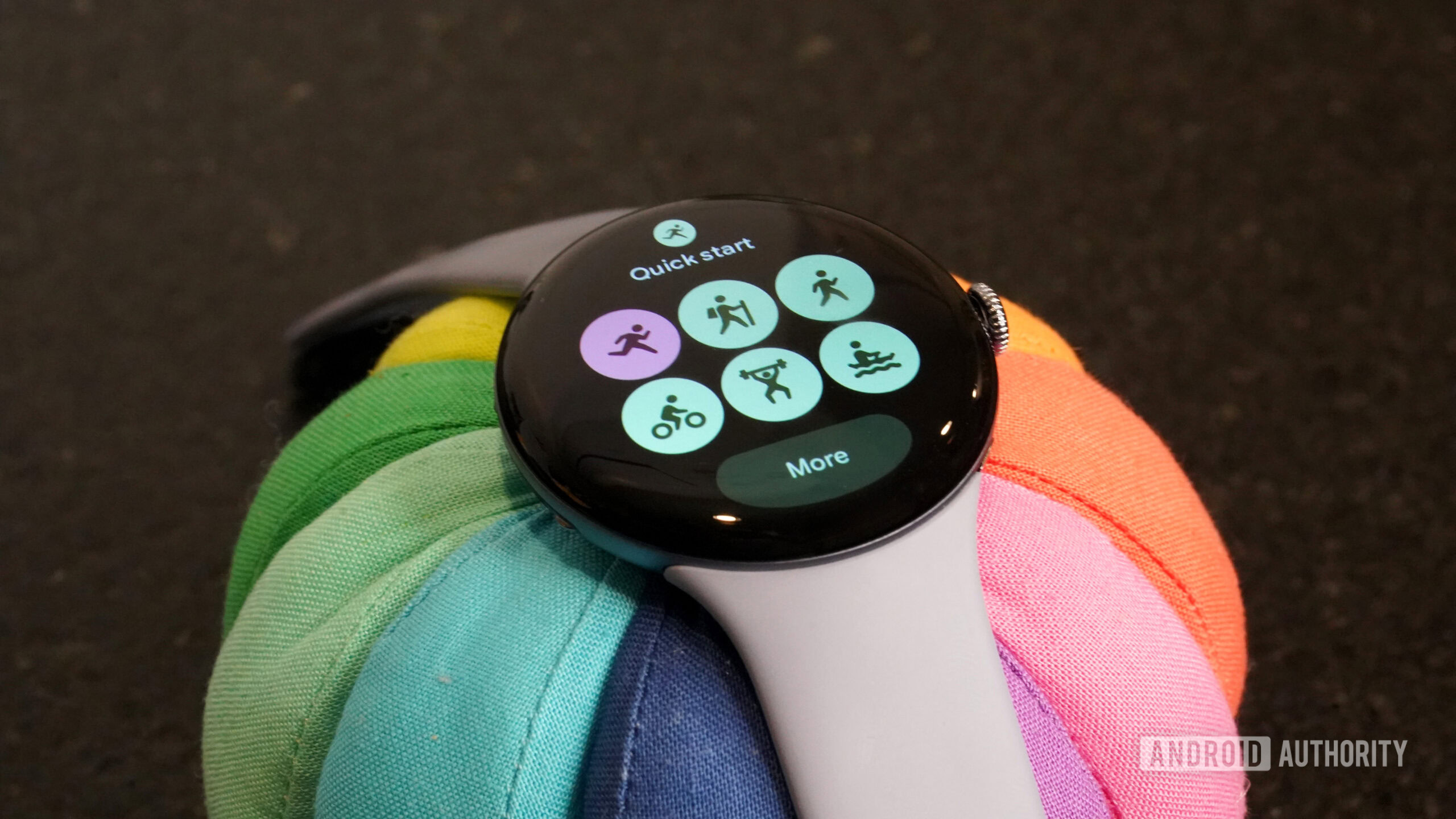
Smartwatch battery life is the length of time a connected watch can operate between charges, and as wearables shift from workout companions to 24/7 health monitors, that endurance has become the deciding factor pushing many people away from feature-rich smartwatches and toward low-maintenance smart rings that can stay on the body for days at a time without interruption. The uncomfortable truth is that the Apple Watch’s biggest strength—accuracy—is overshadowed by its biggest weakness: it needs power every single day. While it remains the most accurate wearable many reviewers have tested, that means little when the watch is stuck on the charger during the most valuable window for data: overnight sleep and recovery tracking. Users are not choosing rings because they are more powerful; they are choosing them because they demand less effort.
Apple Watch Charging Fatigue Is Redefining “Best” Wearable
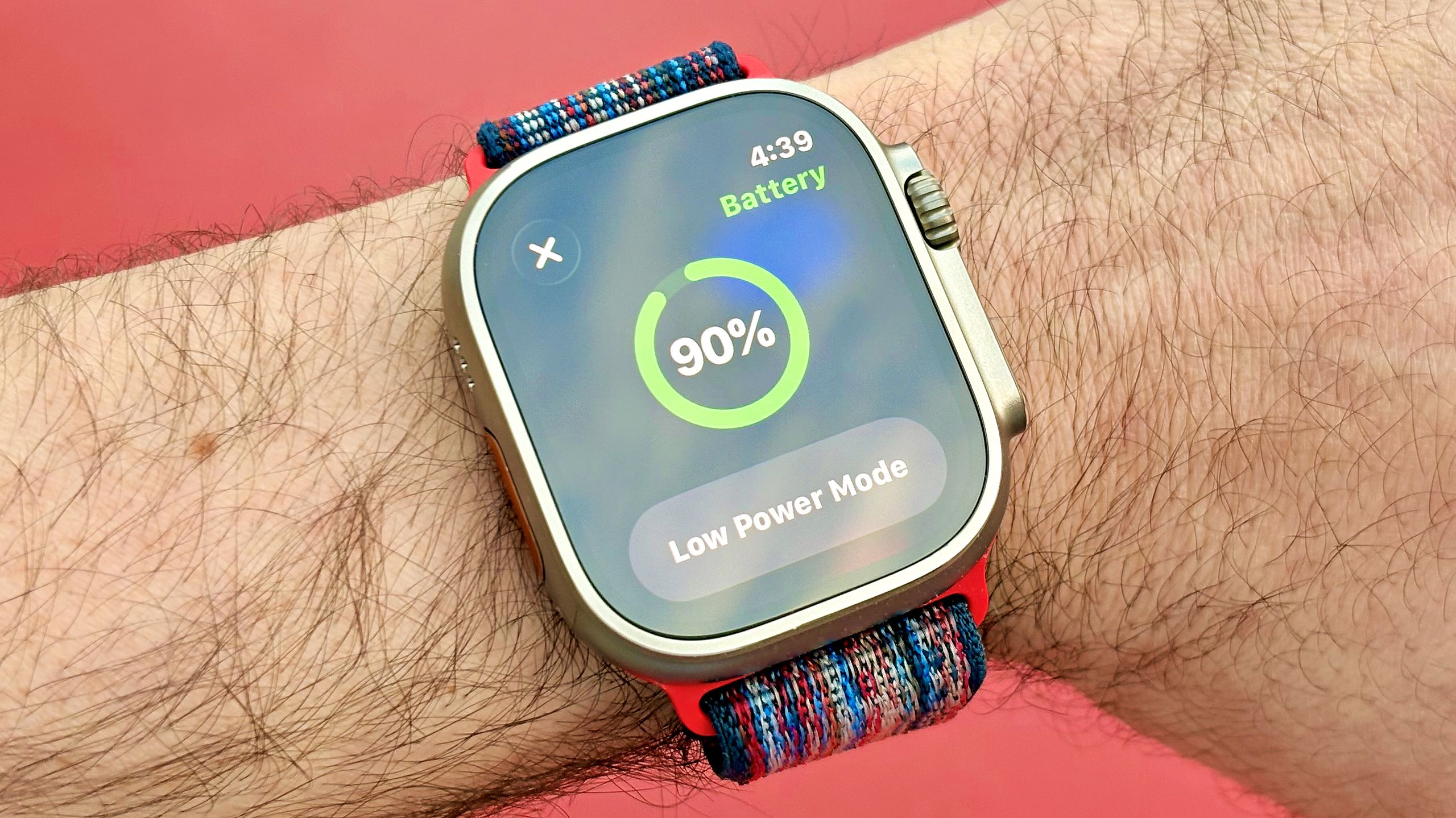
The Apple Watch is a marvel of sensors, algorithms and near-continuous heart rate sampling, which is why it consistently outperforms rivals during workouts. It is also why its battery drains fast. Daily Apple Watch charging is not a minor inconvenience; it breaks the very continuity long-term health insights depend on. Many people never manage a stable habit of topping up before bed, especially with busy schedules and family demands, so the watch ends up charging on the nightstand while the body delivers the most useful metrics. Researchers, athletes and ordinary users are walking away from this compromise and choosing wearables they can keep on around the clock instead. A device that excels in lab tests but fails to stay on the wrist overnight is, for long-horizon health tracking, the wrong tool. Accuracy without availability is wasted potential.
Smart Ring Battery Endurance: Winning by Disappearing
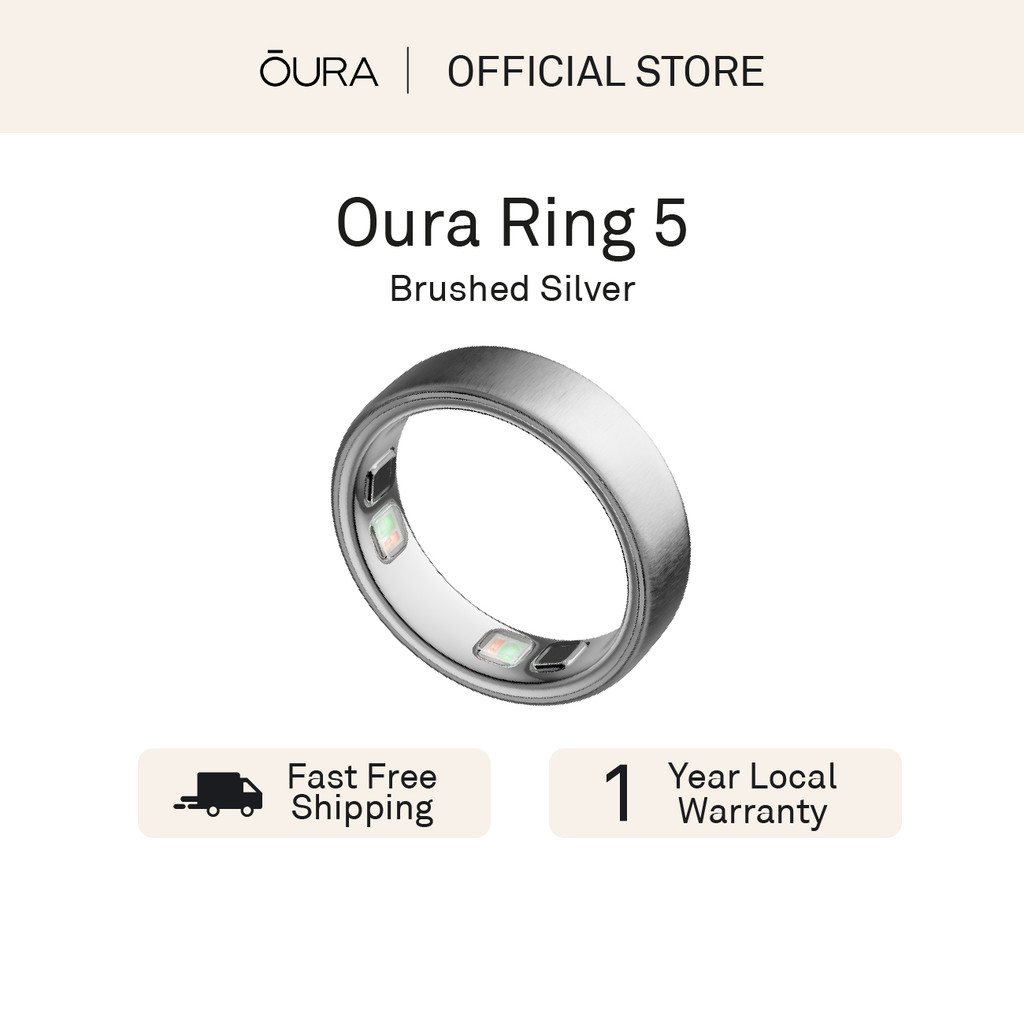
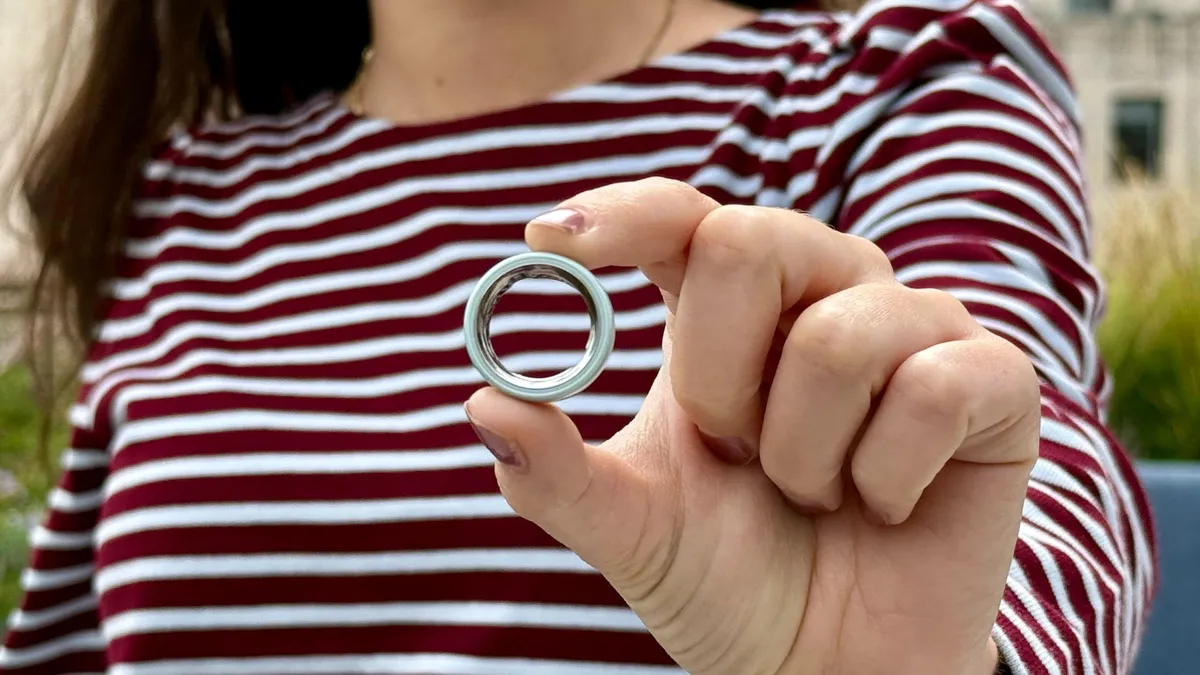
Smart rings flip the script on smartwatch battery life. Devices like the Oura Ring stay on your finger for a week or more between charges, quietly gathering sleep and recovery trends while traditional watches sit on their chargers. The Oura Ring 5, for example, lasts a week or more uninterrupted before needing a charge, so missing a single night does not reset critical baselines or menstrual-cycle insights. This long smart ring battery life removes the daily chore that drives many people away from wrist-based wearables. It also explains why screenless bands and rings that “disappear” into your routine are gaining traction. According to Fortune Business Insights, the global smart ring market is projected to grow from USD 519 million (approx. ₱29,000,000,000) in 2026 to USD 3.77 billion (approx. ₱210,000,000,000) by 2034. That growth is a protest vote against high-maintenance devices.
Form Factor, Regulations and Why Watches Can’t Match Ring Endurance
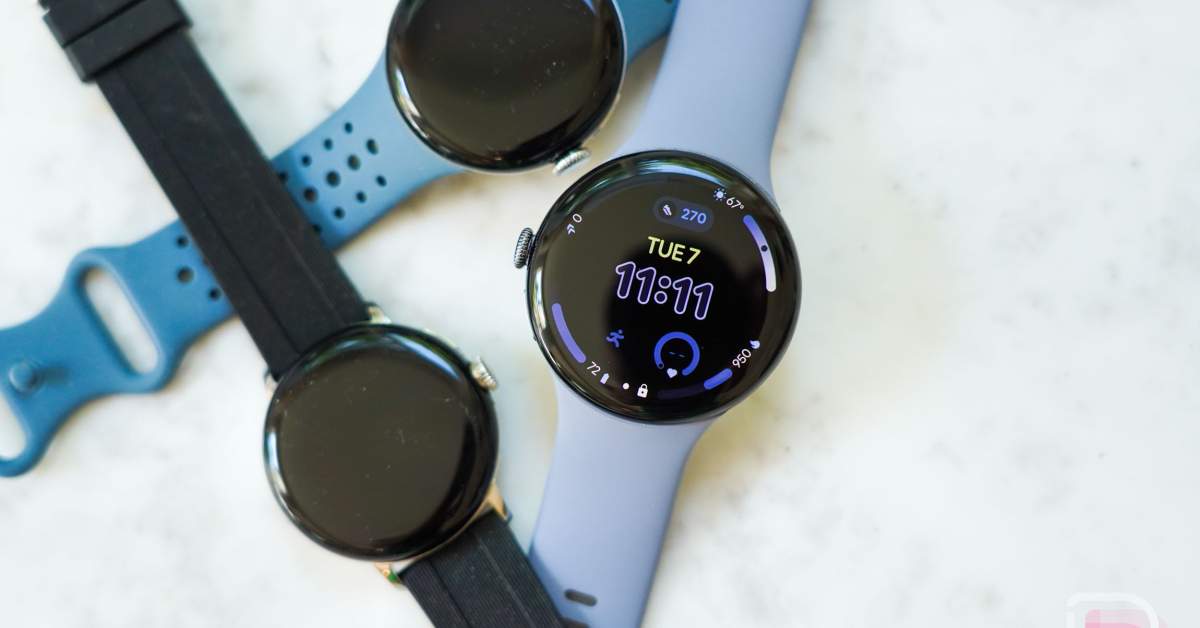
Wearable form factor determines what is possible. Watches try to be tiny smartphones, prioritising bright displays, live notifications and ultra-frequent sampling. That sensor quality, algorithmic depth and almost continuous heart rate tracking make the Apple Watch so precise—and so power-hungry. Smart rings, by contrast, are built for endurance, not live coaching. Their smaller batteries lead them to sample less often, which is acceptable during stable overnight vitals but worse for capturing rapid spikes in interval training. Regulations add a further layer: upcoming portable battery rules will require user-replaceable batteries for many devices from 2027, but a delegated act adopted on July 14 exempts certain miniaturised wearables from direct user replacement so long as independent professionals can perform the swap. That exemption is good news for designers of smartwatches and smart glasses, yet it still forces them to think about how to fit replaceable cells into shrinking, ergonomic shells.
The Future: Watch–Ring Combos and the End of Daily Charging
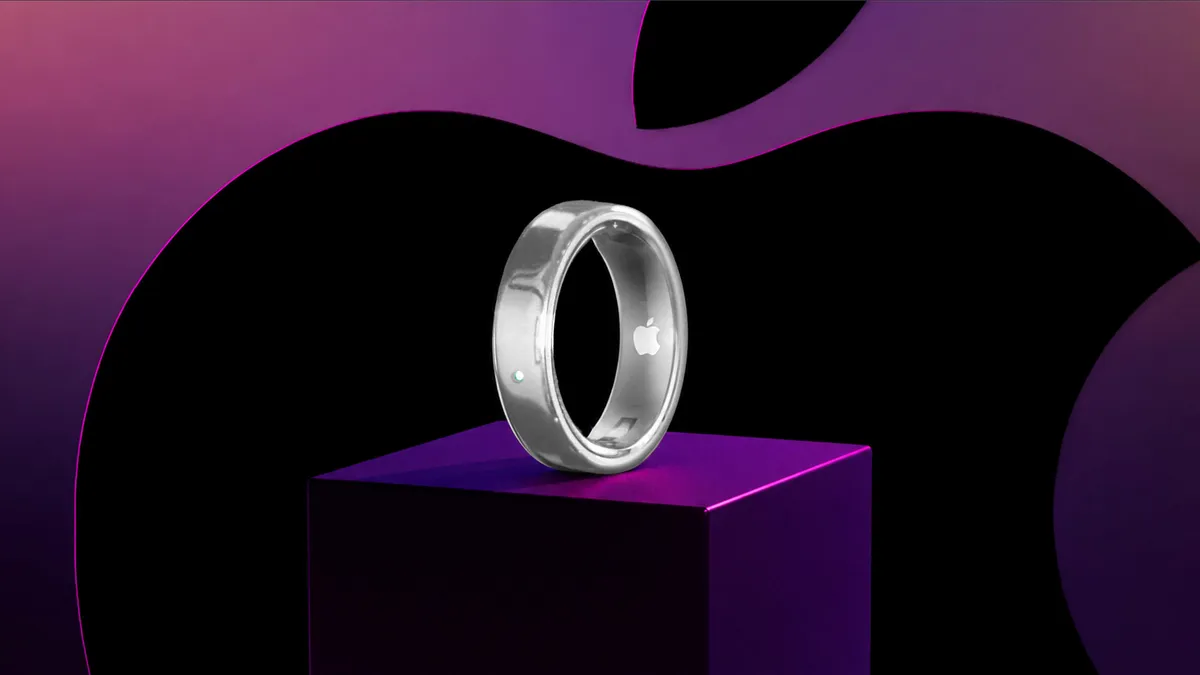
Users are voting with their wrists and their fingers. People who want consistent sleep, cycle and recovery insights—especially women trying to trace connections between hormones, rest and training—are gravitating toward devices they can wear day and night without planning their lives around a charger. Daily charging cycles are not a harmless quirk; they are reshaping what “best wearable” means. The most compelling future is not watch versus ring, but watch and ring. A high-accuracy watch can handle workouts, notifications and live data, while a ring quietly owns everything that happens when you are not staring at a screen. Yet Apple has reportedly had no active plans to build such a ring, fearing it could cannibalise watch sales. That is short-sighted. If Apple does not solve its battery problem—through a new form factor, a ring companion, or both—consumers will solve it for them by switching platforms.