
Verdict: A Travel Photography Camera for Minimalists with High Standards
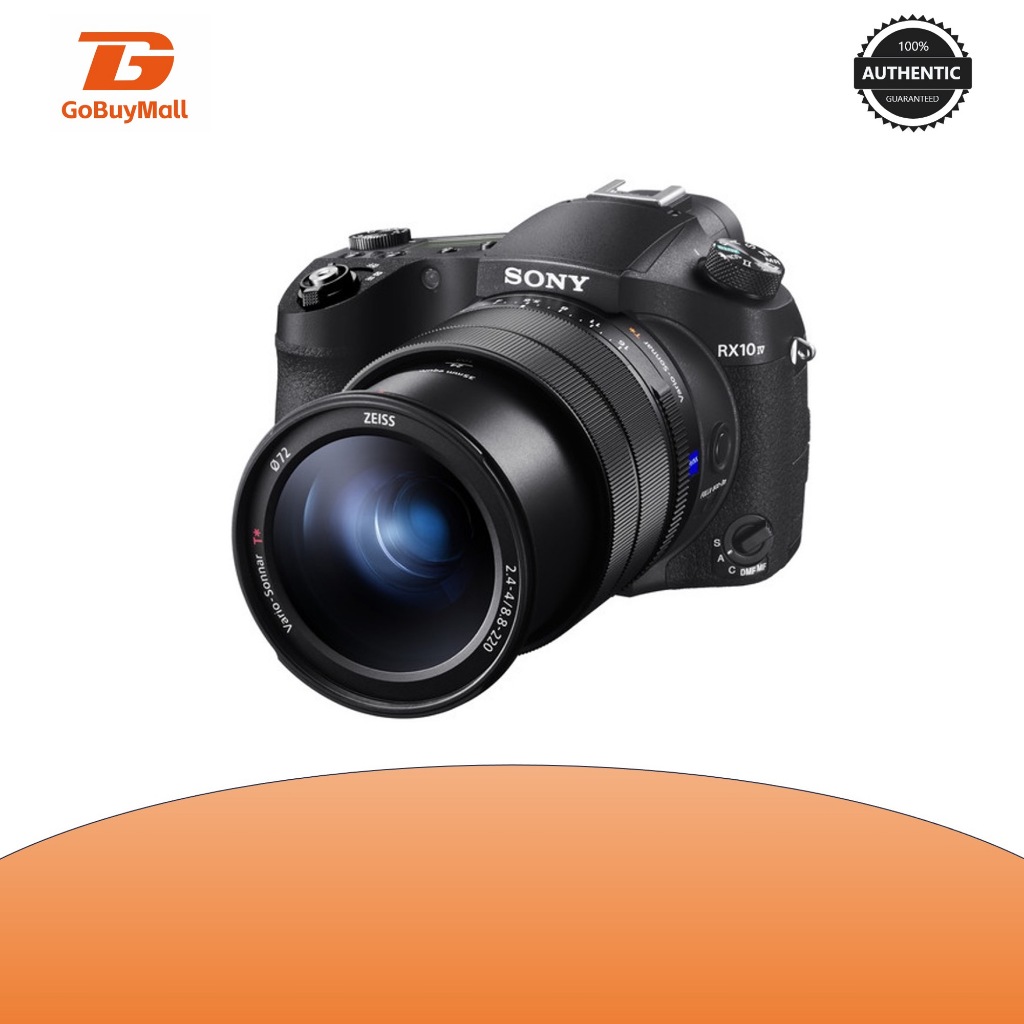
The Sony RX10 V is a high-end bridge camera superzoom that combines a fixed all-in-one camera lens with a 1-inch sensor and pro-style autofocus and video tools to cover most photo and video needs in a single, relatively portable body for travel and everyday shooting.
From a user’s point of view, this is less a compact camera and more a mirrorless-style body where the lens is welded on. For around £2,200 / €2,500 or nearly USD 2,400 (approx. ₱134,000), you get a ZEISS 24–600mm equivalent F2.4–4 zoom, 20.1MP stacked sensor, AI autofocus and 4K120 video. It absolutely can replace a backpack of lenses for travel, wildlife and family work, as long as you accept two limits: the 1‑inch sensor is weaker in low light than larger-sensor mirrorless bodies, and you cannot swap the lens for something faster or more specialized. For many enthusiasts and hybrid shooters, that trade makes sense; for demanding low-light or niche shooters, it will not.
The All‑in‑One Superzoom Lens: From Wide Landscapes to Distant Wildlife
The heart of the Sony RX10 V review debate is its ZEISS Vario‑Sonnar T* 24–600mm (35mm equivalent) F2.4–4 lens. This 25x bridge camera superzoom spans classic travel photography camera needs: wide enough for most landscapes at 24mm, long enough for distant wildlife and sports at 600mm. It can focus as close as 3cm at the wide end and about 72cm at full telephoto for near‑macro work, delivering up to 0.42–0.49x magnification, which is impressive flexibility for flowers, food and detail shots on the road.
In practice, this single all‑in‑one camera lens replaces the usual 16–35mm, 24–70mm and 70–300mm (or 100–400mm) kit many mirrorless users pack. One reviewer notes that “the absolute image quality can’t match what high quality lenses mounted on high quality mirrorless bodies” but that it is “good enough to satisfy most people in most situations.” The main optical compromise is that you cannot go to ultra‑wide angles or ultra‑fast apertures; if you live at 14mm or F1.4, this will feel limiting.
| Key Spec | Sony RX10 V |
|---|---|
| Sensor | 20.1MP 1-inch stacked Exmor RS CMOS |
| Lens (equiv.) | 24–600mm F2.4–4 ZEISS Vario-Sonnar T*, 25x zoom |
| Macro ability | 3cm at wide end, up to 0.42–0.49x magnification |
| AF system | 557 AF points, AI Real-time Recognition / Tracking |
| Burst shooting | Up to 30fps, blackout-free, 60 AF/AE calculations per second |
| Viewfinder / LCD | 0.5" 3.68M-dot EVF, 3" 1.62M-dot tilting LCD |
| Video | Up to 4K120 (crop), 4K60 with 5.4K oversampling, S-Log3, S-Cinetone, LUTs |
| Battery | NP-FZ100, up to 630 shots per charge (LCD) |
| Connectivity | 5GHz Wi‑Fi, USB‑C, Micro‑HDMI, mic/headphone, 4K30 livestreaming, Creator’s App |
| Durability | Dust and moisture resistant body |

Design, Handling and Everyday Use: A Chunky Alpha with a Fixed Lens
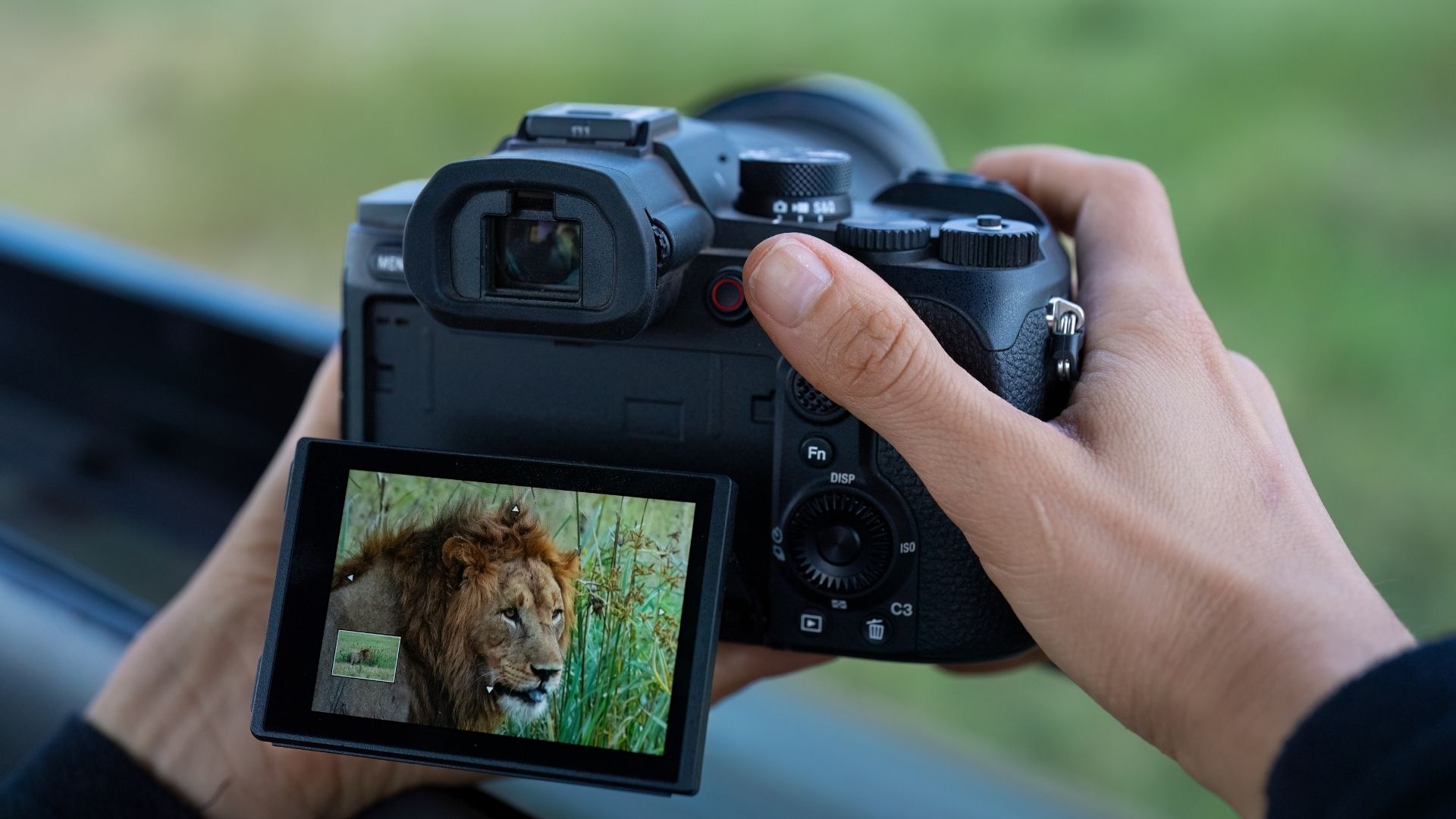
In the hand, the RX10 V feels like a slightly bulkier Alpha mirrorless body, complete with familiar menus, control scheme and general functionality. Sony has refreshed the design with a larger 3.68‑million‑dot Quad‑VGA OLED viewfinder and a sharper 1.62‑million‑dot tilting 3‑inch rear display, plus a redesigned grip and button layout to make it easier to use while shooting. The body adds dust and moisture resistance, making it more suitable as an all‑weather travel photography camera that you can keep slung over your shoulder all day.
Battery life is a clear usability win. Sony switched to the NP‑FZ100 battery, rated for up to 630 shots on a single charge using the LCD—about a 50% improvement over the previous RX10 model. You get a single UHS‑II SD card slot in the battery compartment, 5GHz Wi‑Fi, USB‑C ports, Micro‑HDMI, headphone and microphone jacks and support for Sony’s Creator’s App for remote control and cloud transfers. The downside is that the camera is not small; it occupies similar bag space to a mid‑range mirrorless body with a compact zoom attached, so this is about simplifying your kit, not achieving pocketability.
Performance, Video and the Real Trade‑Off vs Mirrorless Kits
For action and hybrid work, the RX10 V is far beyond older bridge cameras. It combines a stacked 20.1MP 1‑inch sensor with 557 AF points covering about 70.6% of the frame, a dedicated AI chip and BIONZ XR processor to deliver Real‑time Recognition AF that can identify and track people, animals, birds, insects, cars, trains and aircraft. Continuous shooting reaches 30fps with full AF/AE tracking and blackout‑free viewing, though one reviewer notes the buffer clears relatively slowly after long bursts.
Video tools are a highlight: up to 4K120 (with crop) and 4K60 with 5.4K oversampling, S‑Cinetone, S‑Log3, time‑lapse, Auto Framing and the ability to import up to 16 LUTs make it appealing for serious creators. Active stabilization and optical SteadyShot help handheld work, while the multi‑interface shoe can support 2‑ or 4‑channel audio. The main trade‑off versus an APS‑C or full‑frame mirrorless kit is sensor size: the 1‑inch sensor struggles more in very low light, and you cannot mount fast primes or unique focal lengths. As one review summary puts it, the RX10 V stands out for unified functionality but its high price and fixed lens will make some photographers hesitate.
Strengths
- Exceptional 24–600mm zoom range in a single all‑in‑one body, covering most shooting situations from landscapes to wildlife.
- Significantly improved AI autofocus with subject recognition and tracking for people, animals, vehicles and more.
- Strong video capabilities up to 4K120, with S‑Log3, S‑Cinetone, LUT import and 4K streaming support.
- Enhanced battery life with NP‑FZ100 pack and updated Alpha‑style interface that experienced users can pick up quickly.
Weaknesses
- 1‑inch sensor is weaker in very low light than larger‑sensor mirrorless cameras.
- Fixed lens limits access to very wide angles, ultra‑fast apertures and specialty optics.
- Design closely resembles its predecessor, so existing RX10 owners may feel little excitement in form factor changes.
- Buffer clearing can be relatively slow after extended 30fps burst shooting.
Buy if / Skip if
- Buy the Sony RX10 V if you want a travel photography camera that replaces several lenses with a single 24–600mm superzoom and you value convenience over ultimate low‑light performance.
- Skip the Sony RX10 V if your work depends on clean high‑ISO files and shallow‑depth‑of‑field looks that need larger sensors and fast primes.
- Buy the Sony RX10 V if you shoot a mix of wildlife, sports and family events and prefer one body with AI autofocus and 30fps bursts instead of juggling multiple lenses.
- Skip the Sony RX10 V if you already own a capable mirrorless system and enjoy changing lenses for different focal lengths and creative looks.
- Buy the Sony RX10 V if you are a hybrid creator who wants 4K120, S‑Log3, S‑Cinetone and streaming in a single bridge camera superzoom package.
- Skip the Sony RX10 V if its price of around £2,200 / €2,500 or nearly USD 2,400 (approx. ₱134,000) feels high for a non‑interchangeable lens camera.