
What the RTX 3060 Relaunch Tells Us About the GPU Market
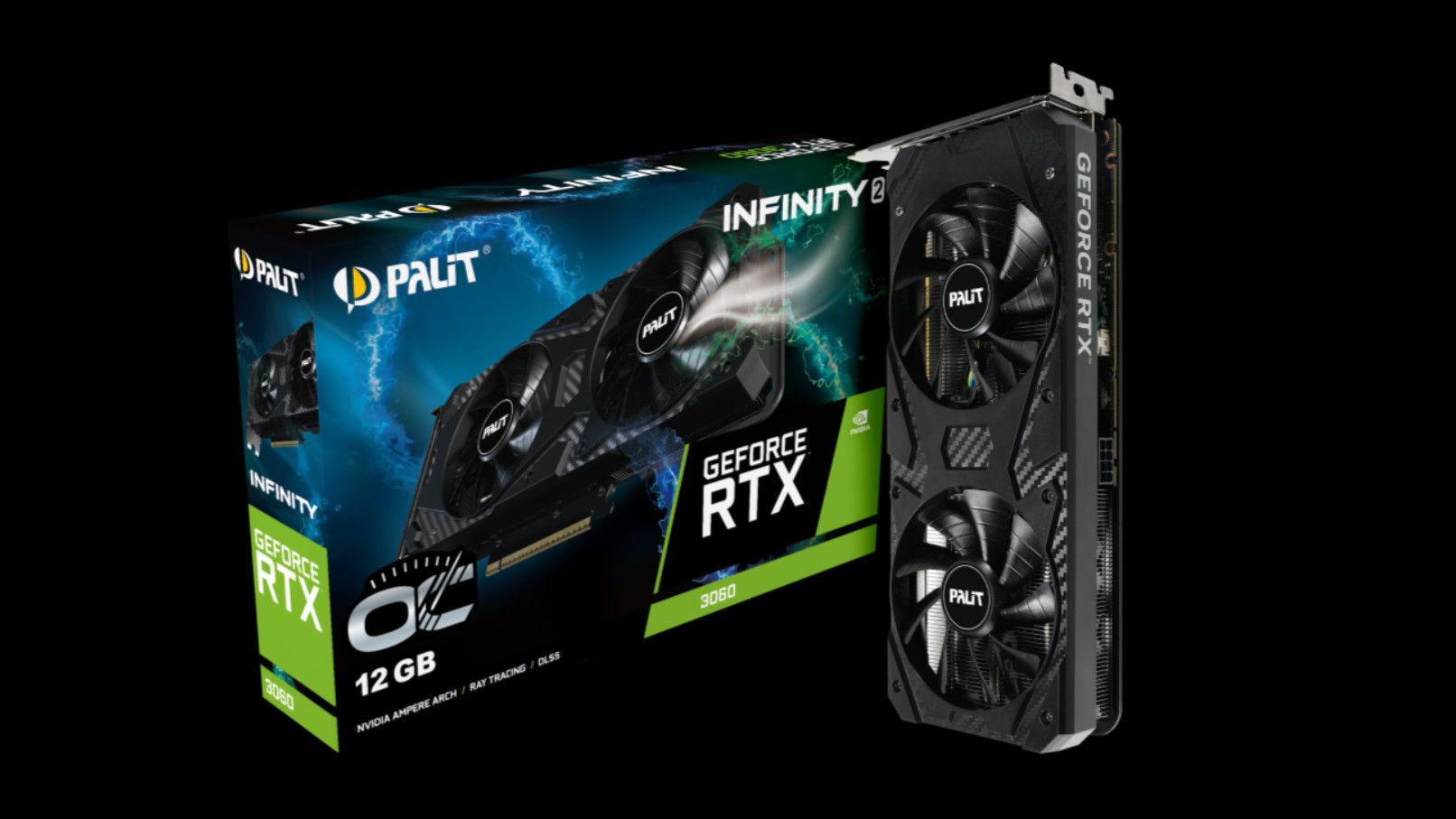
The RTX 3060 relaunch is a strategy where GPU manufacturers bring back discontinued last‑generation graphics cards, like Palit’s new 12GB model, to sidestep current VRAM shortages and offer budget graphics cards that promise more memory for less money while raising new questions about long‑term value. Palit has launched a new RTX 3060 model with 12GB of VRAM, officially revealing the GeForce RTX 3060 Infinity 2 OC as “the return of a classic.” This is not nostalgia; it is a supply chain move shaped by a GPU RAM shortage that is inflating prices on newer boards. The RTX 3060 was already a workhorse, and it still ranks second on the June 2026 Steam hardware survey, behind only the RTX 4060 laptop GPU. In other words, vendors are not reviving a relic—they are doubling down on a known crowd‑pleaser.
The VRAM Crisis: Why Old GPUs Suddenly Look New Again
The driving force behind this RTX 3060 relaunch is not gamer demand but a VRAM crisis that is reshaping how budget graphics cards are built and sold. We are in a RAM‑starved climate where prices of many current‑gen boards are being hiked, alongside other PC components. According to one report, “It’s sad that the RAM crisis has forced us to this point, but that’s the reality of the GPU world at the moment.” Past‑gen cards like the RTX 3060 use GDDR6 VRAM, which taps a different supply than the GDDR7 memory used in many RTX 5000‑series cards. That matters: high‑capacity GDDR7 on lower‑end GPUs, such as a 16GB RTX 5060 Ti, is far less tenable from a cost standpoint today. So, instead of stuffing pricey new memory onto cheap silicon, partners pull older designs off the shelf, wire them with abundant GDDR6, and sell them as fresh “value” options.
Value Question: 12GB VRAM vs New‑Gen Performance
On paper, resurrected RTX 3060 cards look like budget heroes: 12GB of GDDR6 VRAM, dependable 1080p performance, and a promise of no premium price tag. For gamers worried about memory‑hungry titles, that 12GB can be reassuring, especially when newer entry‑level cards stick to leaner 8GB loads. Nvidia’s partners can offer that larger framebuffer while still sitting at the cheaper end of the market thanks to GDDR6’s more favorable supply. The problem is how these cards stack up against current‑gen options. In US pricing snapshots, the RTX 3060 12GB has not been meaningfully cheaper than the RTX 5060 8GB. Yet the RTX 5060 is a much faster GPU, and it benefits from DLSS 4 support. One quotable reality check: “At this kind of price differential, the RTX 3060 12GB doesn’t make a lot of sense.” If an older GPU is only about 5% cheaper than a newer, faster one, the supposed bargain quickly evaporates.
Budget Builders: When Does a Resurrected Card Make Sense?
For budget‑conscious buyers, the appeal of the RTX 3060 relaunch is simple: more VRAM for less upfront cost, in a market where many new cards feel overpriced. The RTX 3060 Infinity 2 OC is pitched as delivering “honest, dependable performance without the premium price tag.” It returns to shelves at retailers as an alternative budget graphics card for those squeezed by the VRAM crisis impact on current‑gen models. But the value hinges entirely on price. If the RTX 3060 undercuts the RTX 5060 by a wide margin, its generous 12GB VRAM becomes compelling for 1080p gamers and creators who prioritize capacity over cutting‑edge features. If it lands near parity, the smarter move is to favor newer silicon with better performance, features such as DLSS 4, and a longer runway for optimizations. The lesson: don’t romanticize “the return of a classic”—treat it like any other product and let the numbers decide.