
What the RTX 5090 SE Rumors Claim—and Why They Matter
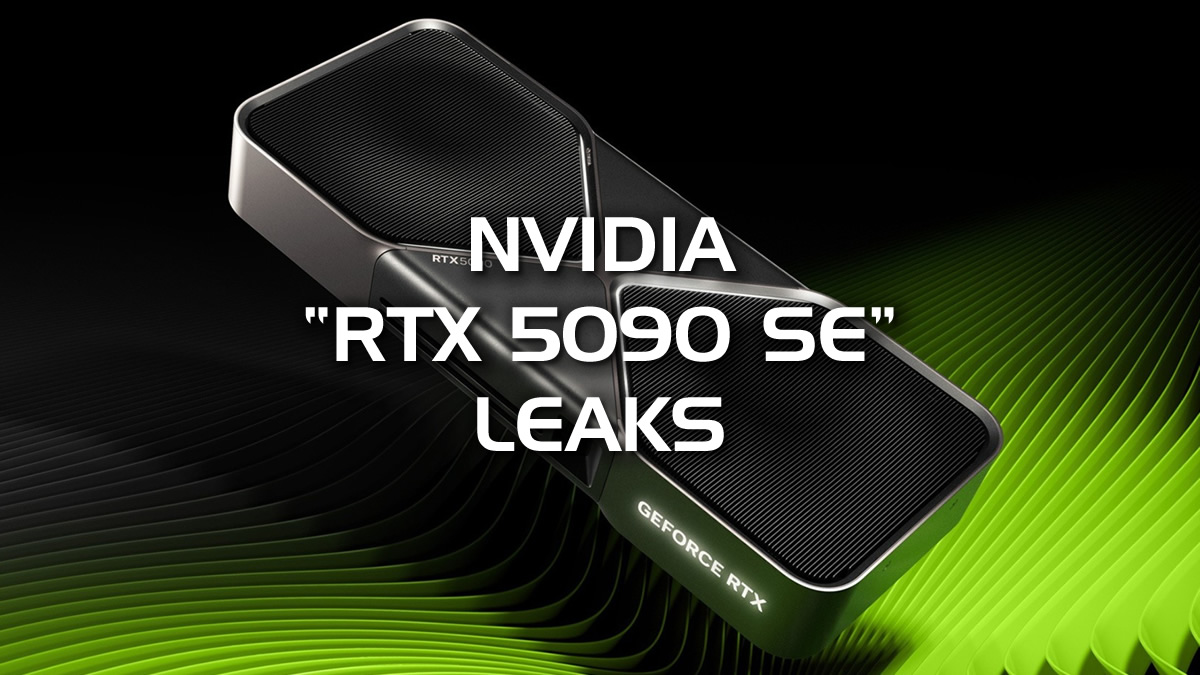
RTX 5090 SE rumors describe a supposed NVIDIA Blackwell graphics card positioned between the RTX 5080 and RTX 5090, with leaked specifications that promise high-end performance but contain technical and branding inconsistencies that cast doubt on whether this GPU can exist in the form described.
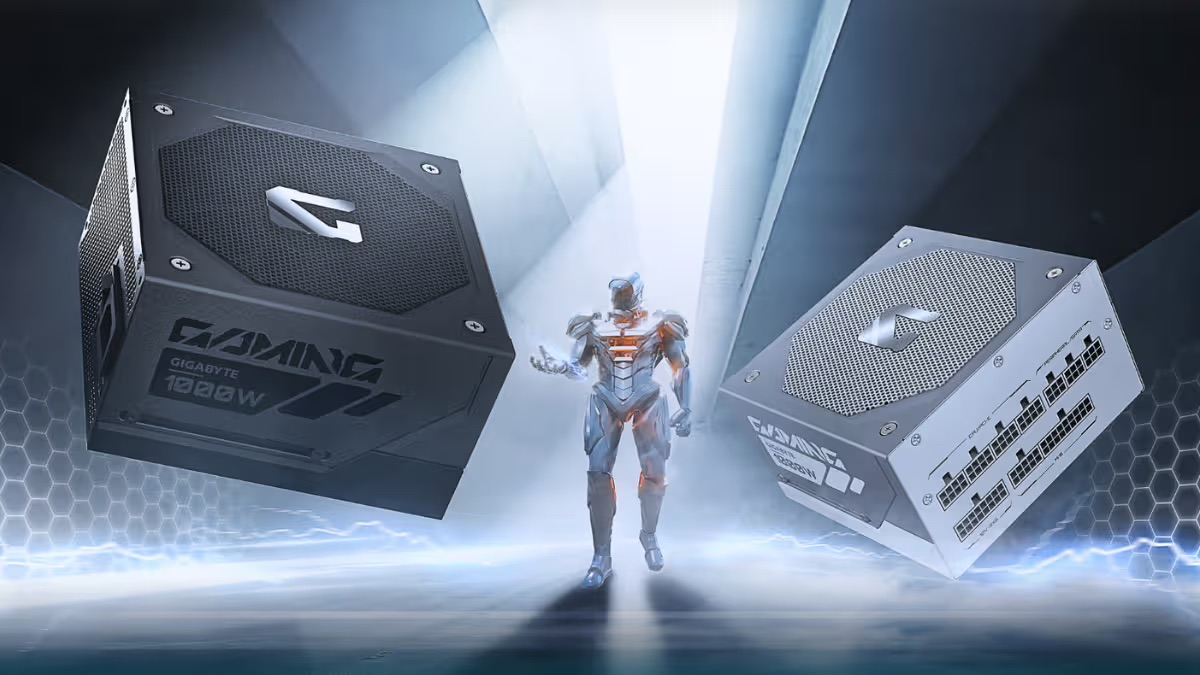
The alleged card is pitched as a bridge between the RTX 5080 and RTX 5090, using cut-down GB202 silicon and offering 14,080 CUDA cores, 32GB of memory, and around 500W power draw for about USD 1,500 (approx. ₱84,000). On paper, that sounds like the dream middle ground: more memory than the RTX 5080’s 16GB, less power and cost than a full RTX 5090, and a clear upgrade path for enthusiasts who want more but not the absolute flagship. For ordinary buyers, this rumor matters because it shapes expectations—people may delay a purchase based on a product that might not exist, while also misjudging requirements like the likely need for a 1000W power supply in systems pairing such a card with high-end CPUs.
The Memory Math Problem: 32GB on 384-bit Makes No Sense
The first red flag in the RTX 5090 SE rumors is the claimed combination of a 384‑bit memory bus and 32GB of GDDR7. With current GDDR7 module sizes, a 384‑bit bus maps cleanly to either 24GB with 2GB chips or 36GB with 3GB chips; there is no straightforward way to hit 32GB without mixing memory densities across channels. That configuration would create uneven performance characteristics, something no sane vendor would attach to a halo-adjacent gaming model.
According to one analysis, “you can’t make a 32GB graphics card with a 384-bit memory bus,” and that single inconsistency is enough to throw the entire leak into doubt. The same leak table that lists 14,080 CUDA cores and a 500W TGP also lists that 32GB/384‑bit pairing, directly contradicting how NVIDIA has built high-end cards to date. NVIDIA has never shipped a flagship-tier gaming GPU with mixed-density VRAM, and introducing it now would risk unpredictable behavior in precisely the segment that expects maximum stability.
Branding and Lineup: Why an RTX 5090 SE Breaks NVIDIA Tradition
The second major issue is the name. The rumor describes a product meant to “bridge the gap” between RTX 5080 and RTX 5090, yet brands it as RTX 5090 SE instead of the historically consistent RTX 5080 Ti. NVIDIA has created many xx80 Ti cards but has never introduced a lower-end variant under the xx90 brand. Using 5090 branding for a cut-down model would dilute the halo effect of the flagship and risk confusing buyers about what “90” means within a generation.
This is not a small detail. The rumored card would sit well above the RTX 5080 in price—around USD 1,500 (approx. ₱84,000)—while staying below the full RTX 5090. That placement raises market cannibalization questions: if a 5090 SE is too close in performance to a 5090, it undermines the flagship; if it is too weak, the 5090 label becomes meaningless. A more logical label would be 5080 Ti or 5080 SUPER, which fits NVIDIA’s established pattern of mid-cycle upgrades and avoids degrading the 5090 name.
Blackwell Strategy: More Likely a SUPER or Ti, Not an SE
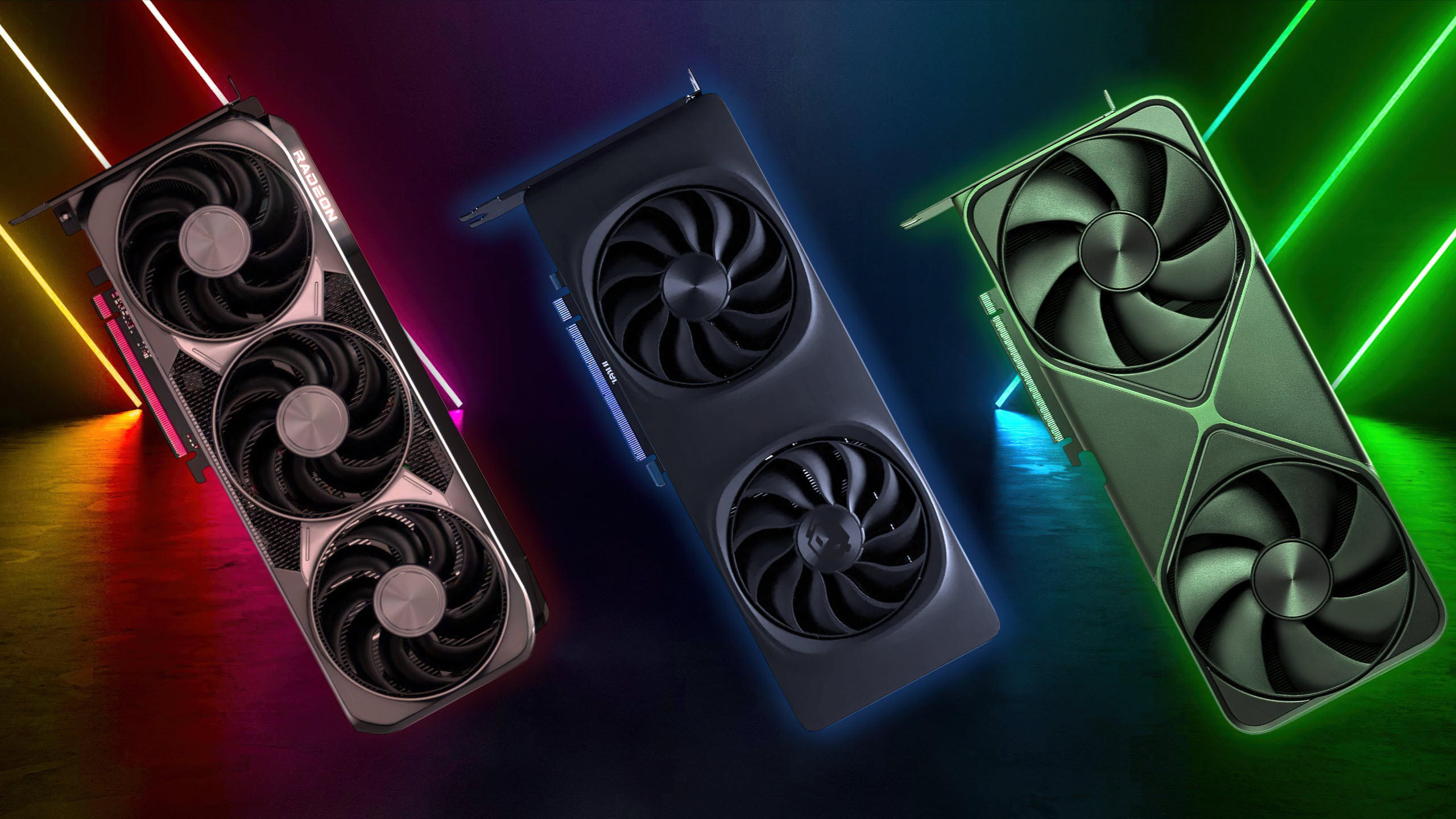
Looking at the wider Blackwell graphics lineup, the leaked specifications resemble an internal configuration option far more than a dedicated 5090 SE product. Reports already point to a GeForce RTX 5080 SUPER with 24GB of GDDR7 on a 256‑bit interface, expanding the upper tier of the family alongside the RTX 5090, RTX 5080, and an expected RTX 5070 Ti. Another source notes that NVIDIA is also reportedly preparing RTX 50 SUPER series GPUs in general, and that an RTX 5080 Ti would neatly fill the performance gap in the stack.
In that context, the cut‑down GB202 description—110 enabled SMs for 14,080 CUDA cores and around 500W TGP—could simply be an early test configuration or a misinterpreted engineering sample, not evidence of a branded 5090 SE. A SUPER or Ti badged card based on this silicon would align with how NVIDIA has historically segmented performance while protecting the top-end flagship identity. The rumor that “NVIDIA is said to be repositioning its upper-end portfolio with a cut-down version of the flagship GB202 processor” does not require the existence of a 5090 SE label at all.
How Enthusiasts Should Treat NVIDIA GPU Leaks
The RTX 5090 SE story is a case study in GPU specifications credibility. When one key specification contradicts known memory configurations—such as 32GB hanging off a 384‑bit bus—that alone should push readers to question the whole narrative. In this case, even one of the reporting outlets states that what the rumor is based on “we cannot verify,” and stresses that all pre-launch information is unconfirmed until an official announcement.
For PC builders, separating legitimate leaks from fabricated or garbled specs is not academic; it affects real spending and timing decisions. A rumored USD 1,500 (approx. ₱84,000) card that demands a 1000W PSU is a serious commitment, not a casual upgrade. Waiting for a phantom product can leave you stuck on aging hardware while prices and lineups move on. The smarter approach is to treat leaks as hints, cross-check claims against technical realities and historical product strategy, and make purchases based on shipping products or clearly credible information. In this case, both the memory math and NVIDIA’s branding history point to the same conclusion: an RTX 5090 SE, as described, is far more rumor than roadmap.