
The Real Measure of CPU Power: Performance per Dollar
Budget gaming CPU comparisons and CPU value analysis focus on how much real-world performance you gain per unit of money spent, revealing that the best affordable processor is usually a midrange or older chip whose CPU performance per dollar beats newer flagship models once prices and typical gaming or work tasks are considered together.
The desktop CPU market has been warped by hype, yet the key takeaway is blunt: midrange and “outdated” chips deliver more value than glamorous flagships. Raw benchmark wins mean little if they cost double for a marginal frame-rate gain. When you look at performance-per-dollar rather than peak numbers, the hierarchy flips, and budget gaming CPUs become the smart choice. Buying an old or midrange CPU for work or gaming can make a lot of sense if you're on a tight budget, but keep in mind that raw performance is far from the only thing that matters. You also care about platform features, power use, and operating system support. Still, the pattern is clear—once you factor in cost, the halo products stop looking like good deals for most players and creators.
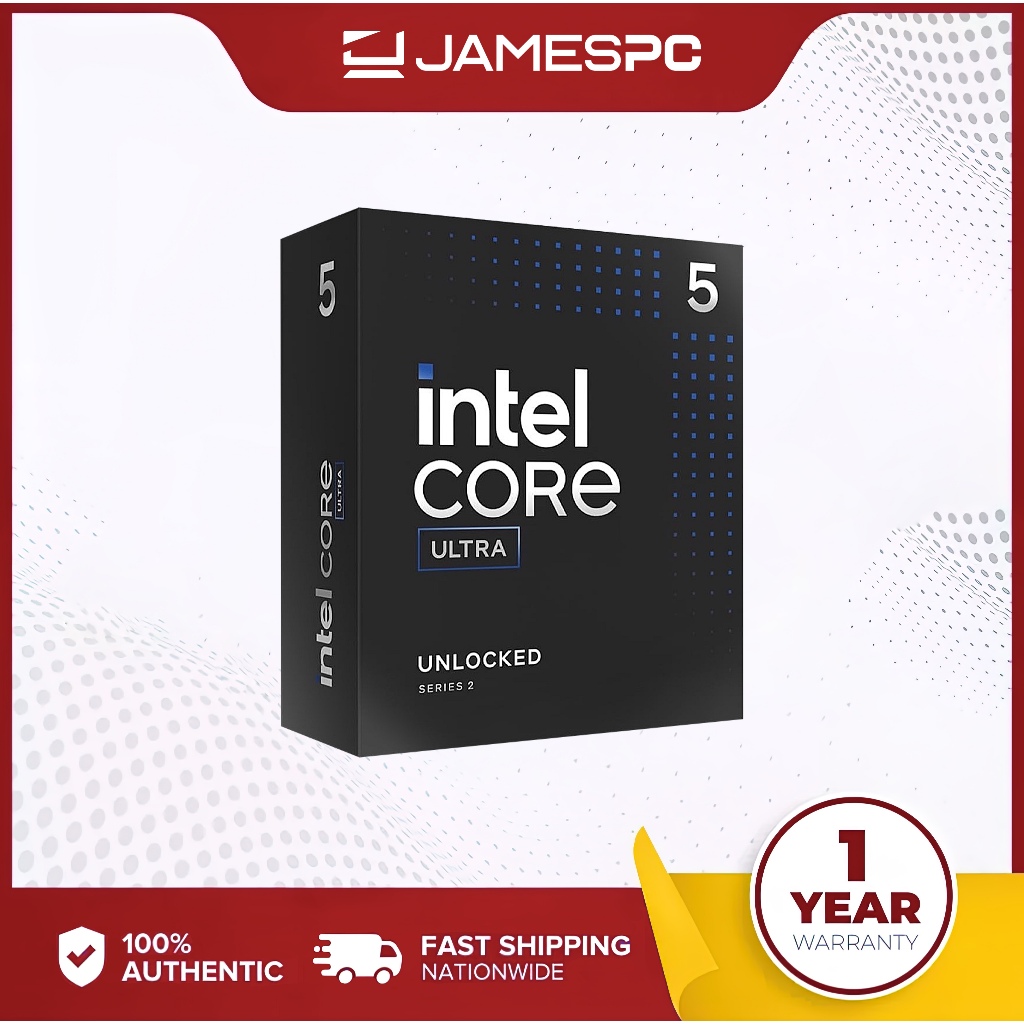
Intel Core Ultra 5 245K: Midrange Price, High-End Output
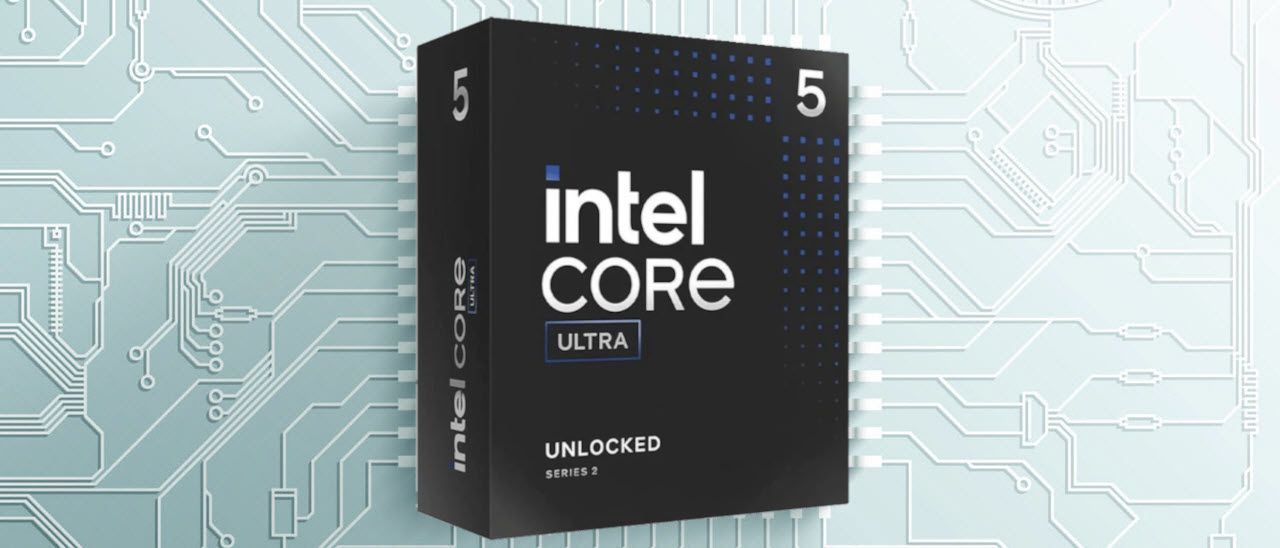
The most obvious modern example of value beating prestige is the Intel Core Ultra 5 245K. This prior‑generation chip has dropped from USD 309.99 (approx. ₱18,000) to USD 179.99 (approx. ₱10,400) on Amazon, a 42% cut that turns it into a budget gaming CPU with serious teeth. It offers 14 cores—6 performance cores and 8 efficiency cores—and supports both PCIe 4.0 and PCIe 5.0 devices, giving you next‑gen storage and GPU bandwidth without paying flagship money.
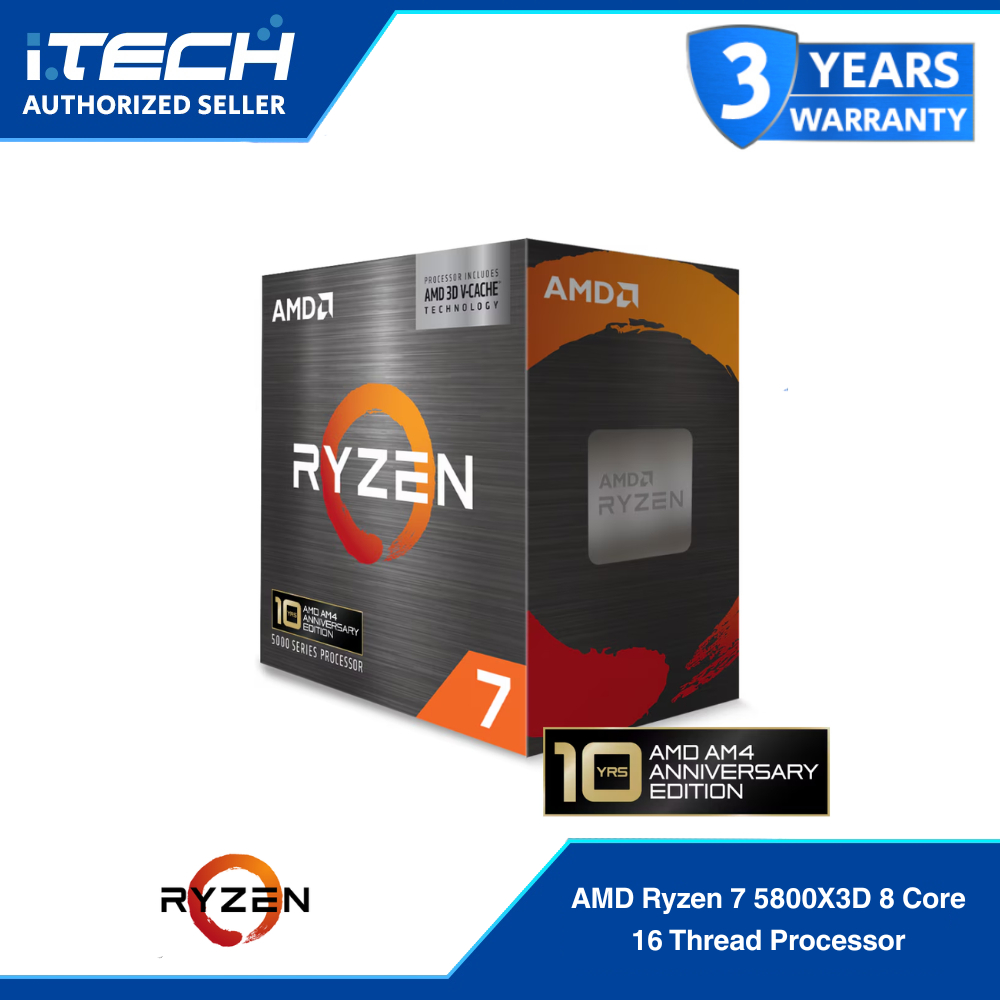
In games, it performs better than AMD's Ryzen 7 5800X3D, which was relaunched as a special edition at USD 349 (approx. ₱20,300). Even at its original USD 310–320 (approx. ₱18,000–₱18,600) launch price, the 245K had the third‑best FPS‑to‑dollar ratio in testing; at USD 179.99 (approx. ₱10,400), it is "basically a no‑brainer" for buyers focused on CPU performance per dollar. The integrated graphics have doubled in capability compared to 14th Gen chips, though they are still no match for a dedicated GPU. For gamers and creators who want strong multithreaded performance and modern I/O, this chip shows how a well‑priced midrange part can outperform more expensive competitors in real value.
Old Coffee Lake and Zen+ Chips: Outdated on Paper, Relevant in Practice
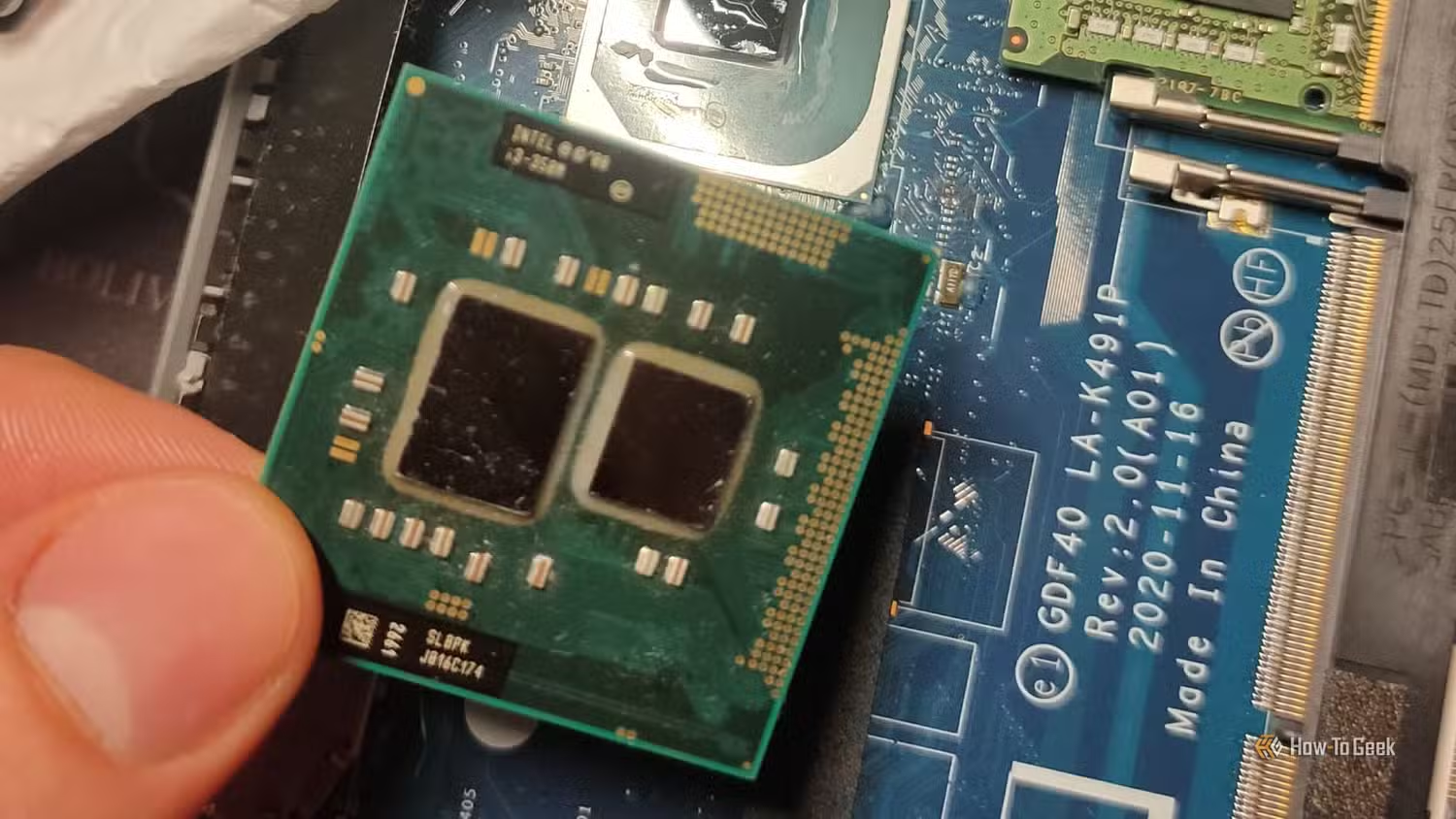
The obsession with the latest silicon leads many people to dismiss older CPUs that still hold up well under everyday loads. There is no shortage of aging desktop chips on the used market, and while some are too slow, others were written off long before they stopped being useful. The Intel Core i7‑8700 from the Coffee Lake generation launched in late 2017 with 6 cores and 12 threads as a direct answer to first‑generation Ryzen. Those six physical cores remain a sweet spot for gaming and general use, even if they show signs of struggle in heavier multithreaded workloads.
Its strong single‑core performance lets it keep up surprisingly well in modern games when paired with an entry‑level graphics card at 1080p. An unlocked sibling, the i7‑8700K, paired with an NVIDIA RTX 4090 at 1080p, averaged 63 FPS in Dragon's Dogma 2, 88 FPS in Starfield, and 69 FPS in Baldur's Gate 3, hitting 239 FPS in F1 24 and 393 FPS in Rainbow Six Siege. The non‑K chip sits only a few percentage points behind, yet now costs a fraction of newer CPUs. When you factor price in, this makes it one of the best affordable processors for people upgrading older systems without re‑platforming. You get Windows 11 support along with PCIe 3.0 NVMe and DDR4; newer standards are faster but more expensive, and most day‑to‑day tasks do not need the extra headroom.
Ryzen 7 2700X: Eight Cores for the Price of Dinner
AMD’s Ryzen 7 2700X from the 2018 Zen+ refresh is another case study in CPU value analysis. Built on a more efficient 12 nm process than first‑generation Zen and paired with architectural improvements, it reached higher clock speeds while using less power. More importantly in a modern context, Zen+ meets Microsoft's requirements for official Windows 11 support, unlike the original Zen lineup. With 8 cores and 16 threads, and a launch MSRP of USD 329 (approx. ₱19,100), it was a standout all‑rounder for heavy workloads and gaming alike.
Today, its sibling Ryzen 7 2700 delivers 52 FPS in Dragon's Dogma 2, 66 FPS in Starfield, 53 FPS in Baldur's Gate 3, 171 FPS in F1 24, and 277 FPS in Rainbow Six Siege. You can expect a few percent more from the 2700X variant. Yet on the used market, the 2700X can be found for around USD 50 (approx. ₱2,900) or less, making it an excellent entry point into PC gaming. That is where CPU performance per dollar matters most: a chip that once aimed at enthusiasts has become a budget gaming CPU that can match console‑level performance for a tiny cost. The downside is its 105 W TDP, which means higher power draw and more heat. Even with that limitation, for multitasking and 1080p gaming on tight budgets, this is one of the best affordable processors you can pick up second‑hand.
How to Judge a CPU’s True Value
The pattern across these examples is clear: performance-per-dollar reveals surprising winners outside the flagship tier. The Core Ultra 5 245K offers 14 cores and PCIe 5.0 support at USD 179.99 (approx. ₱10,400), with one of the strongest FPS‑to‑dollar ratios tested. The Ryzen 7 2700X, now around USD 50 (approx. ₱2,900) on the used market, still delivers respectable frame rates and heavy multitasking capability. These CPUs are still worth buying today, but you should temper expectations and understand their limits.
Judging CPU value means looking beyond branding. Ask how many frames or how much render speed you gain per unit of currency. Consider platform support such as Windows 11 compatibility, PCIe and memory standards, and power consumption, since these affect total system cost and practicality. For most gamers and creators, the best affordable processor will not be a top‑end halo part, but a midrange or previous‑generation chip with strong single‑core performance, enough threads, and an attractive price. When you put performance, features, and cost in the same equation, budget gaming CPUs stop looking like compromises and start to look like the smart default.