
RTX is no longer a flex — it is the new baseline
RTX frame generation gaming refers to the use of dedicated GPU hardware and software, such as DLSS multi-frame generation and advanced ray tracing, to synthesize extra frames and simulate realistic lighting so that modern games can run at higher frame rates and visual quality than traditional rasterized rendering alone can deliver. This is no longer a niche feature for graphics enthusiasts; it is fast becoming the default expectation for major PC releases. The most telling sign is that flagship titles and platform strategies are now built around RTX support from day one instead of treating it as a later patch or premium bonus mode. That shift has big implications for how games are built, optimized, and even marketed to players.
Gears of War: E-Day proves day-one RTX is the new standard
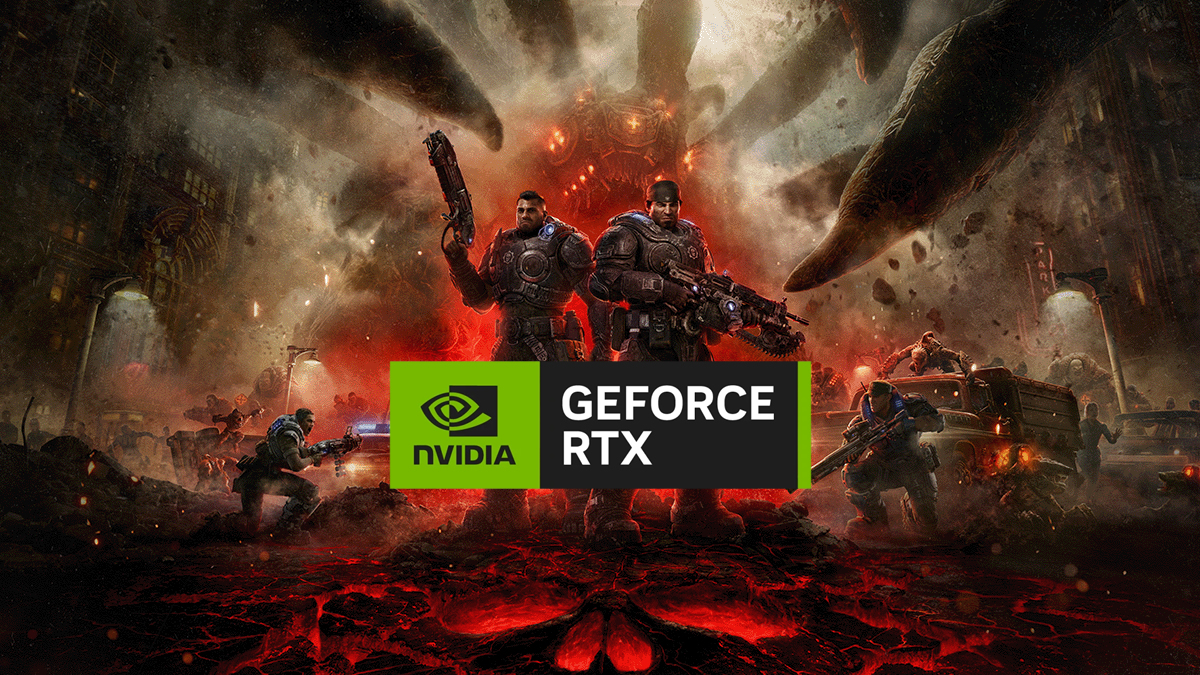
Gears of War: E-Day is the clearest signal yet that RTX is moving from optional eye candy to core design pillar. Nvidia and The Coalition released a PC-focused trailer confirming official RTX support on day one, with the game launching on PC and Xbox on October 6th 2026. On compatible GeForce RTX hardware, E-Day supports DLSS 4.5 upscaling, multi-frame generation, and Dynamic Frame Generation. In other words, the full RTX frame generation gaming toolkit is not a side mode; it is baked in at launch.
The visual ambitions match that commitment. Built on Unreal Engine 5.8, E-Day makes extensive use of ray tracing via “MegaLights”, enabling ray-traced shadows from up to 100 light sources on PC and consoles. Lumen adds ray-traced global illumination and ambient occlusion, and the developers call ray tracing “a must” on all platforms. Nanite can increase object detail by up to 100x compared to Gears 5, while the world supports far more real-time destruction. This is not an RTX toggle; it is the foundation of how the game looks and feels.
Crucially, performance and responsiveness are treated as features, not afterthoughts. DLSS 4.5 handles upscaling and frame generation, while Nvidia Reflex is supported to reduce PC latency, making the game feel more responsive and offering an advantage in both campaign and competitive play. The message is clear: if you ship a big-budget PC game in this era, players will expect high-end ray tracing adoption, DLSS technology, and latency optimization on day one, not in a future patch.
Nvidia–Sega partnership: RTX Spark turns features into a platform requirement
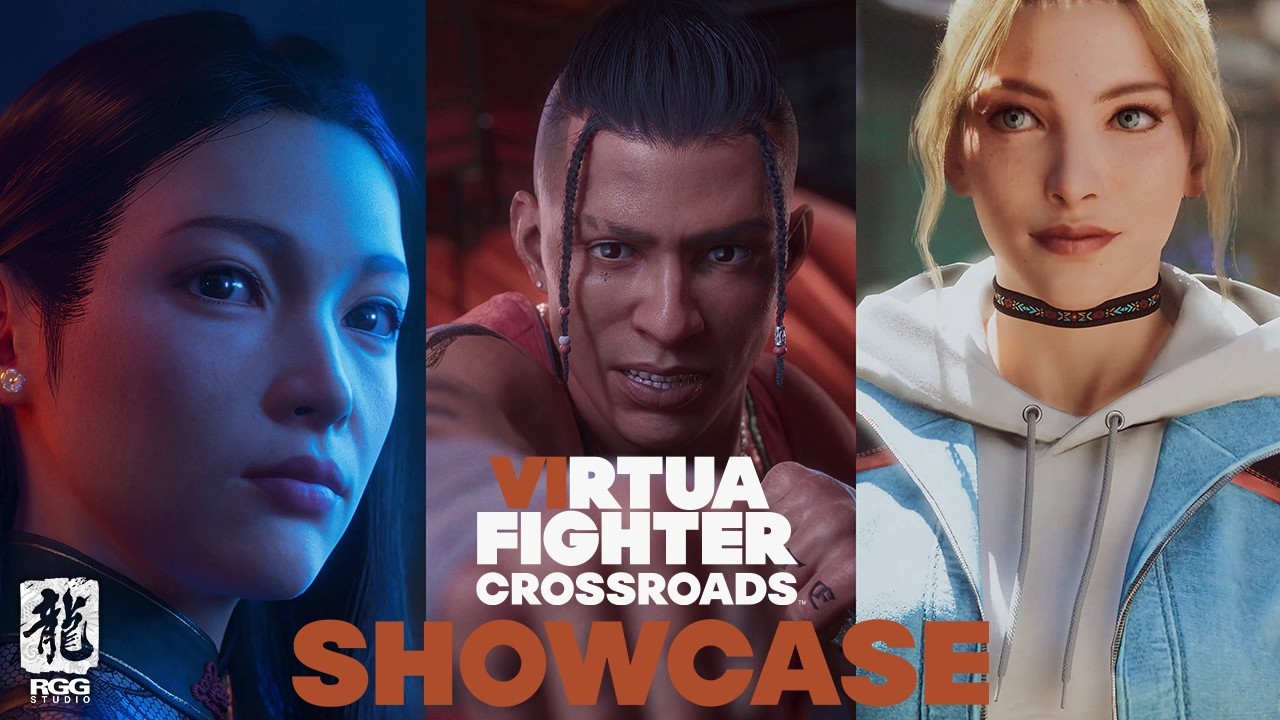
If Gears of War: E-Day shows RTX maturing at the game level, Nvidia’s new alignment with Sega shows the same shift at the platform level. Nvidia’s RTX Spark platform, built around the GB10 Superchip and an “agentic AI PC” vision, arrives later this year, and the company is busy building a partner ecosystem to ensure Windows and applications are ready. As part of that groundwork, Sega will support RTX Spark with Virtua Fighter Crossroads, coming in 2027, and has committed to RTX Spark support for future titles.
This is not a one-off marketing bundle; it is a strategic pipeline. The companies’ commitment to future Sega titles means evergreen series like Yakuza, Persona, Alien: Isolation 2, and Total War: Warhammer are likely to receive first-class RTX Spark support. That implies native builds for Windows on Arm instead of relying on an x86 emulator, plus a technical baseline where DLSS upscaling and Multi Frame Generation are assumed, not optional, to get the best experience on RTX Spark systems.
The hardware reality makes this more than marketing. While the GB10 Superchip can approach desktop RTX 5070-level compute on paper, its unified memory and limited bandwidth create performance challenges for high-end games. According to one report, “the unified memory architecture and relatively limited memory bandwidth of the GB10 Superchip… are likely to make the incorporation of DLSS tech important for the best experience”. That is GPU game optimization by design: frame generation and smart upscaling become necessary tools to hit performance targets, not optional nice-to-haves.

From premium checkbox to shared standard
The pattern is clear: RTX features are converging into a shared standard across hardware vendors and game studios. On the game side, Gears of War: E-Day will be “RTX-On” at launch, with ray tracing described as a must on all platforms and DLSS 4.5 frame generation integrated from day one. On the platform side, RTX Spark is launching with a long-term partner, and Sega has committed support not only for Virtua Fighter Crossroads in 2027 but also for future games in its biggest franchises.
These strategic partnerships are doing the quiet work of standardization. Nvidia is building a partner ecosystem around RTX Spark and the GB10 Superchip so Windows and applications arrive ready for its AI PC vision. Sega is aligning its future catalogue with this platform, while The Coalition is treating DLSS, ray tracing, frame generation, and latency reduction as core launch features rather than checkboxes. The result is that RTX frame generation gaming, ray tracing adoption, DLSS technology, and GPU game optimization are being normalized across genres and hardware.
Whether RTX Spark reshapes the wider PC landscape when it arrives this fall remains to be seen. But for ordinary players, the practical impact is already visible: smoother performance through DLSS multi-frame generation, more responsive controls via features like Reflex, and lighting models that make non-RTX modes feel dated by comparison. The industry has quietly answered a big question: RTX is no longer a luxury feature you switch on to show off your rig; it is the baseline you expect any serious AAA release to meet.