
From Dumb Metal Boxes to Smart Thermal Guardians
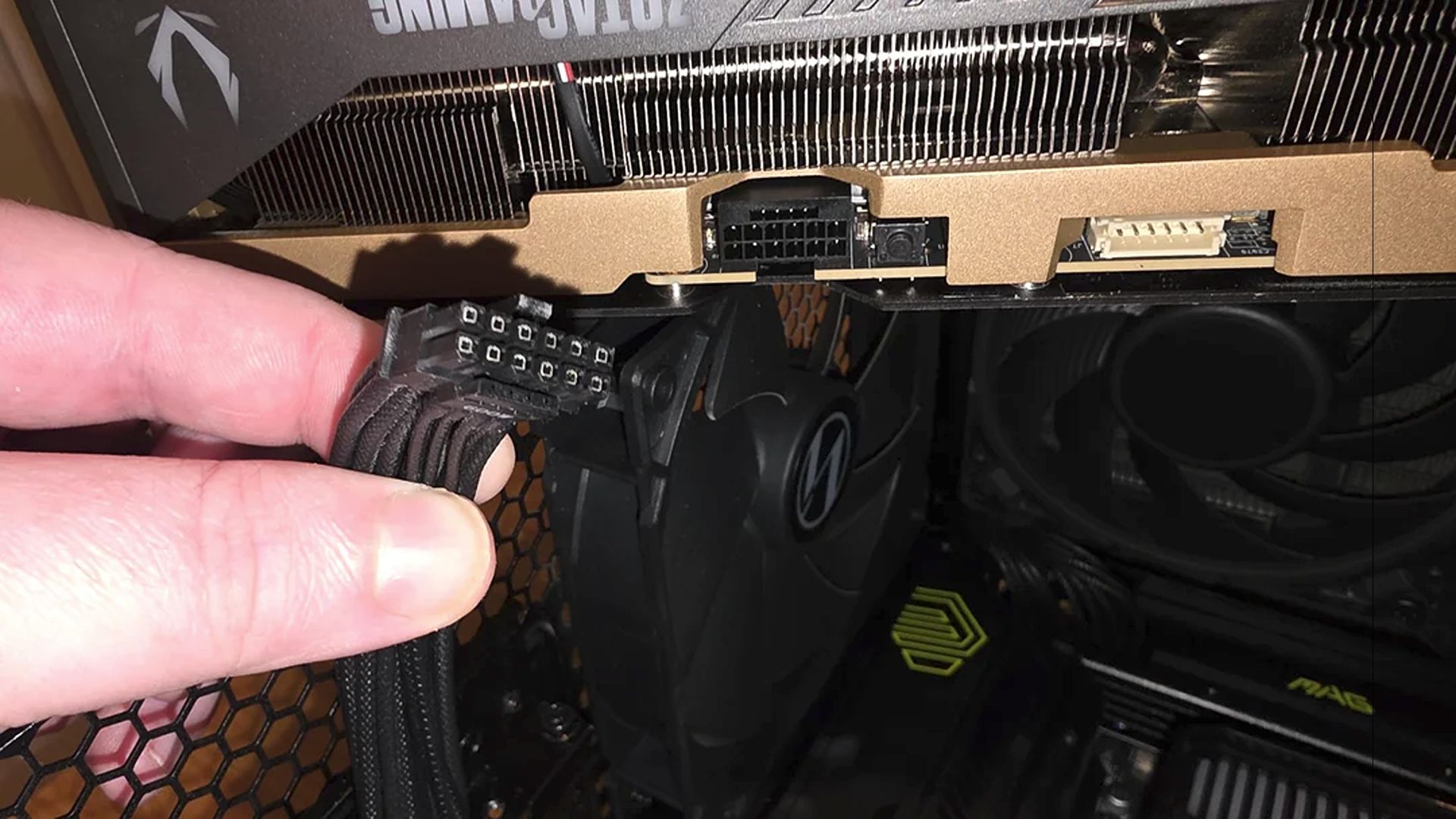
Active thermal monitoring PSUs are power supplies that continuously track the temperature of modern GPU power connectors in real time, automatically warning users and reducing or cutting power when overheating is detected so that 12VHPWR cable failures are prevented before they turn into melted plastic and dead graphics cards. This is the shift high‑end PCs have needed. For years, 12VHPWR and 12V‑2×6 connectors have been infamous for melting and killing expensive GPUs, leaving enthusiasts paranoid every time they build or upgrade a system. The problem was never only raw power; it was the combination of high current, small pins, and human error—loosely seated plugs and over‑bent cables. Relying on luck and post‑mortem troubleshooting in forums has been the default response. Smart PSUs flip that script: instead of asking, “What went wrong?” after the smoke, they ask, “Is anything getting too hot?” every second the system is on.
Inside GIGABYTE’s T-Guard: Real-Time 12VHPWR Connector Safety
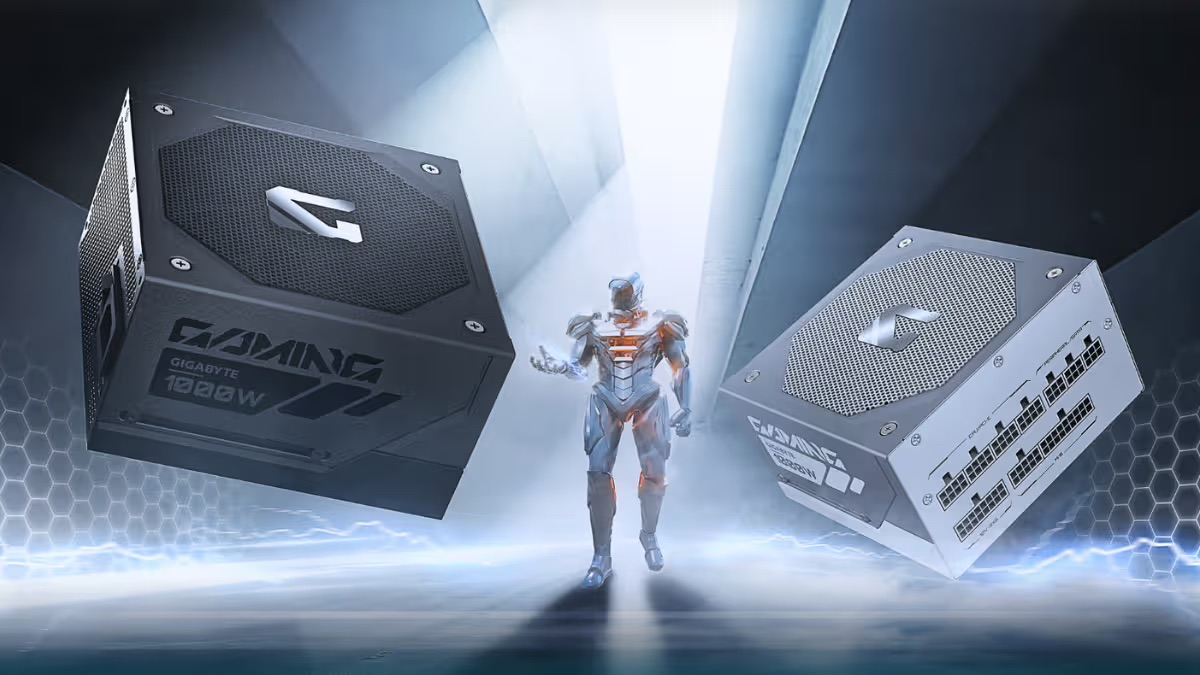
GIGABYTE’s new GAMING Series PSUs put that philosophy into silicon with T‑Guard, an active safety system built specifically for the 12V‑2×6 GPU connector. The PSU continuously monitors the connector using built‑in temperature sensors instead of waiting until something fails. If it detects abnormal heat—whether from a loose cable or an excessive electrical load—it immediately alerts the system and starts protecting the hardware. Crucially, it doesn’t blindly yank the plug on the entire PC. Rather than shutting down the whole machine, the PSU intelligently reduces power only to the graphics card so the rest of the system keeps running. That gives you time to save work and shut down gracefully, and if your CPU has integrated graphics, you still get a usable display for troubleshooting instead of a panic‑inducing black screen. According to GIGABYTE, “combined with real-time temperature monitoring, automatic GPU power limiting, and the ability to recover your work before shutdown, T-Guard offers three layers of protection against connector failures.”
Why GPU Cable Overheating Became Everyone’s Nightmare
Enthusiasts aren’t paranoid about GPU cable overheating for no reason. Since the move to the 12VHPWR (12V‑2×6) connector, there have been regular stories of plugs melting and taking flagship GPUs with them. That failure pattern exposed how fragile 12VHPWR connector safety was when it depended entirely on perfect installation and steady hands. Manufacturers tried band‑aid fixes: color‑coding cables to show when they’re fully seated, external monitoring tools that track voltage and temperature at the plug, and digital layers of protection built into PSUs. These helped, but they still assumed users would notice issues in time. In reality, many only learn something was wrong when they hear a pop and smell burning plastic. The community has been stuck in a reactive cycle—watching for horror posts, then re‑checking their own builds. Smart PSU monitoring is appealing precisely because it doesn’t trust human vigilance alone.
Proactive Thermal Protection Beats Post-Mortem Cable Forensics
The core improvement of thermal protection PSUs is simple: they turn power delivery from a fire‑and‑forget system into a continuously supervised one. T‑Guard’s sensors watch GPU connectors in real time for abnormal heat, then step in by alerting the system and throttling the GPU’s power before the cable reaches failure temperatures. That is a decisive break from the old model, where protection meant responding only after a short circuit or over‑current event had already occurred. It also lines up with the wider trend of power supply monitoring and digital safeguards that add multiple layers of protection around the cable. This proactive approach doesn’t magically make every 12VHPWR plug indestructible, but it does minimize the risk window: instead of a slow, unseen thermal runaway, you get early warning and controlled intervention. For high‑end systems pushing enormous power through small connectors, that’s not a luxury feature—it’s table stakes.
Cables Aren’t Your Only Enemy—But They’re Finally Defensible
Smart PSUs won’t stop every kind of GPU disaster, and that’s an important reality check. A recent case of a top‑tier graphics card going up in smoke showed a pristine 16‑pin power connector while the real damage sat on the PCIe interface, likely from a short near the MLCC capacitor array and possible PCB cracking under sagging weight. Mechanical stress, poor support, and simple bad luck can still kill a card even if the cable is perfectly safe. But that’s exactly why active cable monitoring matters: it removes one of the most common and preventable failure points from the equation. With real-time detection that can cut or limit power before catastrophic cable damage occurs, you move from hoping your connectors survive to knowing your PSU is watching them constantly. The cables become a defensible part of the build, letting you focus on better card support, airflow, and long‑term maintenance instead of living in fear of your 12VHPWR plug.