
From Novel Gadget to Conservation Workhorse
A 360-degree camera is a compact imaging device with lenses that capture every angle of a scene at once, allowing conservationists and wildlife photographers to record immersive video documentation of animal behavior and habitat conditions with a single tool that sees in all directions and preserves crucial environmental context that traditional lenses leave out. This shift matters: conservation has a storytelling problem, not just a data problem. When biodiversity loss is presented as charts and policy briefs, it fails to move people. But when threatened species are shown in full, living context, they stop being abstract statistics and start becoming neighbors. That emotional pivot is exactly where 360 degree camera conservation shines—turning distant creatures into subjects the public can care about, fund, and defend.
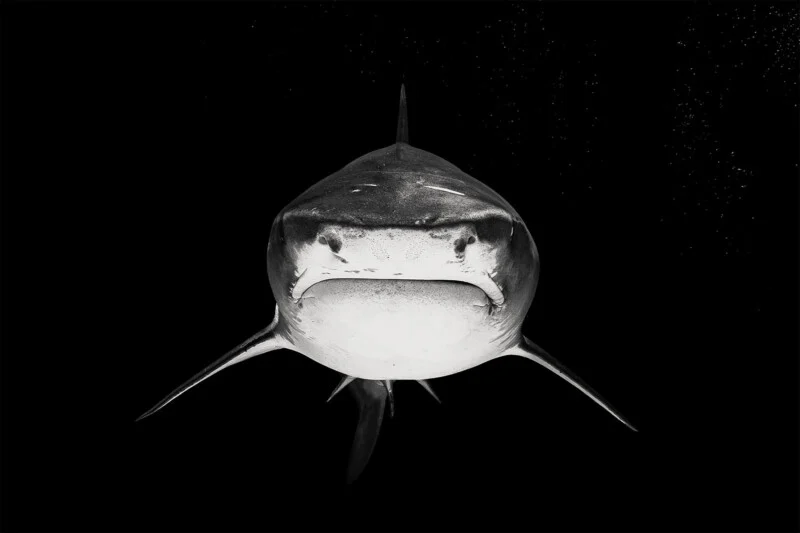
Seeing Habitat from Every Angle Changes the Science
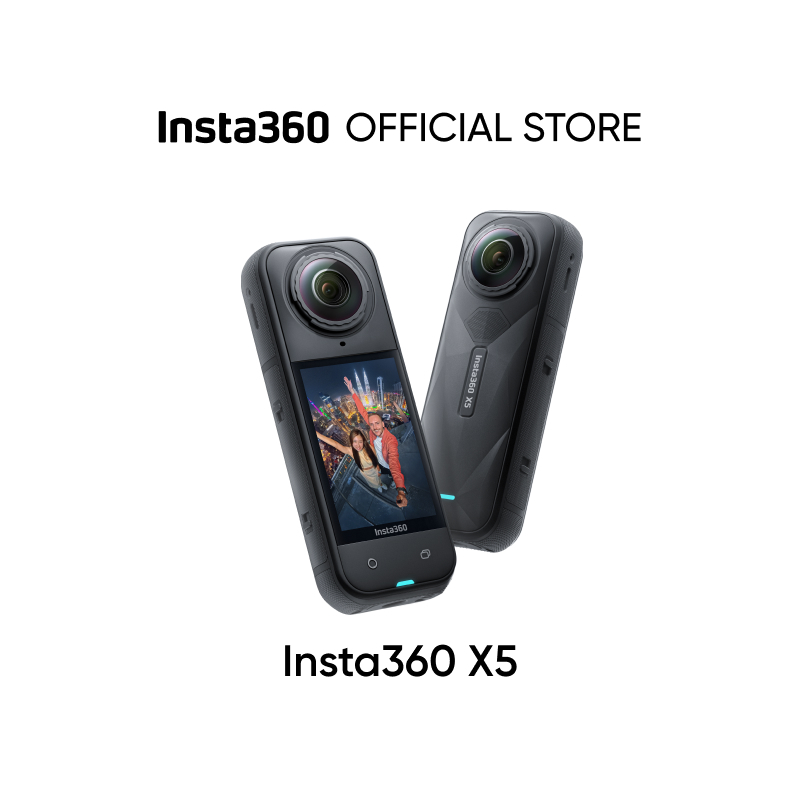
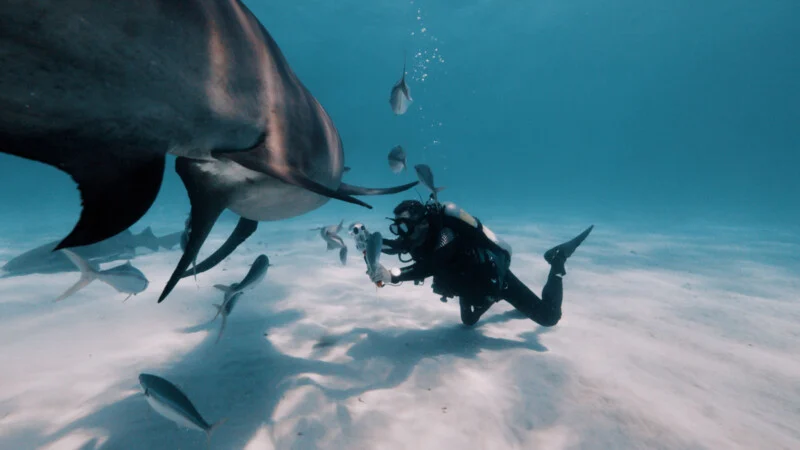
Traditional wildlife photography technology is built around narrow fields of view. It excels at portraits and single moments, but it slices reality into frames that can hide as much as they reveal. By contrast, cameras like the Insta360 X5 “see in every direction at once,” are tough, tiny, and deliver impressive underwater image quality for their size. That omnidirectional vision is not a gimmick; it unlocks behavioral and habitat insights that matter for field research. When a device can sit on the ocean floor while sharks choose to interact with it, as Ari Rabin-Havt has done to let sharks effectively “take the picture themselves,” scientists can study approach patterns, social dynamics, and environmental conditions in a continuous sphere rather than a thin slice of ocean. This richer context helps conservation teams design protections grounded in how animals actually use space.
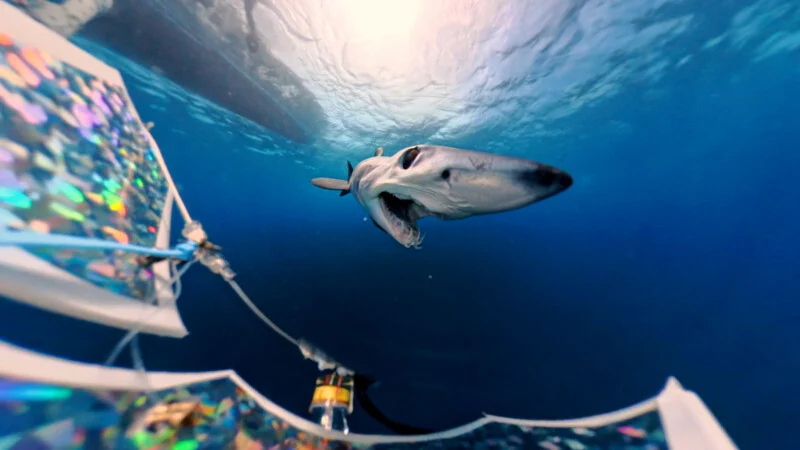
Immersive Storytelling Is Now a Conservation Strategy
Conservation does not advance on science alone; it advances when the public cares enough to force political action. That is why immersive video documentation has become a strategic tool rather than a side project. Insta360’s Shark Awareness Day campaign, produced with conservationists, photographers, and cinematographers, uses 360-degree cameras to show perspectives most people will never experience first-hand. According to Max Richter, Co-Founder and VP of Marketing at Insta360, “new perspectives have the power to change the way people see the world,” and this campaign aims to show sharks through the eyes of those who know them best. When audiences can “stand” in the water inside a great hammerhead’s world or watch a great white glide through a full sphere of light and reef, fear-based myths lose their grip. That kind of shark conservation photography is political persuasion disguised as awe.
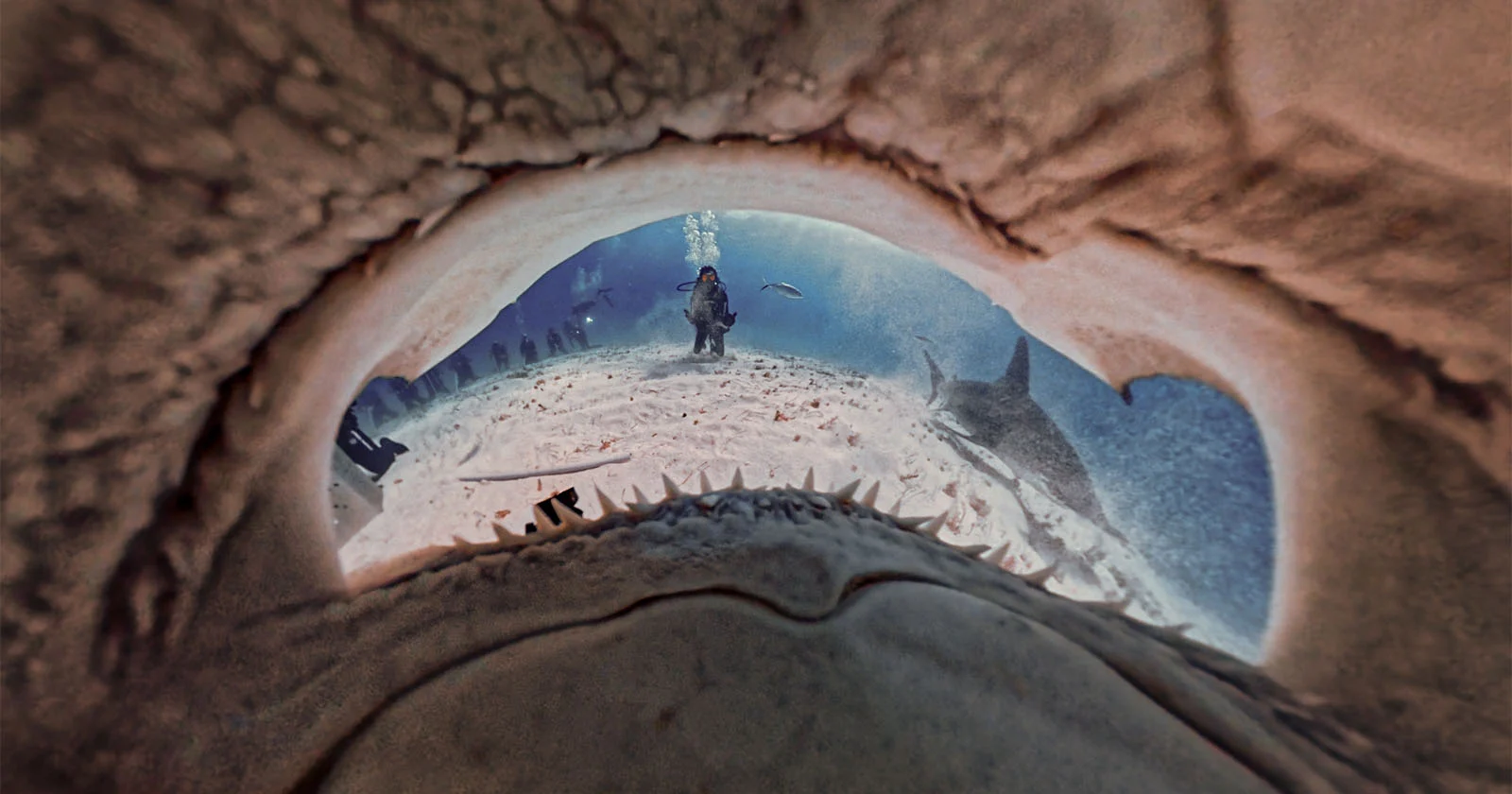
Shark Conservation Shows the Real-World Impact
Sharks are facing existential threats, yet for decades they have been cast primarily as villains. Ari Rabin-Havt calls it a “narrative problem” and argues that photography can replace the fear-driven picture in people’s heads with one built on curiosity and respect. His work, alongside shark conservationist ZimyDaKid, Tiger Beach specialist Roy Mauritsen, and Emmy-winning cinematographer Andy Casagrande IV, uses Insta360 gear to reveal sides of sharks most viewers have never seen. Rabin-Havt’s viral images captured from inside a shark’s mouth were possible only because a small 360-degree camera could be safely placed on the seabed and allowed the animals to decide whether to interact. This is 360 degree camera conservation at its most persuasive: intimate, voluntary encounters that show sharks as precise, ancient creatures whose protection is tied directly to ocean health and, ultimately, human wellbeing.
Compact 360 Tech Will Push Conservation Even Further
If immersive wildlife photography technology is to become a staple of conservation fieldwork, it has to be portable, durable, and simple. The Insta360 X5 already fits that brief with a tiny, tough body that expands a photographer’s imagination rather than limiting it. Now, leaks around the upcoming X6 suggest an even more compact, “stubbier” format, with fewer front buttons, a dotted finish for grip, and more pronounced side buttons that are easier to use with gloves. Marketing material points to 8K 360 video at 50fps, an upgrade over the X5’s 8K30 recording, and a rumored new 1-inch CMOS sensor. More resolution and smoother frame rates are not mere specs; they mean clearer behavior analysis, more convincing immersive storytelling, and lighter kits for researchers trekking across reefs, forests, and polar ice. As retailers already begin receiving stock and official details loom, it is hard to avoid one conclusion: future conservation campaigns will increasingly be designed in 360 degrees.