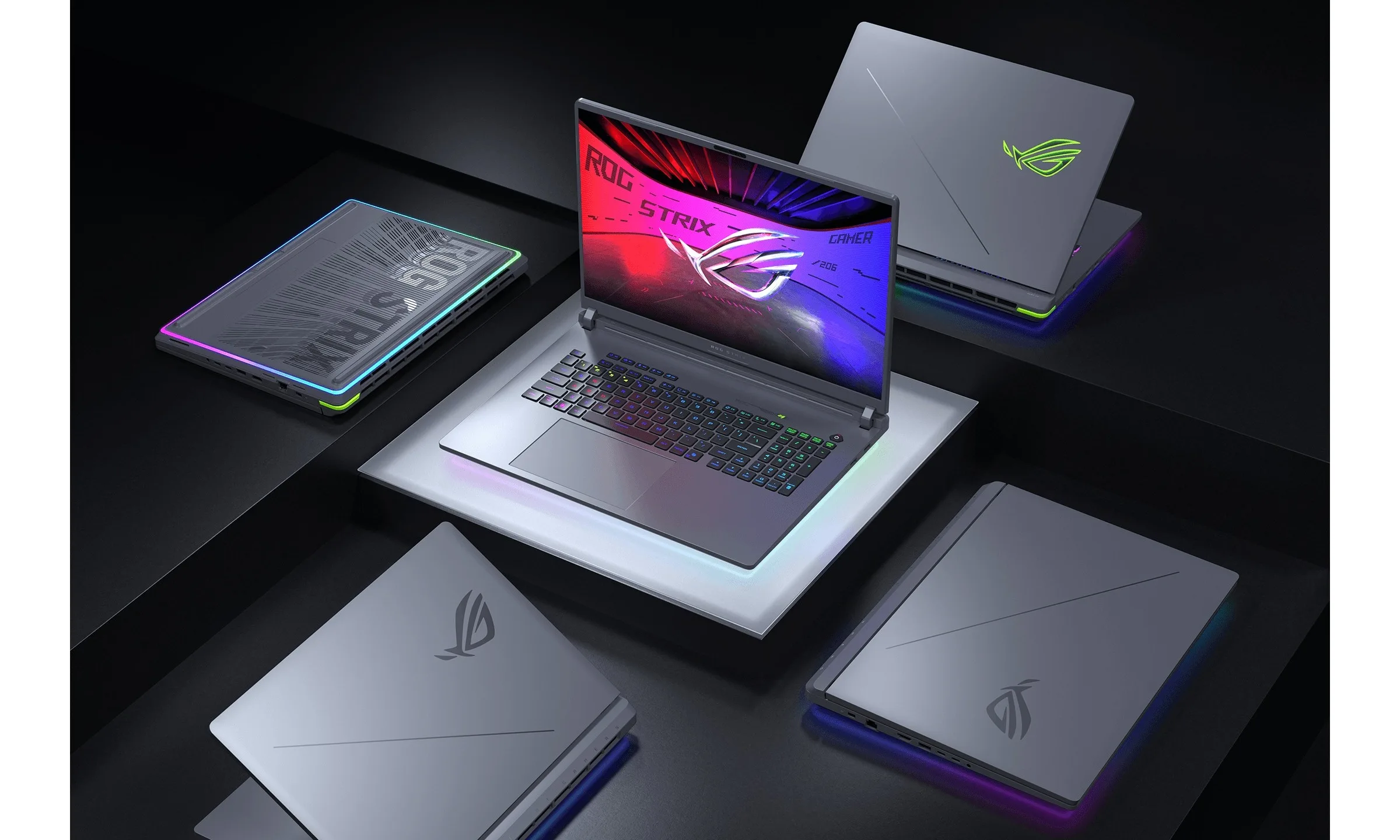

The ROG Strix G18 in a sentence: a desk-class rig you can move
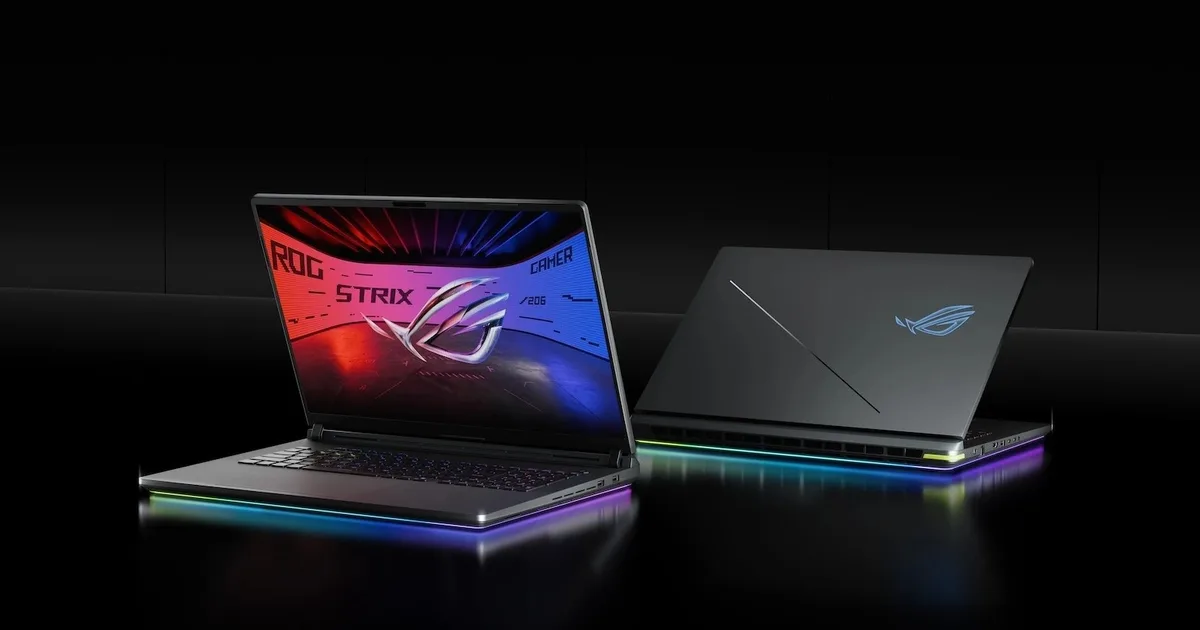
The ASUS ROG Strix G18 is a high-end gaming laptop that combines an 18-inch 240Hz Mini LED display, an Nvidia GeForce RTX 5080 Laptop GPU, and a 24‑core Intel Core Ultra 9 290HX Plus processor to deliver desktop‑class performance in a portable form factor aimed at enthusiasts and content creators. ASUS has started rolling out the 2026 ROG Strix G18 globally as a slightly toned‑down version of its Scar 18 sibling, keeping the same flagship CPU and focusing its top configuration on that RTX 5080 plus the Mini LED panel. From the outset, this machine makes a clear statement: if you want uncompromising performance and are willing to pay for it, this is the tier ASUS thinks you should be shopping in.
Display and GPU: where the ROG Strix G18 earns its premium
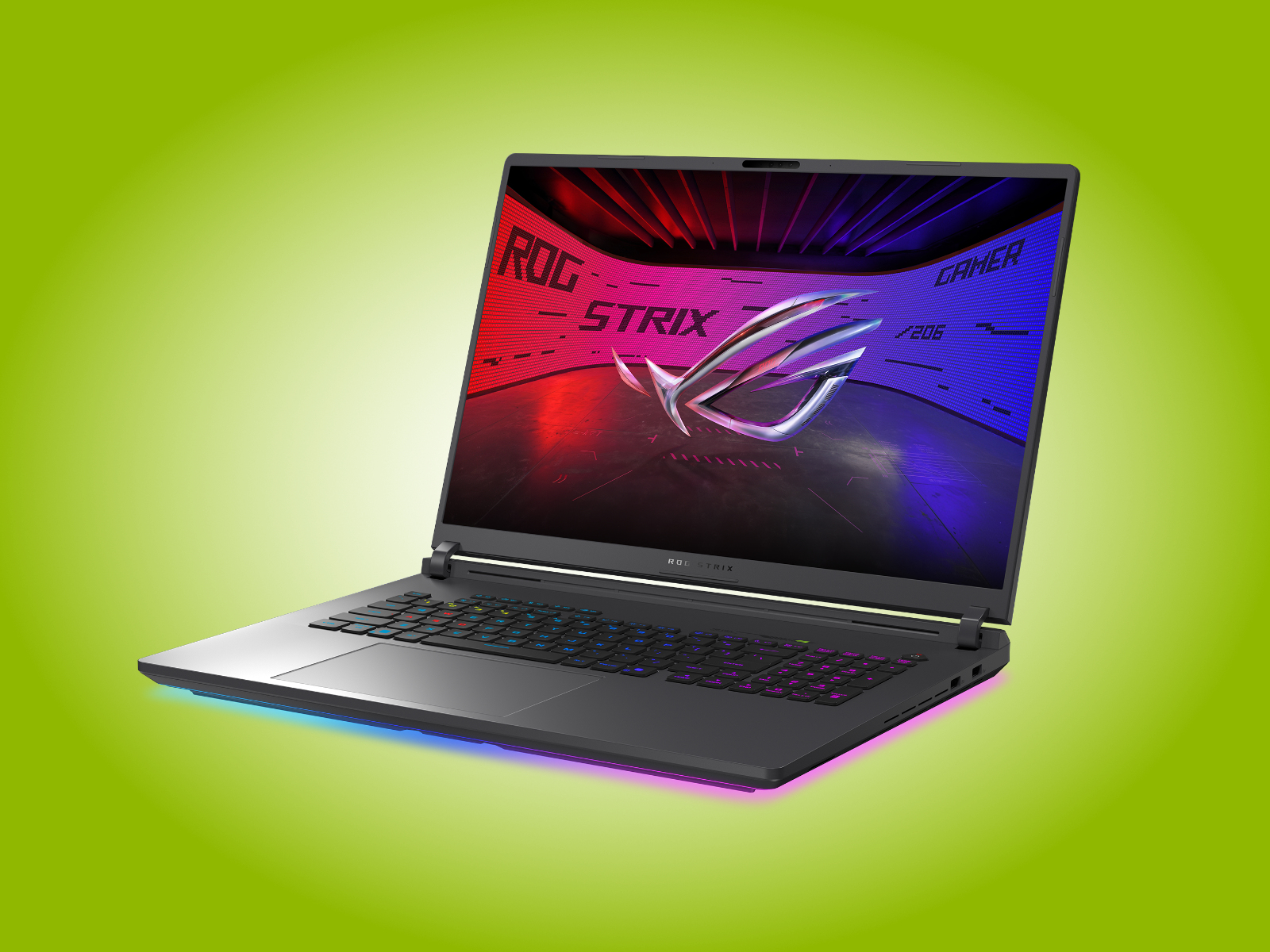
On paper, the most compelling reason to consider the ASUS ROG Strix G18 is its top configuration pairing a gaming laptop RTX 5080 with a 240Hz Mini LED display. That 18‑inch panel runs at 2560 x 1600, retains a 240Hz refresh rate, packs more than 2,000 local dimming zones, hits up to 1,200 nits of peak brightness, and covers the full DCI‑P3 color space. Lower‑tier models swap Mini LED for an IPS‑level 2560 x 1600 display at 300Hz, sacrificing deeper blacks and stronger HDR but favoring slightly higher refresh for competitive players. Crucially, the choice of resolution is smart: the lower pixel count than 4K better matches the RTX 5080, giving the GPU more room to push high frame rates in demanding games without losing much sharpness on an 18‑inch screen. This is the rare case where a vendor’s spec decisions align with real‑world gaming needs instead of spec‑sheet bragging rights.
Design, cooling, and upgradability: built for sustained workloads
The ROG Strix G18 is not pretending to be an ultrabook. ASUS claims to have refined its design for the 2026 edition with chamfered edges, but the laptop still weighs over 3 kg and keeps the same 90 Wh battery as its predecessor. What you get for that heft is serious thermal engineering: three fans, an end‑to‑end vapor chamber, liquid metal on the CPU, and a full‑width heatsink mean ASUS has not cut back much on cooling. That matters for more than gaming. Content creators pushing long renders or heavy video timelines need sustained performance, not short‑burst benchmarks, and this cooling layout is clearly aimed at that crowd. Practical touches reinforce the workstation ambition: RAM and storage are easy to upgrade via a tool‑free bottom panel, with support for up to 64GB of memory and two SSDs (one slot pre‑occupied). A built‑in number pad, mechanical trackpad, and per‑key RGB keyboard round out a design that favors long sessions over casual portability.
Pricing tiers: how much performance are you paying for?
ASUS positions the ROG Strix G18 firmly in premium territory. The entry configuration with a single Thunderbolt 4 port and a GeForce RTX 5060 laptop GPU starts at CAD 3,099 and €2,699. Elsewhere, the 2026 ROG Strix G18 steps up to at least a GeForce RTX 5070 Ti plus dual Thunderbolt 5 ports, still paired with the same Core Ultra 9 290HX Plus processor. Those RTX 5070 Ti models start at CAD 4,399, €3,099, HKD 27,998, £2,899 and USD 3,299 (approx. ₱192,000). The full‑fat RTX 5080 configuration with the Mini LED display is even more expensive: ASUS sells a version in the UK for £3,699 (~USD 4,795, approx. ₱279,000) with 32GB of RAM and a 2TB SSD. One source sums it up plainly: “It is cheaper, but certainly not cheap”. You are paying a sizeable premium for the Mini LED panel and the RTX 5080, roughly 25% more than comparable RTX 5070 Ti models. At these prices, this is not a mass‑market gaming laptop; it is aimed squarely at buyers who treat their machine as both a top‑tier gaming rig and a portable production workstation.
Is the Strix G18 worth it—and what happens next?
The ROG Strix G18 absolutely earns its label as a high-end gaming laptop, but whether it deserves your money depends on how often you will push it to its limits. If your typical workload is esports titles at lower settings, the RTX 5060 or 5070 Ti configurations with the 300Hz IPS panel already sit near the top of the market and cost far less. The RTX 5080 plus 240Hz Mini LED combo makes sense for enthusiasts who demand HDR, deep contrast, and high frame rates in demanding games, and for creators who will benefit from the color‑accurate, bright screen and strong cooling over long renders. In short, this laptop makes the most sense as a portable workstation‑grade machine that also happens to excel at gaming. Global rollout has begun, but the Mini LED RTX 5080 model has not yet appeared in the US, where only an RTX 5070 Ti configuration at USD 3,299.99 (approx. ₱192,000) is listed so far. We expect the Mini LED version to arrive there soon, although ASUS has not confirmed a timeline. Until then, the Strix G18 stands as a clear signal of where the enthusiast tier is heading: bigger screens, brighter HDR, and prices that demand serious use to be justified.