
Softbox vs Umbrella: The Core Decision
Softbox vs umbrella is a common studio lighting modifiers question that compares two ways of turning a small, hard light source into a larger, softer and semi-directional light, helping photographers shape illumination, control spill, and match their shooting style and studio space preferences. For most studio photographers, softboxes win when you need controlled, sculpted light with clean edges on faces or products, while umbrellas shine in fast-paced sessions where you care more about flattering coverage than precision. Both are central pieces of photography lighting equipment, but they serve different priorities: softboxes are about control, umbrellas about speed and spread. If you shoot careful portraits or products in a fixed studio, start with a softbox; if you bounce between locations or events and just need pleasant, broad light, an umbrella is usually the more practical choice.
Light Quality and Control: Soft, Wide vs Soft, Focused
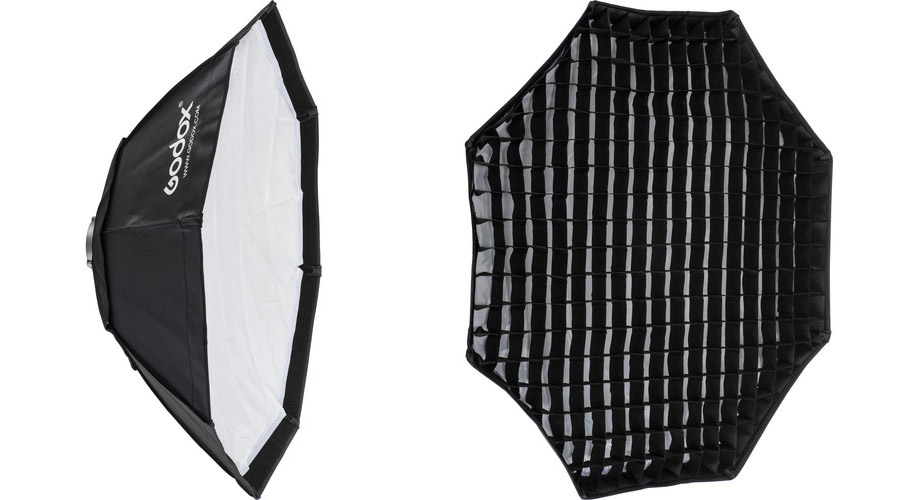
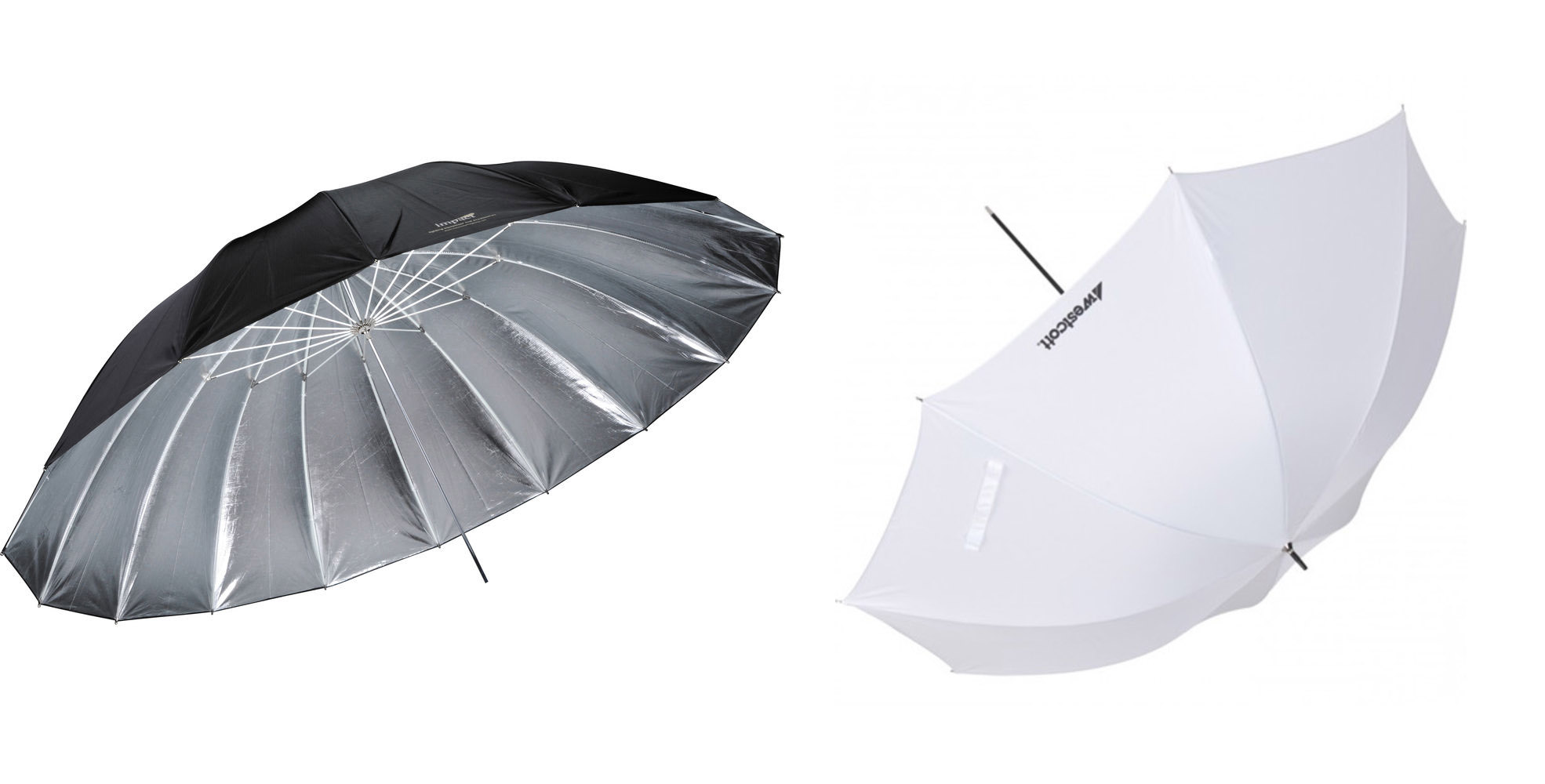
Both softboxes and umbrellas turn a point source into softer light, but they do it with very different personalities. Umbrellas tend to “spill light everywhere”, offering less directional control and a wide, diffuse spread that is excellent for general fill and covering groups or larger scenes. A white shoot-through umbrella gives gentle, flattering illumination when you place it near or behind the camera, while a black-backed bounce umbrella narrows the throw a bit and cuts spill toward the camera. Softboxes, in contrast, act like compact tents: they enclose the light, channel it forward, and produce more directional, precise illumination with defined edges. Add grids and you can confine the beam even further, picking out faces or products while keeping backgrounds dark. This makes softboxes a better choice when you want to sculpt cheekbones, control reflections on packaging, or keep light off the backdrop.
| Spec | Softbox | Umbrella |
|---|---|---|
| Directionality | Highly directional, controlled beam with defined edges and optional grids. | Broad, diffuse spread with limited control and more spill. |
| Light Spill | Enclosed design limits spill and keeps light off background and surroundings. | More spill; light scatters into room and onto nearby surfaces. |
| Setup | Slower to assemble; multiple ribs and fabric panels. | Very fast; opens and mounts like a regular umbrella. |
| Typical Use | Portrait and product work where you need precise shaping. | Quick portraits, events, fill light over a wide area. |
| Cost & Durability | Typically more expensive and built for long-term studio use. | Can be inexpensive; lower-priced options may fail quickly with heavy use. |
Practical Studio Use: Space, Speed, and Price
In a tight studio, spill control matters. Softboxes keep light where you aim it, so you can place them near walls or backdrops without washing everything in stray highlights. That control makes them ideal for portrait and product setups where you want clean falloff and minimal contamination of the scene. The trade-off is cost and speed: softboxes are typically more expensive than umbrellas and take longer to assemble. Umbrellas, by contrast, open in seconds and are easy to transport, a big benefit when you move between rooms or shoot time-pressured sessions. However, cheaper umbrellas can fall apart quickly with regular use, reflecting the familiar warning that “you get what you pay for”. Pricing on studio lighting modifiers spans from about USD 20 (approx. ₱1,120) up to thousands, depending on size and brand, with accessories like grids and diffusion socks adding further range but also cost.
Where Parabolic Reflectors Fit In
If softboxes and umbrellas are the everyday tools, parabolic reflectors are the specialist gear for photographers who want maximum control and a distinctive look. These large, umbrella-like reflectors use a focusing rod that lets you “flood” or “spot” the light, shifting from a defocused, blanket-soft glow to a more focused beam with punchy shadows by moving the flash a few inches along the rod. According to one source, they are “a favorite albeit rather expensive tool in fashion and beauty photography because of their versatility and ability to cloak its subject in amazing light”. Larger versions offer broad coverage and soft transitions, while smaller models can still light full-body portraits thanks to their efficient, parabolic shape. These modifiers sit at the upper end of photography lighting equipment budgets, with kits starting at over USD 2,000 (approx. ₱112,000) and rising with size and brand.
Buy if / Skip if
- Buy the softbox if you shoot portraits or product work in a controlled studio and need precise, directional light with minimal spill.
- Skip the softbox if you prioritize ultra-fast setup, travel light, and mainly need broad, flattering fill for quick sessions or events.
- Buy the umbrella if you want wide, soft coverage, quick deployment, and a budget-friendly entry into studio lighting modifiers.
- Skip the umbrella if your studio is small, your backgrounds are close, and uncontrolled spill regularly ruins your contrast or mood.
- Buy the parabolic reflector if you shoot fashion or beauty, want adjustable flood-to-spot control, and are ready to invest in high-end photography lighting equipment.
- Skip the parabolic reflector if your budget is limited or you do not need the extra complexity beyond what a good softbox or umbrella provides.