
Why a Used GPU Often Beats a New Launch
Used vs new graphics cards value is the comparison of performance, price, and features between second-hand legacy GPUs and newly launched models to help budget-focused buyers decide when older hardware offers better gaming performance per dollar than expensive, premium flagship releases.
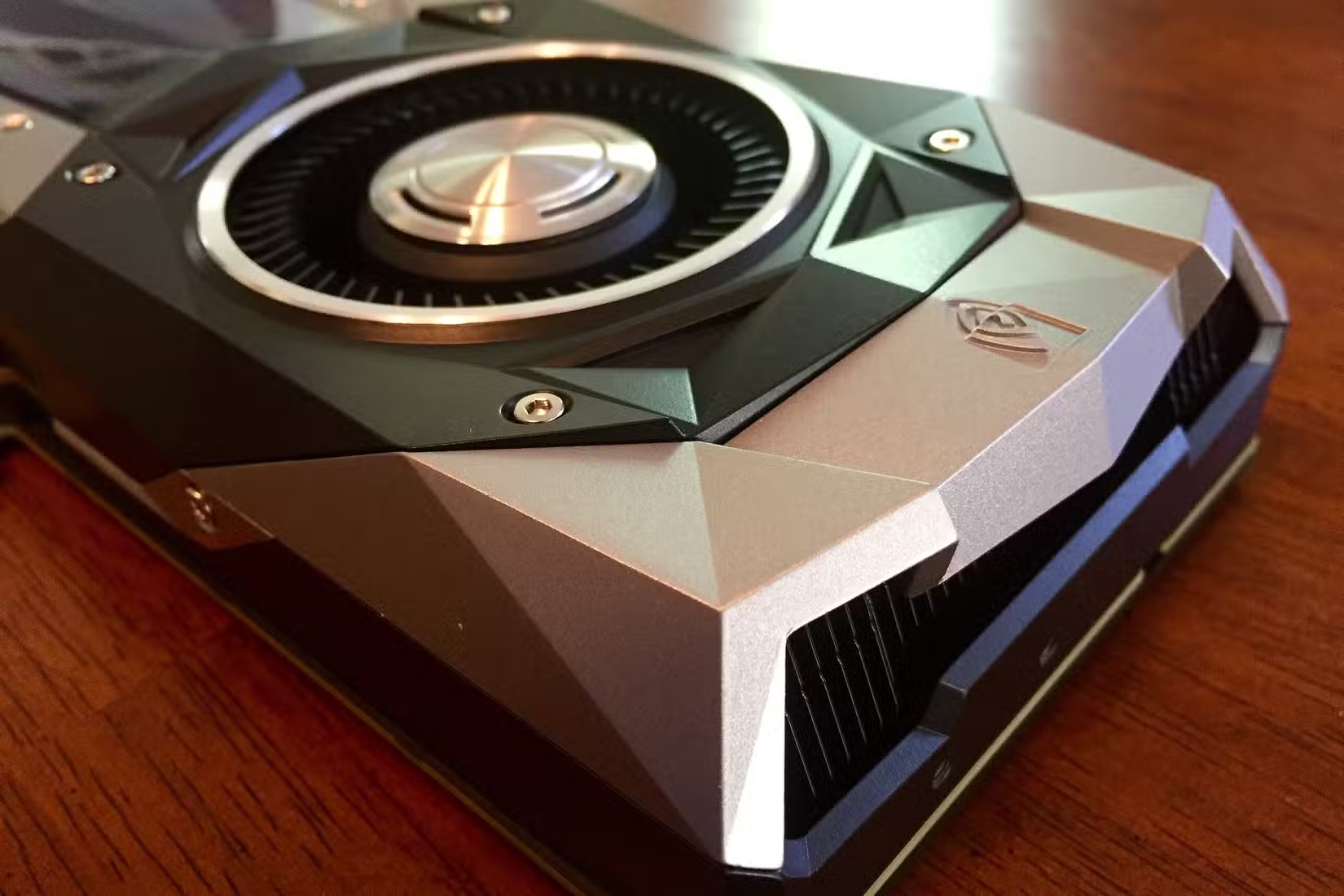
If you care about price-to-performance more than bleeding-edge features, the best move today is a used RTX 2080 Super around USD 150 (approx. ₱8,400) rather than a brand-new entry-level RTX 5050 or similar current-gen card that starts around USD 300 (approx. ₱16,800). At about half the outlay, the 2080 Super “beats either of them in rasterized performance,” making it my top pick for most budget gamers who play at 1080p and dabble in 1440p with upscaling. Used GPUs are keeping budget gaming alive by sidestepping the premium pricing driven by AI memory demand and high margins on new VRAM-heavy cards. If you’re building a budget or retro PC and watching every dollar, you should start your search in the used graphics cards budget segment, then compare against the latest GPU pricing 2026 indexes before even considering a new flagship.
New Flagships vs Used GPUs: Where the Value Really Is
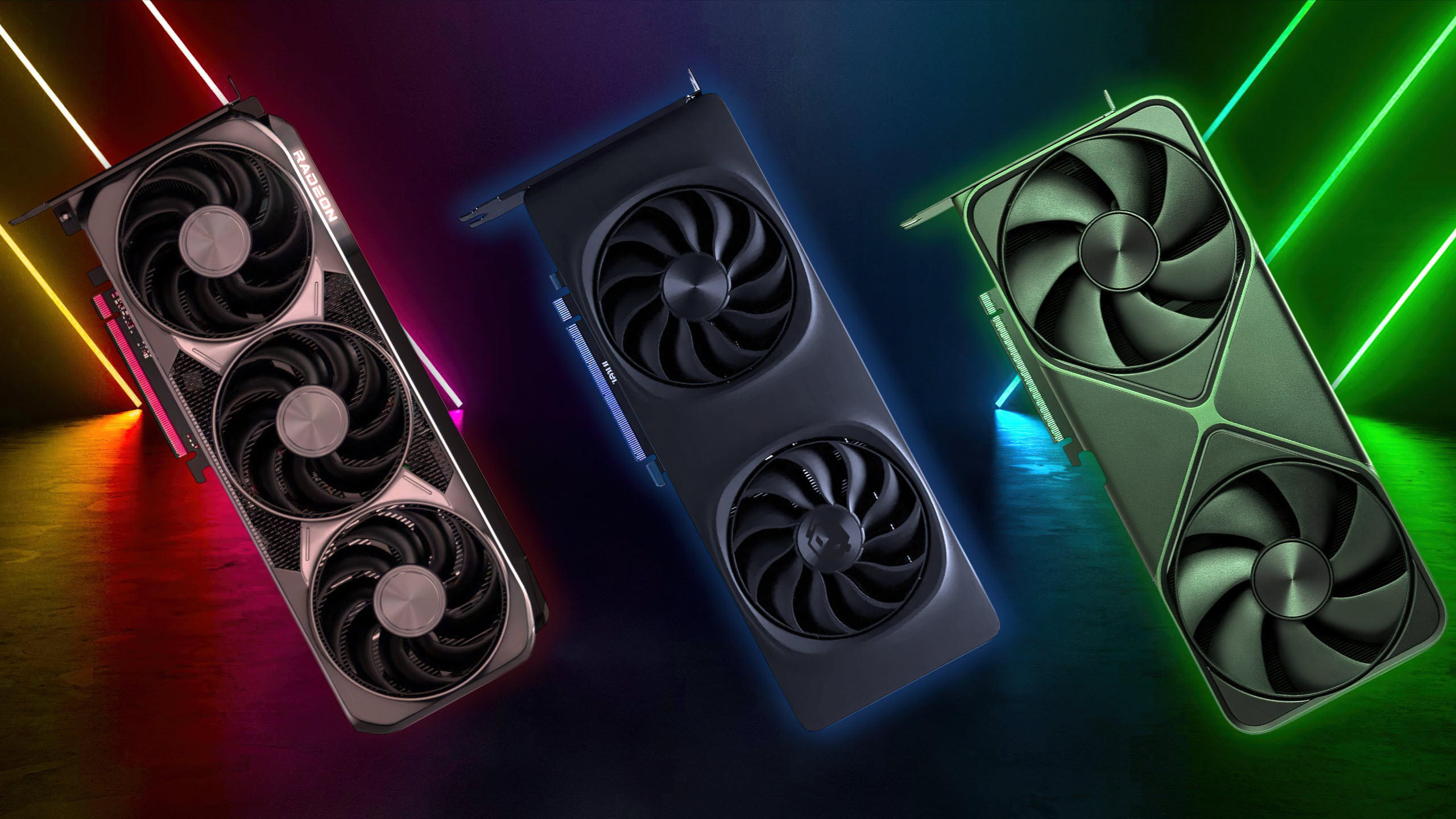
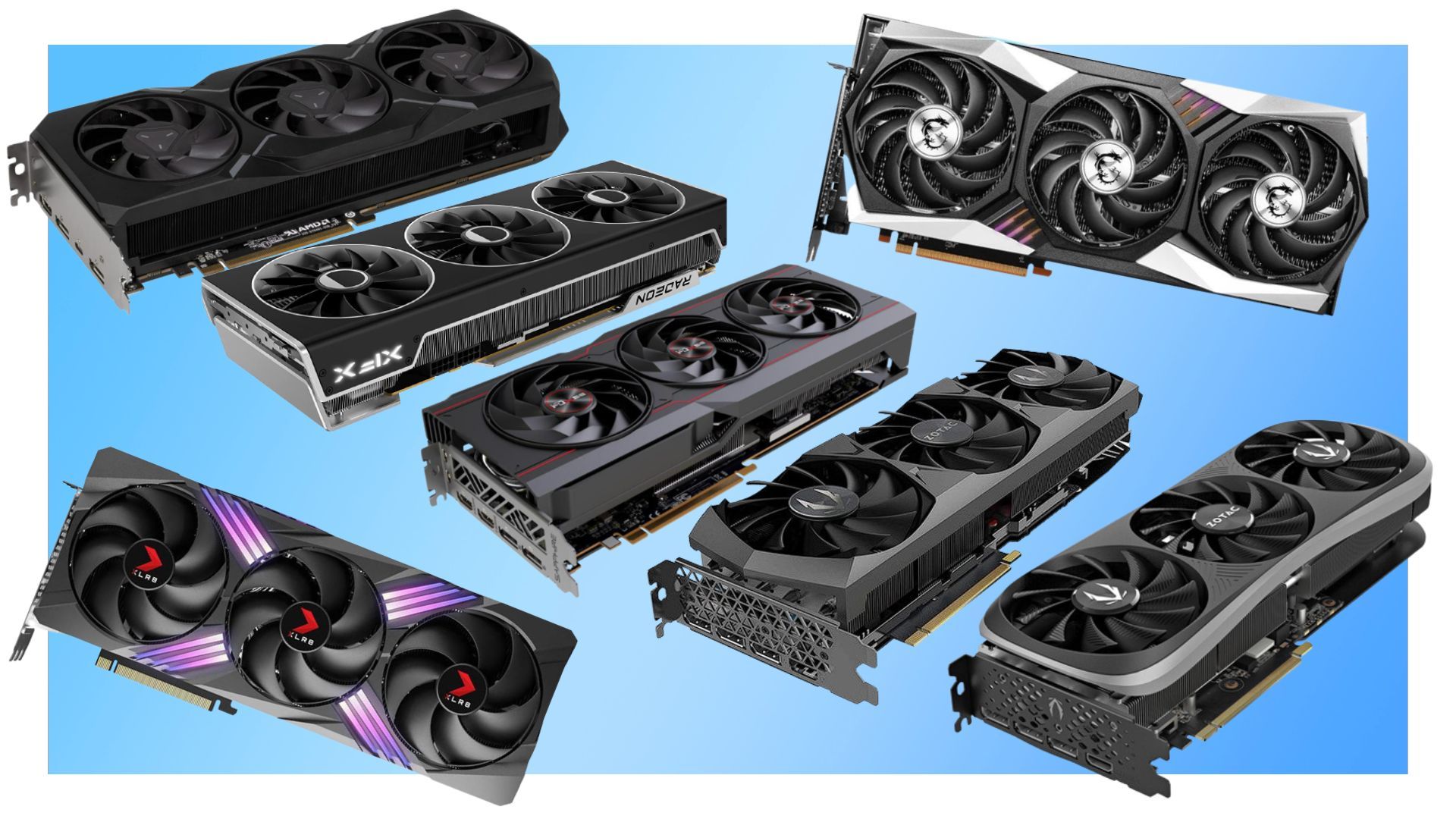
Recent flagship GPUs like the RTX 5090 push performance and features hard, but their pricing reflects intense demand for AI workloads, massive VRAM, and next-gen ray tracing capabilities. With launch MSRPs hitting USD 1,999 (approx. ₱112,000) for the RTX 5090 and street prices climbing to USD 3,979 (approx. ₱223,000), these cards live in a different universe from budget gaming builds. Meanwhile, entry-level 50-series options such as the RTX 5050 still hover around USD 289–300 (approx. ₱16,200–₱16,800), keeping genuinely affordable new GPUs out of reach for many buyers. Price-tracking tools that list “the lowest-priced GPUs” show a stark gap between new flagships and older-gen alternatives. At about half the price of a modern entry card, that USD 150 (approx. ₱8,400) RTX 2080 Super delivers more raster performance and perfectly smooth 1080p gaming in current titles, a graphics card deal that makes chasing the newest generation unnecessary for most players on a budget.
| GPU Option | Typical Role | Price Mentioned | Value Snapshot |
|---|---|---|---|
| RTX 5090 (new flagship) | Ultra-high-end gaming & AI workloads | USD 1,999 launch, up to USD 3,979 now (approx. ₱112,000–₱223,000) | Massive performance and VRAM, poor value for budget users |
| RTX 5050 / entry 50-series | Lowest current-gen tier | Around USD 289–300 (approx. ₱16,200–₱16,800) | Modern features, weaker price-to-performance than used 2080 Super |
| Used RTX 2080 Super | Budget 1080p/1440p gaming | Around USD 150 (approx. ₱8,400) | Best balance of cost and performance for most budget buyers |
Used Picks That Still Make Sense for Budget and Retro Builds
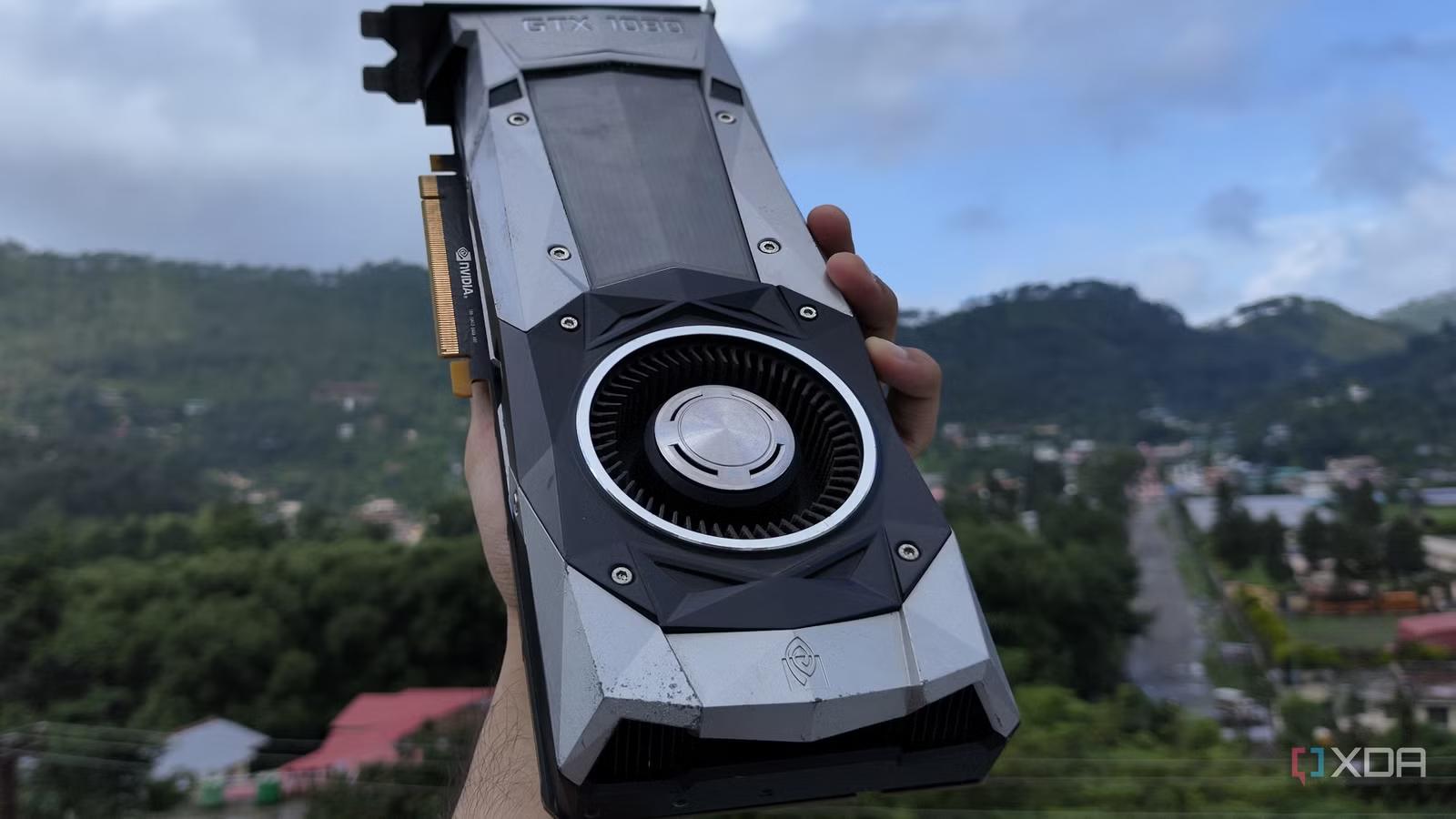
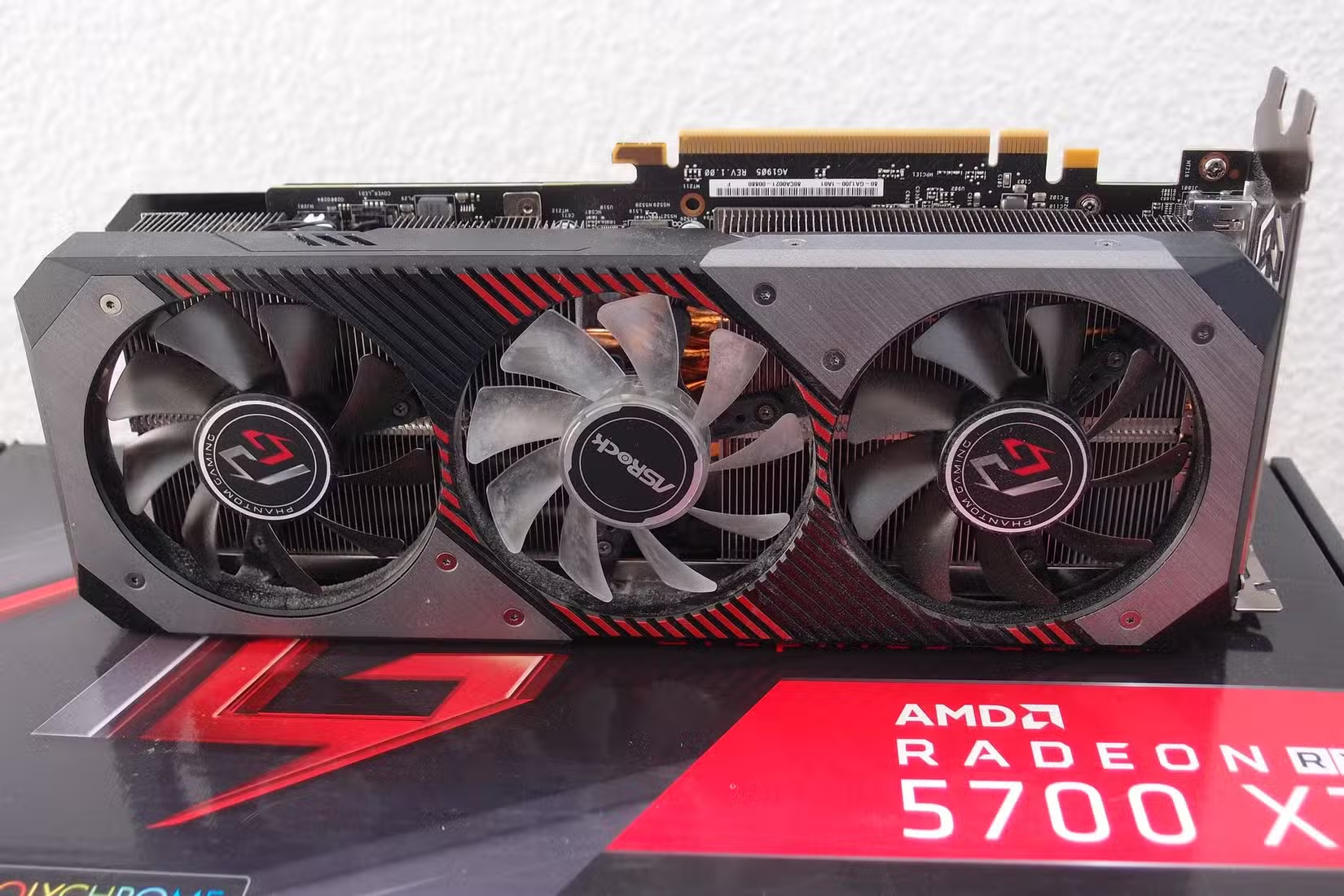
Used GPUs are keeping budget gaming alive by giving you strong performance at prices far below new cards. If you have around USD 150 (approx. ₱8,400) to spend, pre-owned RTX 2080 Supers and GTX 1080 Tis deliver excellent 1080p gaming and even some 1440p, especially when you use upscaling. The 2080 Super can hit around 70–80 FPS in demanding titles at 1080p High, and 60+ FPS in newer games once DLSS is enabled. If you need more than 8GB of VRAM or can’t find a 2080 Super, the legendary GTX 1080 Ti remains “a viable budget GPU” at roughly the same price. For tighter budgets, a used RX 5700 XT around USD 125 (approx. ₱7,000) can still anchor a solid 1080p rig, while dirt-cheap cards like the USD 50 (approx. ₱2,800) RX 580 let you build retro boxes that handle classic titles well. Platforms like eBay remain rich hunting grounds for these graphics card deals in the used graphics cards budget space.
Who Each Used GPU Is For (And Where It Falls Short)
Each of these used GPUs suits a different kind of buyer. The RTX 2080 Super is ideal if you want high-end 1080p and occasional 1440p gaming with upscaling at a low price, plus basic ray tracing in older titles. Its main downside is ray tracing in modern games: the aging Turing architecture cannot handle current RT implementations at playable frame rates, and 8GB of VRAM can struggle at higher resolutions. The GTX 1080 Ti works for those who need more VRAM and don’t care about ray tracing or DLSS. However, the Pascal generation lacks mesh shaders, so cutting-edge titles like Alan Wake 2 will suffer, and driver support has ended, so performance will not improve over time. Budget cards like the RX 580 suit retro enthusiasts who want smooth performance in classic games at around USD 50 (approx. ₱2,800), but at 1080p Medium in newer titles you’re stuck with poor 1% lows and a compromised experience.
Buy if / Skip if
- Buy the RTX 2080 Super if you want the best new vs used GPU value for 1080p gaming at around USD 150 (approx. ₱8,400) and are happy to rely on upscaling rather than maxing ray tracing.
- Skip the RTX 2080 Super if you care about cutting-edge ray tracing performance in the latest AAA titles or need more than 8GB of VRAM for high-resolution texture packs.
- Buy the GTX 1080 Ti if you need more VRAM than the 2080 Super offers and value strong raster performance over newer features like DLSS and ray tracing.
- Skip the GTX 1080 Ti if you plan to play many modern, shader-heavy games or want ongoing driver optimizations and support.
- Buy the RX 5700 XT if your used graphics cards budget is tight around USD 125 (approx. ₱7,000) and you still want fair 1080p performance in recent titles.
- Skip the RX 5700 XT if you aim for high-refresh 1440p gaming or intend to lean on advanced ray tracing and AI upscaling features.
- Buy the RX 580 if you love cheap graphics card deals and want a retro gaming PC for older and classic games at about USD 50 (approx. ₱2,800).
- Skip the RX 580 if you expect consistently smooth 1080p performance in recent games, as its poor 1% lows make modern titles feel compromised.