
A four-year-old gaming chip that still makes builders pause
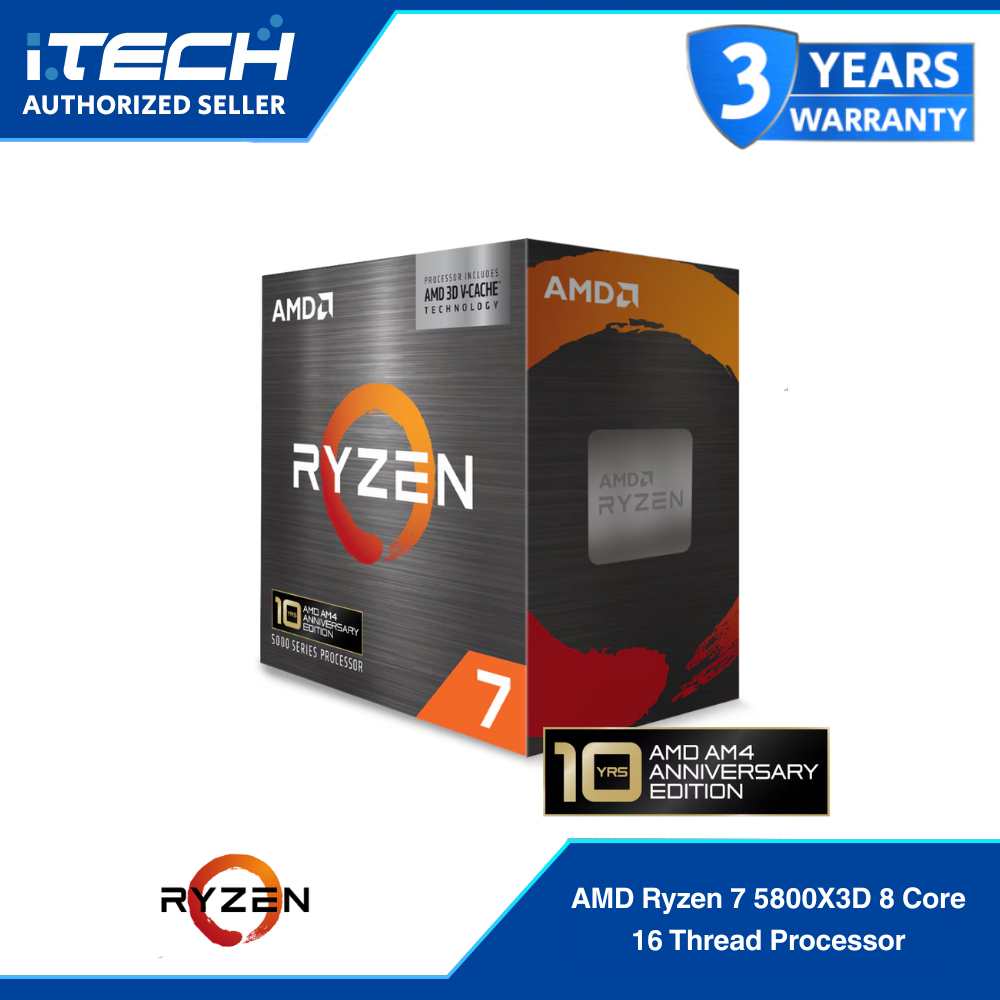
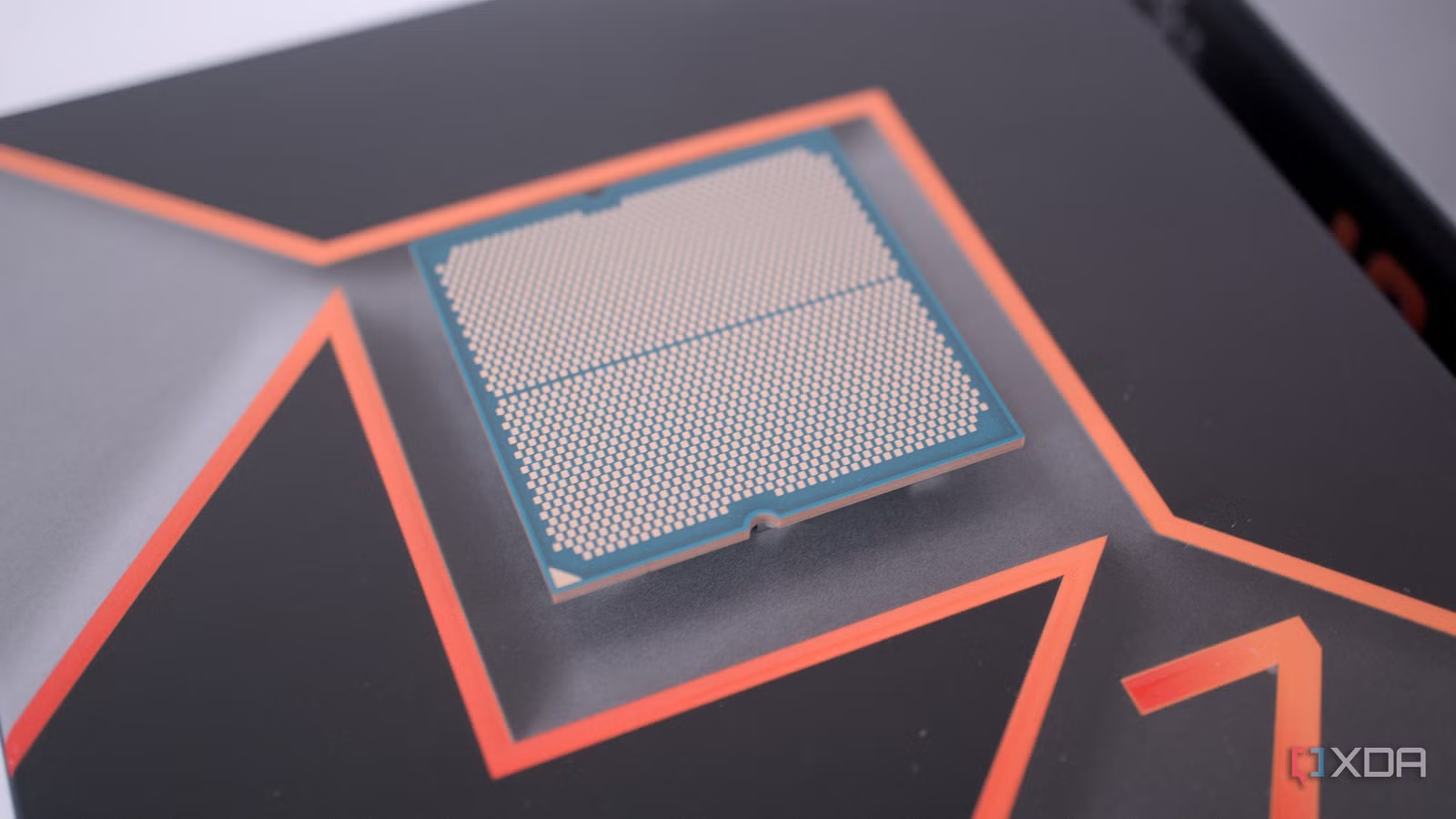
The Ryzen 7 5800X3D is a gaming-focused desktop CPU using AMD’s 3D V-Cache technology, whose large 96MB L3 cache lets this older Zen 3, AM4, DDR4-based processor keep up with newer mid-range chips in real-world games while selling strongly thanks to discounted bundle deals and lower platform costs. That is the uncomfortable truth today: if you are building a budget gaming PC, the most rational choice may be a chip that first launched back in 2022. Newer processors exist, they benchmark higher, and they sit on flashier boards with DDR5. But when you factor in RAM prices, platform longevity, and how most people actually play games, the Ryzen 5800X3D value story stops being nostalgia and starts looking like cold math.
3D V-Cache performance: why the 5800X3D still trades blows
Architecturally, the 5800X3D should be outclassed by newer CPUs, yet its huge slab of stacked L3 cache keeps dragging it back into the conversation. The chip launched in 2022, but many already call it the "GTX 1080 Ti of CPUs" because that extra cache makes it age "like fine wine" in modern titles. In cache-heavy games, it still competes with fresh silicon: benchmarks show the 5800X3D holding its own against newer mid‑range parts such as i5‑class chips, even coming close to a Core Ultra 9 285K in Counter‑Strike 2 and beating every non‑X3D CPU in Assetto Corsa Competizione. These results underline a simple point about 3D V-Cache performance: when a game is limited by memory access, more cache can matter more than a newer architecture, and that is exactly where this "obsolete" CPU refuses to step aside.
Benchmarks vs reality: how most gamers actually use this chip
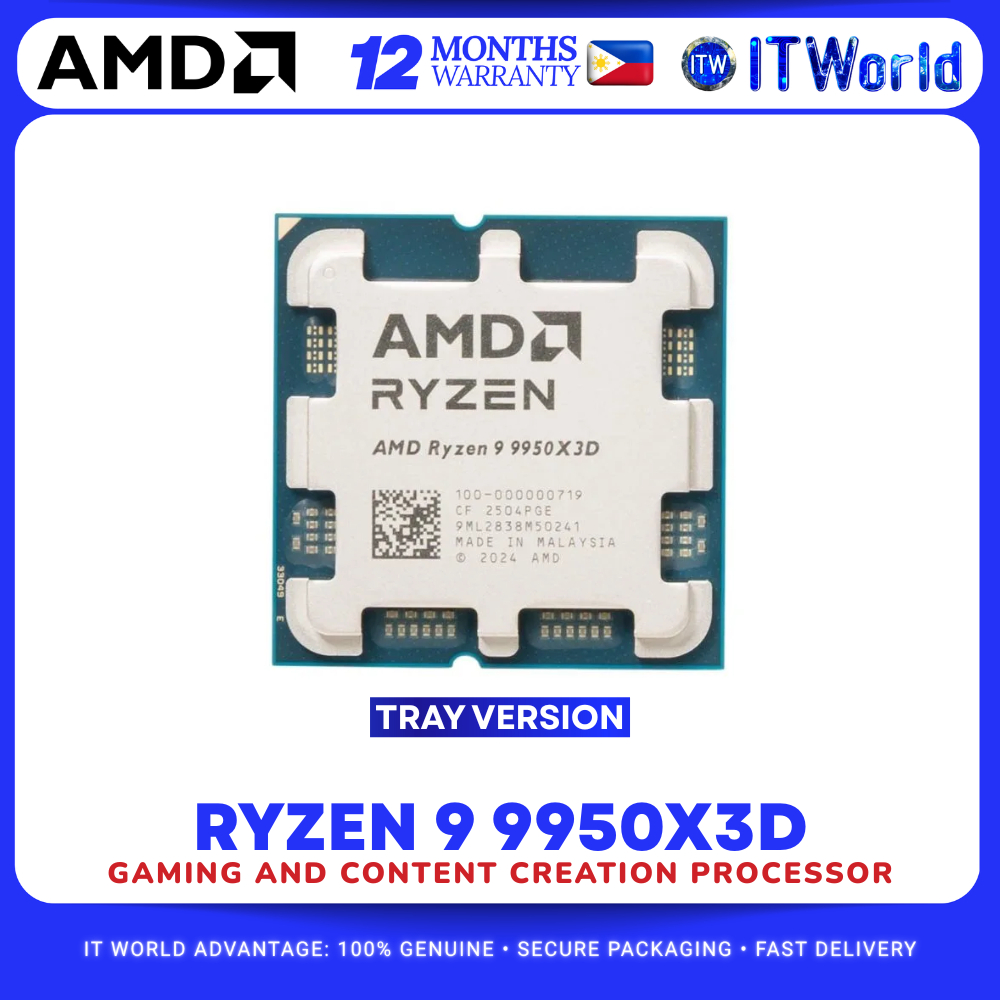
Synthetic CPU charts are built to expose differences: reviewers pair chips with top GPUs and test at 1080p to create CPU-bound scenarios. That method is useful, but it also exaggerates the gap you will feel on a typical gaming rig. Even when paired with an RTX 4090, real-world use of the 5800X3D tends to be at 1440p or 4K, where most AAA games become GPU-bound and the headline 20% gains at 1080p shrink sharply. Someone gaming at 1440p or 4K on a high-refresh monitor will not gain nearly as much from jumping to a newer X3D chip like a 9800X3D or 9950X3D; the bottleneck moves away from the CPU in many titles. In practice, that means the 5800X3D still feels "high-end enough" for the majority of players, reserving true upgrades for people chasing extreme frame rates in competitive shooters.
CPU bundle deals: how pricing turns an old platform into a smart buy
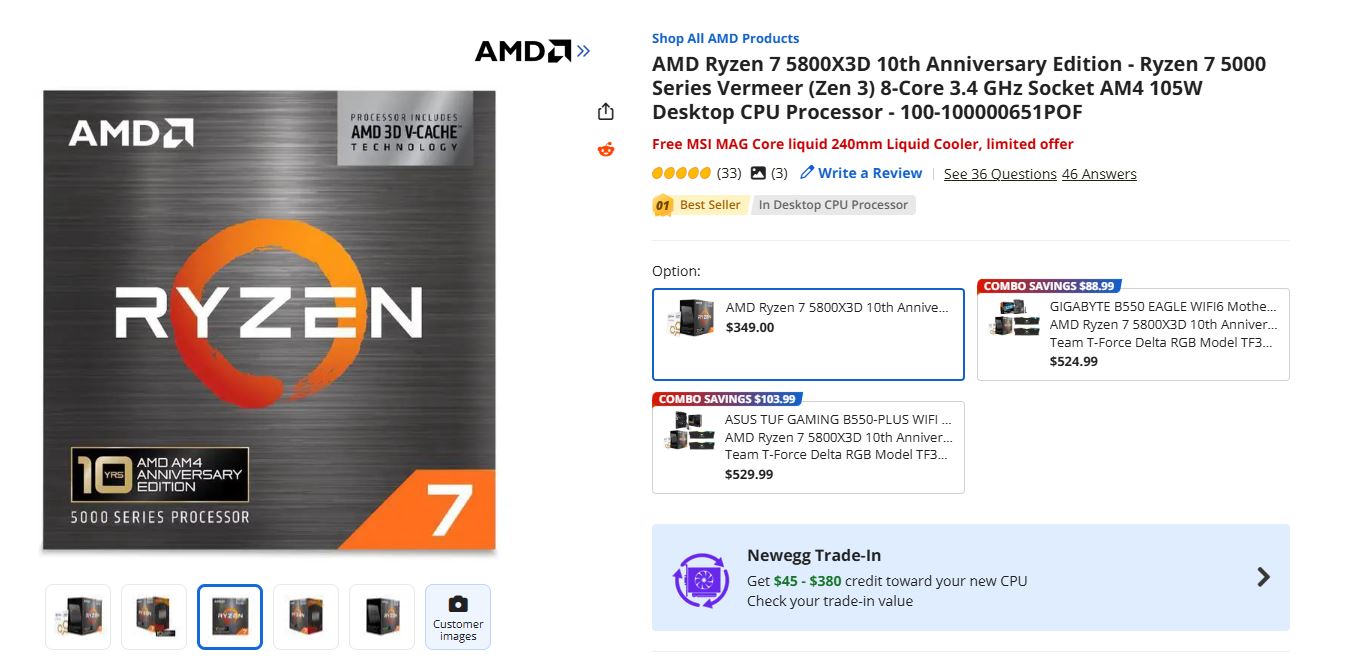
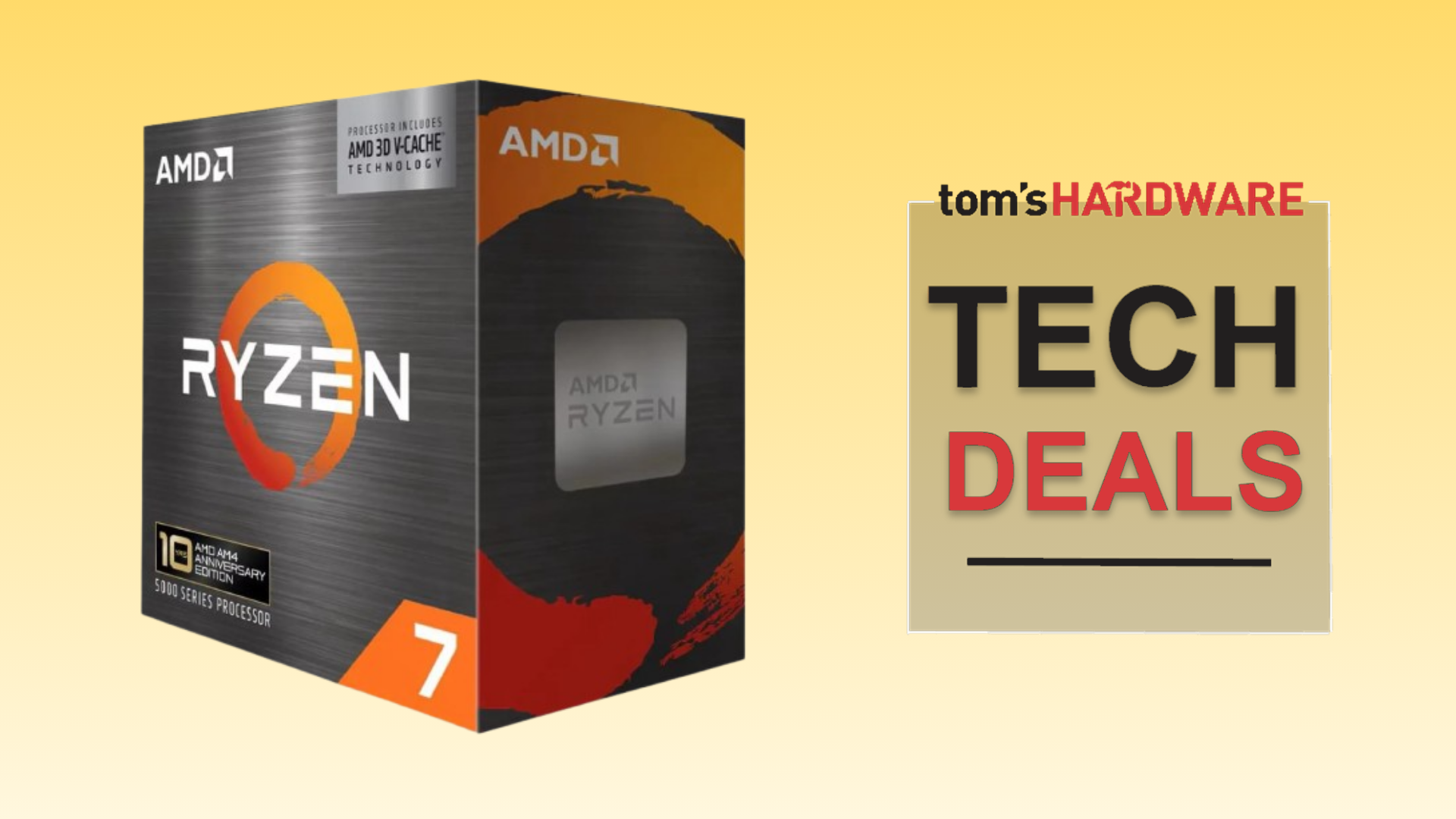
The real twist in the Ryzen 5800X3D value story is not only the chip, but the platform economics around it. With DDR5 RAM costs "skyrocketing" in recent months, many builders are moving back to the more economical AM4 and DDR4 route. AMD re-released the 5800X3D, and retailers followed with aggressive CPU bundle deals: one offer prices the anniversary edition at USD 349.99 (approx. ₱20,300) and throws in a free MSI MAG AIO cooler worth USD 69.99 (approx. ₱4,000), effectively dropping the CPU cost to about USD 270 (approx. ₱15,700). Another bundle adds an Asus TUF motherboard plus 16GB of DDR4 RAM for USD 529.99 (approx. ₱30,700), with total savings of USD 103.99 (approx. ₱6,000) before even counting the free cooler. For a budget gaming CPU build, these numbers matter more than small benchmark leads, and they explain why AM4 refuses to fade away.
Why buyers keep picking 5800X3D over newer chips—and what that says
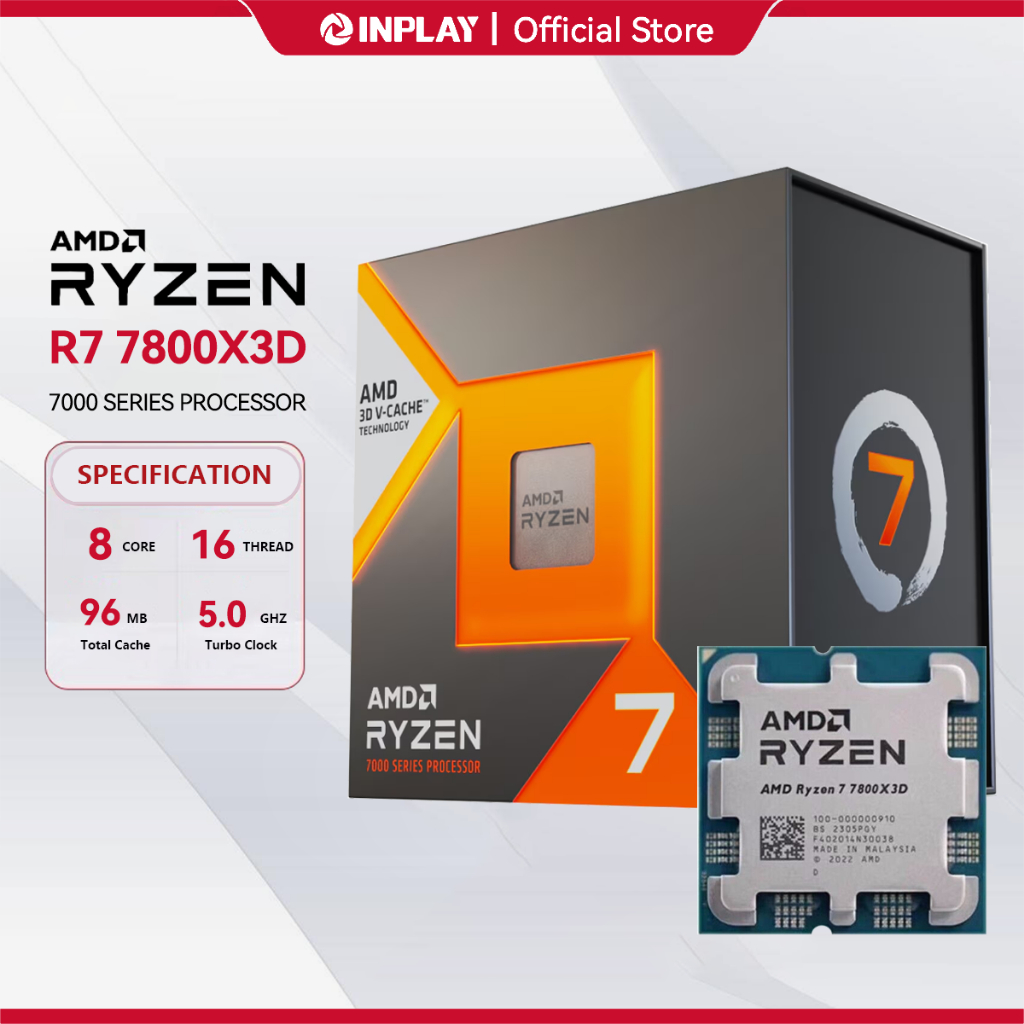
Market behavior confirms the 5800X3D’s staying power. Despite sitting on an older platform, the anniversary edition has surged into the top five best‑selling CPUs at major retailers and is outselling the newer Ryzen 7 7800X3D, even though both hover around USD 350 (approx. ₱20,300). One report notes that in a single month the 5800X3D moved about 3,000 units while the 7800X3D sold roughly 2,000. This is not because buyers are unaware of performance differences; it is because millions of gamers already own AM4 systems and want "the best possible gaming performance on the AM4 platform" without paying the DDR5 tax. The takeaway is clear: smart, gaming-focused design can give a CPU four-year longevity and beyond. Until DDR5 platforms and newer chips offer equivalent value once the full platform price is counted, the "old" Ryzen 7 5800X3D will remain the budget-conscious builder’s rational choice.