

Nova Lake’s 12-Core Integrated GPU: A New Class of APU
Intel Nova Lake integrated GPU refers to the upcoming 12-core Xe3P graphics block that will ship inside both flagship Nova Lake laptop CPUs and at least one socketed desktop processor, positioning these chips as full-fledged APUs that can handle modern gaming and content creation workloads without an entry-level discrete graphics card. On July 10, 2026, leaker Jaykihn confirmed that “Nova Lake-H has a 12 Xe segment, and Nova Lake-S has a 12 Xe SKU. These are Xe3p,” settling speculation about Intel’s Core Ultra 400 graphics configuration. This is not a minor tweak to an iGPU: it is a deliberate attempt to change how mainstream PCs are built, by making integrated graphics gaming viable for far more users. Intel is not testing the waters; it is taking direct aim at AMD’s APU territory.
From Minimal iGPUs to Desktop-Class Xe3P: Why This Shift Matters
For years, Intel’s socketed desktop CPUs carried minimal graphics — often just two Xe3 cores meant for display and media, not serious compute. The April 2026 leak describing a 4+8+4 CPU configuration paired with 12 Xe3P cores — four Coyote Cove P-cores, eight Arctic Wolf E-cores, and four low-power E-cores — marks a structural break from that philosophy. This native desktop APU on the new LGA 1954 platform, with two VCCGT VRM phases reserved for the GPU tile, signals sustained power delivery that you simply do not design for “office graphics.” Intel’s Panther Lake Arc B390 already delivered roughly 77% more gaming performance than Lunar Lake’s Arc 140V at matched power, and was positioned as competitive with a GeForce RTX 4050 Laptop GPU at 45 watts. Now Xe3P, codenamed Celestial, is expected to add a further 20–25% uplift over Xe3, according to OneRaichu’s estimates. This is Intel betting that integrated graphics can reach the kind of performance that reshapes the low-end GPU market.
Direct Clash with AMD Ryzen APUs and the Budget GPU Assumption
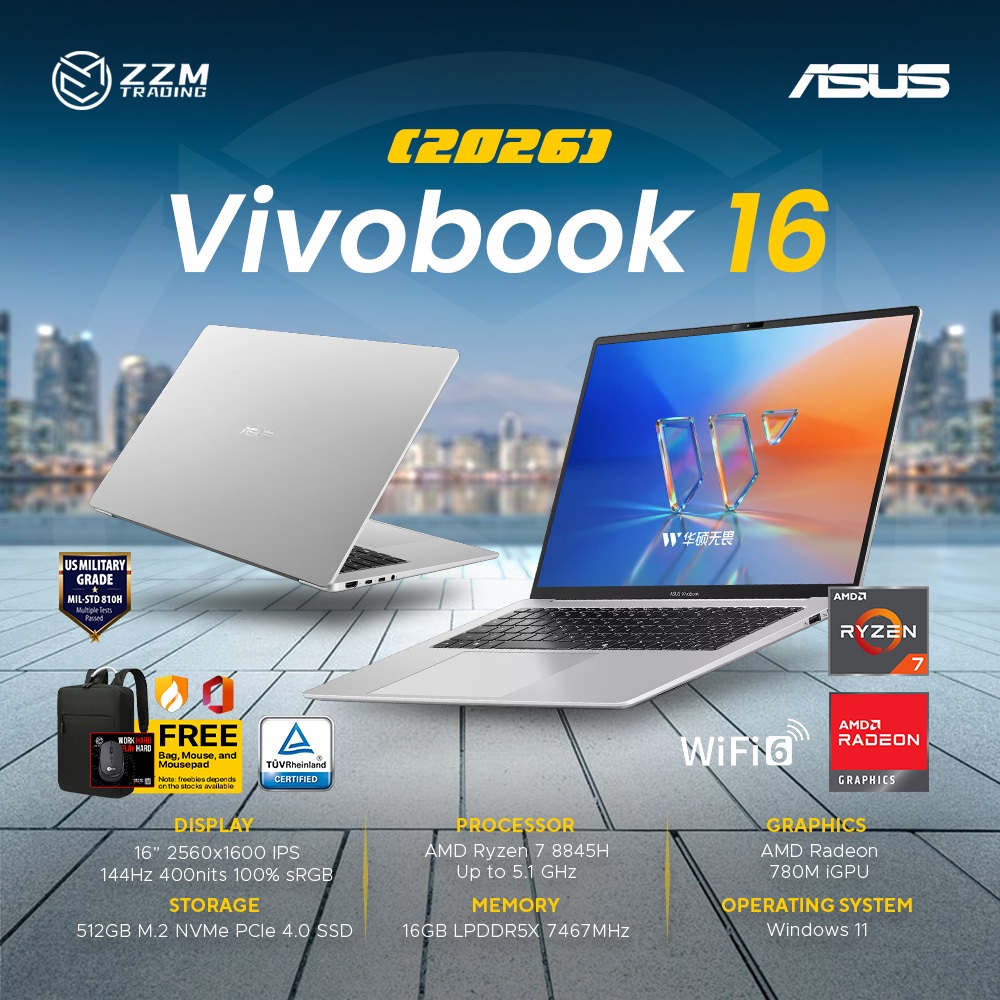
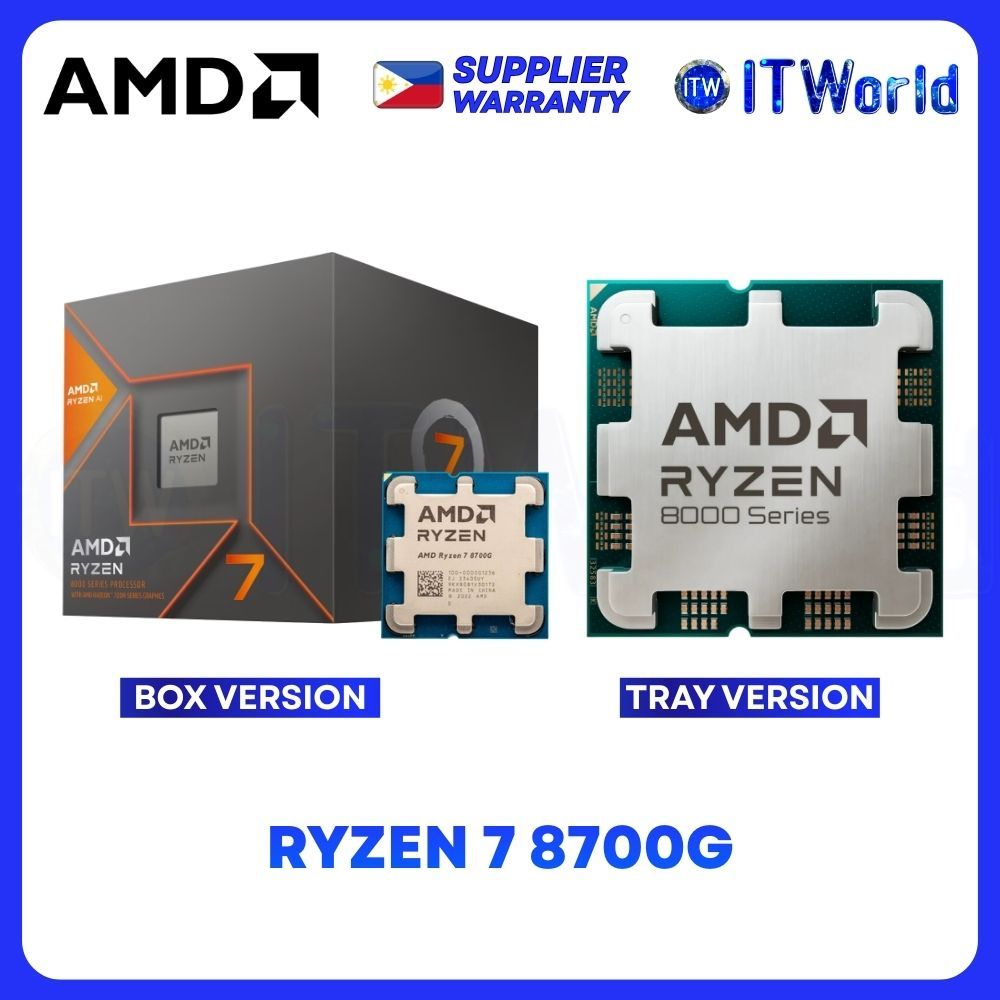
The timing of Nova Lake’s APU push is not accidental. Intel is moving into this space exactly as AMD’s desktop APU graphics have weakened. AMD’s current Ryzen AI 400 desktop CPUs rely on the Radeon 860M with eight compute units, fewer than the Radeon 780M’s twelve compute units inside the outgoing Ryzen 7 8700G, and that eight‑CU setup trails Panther Lake’s Arc B390 by nearly double in many gaming benchmarks. Dropping 12 Xe3P cores into an unconstrained desktop thermal envelope, with access to fast DDR5-8000 memory, aims directly at that gap. The practical implication is blunt: “a 12-core Xe3P iGPU in an unconstrained desktop thermal envelope has a plausible path to performance that would make a USD 150–USD 200 (approx. ₱8,400–₱11,200) entry-level GPU redundant.” Buyers who would otherwise add a USD 150–USD 200 (approx. ₱8,400–₱11,200) card to run modern games at 1080p would have a credible alternative entirely within the CPU package. If Xe3P lands near a desktop RTX 4050 equivalent, as projections suggest, AMD’s once-comfortable APU lead turns into a fight it must re-enter quickly.
Laptop–Desktop Convergence and the Cost Question
What makes Nova Lake more than a one-off desktop experiment is Intel’s decision to standardize the 12-core Xe3P GPU across both Nova Lake-H laptops and at least one Nova Lake-S desktop SKU, while lower-end parts on each side fall back to non-P Xe3. This convergence strategy means integrated graphics gaming and GPU‑accelerated content creation will feel far more consistent between a midrange gaming notebook and a budget desktop APU build. It also diverges from AMD’s habit of dropping mobile chips onto desktop interposers; Intel’s APU configuration is a native desktop tile that happens to carry the large graphics block. There is a catch: DDR5‑8000 kits remain expensive thanks to AI server demand keeping high-speed DRAM prices elevated through mid‑2026. The whole value promise of a strong iGPU is that you skip the discrete card, but if unlocking full Xe3P performance effectively requires premium memory, that cost can eat into the savings. Intel is improving integrated graphics, but system builders will have to weigh bandwidth needs against total platform price.
Release Roadmap and How Nova Lake Reframes Expectations
Intel’s Core Ultra 400 Nova Lake CPUs are not imminent, but the roadmap makes clear that 2027 is designed as Intel’s big CPU–GPU crossover moment. Leaked schedules show the first Nova Lake desktop CPU, a 28‑core DS‑series chip, arriving between January and March 2027, followed by a 28‑core K‑series in March or April, and 16‑core and 8‑core models between late March and May. A huge 52‑core DS‑series flagship with two compute chiplets is slated for late May to September 2027. Alongside much higher CPU core counts, an AMD X3D competitor, and an improved architecture over Arrow Lake, Nova Lake’s unified Xe3P graphics story is the quiet revolution. By putting serious integrated GPUs into both laptops and desktops, Intel is arguing that mainstream PCs should expect competent 1080p gaming and GPU‑accelerated creation out of the box. AMD has long owned that narrative in APUs, but the next round of APU performance comparison will not be a foregone conclusion. Unless AMD reacts with stronger integrated graphics in Zen 6, Nova Lake risks turning “buy a cheap card for gaming” from default advice into optional luxury.