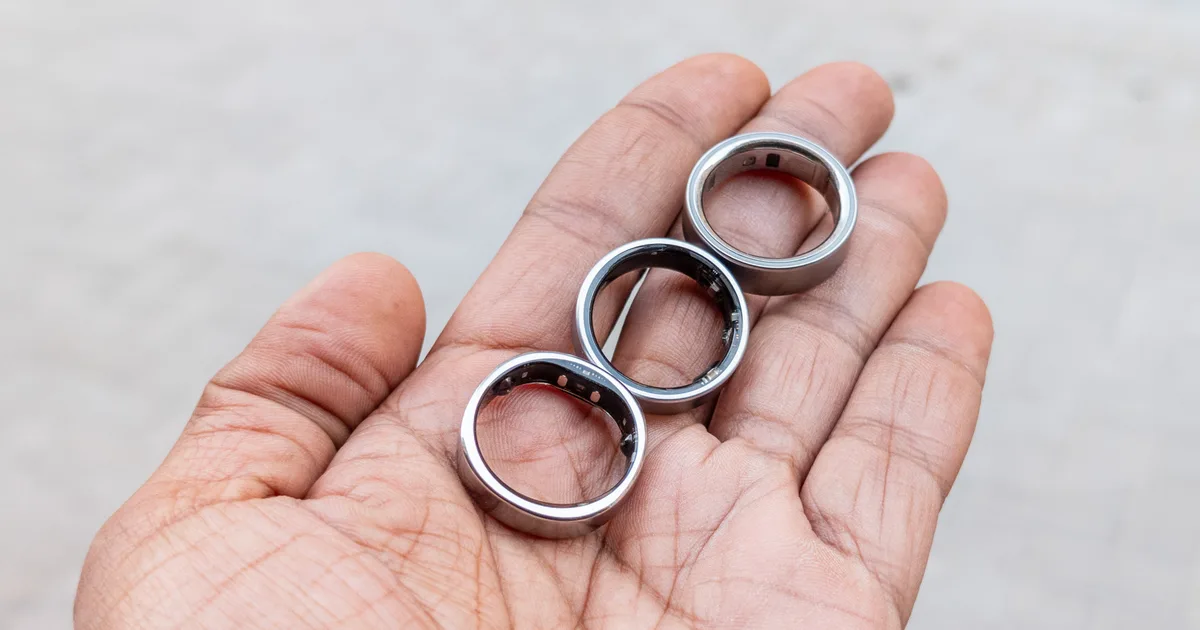

Signal Ring’s Big Promise: Real Blood Pressure Numbers From a Ring
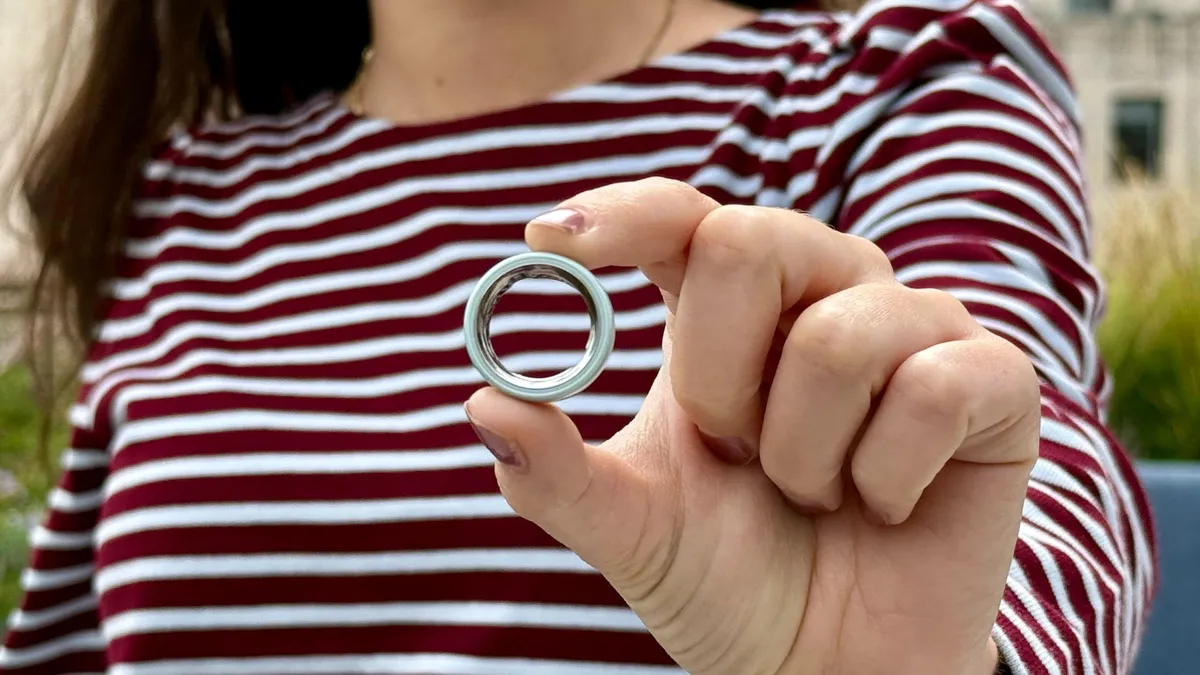
Signal Ring is a smart ring that claims to provide continuous, cuffless blood pressure monitoring, delivering systolic and diastolic readings from the finger without traditional inflatable cuffs or calibration, positioning itself as a wearable blood pressure sensor aimed at people who want passive, everyday hypertension tracking through a companion app. That headline claim matters more than any step-counting gimmick: Signal Ring is not content with vague heart health trends or warning notifications. It wants to replace your arm cuff with a piece of jewelry and an algorithm. That ambition deserves both interest and skepticism. This is the first consumer smart ring to openly target full blood pressure readings rather than broad cardiovascular signals, and it forces a harder question than Apple Watch alerts ever did—are we ready to trust a ring more than a clinic-grade cuff?
How Signal Ring Works—and Why That Matters More Than Marketing
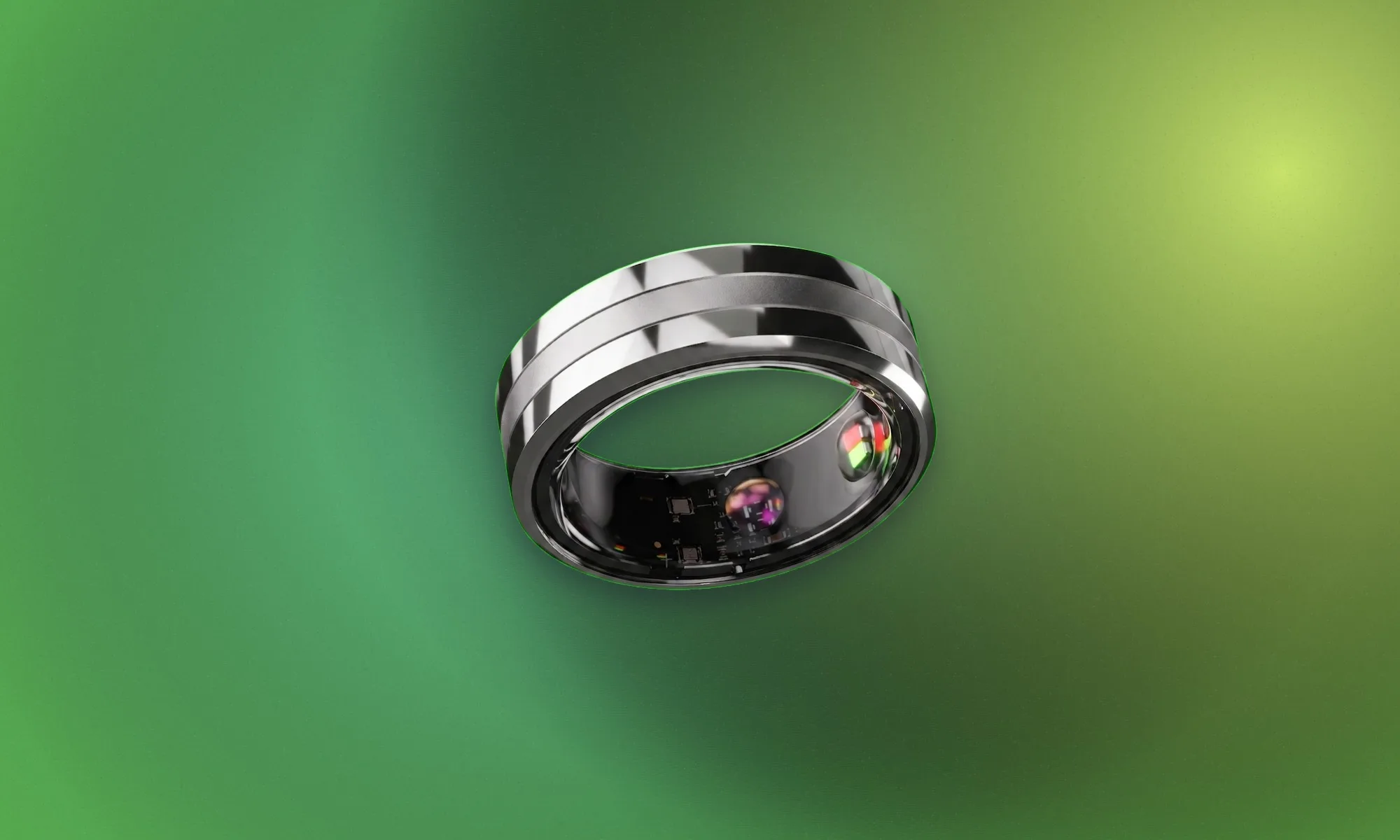
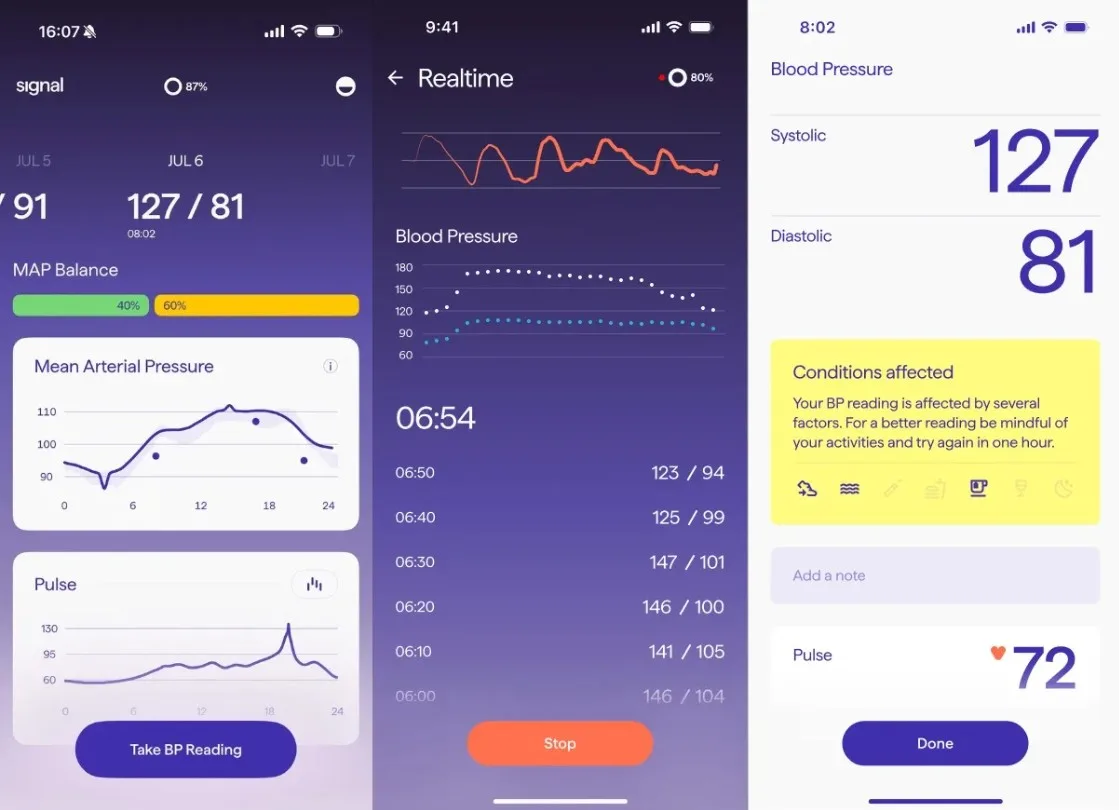
Vital Signals says the USD 399 (approx. ₱23,000) Signal Ring uses custom electronics, a proprietary high-speed optical sensor, and algorithmic monitoring to estimate blood pressure from blood flow in the finger throughout the day and overnight. According to the American Heart Association’s description of cuffless blood pressure monitoring approaches, optical sensors capture cardiovascular signals while software turns them into estimated readings. Signal Ring leans heavily on that model. Users still need to sit quietly and manually start sessions for the cleanest measurements, while the app adds breathing exercises and pauses when it detects movement or talking. This is not magic, and it is not effortless. Much of the data processing reportedly happens in the cloud, which means your numbers depend on both sensor contact and network connection. It is continuous in theory, but in practice it is structured, guided measurement—less intrusive than a cuff, yet far from passive perfection.
Beyond Apple Watch Alerts: A Different Kind of Smart Ring Health Tracking
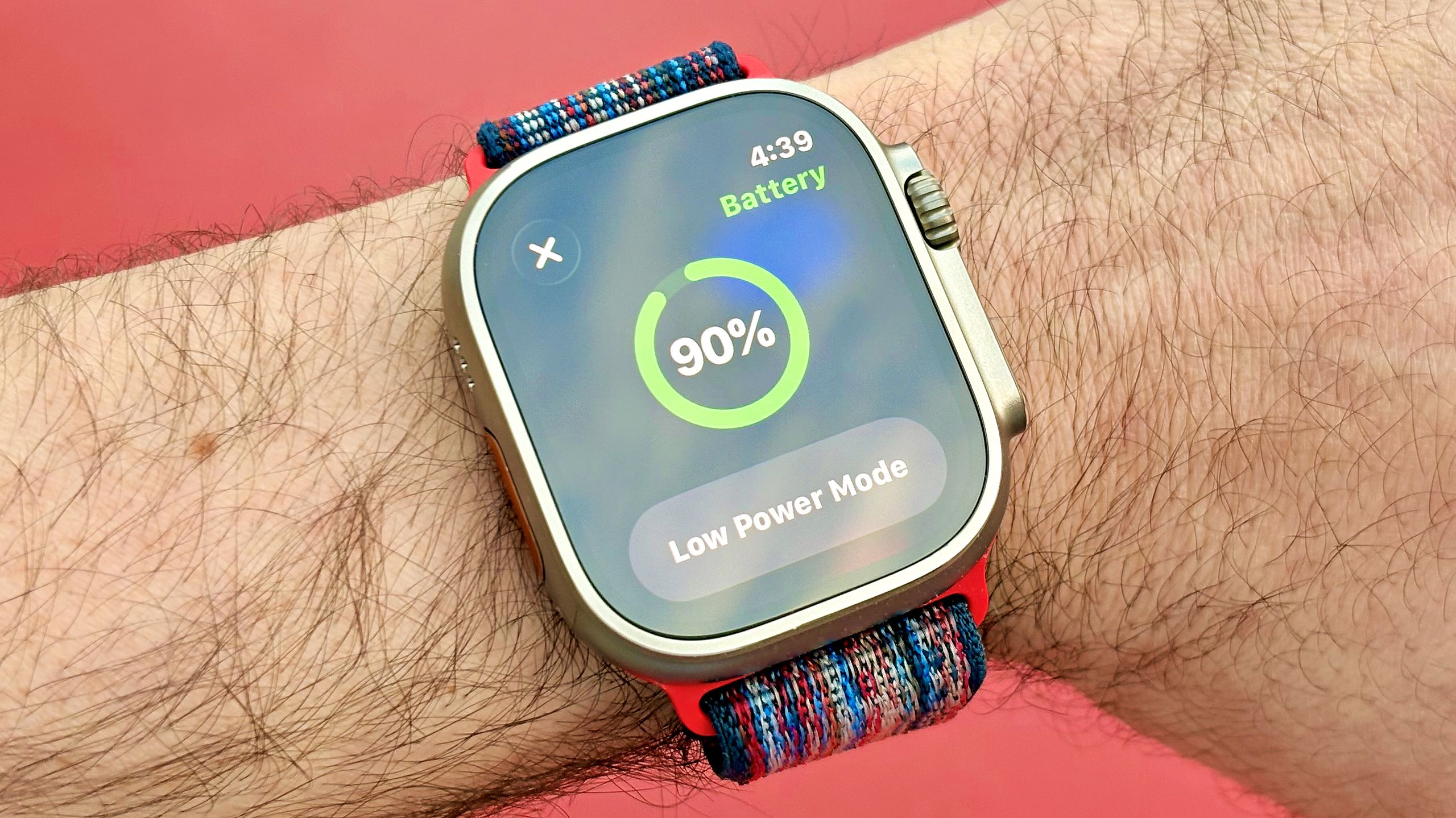
Signal Ring’s pitch changes the stakes in smart ring health tracking. Oura Ring leans on trends—sleep, heart rate, readiness scores—to hint at cardiovascular status. Apple Watch raises flags with irregular rhythm alerts and broad heart health notifications but stops short of presenting systolic and diastolic readings. Signal Ring explicitly claims to deliver those numbers without a cuff or calibration, moving beyond risk alerts into quasi-clinical territory. That is a big leap. If accurate, continuous data could highlight nighttime blood pressure patterns, responses to stress, or medication effects that single clinic readings miss. But with that ambition comes responsibility: numerical readings feel authoritative, and people naturally treat them as actionable. A wearable blood pressure sensor that talks like a medical tool, while still living in the consumer gadget category, changes expectations around what our wearables should do—and what happens when they get things wrong.
The Accuracy Question: Algorithms, Skin, Motion—and No FDA Clearance
This is where enthusiasm should slow down. Vital Signals cites a 451-person clinical study and claims Signal Ring meets "the international accuracy standard for blood pressure cuffs," but the underlying results are not yet published, and the consumer model has not received FDA clearance. That gap matters more than any clever marketing line. Photoplethysmography-based wearables share known weaknesses: motion distortion, darker skin tones absorbing more light and weakening signals, cold fingers or poor circulation changing blood flow independent of blood pressure, and irregular heartbeats twisting the waveform. Ring fit and finger position add even more variability, and Bloomberg’s hands-on test reported some inaccurate readings that Vital Signals blamed on fit issues. The FDA has warned against relying on unauthorized blood pressure wearables, outlining extensive performance testing for cuffless devices. Until Signal Ring’s data are public and independently scrutinized, its confident numbers are, at best, educated guesses dressed up as precision.
Who Should Consider Signal Ring—and What To Do Before You Buy
Vital Signals is targeting people with hypertension or elevated risk, not casual fitness buyers looking for step counts and generic wellness scores. There is no subscription fee, which makes the USD 399 (approx. ₱23,000) price easier to compare with Oura, and the ring adds heart rate and some sleep tracking as supporting features. But the core value proposition is cuffless blood pressure monitoring—and that is where caution is essential. Anyone whose treatment depends on accurate readings should keep using an authorized arm cuff and talk with a clinician before treating Signal Ring as more than an experimental tool. In my view, Signal Ring is best seen as an intriguing preview of where wearable blood pressure sensors might go, not as a replacement for current standards of care. If it eventually earns regulatory clearance and publishes convincing clinical results, it could reshape hypertension monitoring. Until then, treat the ring as data-adjacent, not doctor-grade.