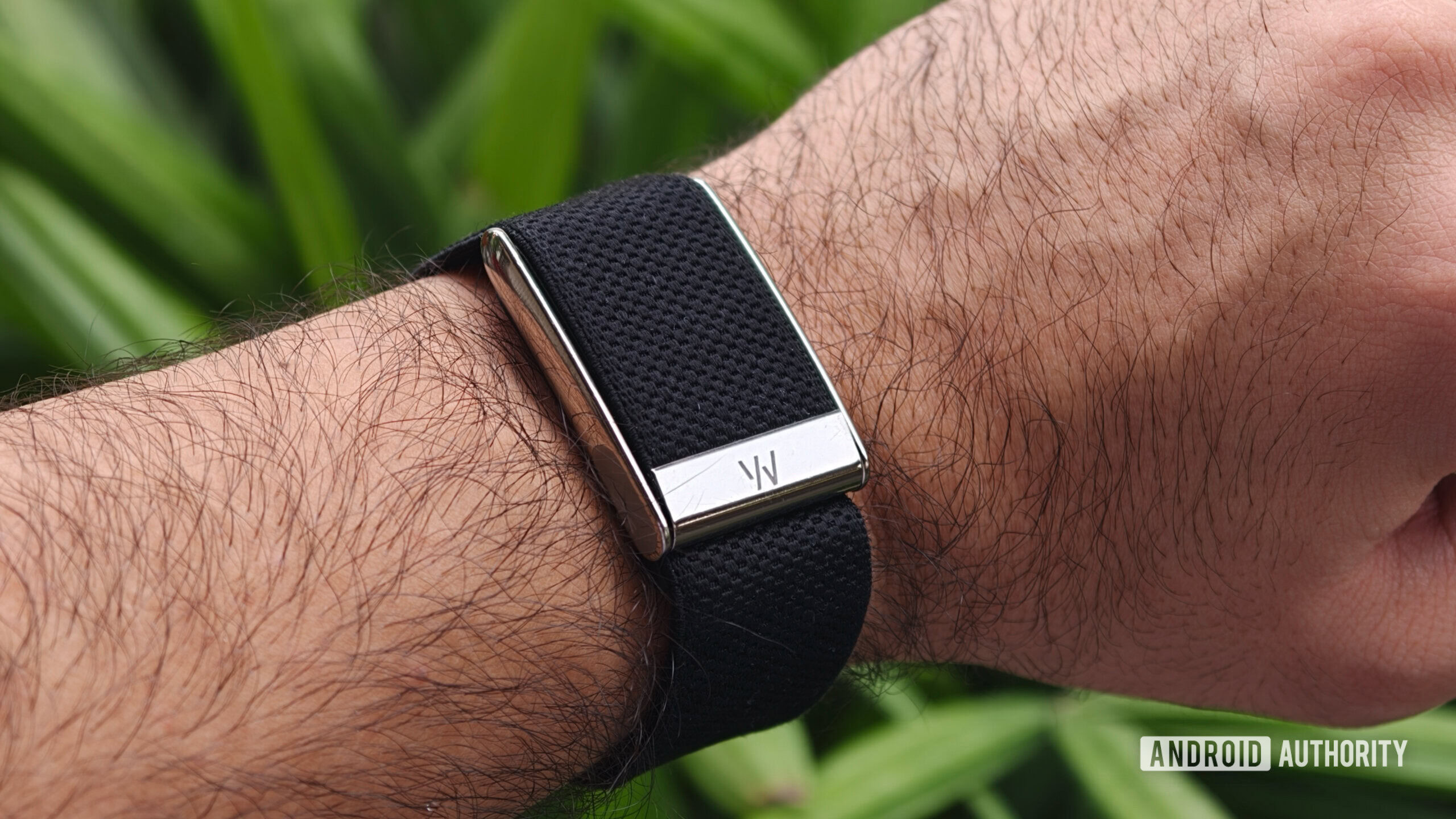

What Real-World Wearable Device Testing Reveals
Wearable device testing is the process of wearing fitness trackers, smartwatches, and smart rings in day-to-day life and structured workouts to judge health tracking performance, comfort, and reliability against marketing claims across sleep, exercise, and recovery metrics over extended periods of time. In three weeks with the Fitbit Air as a sole tracker, its owner went from skeptic to considering a permanent switch as accuracy improved after calibration. A Garmin Forerunner 170 Music was pushed through F45 classes, long runs, HYROX simulations, and an endurance race finish to assess smartwatch real world pacing and training insights. The RingConn 3 was worn as a daily smart ring only to be mailed back within the return window when its health tracking failed to match its jewelry-like design. From these tests, one truth is clear: comfort and sensor quality matter, but honest data matters more.
| Spec | Fitbit Air | Garmin Forerunner 170 Music |
|---|---|---|
| Price | USD 99 (approx. ₱5,600) | USD 349.99 (approx. ₱19,600) |
| Form factor | Screenless fitness band | GPS running smartwatch with AMOLED display |
| Weight | 12g | 41g |
| Battery life claim | Up to a week; tested over eight days with workouts and sleep tracking | Up to 10 days smartwatch mode, 20 hours with GPS |
| Primary focus | Passive all-day health tracking at low cost | Structured training, pacing, and performance metrics for runners and racers |
Fitbit Air: Light, Affordable, and Surprisingly Accurate
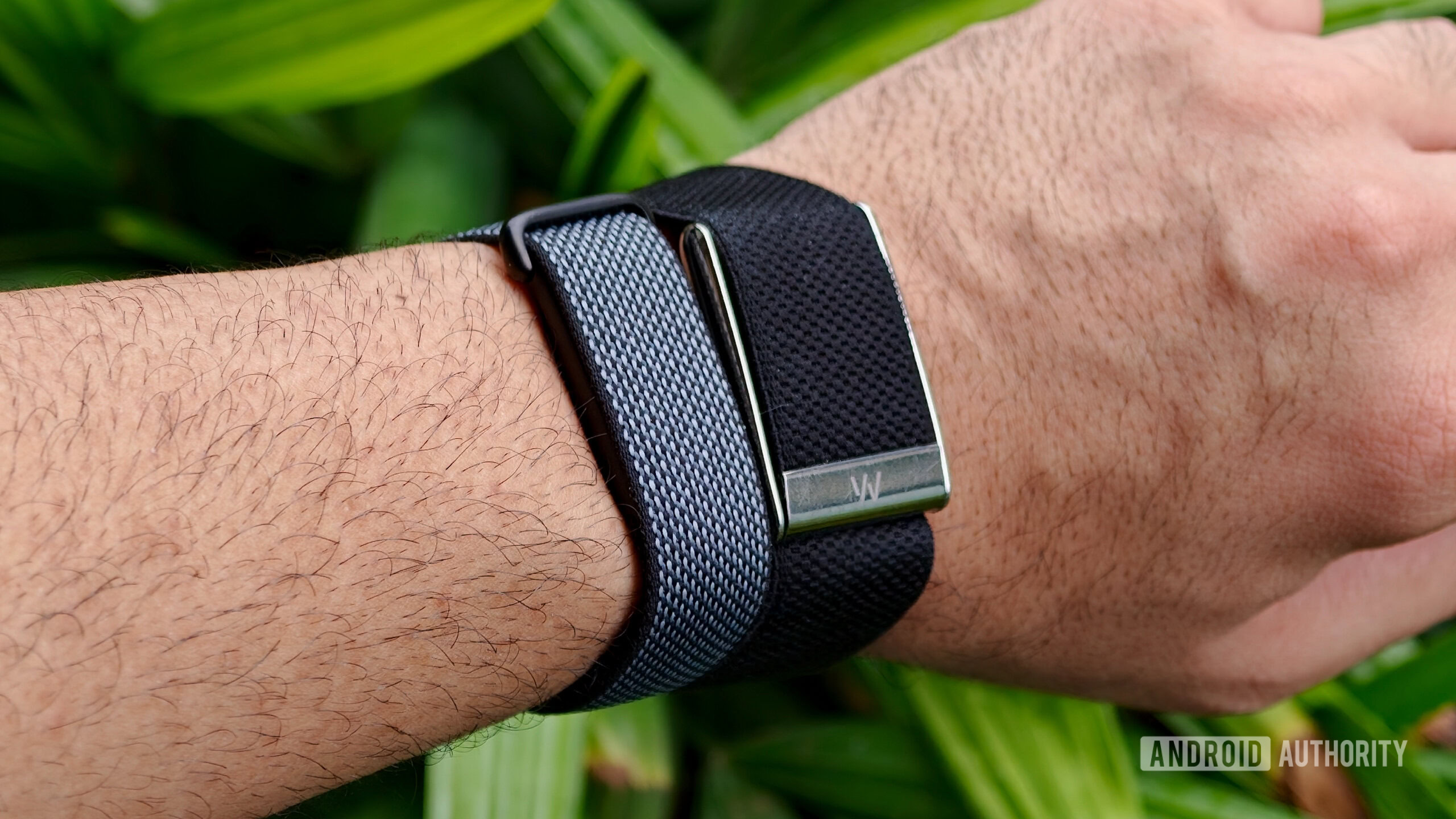
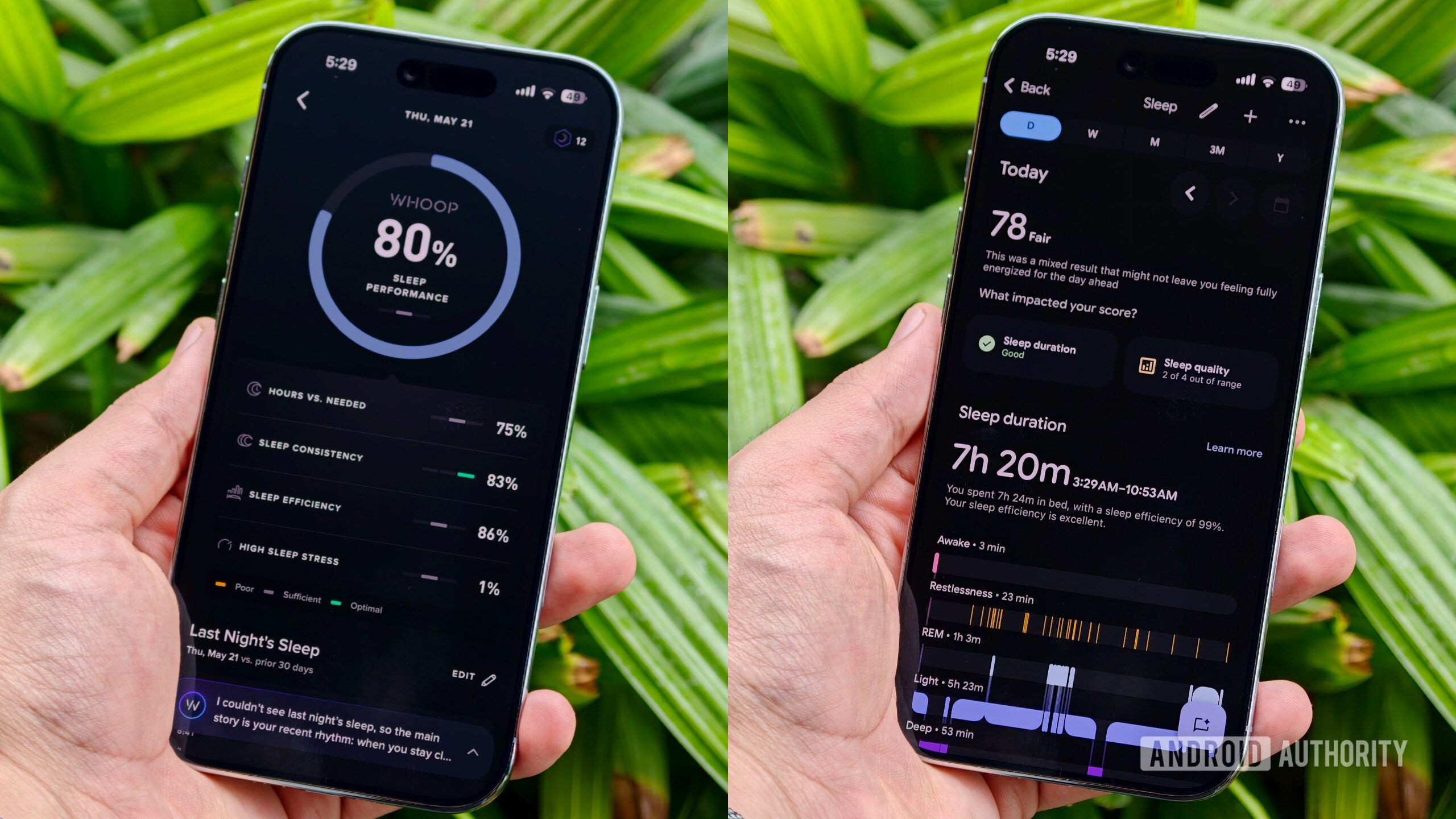
Fitbit Air looks like a basic band, but long-term testing shows it is a stronger fitness tracker than first impressions suggest. The key advantage is comfort: at 12g, it is so light that its tester often forgot it was on, which matters because a tracker only helps if you keep wearing it. Early health tracking performance was rough, with missed sleep sessions and unreliable workout logging in the first week. After about three weeks, though, the Fitbit Air seemed to calibrate, with noticeably better fitness tracker accuracy for sleep and workouts. Its owner now calls the tracking “good enough” and is questioning whether an ongoing WHOOP subscription is worth it. At USD 99 (approx. ₱5,600), “it’s really hard to argue against a $99 Fitbit Air” for most users who want solid health data without a high price tag or subscription.
Garmin Forerunner 170 Music: Built for Training, Not Scrolling
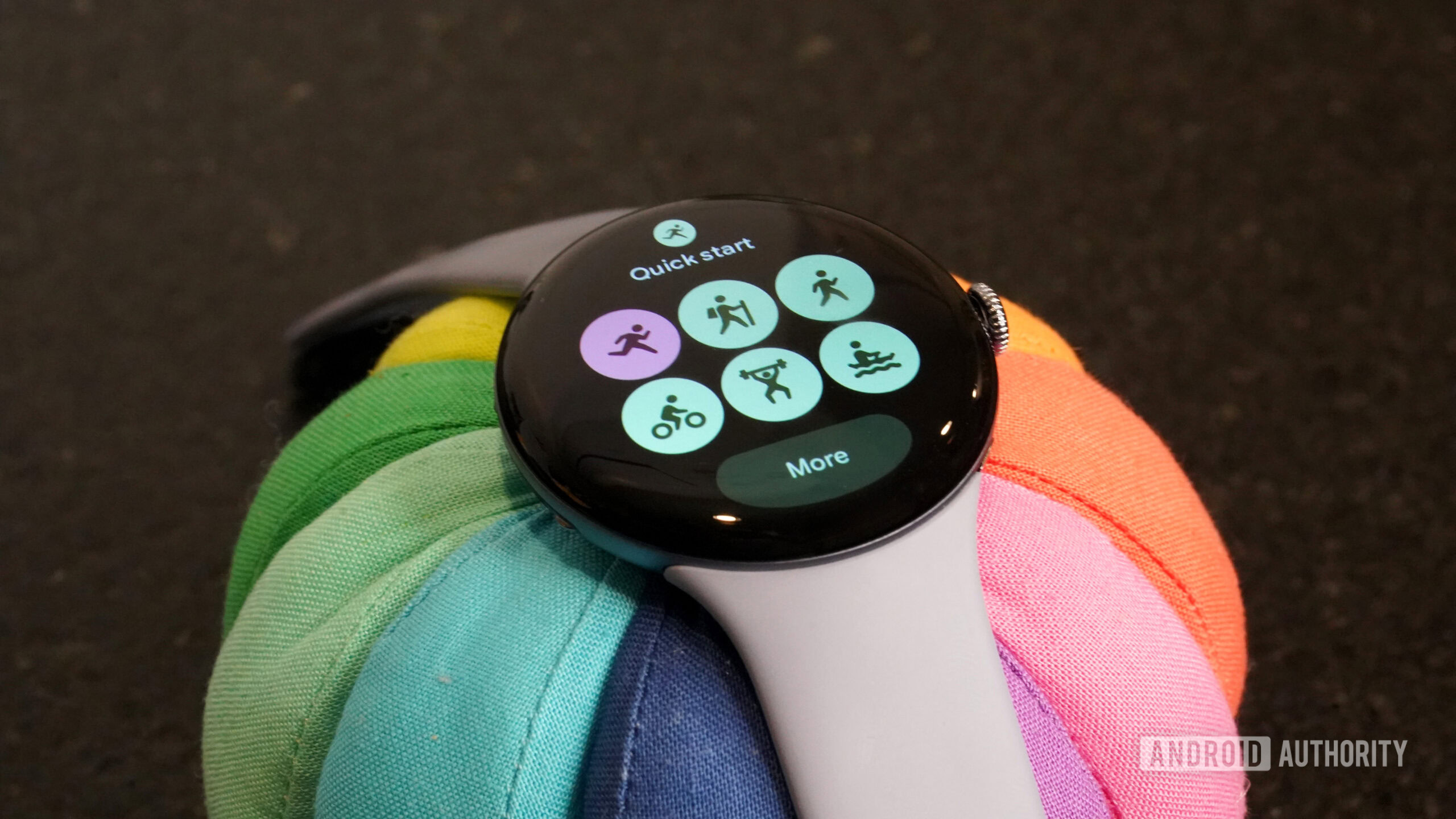
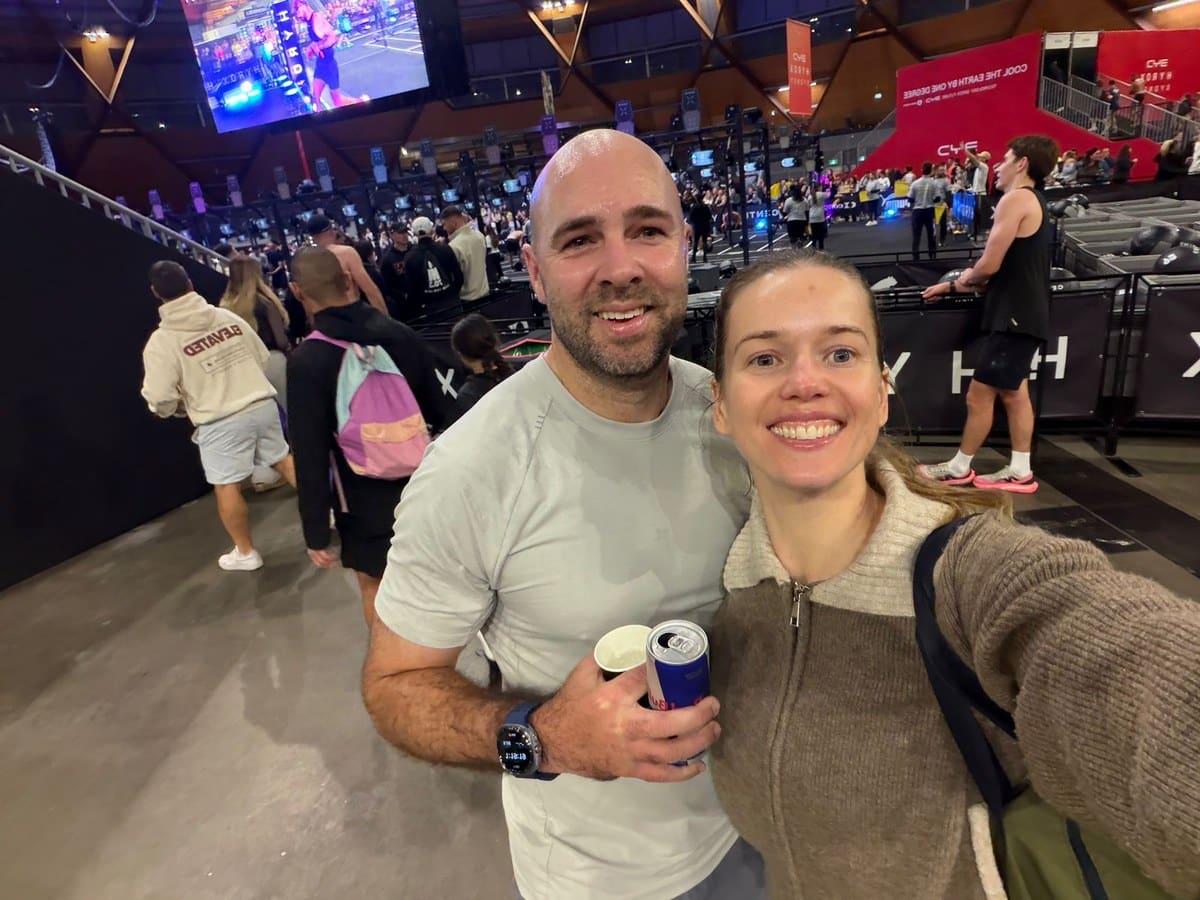
The Garmin Forerunner 170 Music is not trying to be a lifestyle gadget; it is a sports watch tuned for structured training. Priced at USD 349.99 (approx. ₱19,600), it adds value through training load, VO2 Max insights, and race-focused pacing tools rather than flashy apps. In real-world use, it was worn daily for F45 sessions, long runs, HYROX simulation workouts, and an entire HYROX race with eight 1km runs and eight workout stations. A custom interval workout let the tester capture clean splits for every race segment with a single lap-button tap, demonstrating smartwatch real world usability under fatigue. According to the reviewer, the race data was “the most honest review of my training block I could ask for”. Independent testing also rated its GPS accuracy as excellent, with only minor optical heart rate issues during intervals, backing up its health tracking performance for serious runners.
RingConn 3: Pretty Jewelry, Disappointing Health Tracking
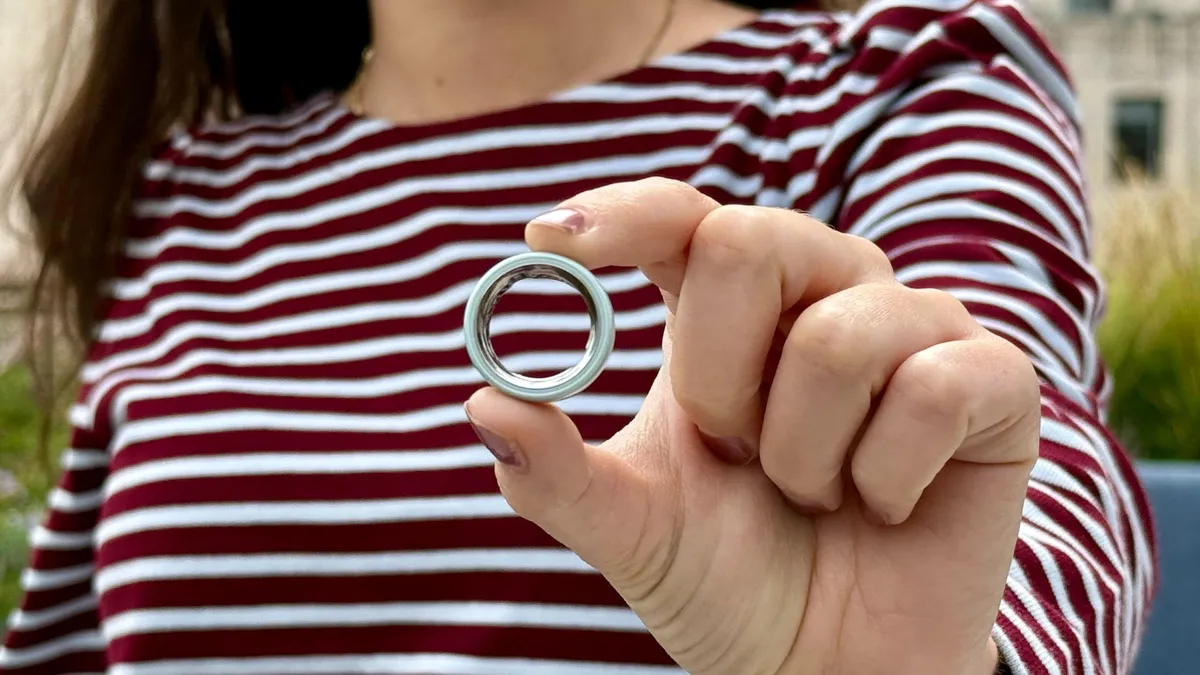
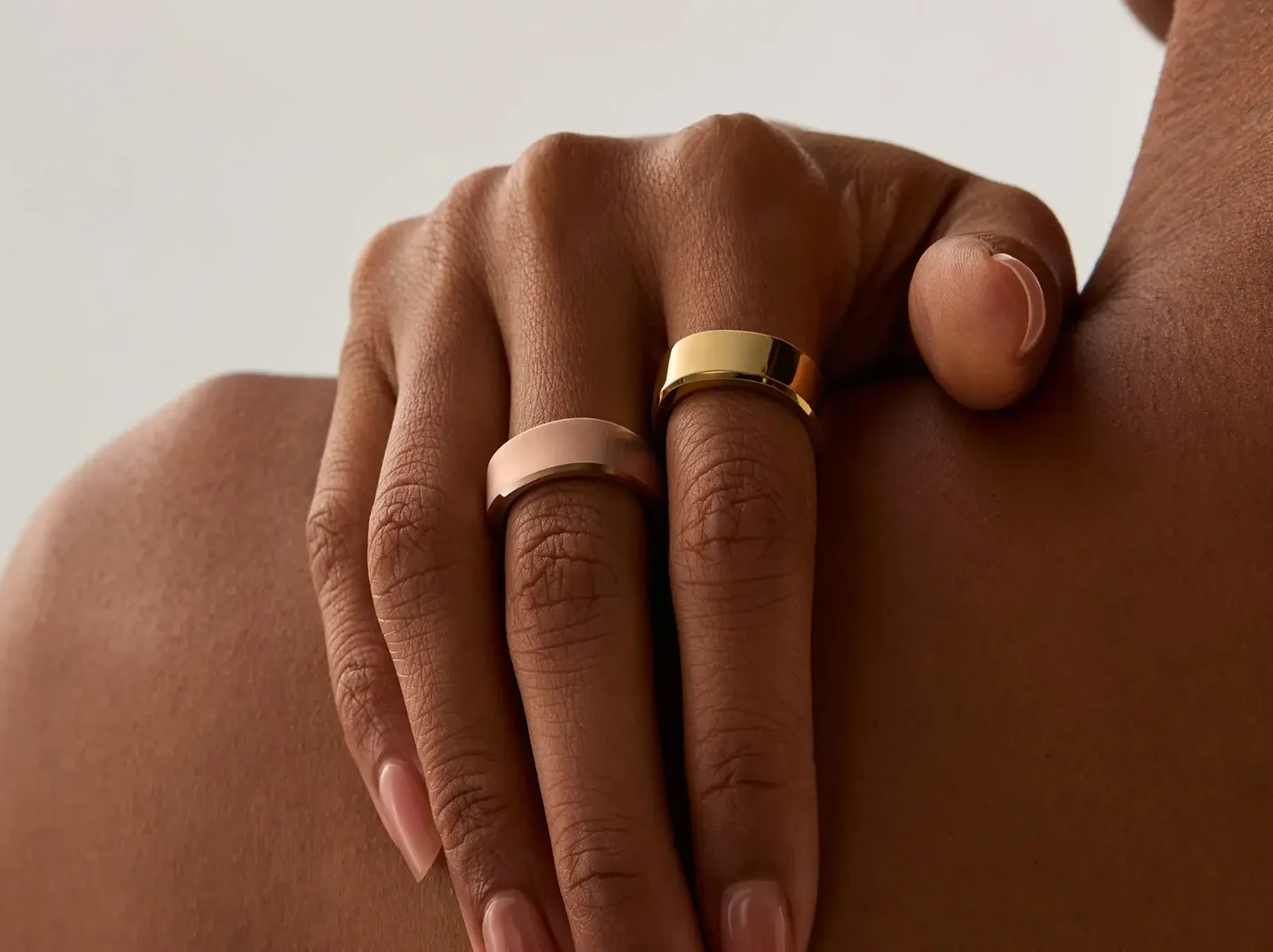
RingConn 3 shows the gap between style and substance in health tracking performance. On the outside, it succeeds: the rose gold version is described as “actually pretty,” matching slimmer rivals at 2.3mm thickness and passing as normal jewelry when stacked with other rings. It also avoids a subscription and starts at USD 349 (approx. ₱19,600), undercutting a key competitor that charges both a higher entry price and a monthly fee. However, real-world wearable device testing exposed serious flaws. The ring was bought as a first daily tracker and worn for about 10 days before being returned during the trial period. During the worst migraine attack the owner had experienced, lasting an entire weekend and bad enough to skip a favorite band’s show, the ring still reported being in “top form” and its headache detection did not help. In the tester’s words, that made RingConn 3 not worth wearing every day.
Which One Should You Trust With Your Health Data?
Taken together, these three wearables show how marketing claims can diverge from smartwatch real world behavior. Fitbit Air starts clumsy, missing sleep and misreading workouts, but settles into consistent, “good enough” tracking after about three weeks. Its low weight and low cost make it a strong default for anyone who wants passive health tracking without thinking about it. The Garmin Forerunner 170 Music, in contrast, is for people who plan training blocks, care about heart rate zones, and want race data they can study. It handled a HYROX preparation cycle and race pacing duties with reliable GPS and useful interval tools that held up in competition. RingConn 3 proves that design cannot replace dependable health detection: despite a sleek, screen-free form factor and comfortable fit, it failed to reflect a severe migraine weekend and labeled the wearer in “top form” when they were not.
- Buy the Fitbit Air if you want an affordable, light band with solid fitness tracker accuracy after a short calibration period and no subscription fees.
- Skip the Fitbit Air if you need perfect data from day one and are not willing to wait through a rough initial week of missed sleep and workouts.
- Buy the Garmin Forerunner 170 Music if you train for races, need structured pacing tools, and value GPS and heart rate data that holds up through endurance events.
- Skip the Garmin Forerunner 170 Music if you mainly care about notifications and lifestyle apps rather than training load, intervals, and performance metrics.
- Buy the RingConn 3 if jewelry-like design is your top priority and you prefer a screenless, subscription-free smart ring despite mixed health tracking.
- Skip the RingConn 3 if you rely on accurate health detection for issues like headaches or migraines and want daily readiness scores you can trust.
![[NEW] Garmin Forerunner 170, Music, Running Fitness, GPS Smartwatch | Shopee Philippines](https://img.milik.ai/product/2026/07/17/1d0ee514-bc1f-47ad-a159-fa3a53e49085.jpg)