
The Otus 85mm f/1.4: A Portrait Lens That Refuses to Age
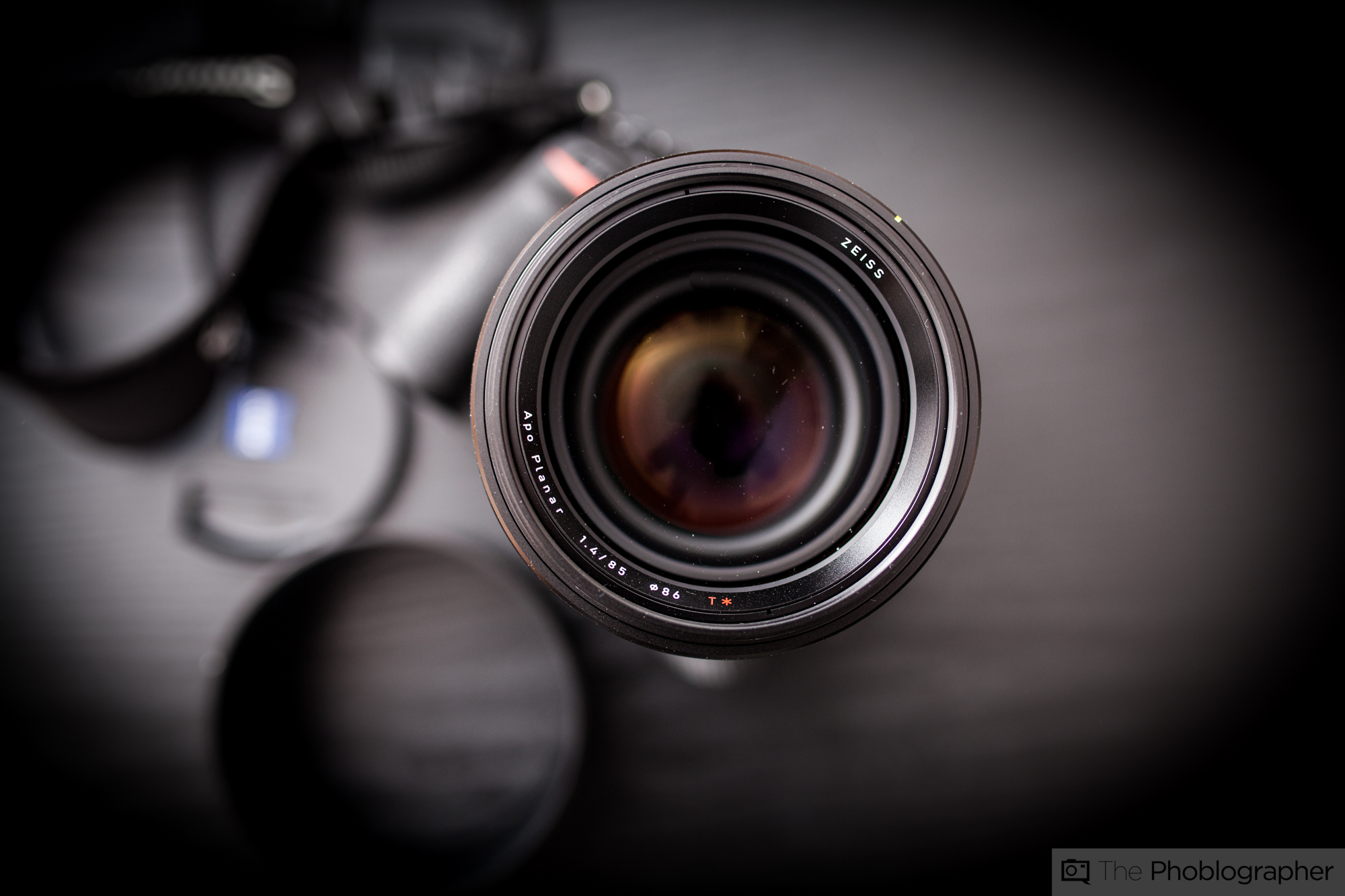
The Zeiss Otus 85mm f/1.4 is a manual-focus short telephoto prime that many portrait photographers regard as a benchmark for image character, color, and consistency, even as new mirrorless lenses arrive with faster autofocus and more clinical rendering. It represents a design philosophy where optical performance is tuned to make every frame feel intentional, not something to be rescued later in post-production.
When one photographer revisited the Zeiss 85mm f/1.4 Otus ML review, they were struck by how flat and clinical the newer version felt compared with the original lens they had tested years earlier. With the first Otus 85mm f/1.4, they recall that it "felt impossible to make a bad image" because every frame came out with rich color and a sense of soul that invited minimal editing. In an era where many of the best portrait lenses are designed to be neutral tools, that kind of built‑in character is exactly why the Otus still stands apart.
Why Classic Camera Lenses Can Beat Modern Clinical Glass
The Otus proves that newer does not always mean better for portraits. The same photographer who adored the original Zeiss Otus 85mm f/1.4 later found the newer Otus ML version "like everything else"—technically pristine but stripped of the colors and character that made the first lens special. That contrast underlines a simple truth: character is hard to design and easy to lose when engineers chase lab scores alone.
These classic camera lenses have stood the test of time because their rendering encourages photographers to get things right in-camera instead of leaning on the "fix-it-in-post" mindset. When a lens helps you feel that your camera’s JPEG or a lightly edited RAW already looks finished, you shoot more deliberately, worry less about perfection, and focus more on the connection with your subject. That, not a spec sheet, is what makes a lens one of the best portrait lenses for serious work.
Legacy Portrait Options Aren’t Only for Full Frame
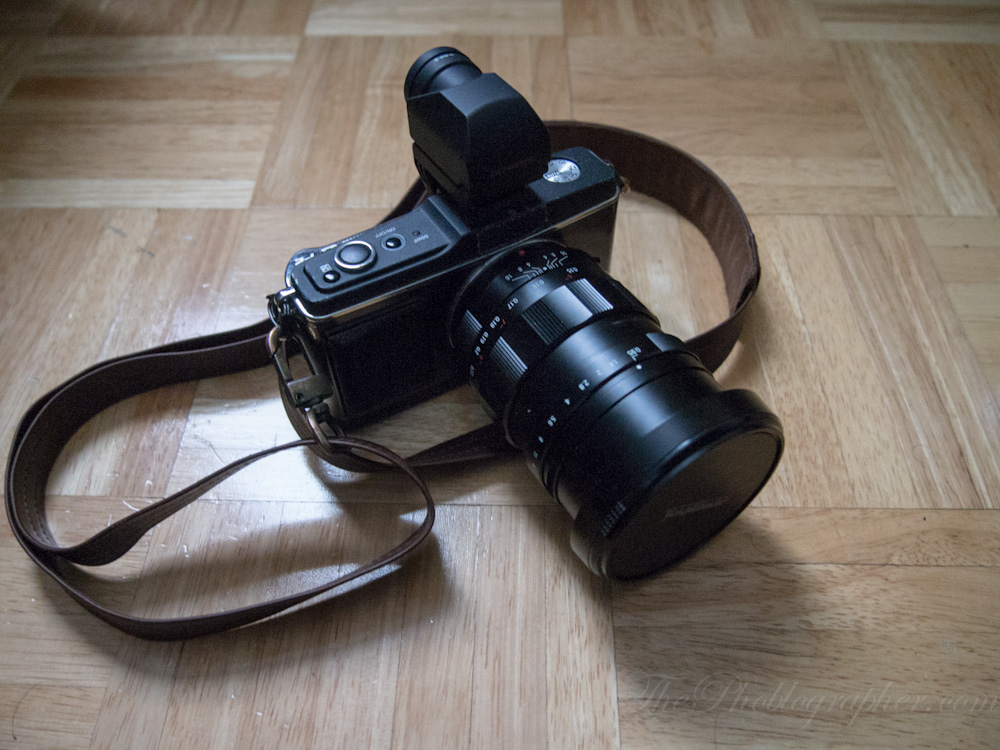
The appeal of time-tested portrait optics is not limited to full-frame shooters. Micro Four Thirds users, for example, have access to the Voigtländer 17.5mm f/0.95 Nokton, a lens described as a model that "has stood the test of time" and is "perfect for Micro Four Third" photographers. With 13 elements in 9 groups and 10 aperture blades, it is built for a distinctive look rather than spec-sheet novelty.
This manual-focus lens offers a very close 5.9-inch focusing distance and a fast f/0.95 aperture, giving portrait and people photographers on Micro Four Thirds a cinematic rendering and beautiful bokeh. Wide open, its colors are described as sharp and saturated, while stopping down to around f/2.8 yields a more balanced, cooler palette and strong sharpness. In other words, like the Otus, it rewards careful use with different looks straight out of the camera instead of demanding heavy editing.
Shooting Experience: When a Lens Wants to Be Used
These classic designs ask more of the photographer—manual focus, more weight, slower handling—but they give something rare in return: the sense that the lens is a collaborator, not a sterile instrument. The original Otus 85mm f/1.4 was described as big, heavy, and hard to use, yet the photographer still feels "smitten" with the output years later and continues to reference those images in a decades‑long archive.
Similarly, the Voigtländer 17.5mm f/0.95 Nokton has a large focusing ring, a depth-of-field scale for zone focusing, and even a stepless aperture ring for smooth changes. Its manual focus can make candid work challenging, but the reward is "fantastic" image quality and "lovely" bokeh, with skin tone rendering described as second to none for people work. Classic portrait lenses like these make you slow down—and that slower, more intentional process often shows in the final portrait.
Conclusion: The Quiet Power of a Proven Portrait Lens
In the end, the Zeiss Otus 85mm f/1.4 earns its status not through firmware updates or buzz, but through images that hold up when you look back years later. It shares this strength with other proven designs like the Voigtländer 17.5mm f/0.95 Nokton, which remains a go‑to option for Micro Four Thirds portrait and street photographers seeking cinematic rendering and consistent performance.
According to one long‑time reviewer, working with the original Otus made it feel "impossible to make a bad image," while the newer, more clinical version lost that magic. That observation should guide portrait photographers more than any lab chart. When you find a lens that makes you fall in love with the back-of-camera preview, hold onto it. For many serious portraitists, that lens is still the Zeiss Otus 85mm.