
The Upside-Down World of Mid-Range GPU Pricing
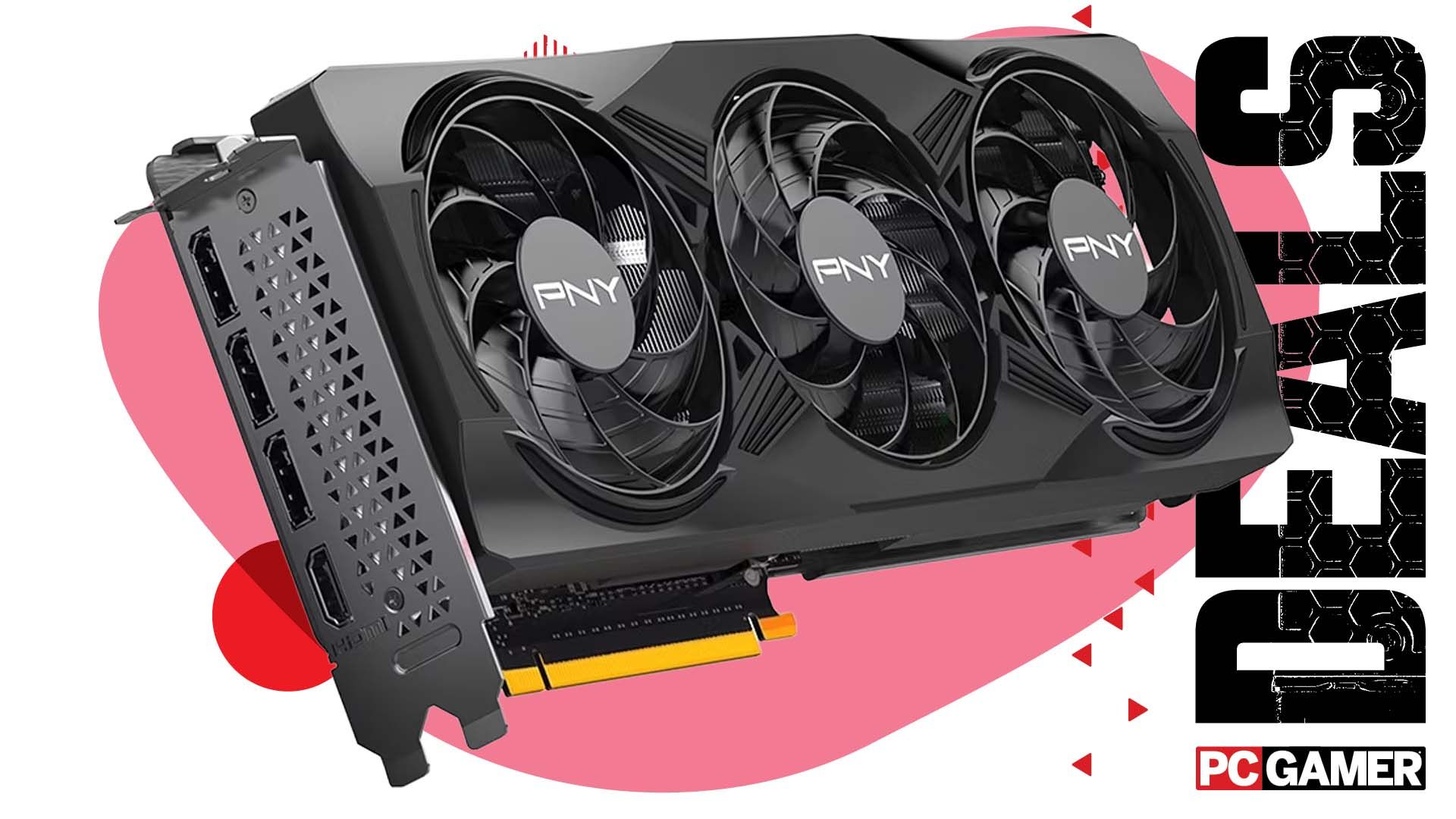
Mid-range GPU pricing now regularly defies performance tiers, with newer and faster cards selling for the same or less than so‑called budget models, forcing buyers to ignore model numbers and focus on real‑time deals and benchmarks instead of assumed hierarchies. The headline example is RTX 5070 pricing: a PNY RTX 5070 is selling for USD 560 (approx. ₱32,000) at Walmart, described as the cheapest this GPU has been all year and only USD 10 (approx. ₱570) above its original MSRP. That alone is notable, but the shock comes when you realize it now matches the cheapest RTX 5060 Ti 16GB on the market, a supposedly lower‑tier card that offers weaker performance but clings to the same price bracket on the strength of its VRAM alone. This is not a rational performance ladder; it is a pricing mess.
AMD’s RX 9070 GRE: Aggressive 1440p Value
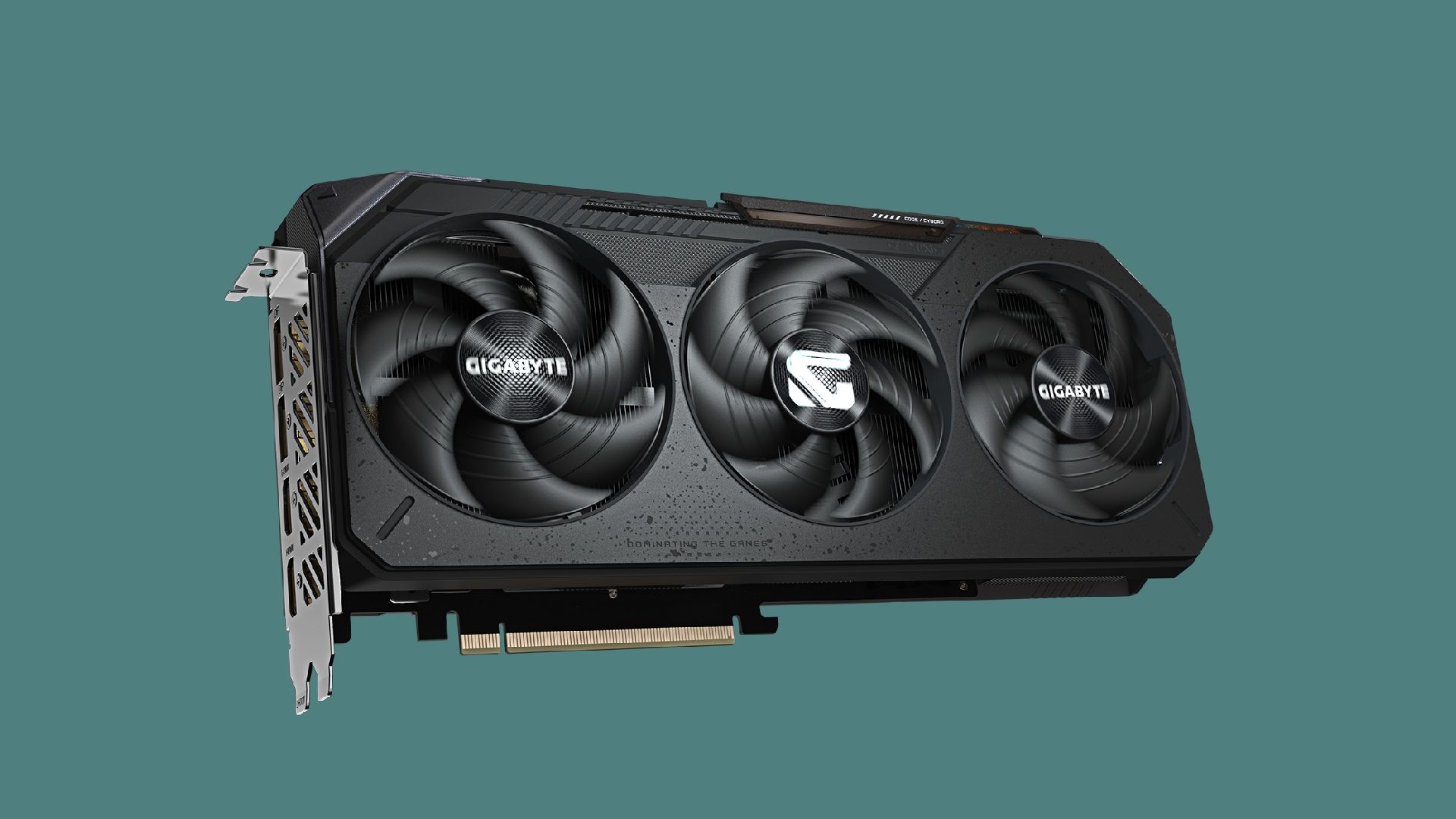
While Nvidia’s mid-range graphics cards stumble through price anomalies, AMD’s RX 9070 GRE is quietly attacking the 1440p segment with aggressive cuts. The card went global last month with an MSRP of USD 549 (approx. ₱31,400), but its first discount already dropped a Gigabyte Gaming RX 9070 GRE to USD 499 (approx. ₱28,500) via a promo code at Newegg. Built on RDNA 4 with the Navi 48 GPU, it uses 48 compute units and 12GB of GDDR6 at 18 Gbps on a 192‑bit bus, delivering 432 GB/s of raw memory bandwidth. In testing, an RX 9070 GRE averaged 120 FPS at 1080p and 86.6 FPS at 1440p across an 11‑game raster suite, sitting clearly above the RX 9060 XT 16GB and the RTX 5060 Ti 16GB for high‑refresh gaming. At its discounted price, it competes directly with RTX 5060 Ti 16GB, which still sells for well over USD 500 (approx. ₱28,500).
Ray tracing is the trade‑off. The RX 9070 GRE struggles to maintain 60 FPS at 4K and shows weaker RT performance, making AMD’s own advice clear: gamers who insist on ray‑traced visuals will likely need to enable FSR 4 upscaling and frame generation at higher resolutions to offset the hit. But for buyers who care more about raw rasterized performance at 1080p and 1440p, the RX 9070 GRE’s discounted position between the RX 9060 XT 16GB and RX 9070, and its claim of 21% higher average performance than RTX 5060 Ti 16GB in 1440p gaming, is a direct shot at Nvidia’s mid‑range. In value terms, AMD is signalling that 1440p high‑refresh gaming should not cost "third‑tier" money anymore.
RTX 5060 vs 5070: When the Tier Above Costs the Same
The clearest GPU price anomaly today is the relationship between RTX 5060 vs 5070. The RTX 5070 was criticized at launch for being outperformed and undercut by AMD’s RX 9000‑series cards, yet in the current USD ~500 (approx. ₱28,500) market it is described as the best bet for a GeForce card because of that USD 560 (approx. ₱32,000) deal. Performance data backs that up: in 1080p and 1440p gaming, the RTX 5070 generally outperforms the RX 9070 GRE while sitting behind the full RX 9070, placing it firmly in the upper mid‑range rather than budget territory. Despite that, the RTX 5060 Ti 16GB—a third‑tier Nvidia GPU with weaker frame rates than both RX 9070 GRE and RTX 5070 across a range of modern titles—continues to inhabit the same USD 500–600 (approx. ₱28,500–₱34,200) bracket.
One quotable complaint captures the absurdity: "I don't know what business the RTX 5060 Ti 16 GB has being priced in the same bracket apart from its VRAM credentials". The only real advantage is its 16GB of memory, not its performance. Yet buyers who rely on model numbers or assume that a lower tier must cost less end up paying mid‑range money for budget‑tier speed. Meanwhile, higher‑performing cards like the RX 9070 GRE and the discounted RTX 5070 are quietly eroding that logic in the background. If you are still paying near‑MSRP for an RTX 5060‑class card, you are funding Nvidia’s inventory strategy—not your own gaming experience.
Crowded Mid-Range: Inventory Strategy Masquerading as a Product Stack
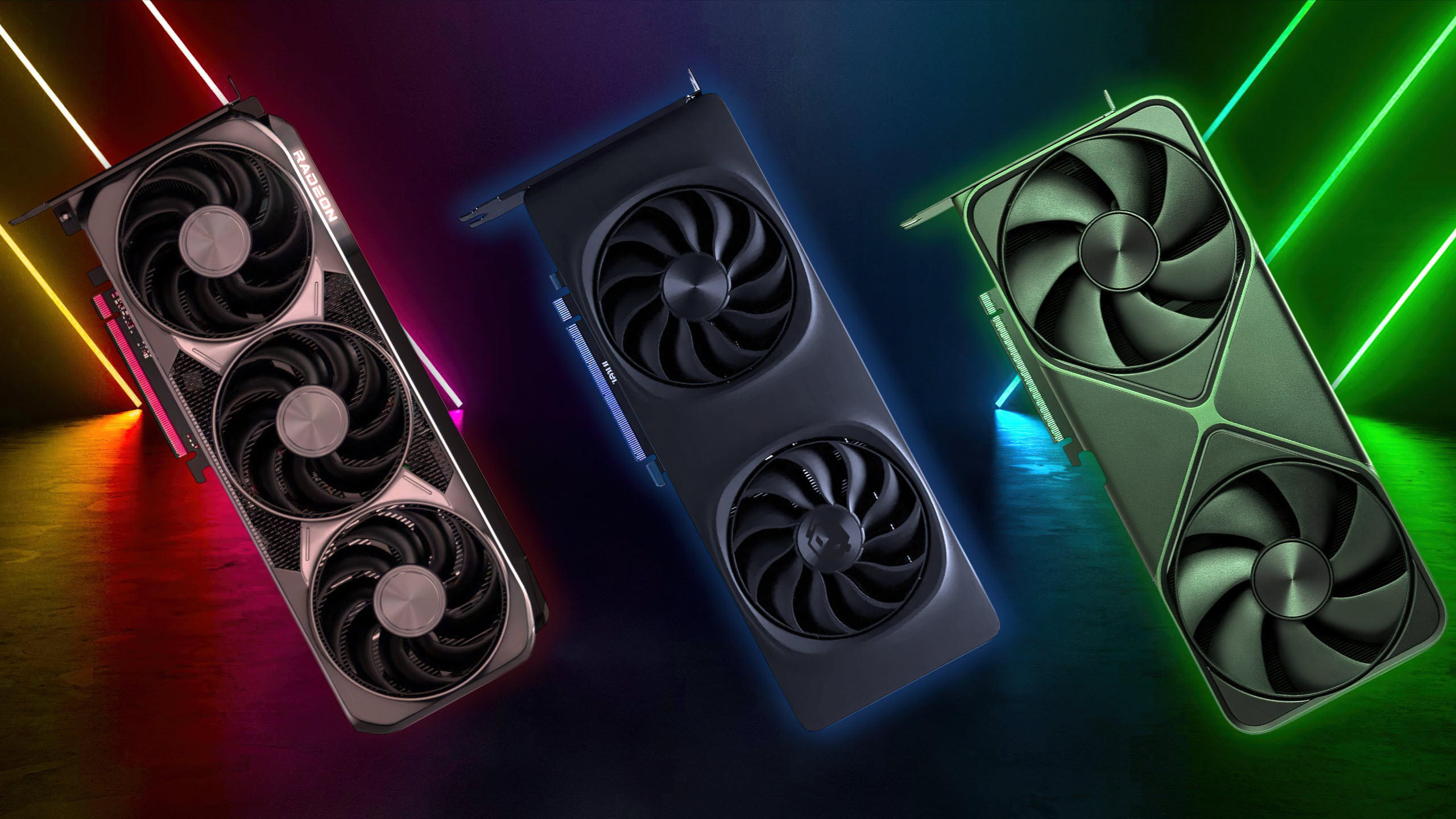
Look at the USD 500–600 (approx. ₱28,500–₱34,200) mid‑range and it becomes clear that pricing reflects inventory and competitive pressure more than any clean performance hierarchy. In that band you now find four serious contenders: RX 9070 GRE at the lower end, RX 9070 at the upper end, and Nvidia’s RTX 5060 Ti 16GB and RTX 5070 squeezed in between. Benchmark data shows the cheaper RX 9070 GRE getting very close to RX 9070 at 1080p and practically tying the pricier RTX 5070, while AMD claims a 21% performance lead over RTX 5060 Ti 16GB at 1440p. At the same time, the RTX 5070 Ti has not been cheaper than USD 900 (approx. ₱51,300) all year, and is criticized as a "ridiculous amount of money for a third-tier Nvidia GPU" when the RX 9070 XT can perform similarly for USD 700 (approx. ₱39,900).
Taken together, these prices do not tell a neat story of "better card costs more"; they tell a story of vendors protecting margins on older inventory while discounting strategically where competition bites hardest. RX 9070 GRE’s drop to USD 499 (approx. ₱28,500) is a direct play to steal a piece of Nvidia’s mid‑range share, while the RTX 5070 deal is an acknowledgement that GeForce must show some value in the same lane. Meanwhile, RTX 5060 Ti 16GB’s stubbornly high pricing suggests stock that still needs to be cleared, not a premium justified by performance. Buyers who treat MSRP as a guide to value are reading the wrong signal.
How Informed Buyers Can Exploit GPU Price Anomalies
The practical impact for ordinary gamers is simple: this chaos creates real opportunities, but only for those willing to dig into current deals and performance numbers. One source notes that the RTX 5070 is "a good deal right now" at USD 560 (approx. ₱32,000), particularly if you do not want to spend more on RX 9070 or have an unreasoned aversion to Radeon GPUs. Another emphasizes that if you prioritize raw raster performance at 1080p and 1440p, the discounted RX 9070 GRE is worth considering—especially as an upgrade from cards like RX 6700 XT or RTX 3070. In other words, mid-range value now lives in the overlapping space between nominally budget and high‑mid GPUs, not in the neat product names.
This is where budget GPU deals start to matter more than branding. Promo codes and retailer discounts have pulled RX 9070 GRE to USD 499 (approx. ₱28,500), and pushed RTX 5070 close to its MSRP while undercutting RTX 5060 Ti 16GB. Those market anomalies reward buyers who compare per‑game performance, check current pricing across retailers, and ignore the psychological pull of "60‑class" and "70‑class" labels. The conclusion is blunt: the vendors are managing inventory; you should be managing value. In this warped mid‑range, the best card for your money is rarely the one the model number suggests.