
Galaxy Watch 9: From Passive Tracker to AI Health Interpreter
The Samsung Galaxy Watch 9 AI features refer to a new generation of smartwatch tools that promise real-time health insights, smarter sensor interpretation, and longer-term tracking, turning the watch from a passive recorder of your body metrics into an always-on assistant that interprets and explains what those numbers mean for your daily wellbeing.
Samsung is teasing the Galaxy Watch 9 series and Galaxy Watch Ultra 2 as “health-first” wearables that double as an always-on AI companion ahead of their July 22 Unpacked reveal. The company claims the new watches will deliver real-time AI health insights, better tracking accuracy, and longer battery life thanks to “all-new internal components.” In plain language, Samsung wants your watch to stop being a silent step counter and become something closer to a pocketable health coach on your wrist. That is the right ambition—but whether it feels meaningful depends on how far the AI moves beyond what current smartwatches already do with sleep, heart rate, and workout data.
What the New AI Health Monitoring Features Actually Do
Samsung’s pitch is clear: the Galaxy Watch is “evolving from a device that simply records health metrics into one that actively interprets them.” The watch will run AI in the background to offer intelligent, real-time health insights that help you understand and manage your wellbeing more proactively. That means the focus is less on adding yet another metric and more on tying existing data together into daily, understandable guidance.
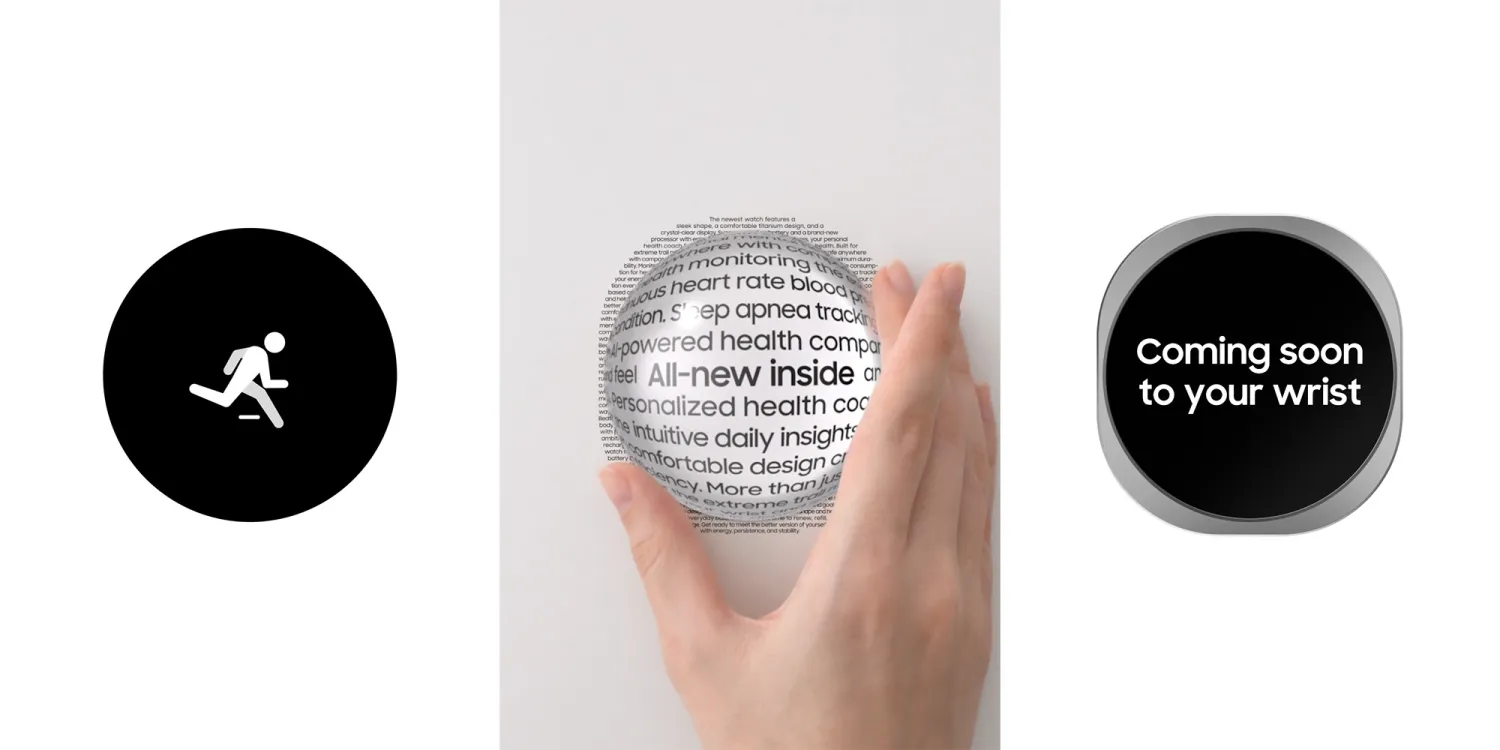
Teasers highlight features like continuous heart rate tracking, sleep apnea tracking, intuitive daily insights, and a “personalized health coach,” plus guidance that spans nutrition, exercise, sleep, and mental health. The watch will automatically track calorie consumption, heart rate, blood pressure, body composition, energy, and stress, then summarize your condition into simple scores you can check each day. That sounds like a serious upgrade for Samsung smartwatch health monitoring—but conceptually, it mirrors what other platforms already attempt. The difference will come down to how accurate, timely, and actionable those insights feel in real life.
AI Health Sensors and the Importance of Accuracy and Battery
Samsung is pairing these AI health features with upgraded hardware in the Galaxy Watch 9 and Ultra 2, arguing that smarter software only matters if the underlying data is reliable. The company says the watches use “all-new internal components” and enhanced battery life to monitor health for longer stretches while improving tracking accuracy. This is the quiet but critical part of the announcement: AI health sensors on wearables are only as good as their signal, and longer battery life means fewer gaps in that signal.
According to Samsung’s newsroom teasers, the newest watch adds a titanium build, a crystal-clear display, longer battery life, and a brand‑new processor with better efficiency. The Snapdragon Wear Elite chip replaces Exynos for the first time in a Galaxy Watch, promising more power for AI workloads. For users, the upside is simple: less charging anxiety and more consistent tracking, which should translate into better AI insights instead of scattered, half-complete data. The risk is that expectations for medical-grade precision will rise faster than the sensors can keep up.
Galaxy Watch 9 Upgrades and How They Stack Up in the AI Race
Beyond the sensors and AI, Samsung is positioning the Galaxy Watch 9 as a “health-first, always-on gateway for advanced, personalized AI” that fits into a broader personal assistant ecosystem. Features like Gemini raise‑to‑talk, where you lift your wrist and speak to your AI to get things done, show how health tracking is being fused with general productivity and assistance. Activity‑focused watch faces for running, safety tools like a compass, and modes designed for trail running, diving, cycling, and intense workouts round out its athletic credentials.
These Galaxy Watch 9 upgrades give Samsung a stronger answer to rival smartwatches that already offer coaching, stress management, and sleep scores. While the sources do not spell out direct comparisons to specific competitors, the direction is obvious: every major smartwatch brand is racing to present AI as the secret ingredient that turns raw health logs into guidance. The Galaxy Watch 9 strategy is less about novelty and more about integration—tying health coaching, everyday assistance, and long‑term tracking into one coherent experience.
What This Means for Everyday Users—and What Comes Next
For ordinary users, the practical impact of the Galaxy Watch 9 AI features should be felt in the day-to-day: more meaningful alerts, fewer confusing charts, and coaching that adapts to your status and goals. The watch aims to keep score of your health across sleep, diet, exercise, stress, and body composition, then turn that into guidance that helps you find “everyday balance.” If Samsung delivers on that promise, even people who never open detailed graphs might benefit.
The bigger picture is that smartwatches are shifting from fitness accessories to long-term health companions, and Samsung is leaning hard into that narrative. The Galaxy Watch 9 series and Galaxy Watch Ultra 2 will be formally unveiled at Galaxy Unpacked on July 22 at 9:00 AM ET, where we will finally see how these claims translate into software and real-world demos. Until then, the smart takeaway is this: the most important Galaxy Watch 9 upgrades are not new metrics, but whether the AI can make the health data you already have feel understandable, personalized, and worth checking every day.