
Apple Watch battery life: the Achilles’ heel of an otherwise brilliant wearable
The Apple Watch battery life problem refers to the gap between its high‑accuracy health sensors and its short, roughly day‑long endurance, which forces users to remove the device for frequent charging and undermines continuous, around‑the‑clock health tracking that modern wellness platforms increasingly depend on for sleep, recovery, and long‑term trend insights.
The core issue is not that the Apple Watch is a bad wearable; it is that it is the wrong tool for all‑day health tracking on its own. It can be the most accurate device on your wrist and still miss the most important hours of your day because it is stuck on a charger at night. As wearables compete more on long-term health insights than on workout stats, this gap turns into a strategic weakness rather than a minor annoyance. Ring‑based devices, by contrast, are forcing a blunt question: if the watch cannot stay on your body, how valuable is its sophistication?
Why daily charging breaks the promise of continuous health tracking
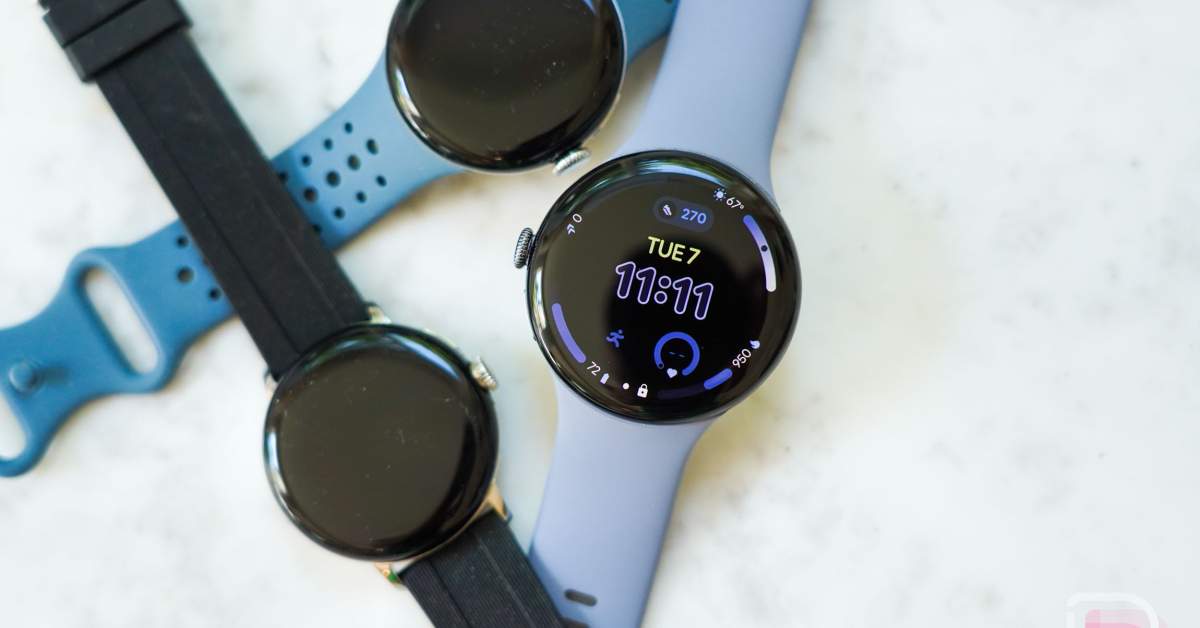
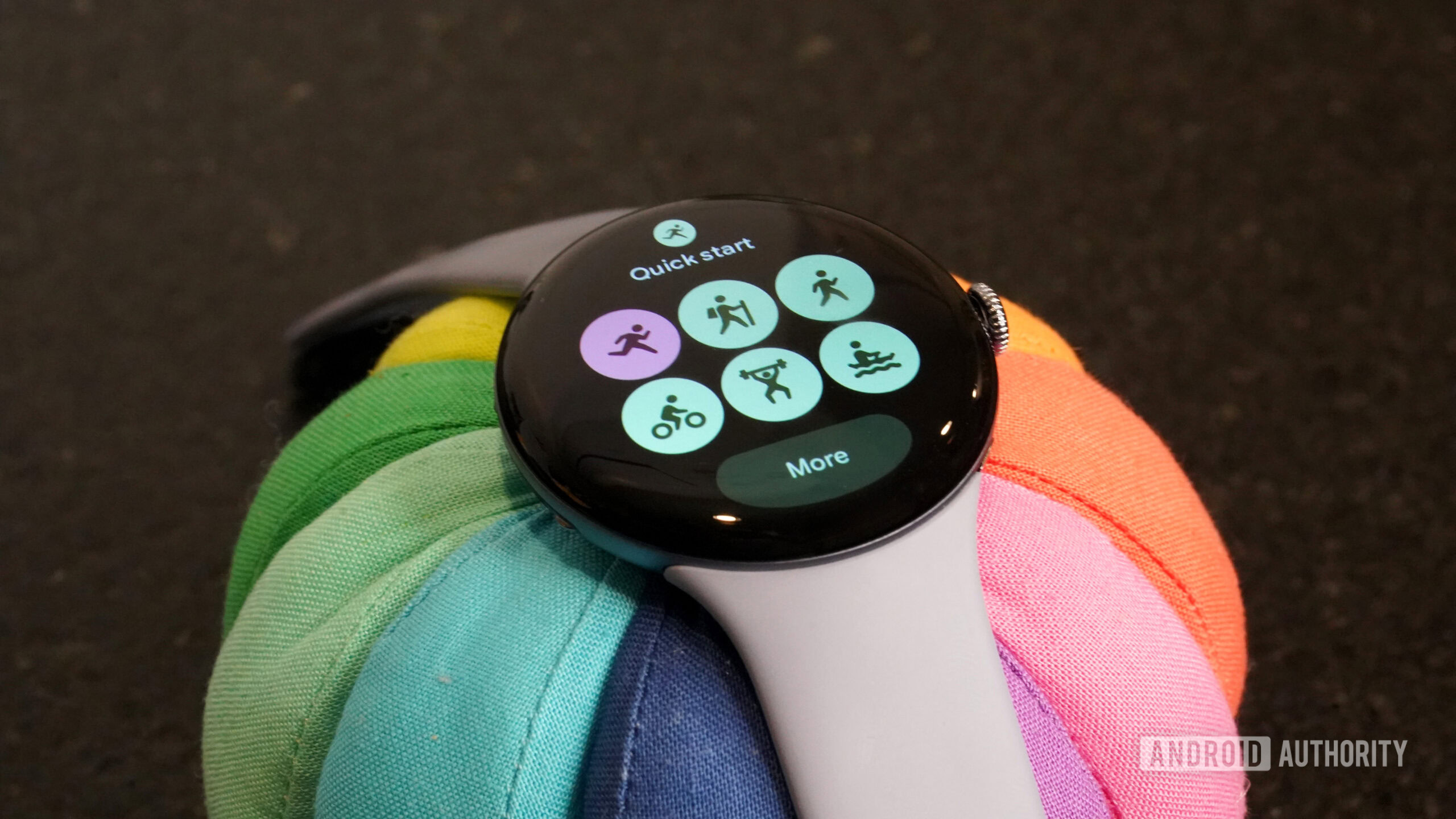
On paper, the Apple Watch delivers impressive health data: near‑continuous heart‑rate sampling during workouts, strong optical sensors, and smart algorithms that outperform many rivals. In practice, that excellence is powered by energy‑hungry sampling and sensors—the very reason the battery drains so quickly. The result is a device that often needs a daily recharge, with users leaving it on a charger overnight, precisely when some of the most valuable metrics—sleep stages, overnight heart rate, temperature shifts—are recorded.
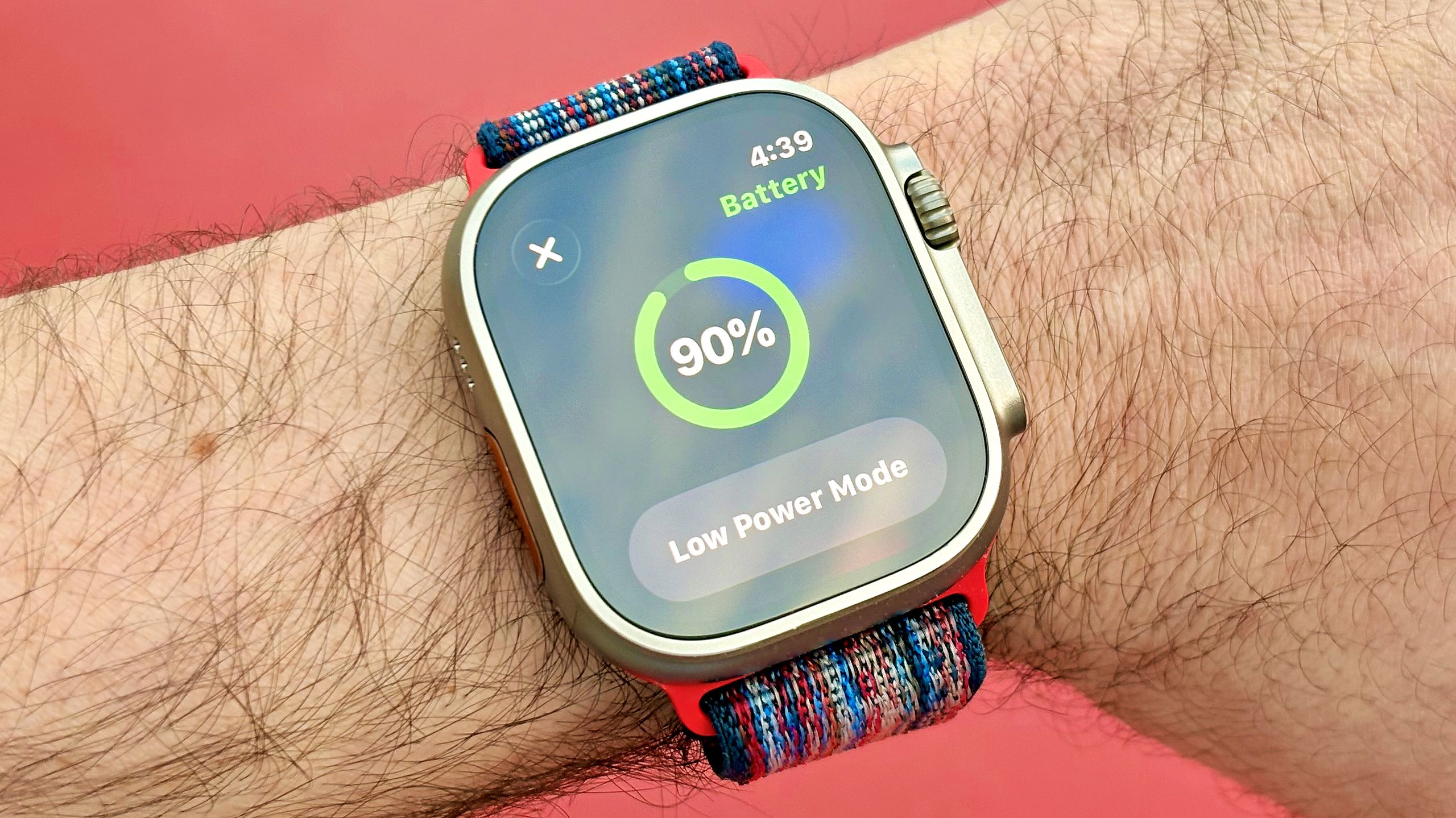
Different models highlight the same ceiling: the Series 11 averages about 24 hours, the SE 3 around 18 hours, and the Ultra 3 about 42 hours per charge. Low‑power mode can stretch a Series 11 to roughly 38 hours, but only by turning off features like the always‑on display and continuous heart‑rate monitoring that many buyers expect. That is a band‑aid, not a cure. Health features that depend on consistent overnight wear, such as temperature‑based ovulation estimates, falter if you miss several nights or reset the watch and must rebuild baselines.
Smartwatch vs smart ring: disappearing devices win at long-term health
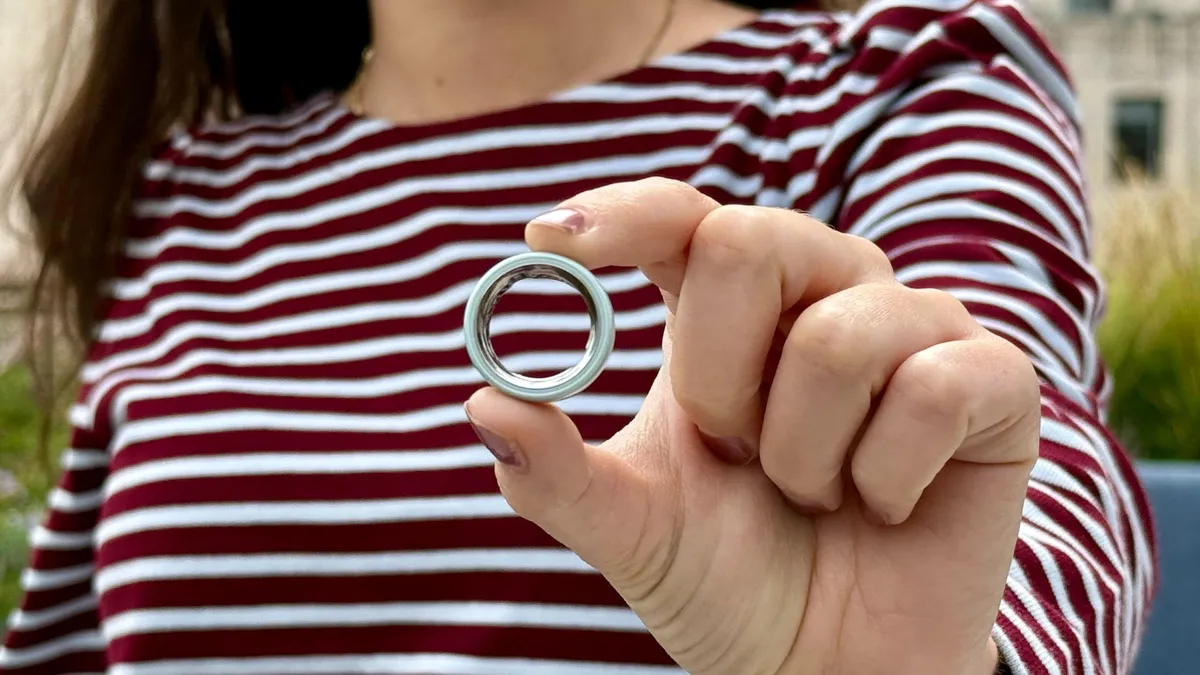
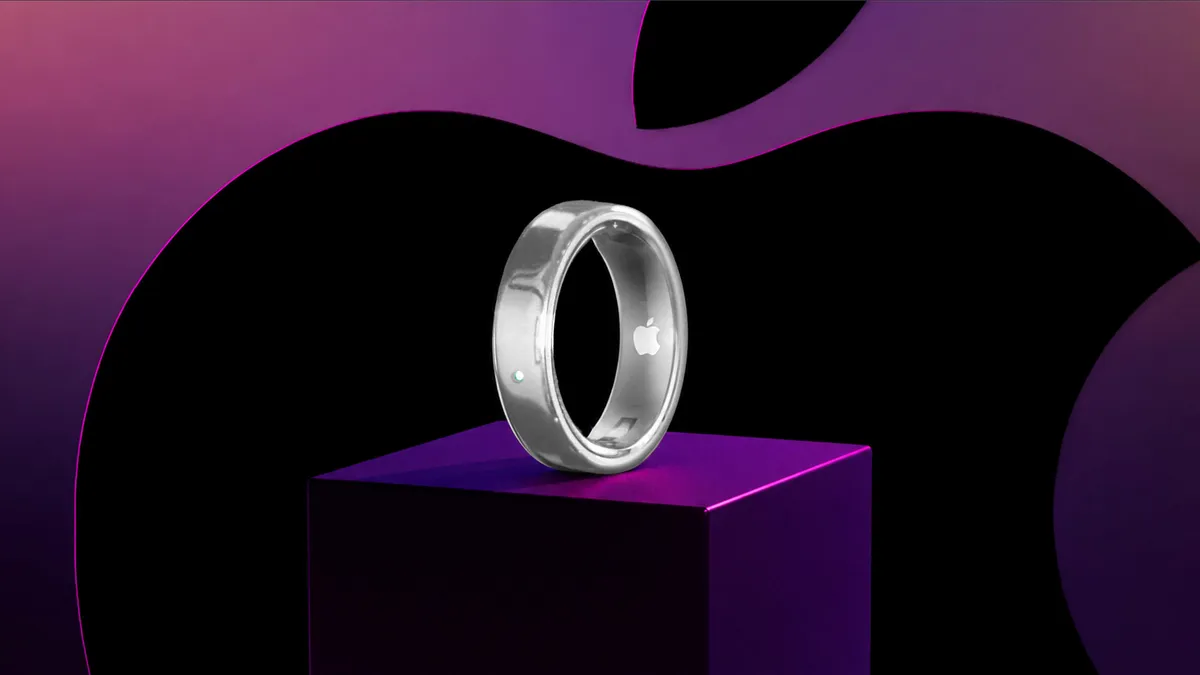
The most interesting wearable battery limitations debate is no longer watch vs watch; it is smartwatch vs smart ring. Rings like the Oura Ring and screenless bands such as Whoop and Fitbit Air have “carved out a niche by doing the opposite of the Apple Watch: disappearing.” They stay on your body for a week or more, quietly collecting trends while a smartwatch sits on a charger.
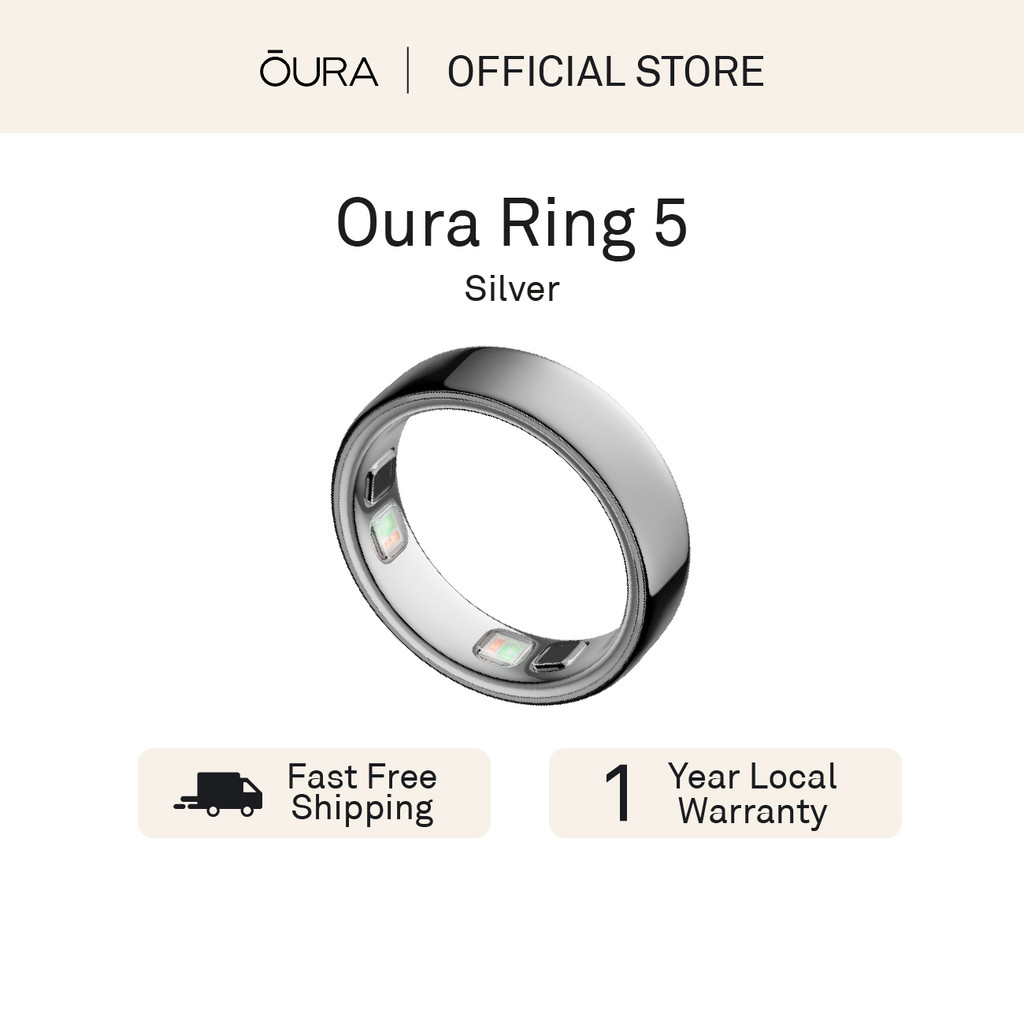
An Oura Ring 5 can last a week or more on your finger before needing a charge—a different league from 24‑ to 42‑hour watches. These devices sample less frequently because of their smaller batteries, which is acceptable during sleep but less ideal for interval workouts where heart rate can spike quickly. Still, for continuous monitoring, that trade is compelling. And the market is taking notice: the global smart ring category is projected to grow from USD 519 million to USD 3.77 billion by 2034, according to Fortune Business Insights. That curve tells a simple story: users are voting for wearables that vanish into daily life.
Tuning settings helps, but can’t fix a structural battery problem
Power users have learned to squeeze extra hours from their Apple Watch. Low‑power mode is the blunt instrument, extending battery life significantly at the cost of flagship features like always‑on display and continuous heart‑rate monitoring. More subtle tweaks—turning off background app refresh or dialing down interface animations—promise battery gains that “won’t impact the user experience much but will noticeably improve your device’s battery life.” These are sensible optimizations, and many owners lean on them.
But these tricks cannot change the physics. The watch is designed around frequent, high‑resolution sampling for workouts and live metrics, and that design choice caps endurance far below the week‑long runtimes of smart rings and fitness bands. Even with more efficient chips and denser batteries on the horizon, current expectations are realistic: those advances are unlikely to push Apple’s watch anywhere near multi‑day ring levels anytime soon. Users can massage the edges of the problem; they cannot escape it.
Why the future of Apple health looks more like a combo than a replacement
The convergence of these trends points toward a form‑factor shift rather than a simple spec bump. Smart rings and similar health tracking alternatives solve two problems at once: they extend battery life into multi‑day territory and reduce friction by “disappearing” on your finger. That makes them better suited for the mundane but vital hours—sleep, recovery days, stress monitoring—when you do not want another screen screaming for attention.
A realistic vision is not watch or ring, but watch and ring. One device wins at workouts, notifications, and live metrics; the other owns long‑term health data in the background. The idea is already in motion: some ecosystems combine data from a ring and watch worn together for a fuller health picture. Battery technologies and efficient chips will improve over time, and observers now openly argue that a ring‑style accessory is worth serious consideration. Until then, the Apple Watch will remain a brilliant sprinter in a world that is starting to reward endurance.