
The big shift: removable batteries for phones, sealed guts for wearables
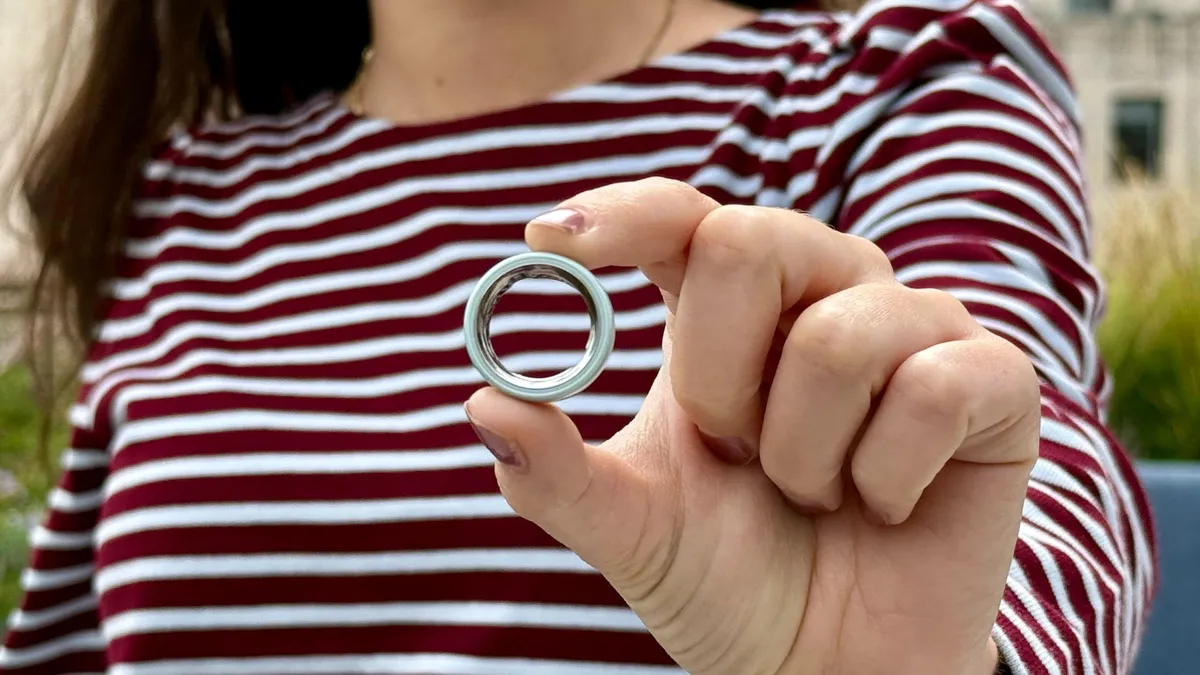
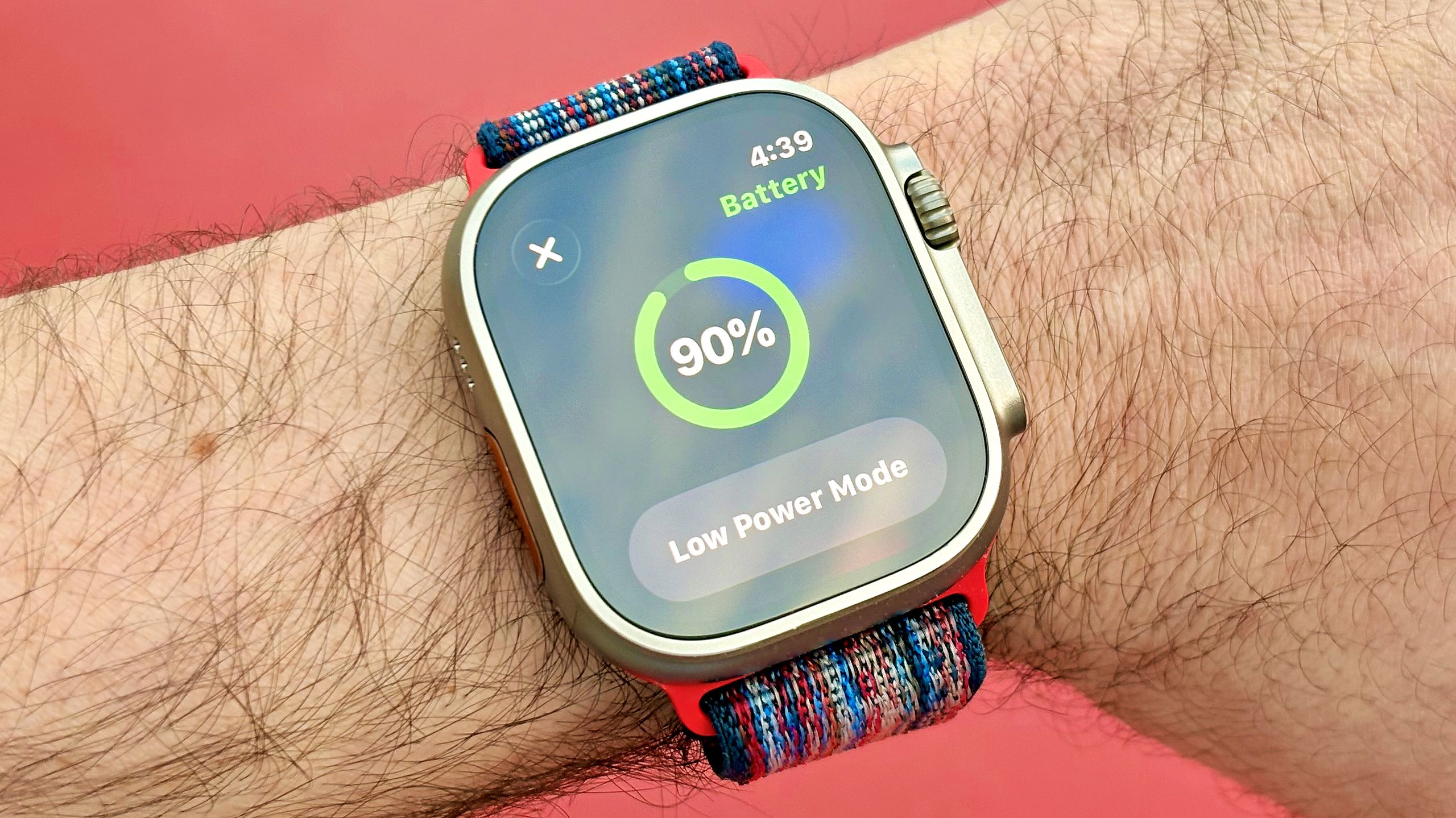
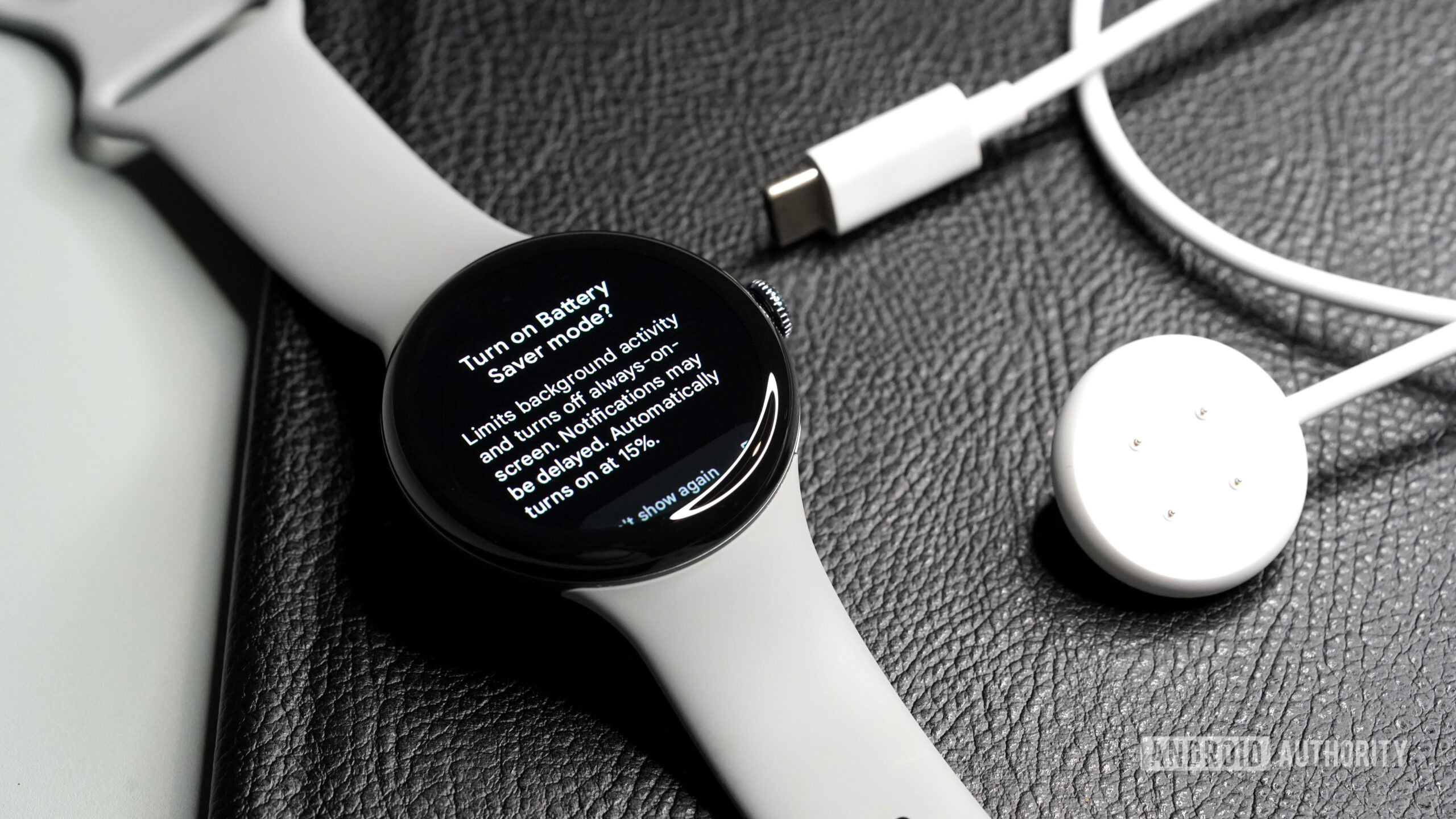
Smartwatch battery rules now exempt wearables from user-removable batteries, meaning future smartwatches and fitness trackers will use batteries that only professionals can replace even as phones move toward consumer-swappable designs under broader EU removable battery regulations. This is not a minor tweak; it signals that your wrist tech is headed for a different repair future than your phone. On July 14, the European Commission adopted a delegated act that carves out smartwatches, fitness trackers, smart glasses, and electronics embedded in clothing or accessories from the rule that portable devices must let ordinary users swap batteries themselves. Six product categories gained exemptions in total, but wearables are by far the most visible. The practical result: phones must be ready for user battery swaps by 2027, while wearables get to stay sealed—at least for anyone without a repair bench.

Miniaturization is real—but it’s also a convenient excuse
Regulators argue that miniaturization and ergonomic design make user-accessible batteries in wearables unsafe or unrealistic. The Commission’s own document warns that in tightly packed devices, a small battery may be so tightly encapsulated that taking it out risks damaging or piercing it. It also points to anatomic and ergonomic constraints: the need for thin, curved devices that sit comfortably on skin or are woven into fabric. There is truth here—opening a water-resistant watch without wrecking the seal or puncturing a tiny pouch cell is harder than popping a phone back. But there’s a second, unspoken truth: sealed designs also lock in aesthetics and margins. They support slim profiles, high IP ratings, and streamlined manufacturing while pushing any repair beyond the reach of ordinary owners. The safety narrative is correct, yet it conveniently aligns with long-standing industry preferences for sealed hardware.
A two-tier repair ecosystem: your phone vs your wrist
The result of these exemptions is a split repair world: phones on one side with user-replaceable batteries, wearables on the other with pro-only battery access. Under the main batteries regulation, portable electronics have to allow consumers to remove and replace batteries to extend product life and ease recycling. Phones sold in the region must still have batteries that can be changed using common tools or manufacturer-provided tools once the 2027 deadline hits. Smartwatches, fitness trackers, smart glasses, and clothing-integrated gadgets explicitly sit outside that consumer-focused requirement. Batteries in these devices must still be replaceable—but only by independent professionals, not by end users. In practice, this creates a two-tier right to repair wearables regime: your phone is something you’re expected to maintain yourself, while your wrist computer is something you’re expected to send away or replace entirely.
Environmental promises meet sealed devices and expiring software
On paper, the batteries regulation is about a circular economy: better sourcing, collection, recycling, and repurposing of batteries so devices last longer and don’t become trash the moment the battery fades. Allowing users to replace batteries clearly helps—swapping a cell is cheaper and cleaner than discarding a whole device, and recycled batteries are easier to collect when they come out of products. Yet sealed wearables undercut that logic. If you need a professional service for every battery change, more people will choose replacement over repair. Software support makes things worse: one US action group estimates expiring software or server support has already produced 1.7 billion pounds of e-waste over the past decade. A future where your watch battery is technically replaceable but your OS updates are gone is not a win for wearable repairability; it is a polite way of telling you to upgrade.
What this means for your next wearable purchase
If you care about right to repair wearables, this delegated act should make you change how you shop. Since user-swappable batteries are off the table for smartwatches and similar devices, your leverage shifts to other questions: How long will battery replacements be offered? Will independent professionals have easy access to parts and documentation? Is software support promised for a meaningful period? Repair-friendly designs—like recent watches that highlight serviceability—will matter more than ever. The act still has to go through scrutiny by the European Parliament and Council, and it will only enter into force 20 days after publication in the Official Journal if there are no objections. But unless lawmakers push back hard, the path is clear: future phones will open up, future wearables will not. Consumers who care about repairability and e-waste need to reward brands that treat sealed devices as serviceable tools, not disposable fashion.