
A Steam Machine That ‘Overheats’ Without Overheating
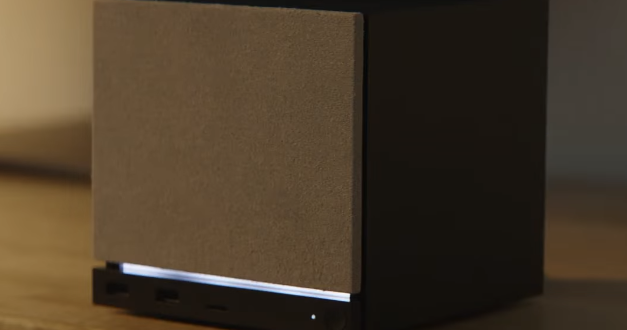
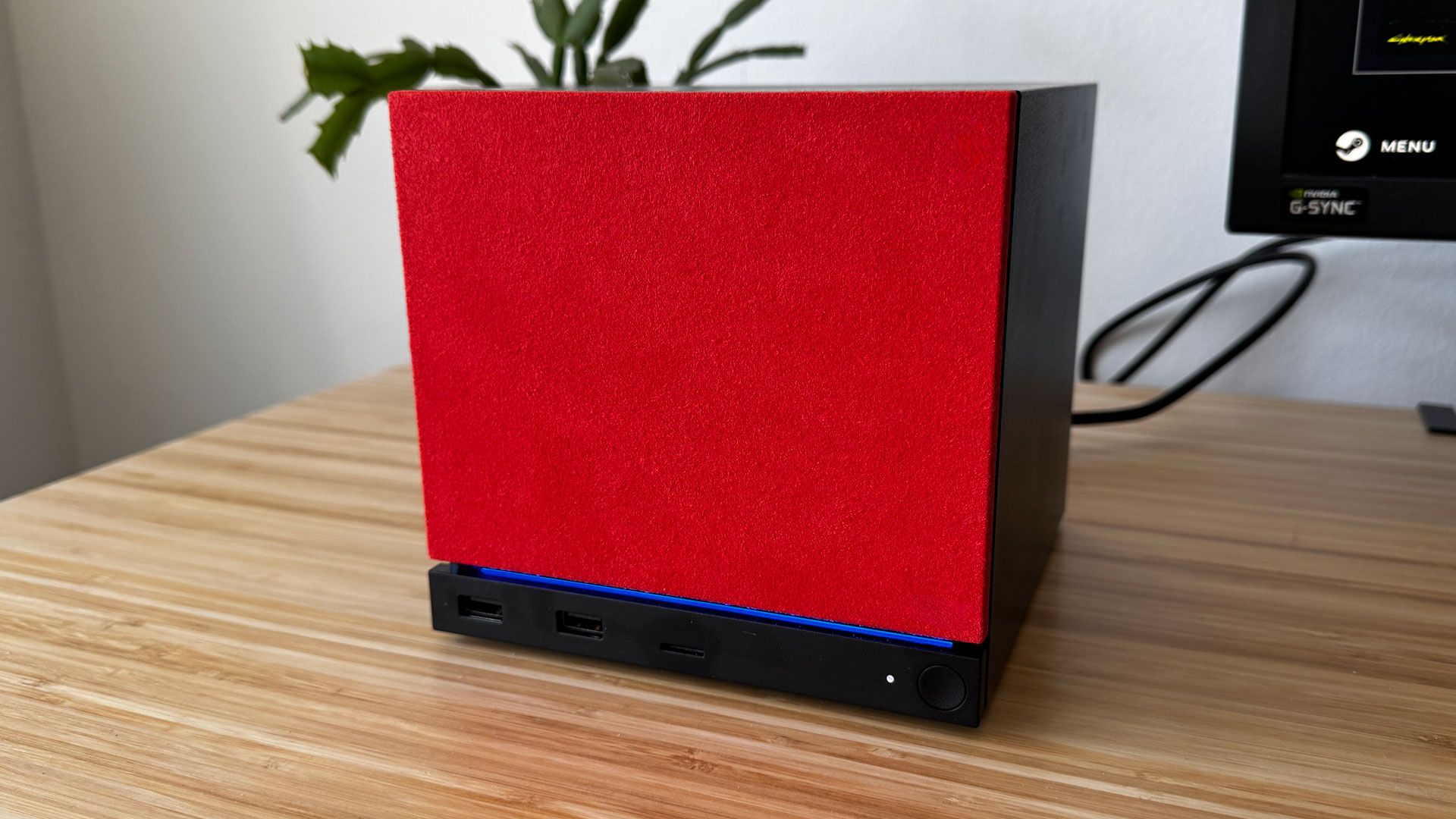
The Steam Machine thermal warning issue is a BIOS bug that triggers red overheating alerts and LED indicators at temperatures that are still within the CPU and GPU’s safe operating range, misinforming users and undermining confidence in the system’s thermal monitoring. Valve’s compact Steam Machine was never melting down; its warning system was crying wolf. Users saw the so‑called Red Line of Death long before the silicon was in danger, with reports of the light bar turning red as low as around 81°C on the CPU and 71°C on the GPU according to community monitoring tools. That mismatch between what the hardware sensors reported and what the case lighting claimed created needless panic, support tickets, and warranty anxiety. In a high‑performance gaming box, bad telemetry is worse than no telemetry at all.
How a Misconfigured BIOS Turned LEDs Into False Alarms
Under the current firmware, the Steam Machine thermal warning LEDs were configured to flip to red at about 95°C on the CPU and 90°C on the GPU. According to Tom’s Hardware, Valve support staff acknowledged “a known issue with the current BIOS that results in the red LED lights displaying much earlier than they should,” describing it as a problem with when the lights are set to come on rather than with the cooling itself. The result was classic false temperature alerts: a Steam Machine within design limits looking, at a glance, like it was about to cook itself. Worse, the psychological impact on owners is obvious—once you see a red bar of doom during a heavy game or render, you stop trusting the box. That is a design failure, even if the silicon is fine.
The Thermal Threshold Fix: Raising the Bar to 100°C
Valve’s new BIOS update is less about making the Steam Machine run cooler and more about making its warnings honest. The firmware changes the LED logic so the light bar only turns red once the CPU or GPU hits 100°C, a clear thermal threshold fix that lines up with how the custom AMD chip is built to behave. Both KitGuru and Tom’s Hardware report that the processor is designed to start thermal throttling at 100°C and trigger a protective shutdown if temperatures climb to 105°C. In other words, the red bar will finally mean what users assumed it meant from day one: you are at the edge of the safe envelope, and the system is actively defending itself. That is how a Steam Machine thermal warning should work in a serious gaming device.

Why Accurate Thermal Monitoring Matters for Power Users
For PC enthusiasts, a BIOS update for overheating behavior is not a cosmetic tweak—it is about trust in the telemetry that guides performance and workflow decisions. When you run long 3D renders, compile large projects, or play modern games for hours, you rely on temperature data to decide whether to tweak fan curves, cap frame rates, or change your setup. False alarms at conservative temperatures discourage people from using the hardware as intended and can lead to unnecessary system shutdowns, support contacts, or even hardware returns. With the updated BIOS, the Steam Machine will still throttle at 100°C and shut down at 105°C if needed, but the warning LEDs and system behavior will be in sync. That gives power users accurate information instead of anxiety, and it turns the Steam Machine back into a trustworthy small-form-factor workhorse.
The Real Lesson: Thermal Warnings Must Be Earned, Not Assumed
The Steam Machine saga shows that a dramatic red warning light means nothing if it is not backed by sane thresholds. Valve’s misstep was not allowing its compact box to approach 90°C under load—that is normal behavior for modern silicon—but allowing its BIOS to signal danger before danger existed. With the new firmware, a Steam Machine thermal warning will correspond to 100°C, aligned with the chip’s real safety margins and its built‑in throttling logic. For owners, that means fewer false temperature alerts and a system they can push hard without second‑guessing every LED flicker. For the wider PC ecosystem, it is a reminder that transparency in thermal design and firmware settings matters as much as raw cooling hardware. Accuracy, not alarmism, is what lets users drive their machines to the limit with confidence.