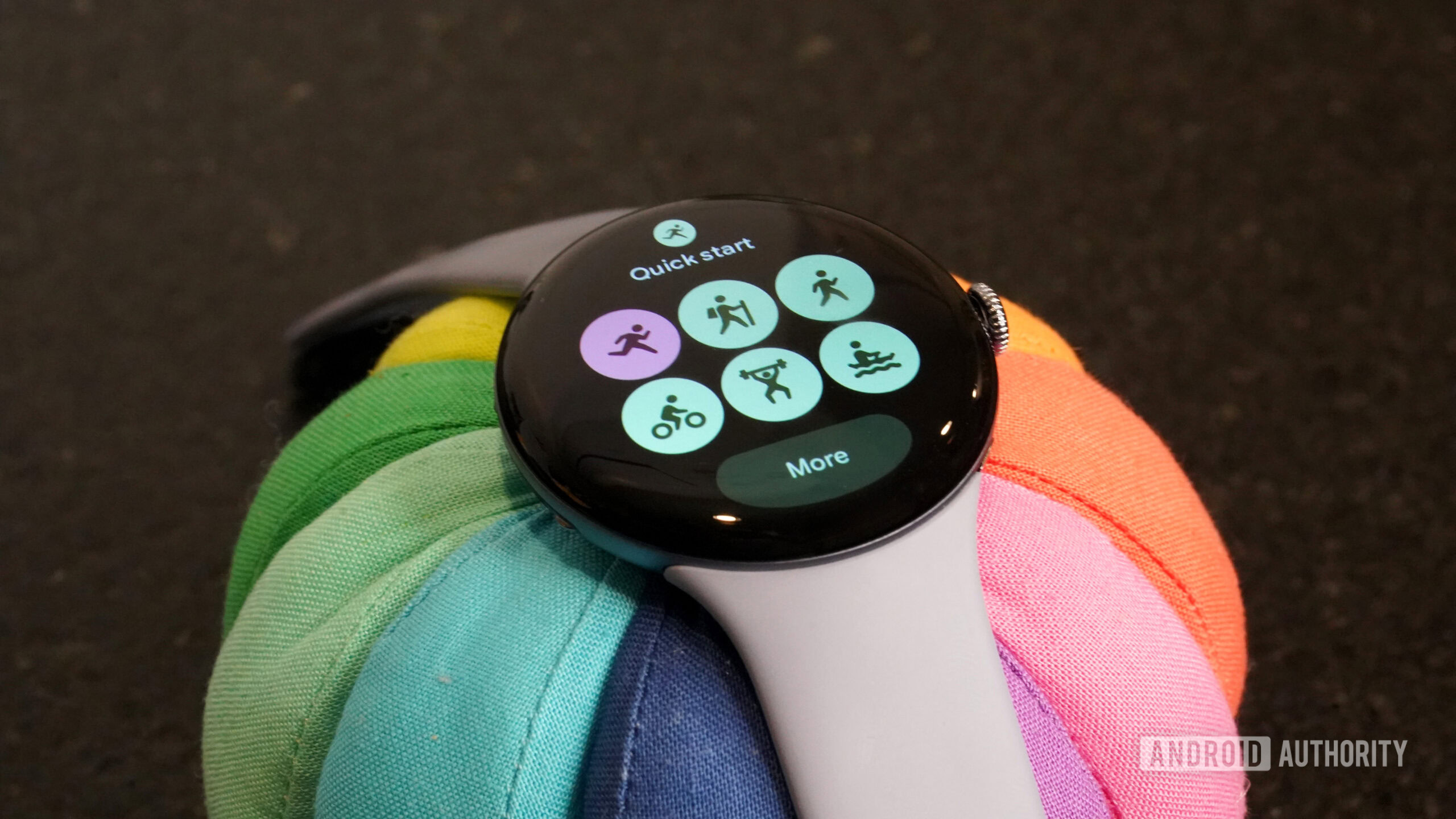
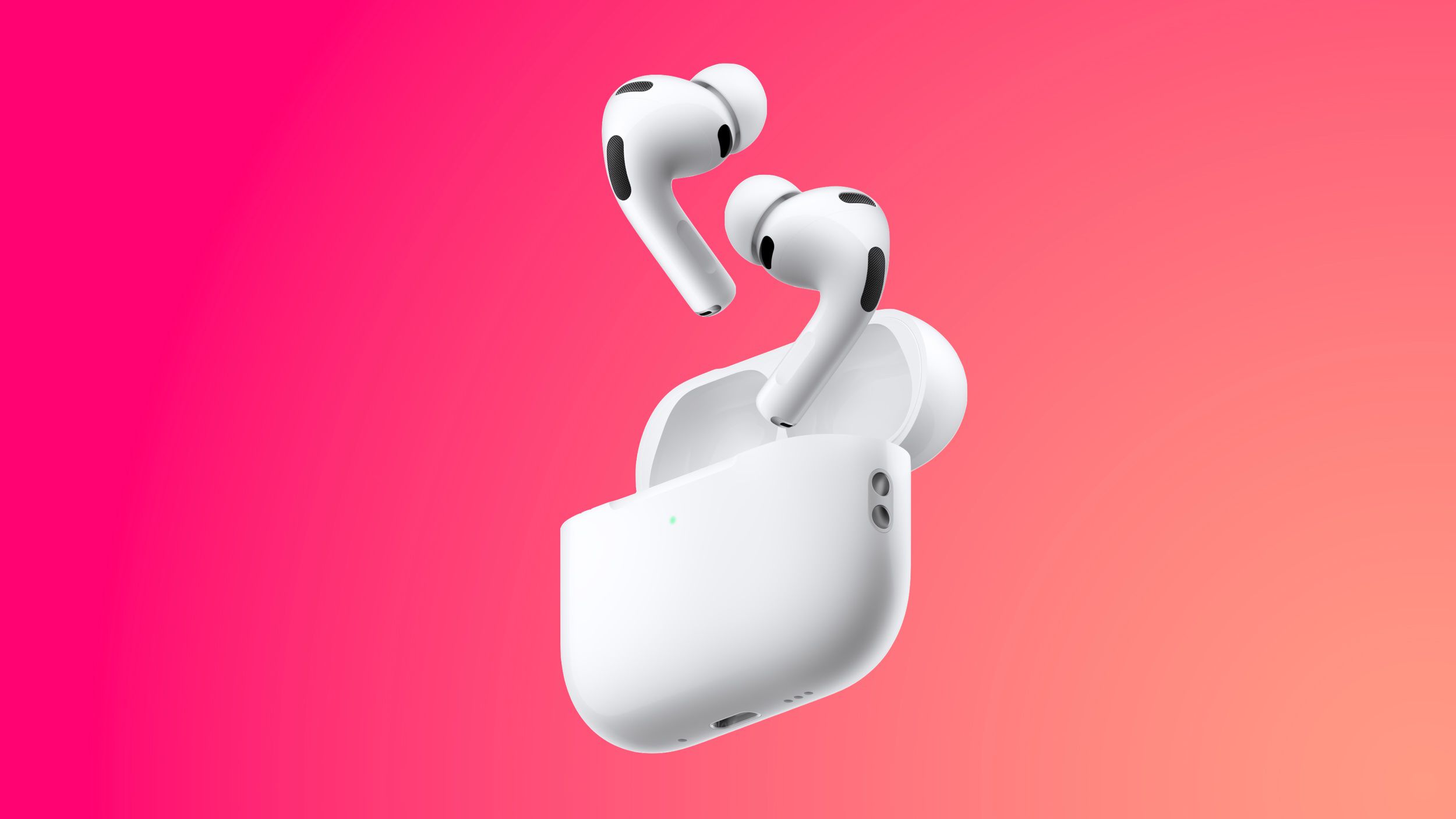

The Big Shift: Sealed Wearables Survive the Battery Crackdown
The EU battery regulation exemption for wearables is a regulatory carve‑out that lets devices like smartwatches, fitness trackers, wireless earbuds, and smart glasses keep sealed, non‑user‑replaceable batteries while broader rules push other consumer electronics toward user-removable battery designs to extend lifespans and cut e‑waste.
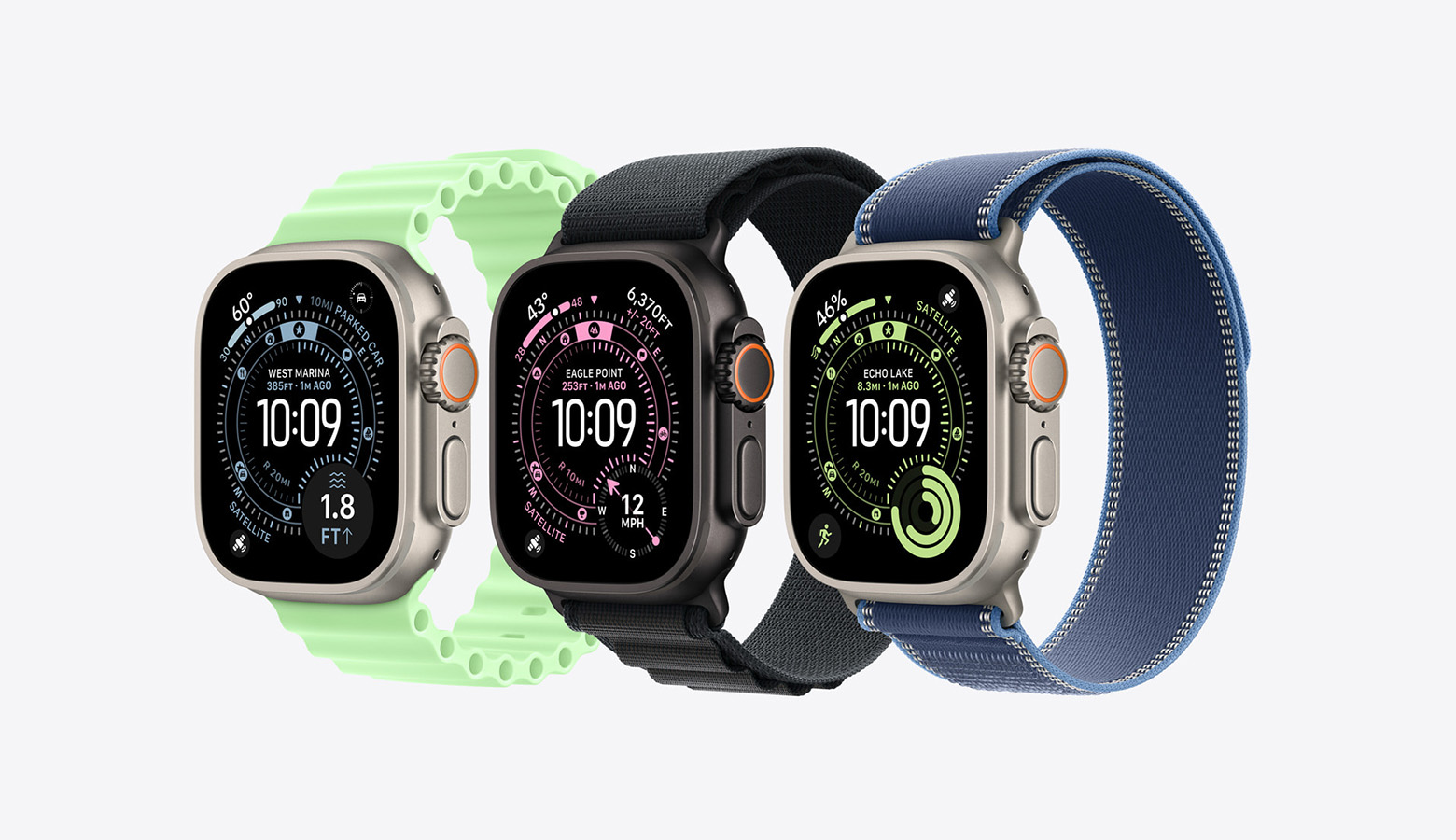
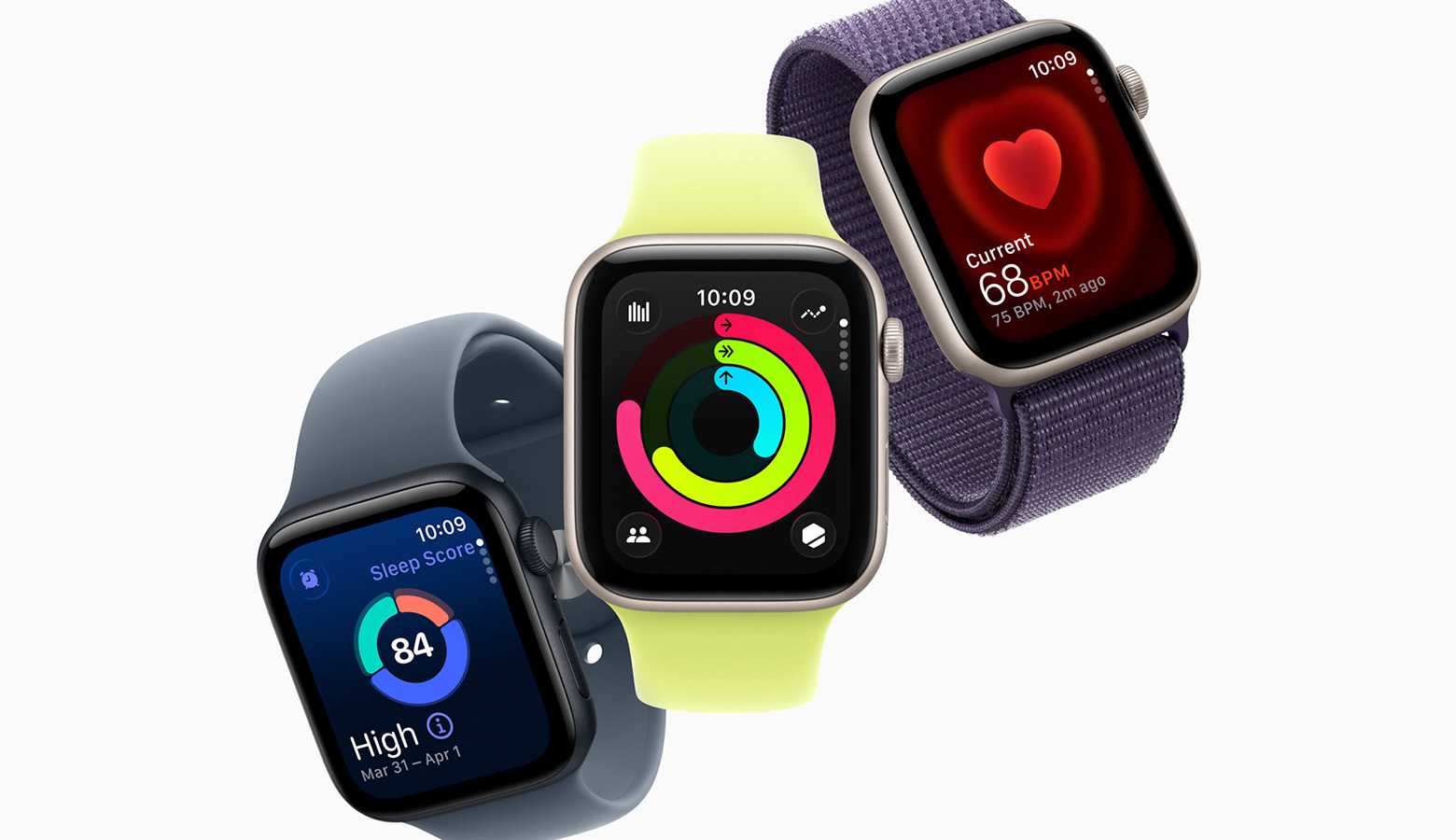
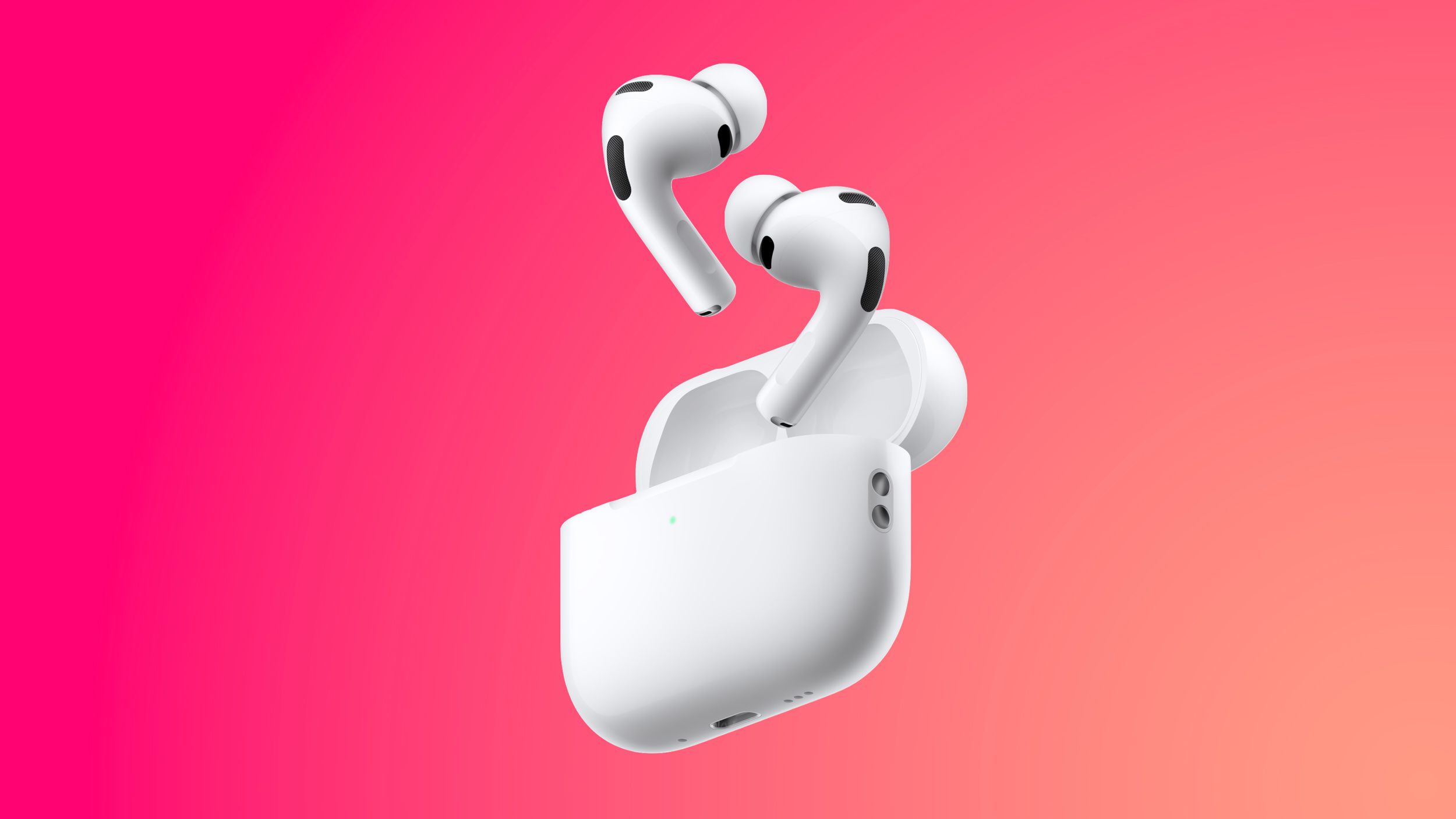
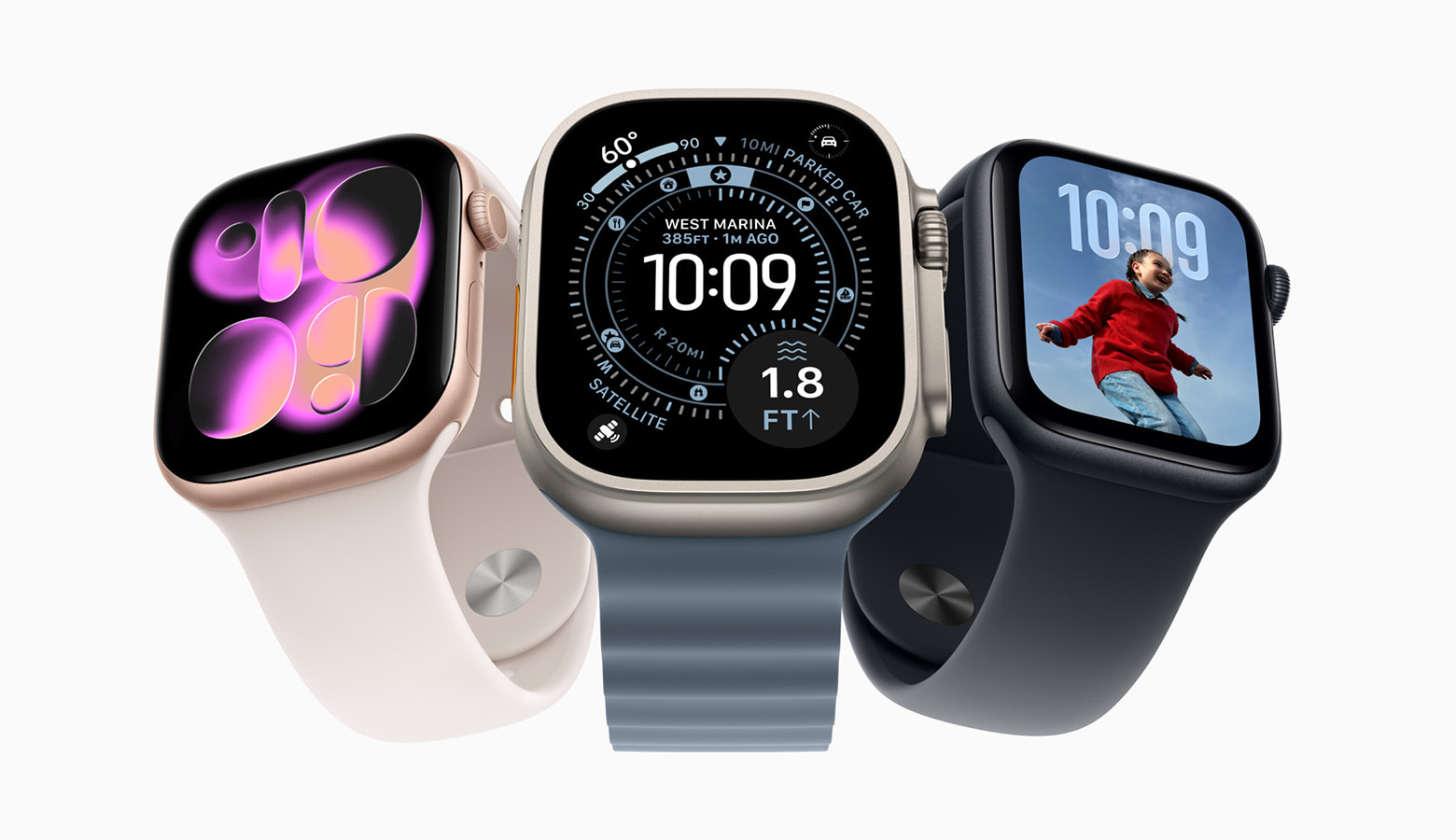
Instead of forcing an Apple Watch replaceable battery that you can swap on your kitchen table, regulators have decided your sealed watch and earbuds can stay sealed. The European Commission has formally exempted smartwatches, fitness trackers, smart glasses, and wireless earbuds from Article 11 of the Batteries Regulation, which would have required user-replaceable batteries from February 18, 2027. In plain terms: your Apple Watch, AirPods, and Meta smart glasses are no longer on a collision course with the new wearable battery rules — at least not before 2027.
That is the key takeaway: regulators have chosen to protect sleek, water‑resistant industrial design over a strict, universal right to repair wearables, and that trade‑off will shape how long your devices live.
Why Wearables Got a Pass While Phones Did Not
On paper, Article 11 of Regulation 2023/1542 was bold: portable batteries in consumer electronics must be removable by ordinary users with standard, commercially available tools, with spare batteries stocked for five years after the last unit is sold. No heat guns, no proprietary drivers, no glue baths. That vision still stands for phones, tablets, laptops, and many small gadgets.
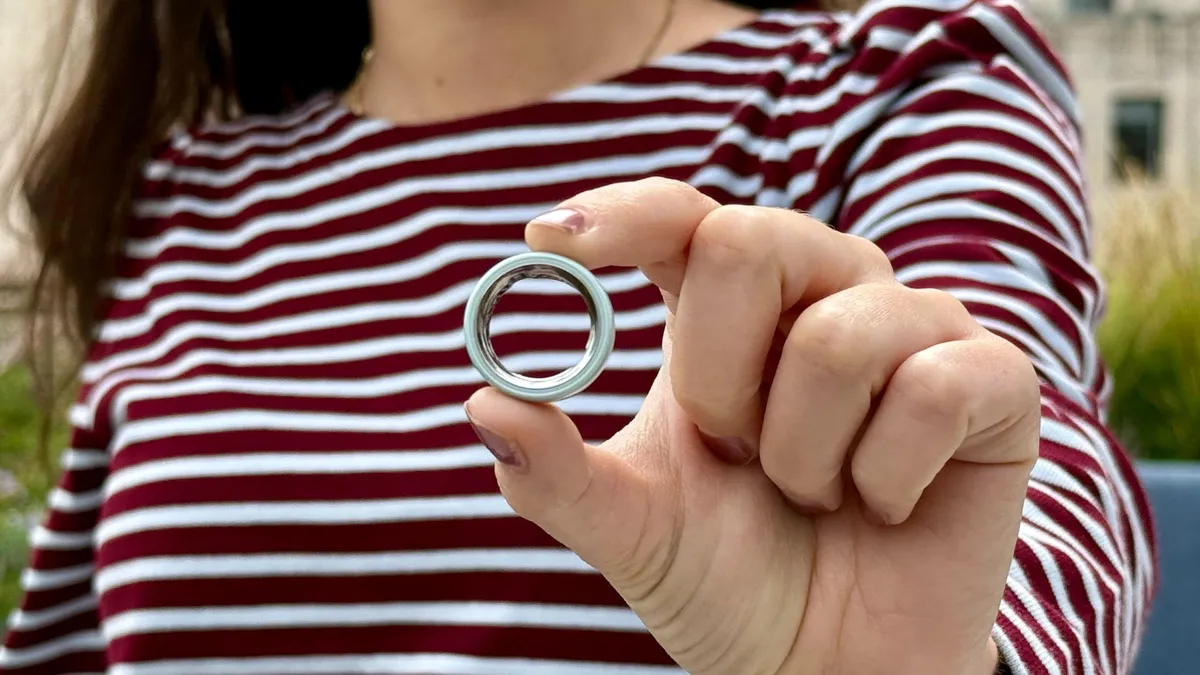
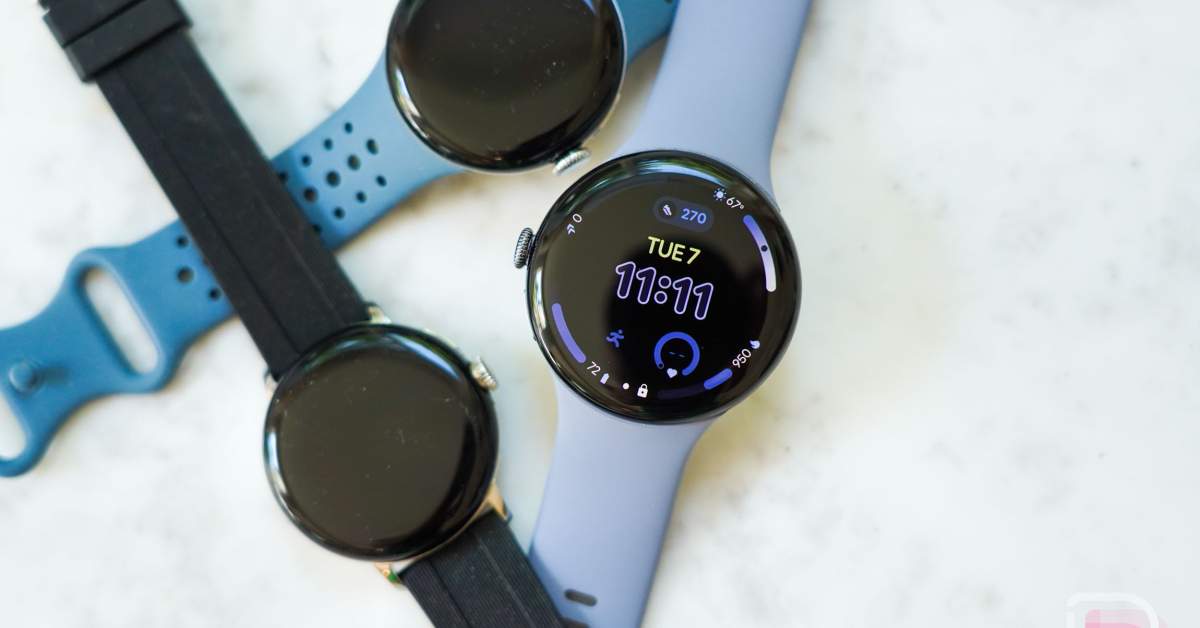
Wearables, however, won special treatment. The Commission expanded the list of exempted product types to six new categories, including wearable electronics such as smartwatches and fitness trackers, plus wireless earbuds and smart glasses. The stated rationale is safety and design: opening a compact, hermetically sealed case and then failing to reseal it can let water in and create a safety risk, especially for devices expected to survive sweat, showers, and swimming. The Commission cited safety, waterproofing, and miniaturization as core justifications for the carve‑out.
Technically, that argument holds water. In a device as small as an earbud, adding a hatch and gasket robust enough for everyday users is a nontrivial engineering challenge that can bloat size or kill durability. But it also reveals a hierarchy: phones are deemed large enough to bend around the law; wearables are deemed too delicate, so the law bends around them.
Lobbying, Smart Glasses, and the Politics Behind the Exemption
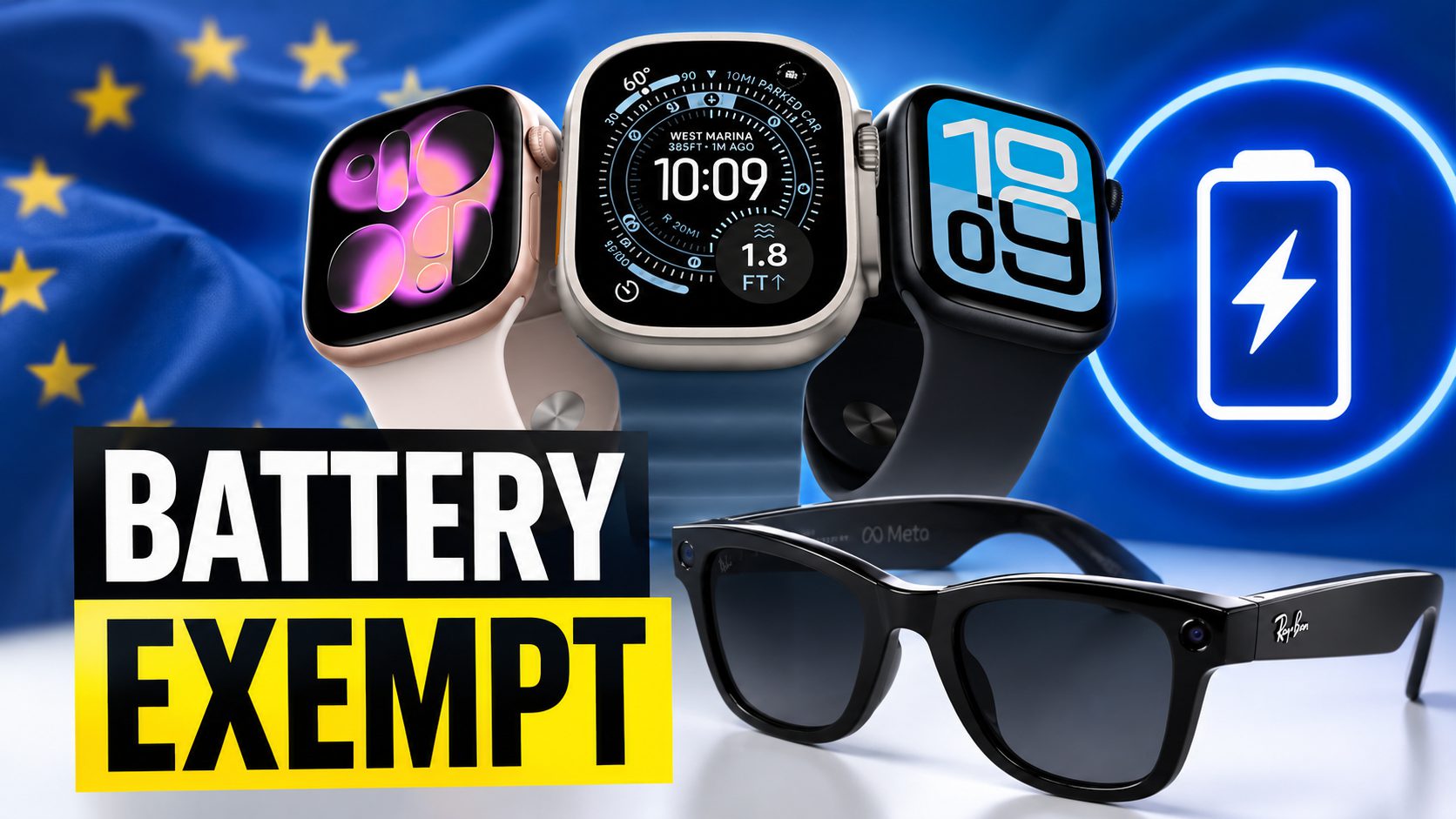
Officially, this is about consumer safety and realistic engineering limits surfaced during public consultation. Unofficially, power politics are clearly in play. The new categories effectively cover Apple Watch and AirPods along with Meta’s smart glasses, all of which rely on small, sealed designs. Reporting cited months of pressure from U.S. officials over rules that had complicated Meta’s plans to launch its latest display-equipped smart glasses in the region.
In other words, when wearable battery rules threatened headline devices from some of the world’s largest tech companies, the rules moved. The Commission’s delegated act now still has to clear scrutiny from the European Parliament and the Council. If neither objects, it enters into force 20 days after publication in the Official Journal, ahead of the regulation’s wider rollout in 2027.
Repair advocates are right to be wary: each time regulators introduce a broad environmental rule and then carve out the most commercially sensitive categories, they teach device makers that aggressive lobbying and delay tactics work. Wearables may be small, but the precedent here is large.
What It Means for Your Devices: Convenience Now, Costs Later
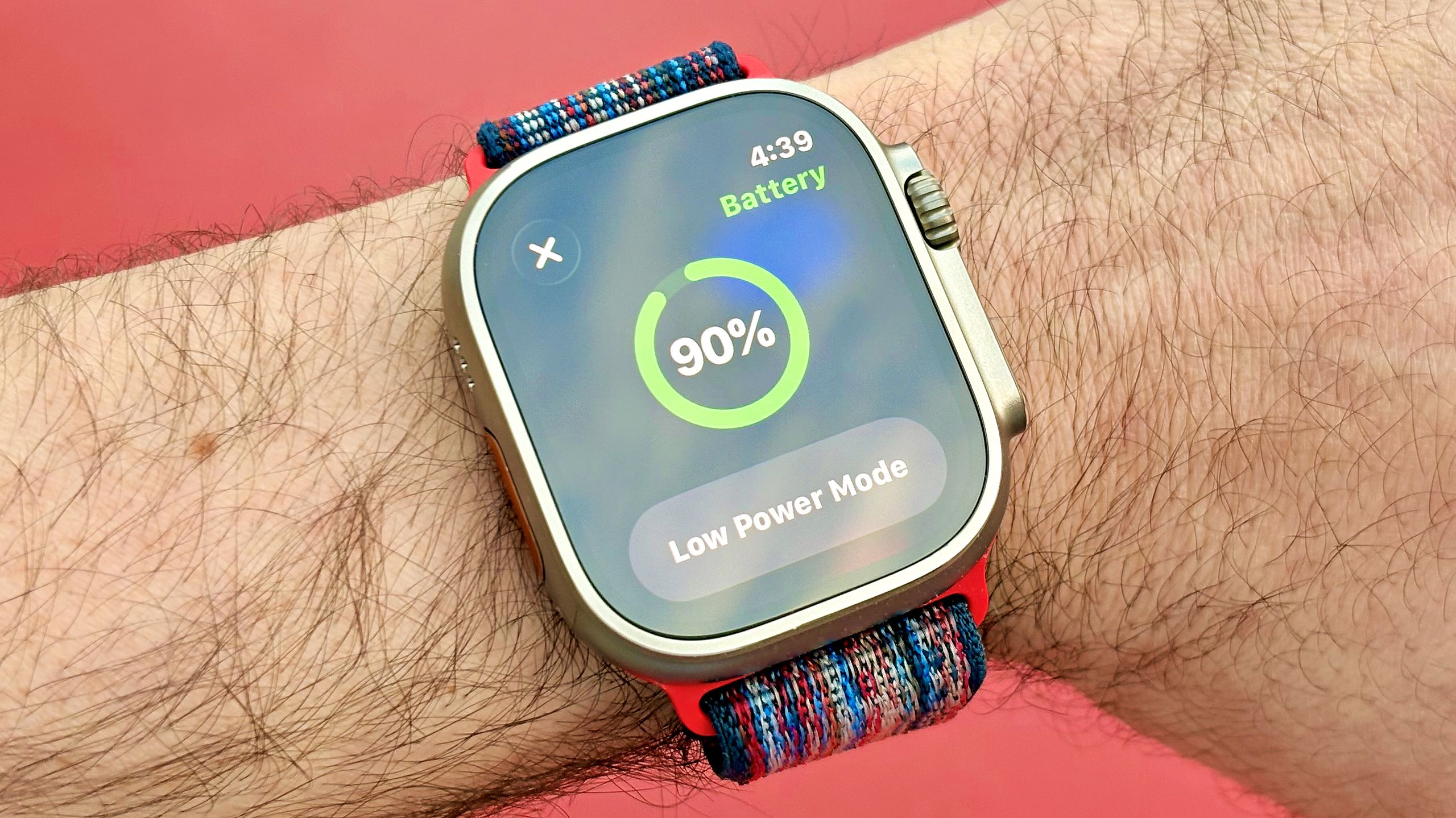
For everyday users, the practical impact is straightforward. Your sealed wearables are not going anywhere. Smartwatches, fitness trackers, smart glasses, and wireless earbuds can keep sealed battery designs under the EU battery regulation exemption, even as many other gadgets must become easier to open. That means your Apple Watch stays sleek and water-resistant. But when that battery fades in a few years, you are booking a service appointment — not reaching for a screwdriver.
Battery replacement for exempt wearables shifts to independent professionals rather than do‑it‑yourself repairs. Apple already leans on this model: the iPhone was previously exempt thanks to its battery cycle life and water resistance rating, with battery service available via retail stores, authorized providers, and a self-service repair program for some models. Nintendo, by contrast, has stated it will sell a version of the Switch 2 in the region with a user‑replaceable battery to comply with the incoming rules.
From a right to repair wearables perspective, this is a half-win at best. Your devices remain serviceable, but on the manufacturer’s terms. In practice, that tends to mean higher repair friction, more people delaying service, and more devices quietly slipping into drawers once the battery no longer holds a charge.
The Future of Wearable Battery Rules and the Right to Repair
The deeper question is not technical but political: should miniaturization automatically trump user autonomy? The Commission acknowledges the engineering constraints of fitting removable batteries in compact wearables without wrecking design, durability, or water resistance. Repair advocacy organizations warn that each exemption for popular gadgets risks undermining the regulation’s long-term universality.
The result is a split landscape. Mid-range phones and laptops that do not meet durability benchmarks will need meaningful redesigns before 2027, while wearables keep sealed casings as a perfectly legal strategy for manufacturers targeting the EU market. In effect, the law is pushing innovation in battery accessibility for larger devices while giving wearables a multi‑year grace period that might quietly become permanent.
My view: regulators made a defensible short‑term compromise but must treat this exemption as a timer, not a loophole. The delegated act still faces parliamentary scrutiny; campaigners should use that window to demand clear future criteria and sunset clauses. If engineering advances make safer user-accessible designs possible, the exemption should shrink, not expand. Otherwise, the Apple Watch, AirPods, and Meta smart glasses will lock in a sealed future, and the right to repair wearables will remain more slogan than reality.