
Budget tracker vs premium smartwatch: what we’re really comparing
A budget fitness tracker and a premium smartwatch differ in price, step counter accuracy, sensors, and smart features, and comparing them helps everyday walkers decide whether basic step tracking or advanced health data matters more for their goals and budget.
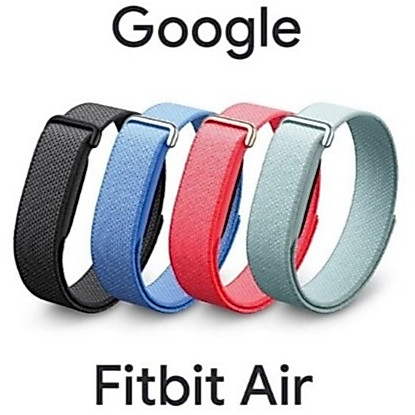
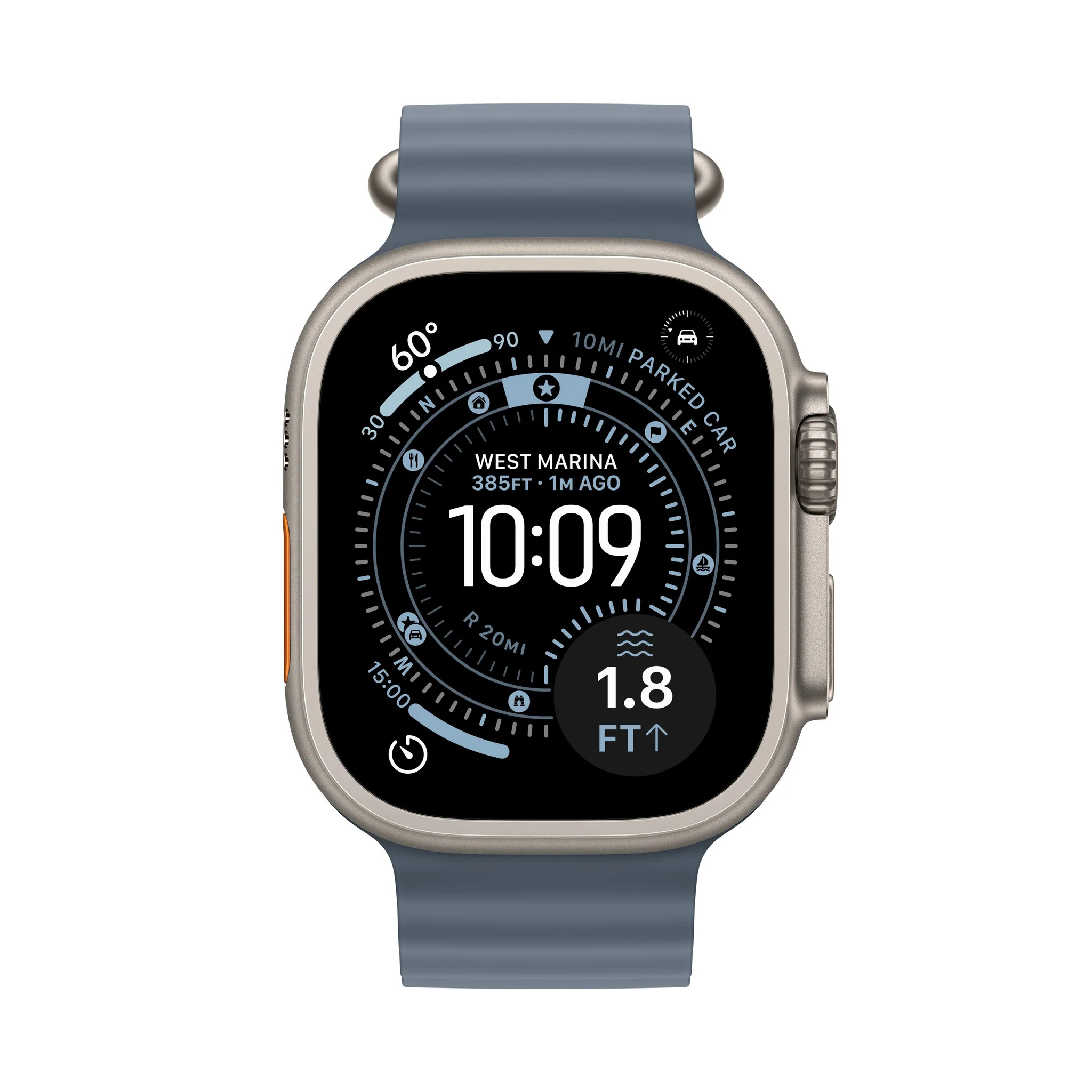
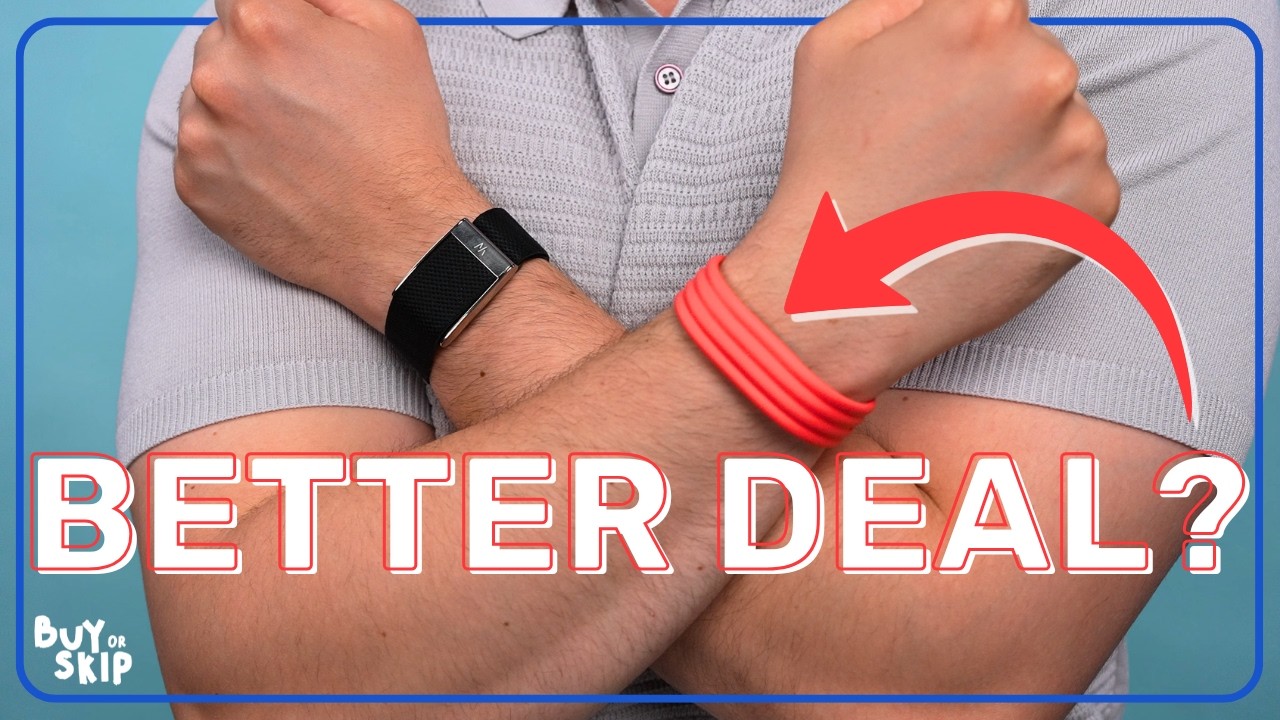
For casual walkers who mainly care about hitting a daily movement target, a budget fitness tracker like the screen‑free Fitbit Air can be more than accurate enough for logging steps and basic workouts. For data‑driven athletes and outdoor adventurers, a premium smartwatch such as the Apple Watch Ultra 3 offers sharper step counting, better GPS, and richer health metrics, but at a far higher price point of USD 799 (approx. ₱45,000) compared with USD 99 (approx. ₱5,600) for the Air. In other words, your decision should hinge less on perfection and more on how much detail you will use. If your main goal is walking 7,000–10,000 steps consistently for better health, you may not need the most expensive wearable to stay on track.
How we tested step counter accuracy in the real world
To keep the fitness tracking comparison grounded in reality, the step counter accuracy test was based on a manually counted 4,500‑step walk used as the control. During this walk, both the budget Fitbit Air and the premium Apple Watch Ultra 3 were worn at the same time, while an app on a phone provided independent data for distance, climb, and pace. This setup made it possible to see not only which device counted steps more accurately, but also how far apart their readings were on distance, elevation, and heart rate during a single workout. The test did not try to measure every edge case; instead, it focused on what an everyday user experiences on a typical outdoor walk—which is exactly where step tracking either builds trust or becomes frustrating noise.
| Spec / Metric | Budget Fitbit Air | Apple Watch Ultra 3 |
|---|---|---|
| Approx. price | USD 99 (approx. ₱5,600) | USD 799 (approx. ₱45,000) |
| Design & interface | Discreet, screen‑free tracker with no buttons or notifications | Sizable, ultra‑bright display with full smartwatch interface |
| Onboard GPS | No; uses paired smartphone for location and elevation data | Yes; dual‑frequency GPS antenna for outdoor tracking |
| Altimeter / climb tracking | Relies on phone; elevation data can be inconsistent or missing | Dedicated altimeter; logged 377 ft climb in test |
| Step count (4,500‑step test) | 4,375 steps (‑125 vs manual) | 4,469 steps (‑31 vs manual) |
| Distance (vs control app) | 2.36 miles (vs 2.45 miles) | 2.39 miles (vs 2.45 miles) |
| Average pace | 18:11 per mile | 17:44 per mile |
| Average / max heart rate | 133 bpm avg / 165 bpm max | 138 bpm avg / 166 bpm max |
| Calories (walk test) | 354 calories | 371 calories |
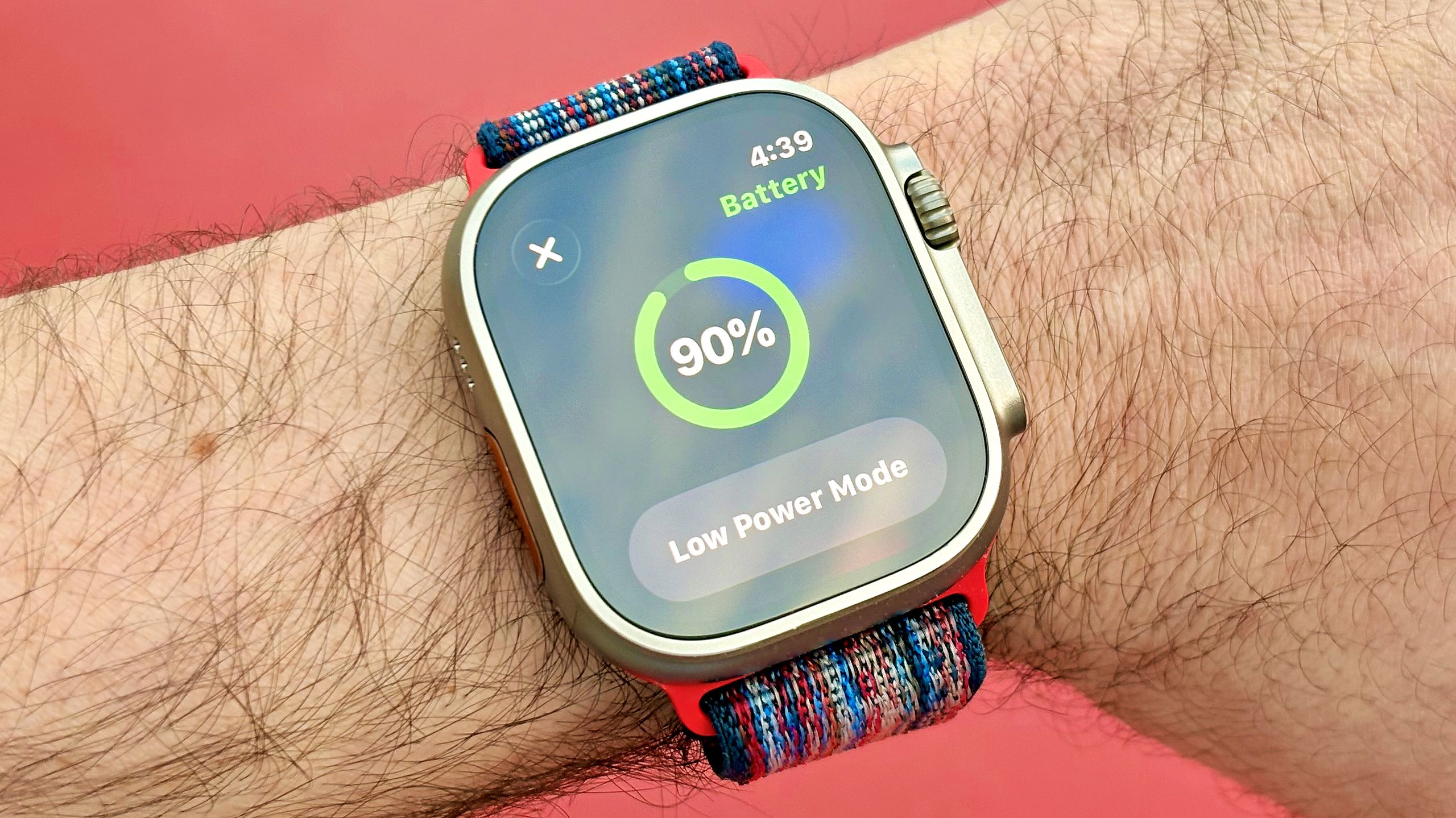
| Battery usage (single walk) | 1% battery used | 4% battery used |
What the numbers say: accuracy gaps that matter (and those that do not)
On the 4,500‑step control walk, the Apple Watch Ultra 3 logged 4,469 steps, while the Fitbit Air logged 4,375 steps. Both were close, but the Ultra 3 was nearer to the manual count, underscoring that premium devices can squeeze out extra step counter accuracy. The tester considered anything within about 150 steps of the manual tally to be an acceptable margin of error, and both devices fell inside that window. Distance told a similar story: the control app showed 2.45 miles, while the Air reported 2.36 miles and the Ultra 3 2.39 miles. Elevation was where the budget option slipped: the Ultra 3 recorded a 377‑foot climb close to the control’s 360 feet, but the Air showed no climb data at all during this workout. Heart rate and calories, however, were broadly aligned between both wearables.
The shared caveat here is important: neither device is perfectly precise. Both wearables delivered only “passable accuracy” for steps, but one that is good enough for daily logging. That lines up well with how health experts view step goals in general. The popular 10,000‑step target grew from a marketing‑driven pedometer concept, but meaningful health benefits already appear for many people around 7,000 steps per day, with improvements continuing more gradually beyond that. In other words, a 30‑step gap between devices is irrelevant to your health; what matters is that your tracker is consistent and nudges you to move more each day, not that it matches a manual count to the step.
Who each device is for: price‑to‑performance in real life
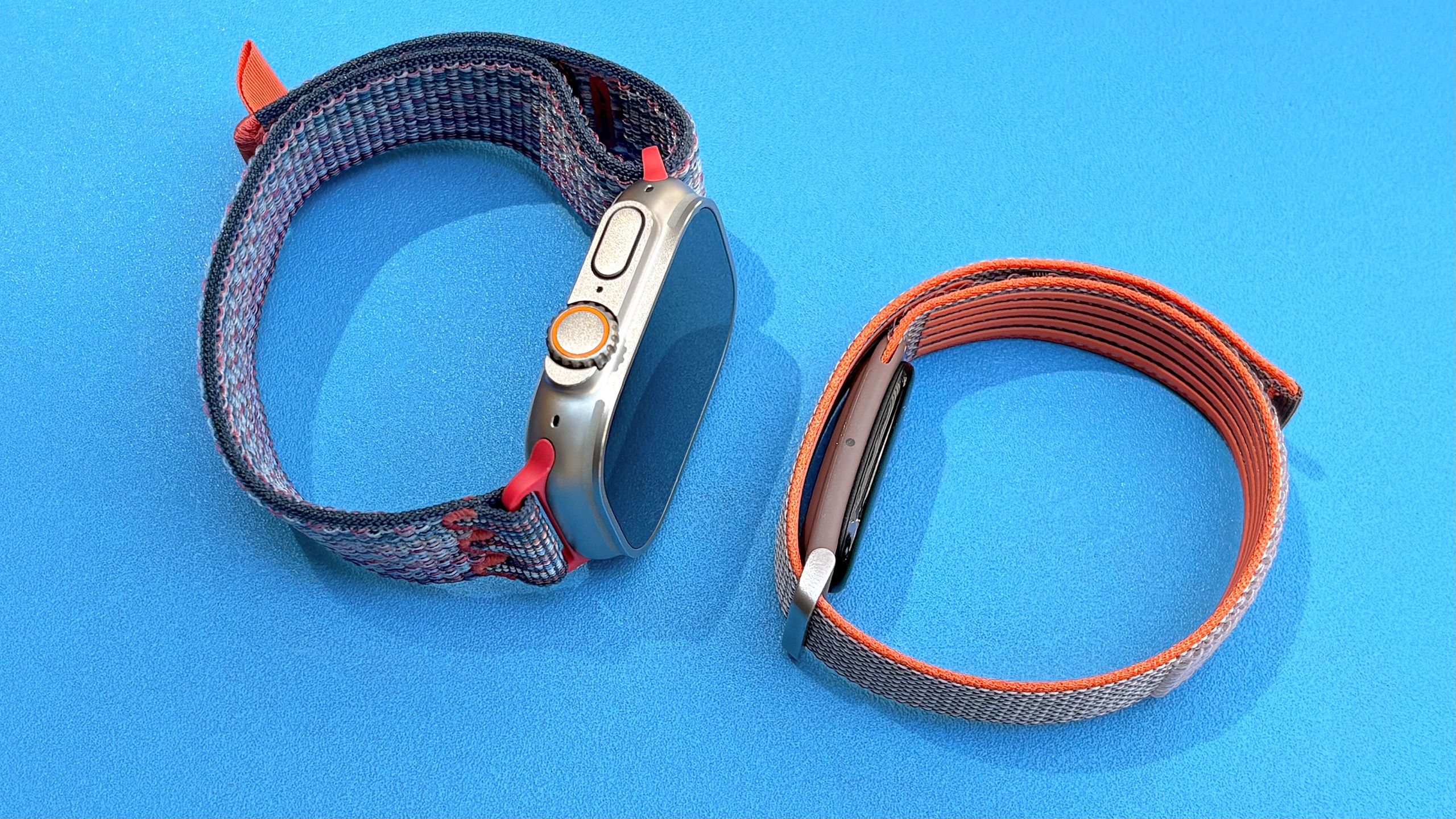
From a price‑to‑performance view, the budget Fitbit Air delivers surprisingly competitive fitness tracking for everyday step monitoring. Despite some shortcomings with elevation and minor distance differences, its step counts stayed in the same ballpark as the premium watch, which the tester said is “more than good enough” for typical exercise logging needs. Its discreet, screen‑free design and low battery usage (1% on the test walk versus 4% on the Ultra 3) make it ideal for people who want to forget they are wearing a tracker, yet still see daily progress. The Apple Watch Ultra 3, on the other hand, earns its high price by being more precise across steps, pace, and climb, and by including advanced hardware like dual‑frequency GPS and a dedicated altimeter for serious outdoor tracking.
Think about your goals. If you are trying to build consistent habits—reaching 5,000 to 8,000 steps after a sedentary stretch, or maintaining 7,000 to 10,000 steps as part of broader health changes—then a budget fitness tracker gives you all the feedback you need without tying up a lot of money in your wristwear. If you often hike in the hills, care about fine‑grained pace and climb data, or want an all‑in‑one communications device on your wrist, the premium smartwatch’s extra accuracy and richer ecosystem make sense. Just remember that walking is only one pillar of health; pairing your wearable with strength training, good sleep, and nutrition will do more for your long‑term wellbeing than obsessing over a few dozen steps on your daily tally.
- Buy the Fitbit Air if you mainly want a budget fitness tracker to count daily steps reliably and stay within a reasonable error range for walks and casual workouts.
- Skip the Fitbit Air if you care a lot about consistent elevation tracking or want onboard GPS that does not depend on your phone for location and climb data.
- Buy the Apple Watch Ultra 3 if you want the most precise step counter accuracy in this comparison, tighter distance estimates, and detailed pace and climb stats for outdoor workouts.
- Skip the Apple Watch Ultra 3 if you only need basic step logging and simple health trends and would not use its dual‑frequency GPS, bright display, and advanced sensors enough to justify the much higher price.
- Buy the Fitbit Air if you prefer a discreet, screen‑free device with excellent battery efficiency that keeps focus on movement rather than notifications or apps.
- Skip the Fitbit Air if you expect your wearable to double as a full smartwatch with a bright screen, notifications, and standalone workout tracking on the wrist.
- Buy the Apple Watch Ultra 3 if you’re an endurance or trail enthusiast who values accurate altitude data from a dedicated altimeter and tight GPS routing during long sessions.
- Skip the Apple Watch Ultra 3 if your main fitness goal is walking more each day and you are happy with step counts that are in the ballpark rather than perfectly tuned.