
The coming DRAM supply crisis: why 2027 will hurt
The coming DRAM supply crisis refers to a forecast multi‑year period in which demand for computer memory chips significantly exceeds global manufacturing capacity, causing persistent shortages, higher prices, and delayed product upgrades for consumers and PC builders worldwide.
On July 10, 2026, the day his company listed on Nasdaq, SK Hynix CEO Kwak Noh‑jung warned that the global memory industry is heading for its worst‑ever supply shortage in 2027, calling it the “worst year” from a supply perspective. He added that customer demand is likely to remain higher than supply capacity even beyond 2030. UBS analysts backstop this outlook, expecting the DRAM market to stay undersupplied until at least Q2 2028. In parallel, DRAM contract prices were reported up 15% to 18% quarter over quarter for Q3 2026, clear evidence that the squeeze has already started. If you remember the last GPU drought, this time the bottleneck is memory itself—and it will be longer, broader, and harder to dodge.
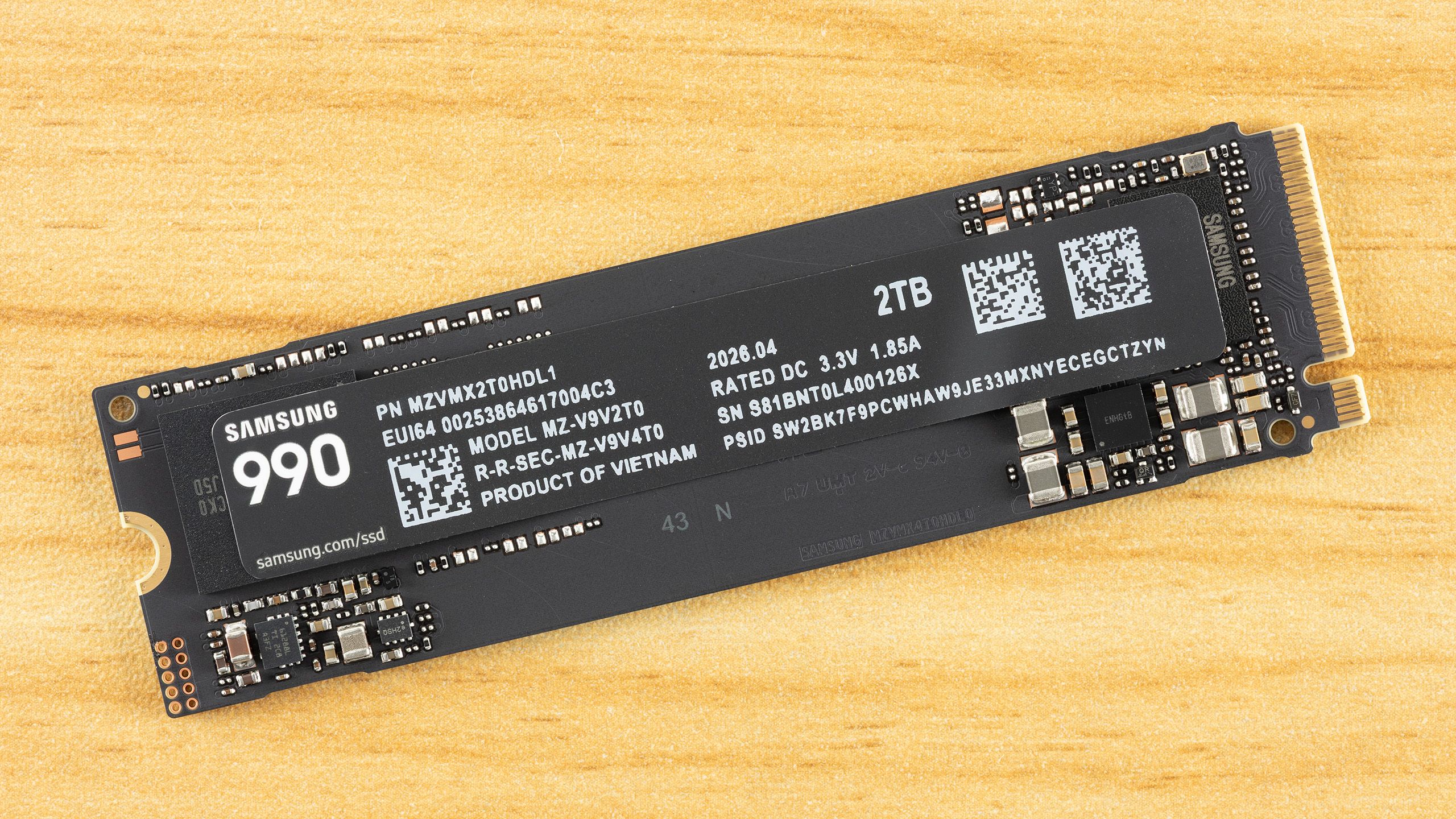
If memory supply tightens this much, the impact hits nearly everything with a chip inside it. Laptops and PCs could see RAM pricing spike, hammering mid‑range build budgets. Gaming GPUs will feel indirect pressure as VRAM and related components track memory costs, putting gaming PC and workstation builds at risk of delays and painful compromises. For everyday buyers, a drawn‑out DRAM supply crisis means fewer compelling budget devices, slower refresh cycles, and much less flexibility around when to upgrade. If 2027 unfolds as predicted, you should expect price hikes, longer wait times, and real product shortages from your next gaming rig to the AI‑powered tools you rely on.
Why AI’s hunger for HBM is breaking the memory market
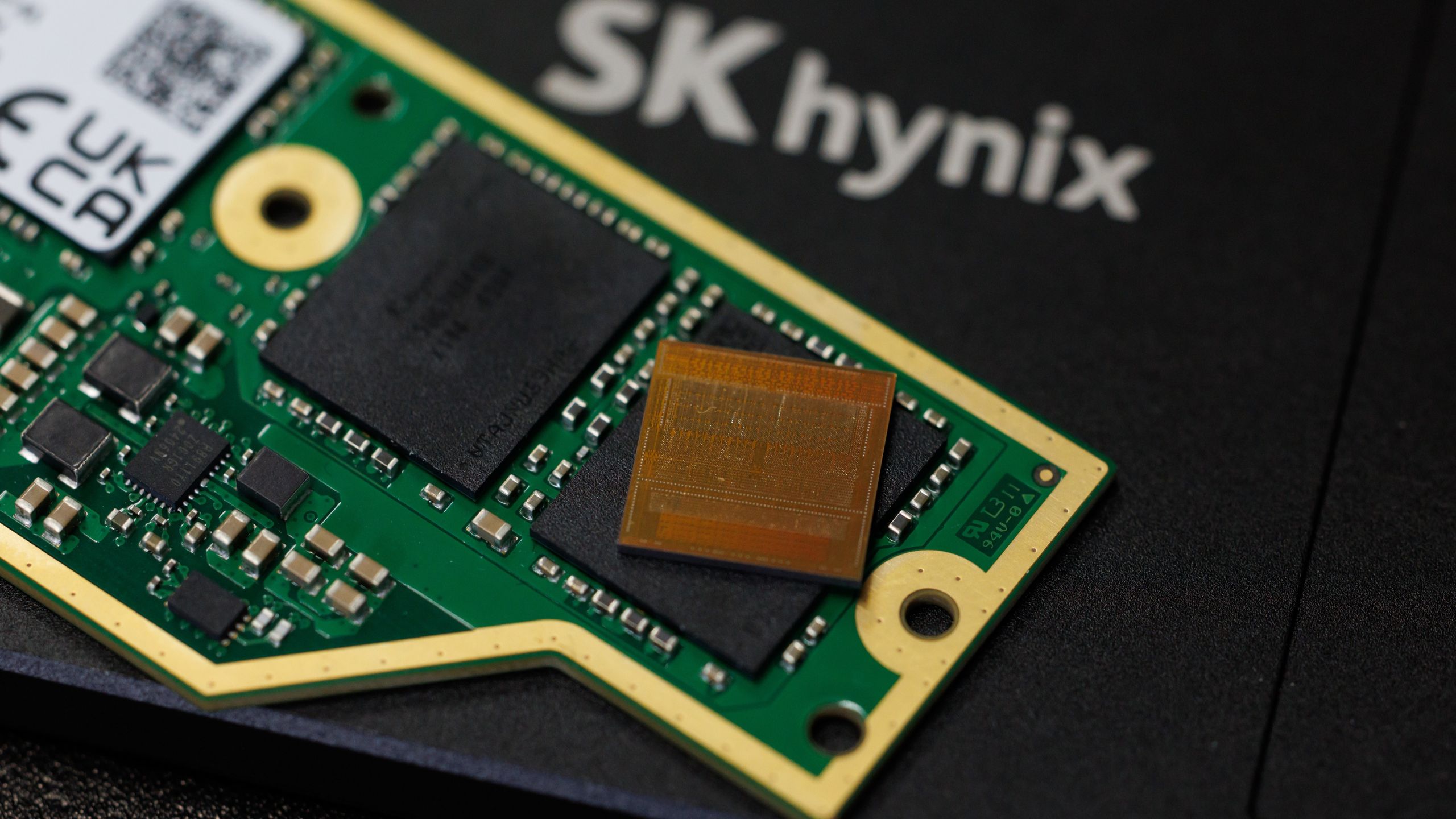
The uncomfortable truth for PC builders is that desktops and gaming laptops are no longer the memory industry’s top priority. The root cause of the coming memory shortage 2027 scenario is the explosion in demand for High‑Bandwidth Memory (HBM), the ultra‑fast, stacked DRAM feeding modern AI accelerators. HBM is far more complex to make and package than standard consumer DDR5. It also consumes more wafer capacity per unit than DDR5, forcing major manufacturers to reallocate production toward AI products and away from traditional modules.
That shift turns into a structural chip shortage warning: even if fabs run flat out and billions in new plants are funded, AI‑driven demand stays ahead of supply for years. Micron, for example, has pledged over USD 250 billion (approx. ₱14,000,000,000,000) in US investment through 2035 to help close the gap. Yet SK Hynix still expects demand to exceed capacity beyond 2030. In other words, data centers training giant models are outbidding gamers and hobbyists for the same underlying silicon. Until new capacity matures around 2028 and beyond, every new AI server farm quietly erodes the availability of everyday DRAM.
New players, uneasy choices: CXMT and the reshaped DRAM landscape
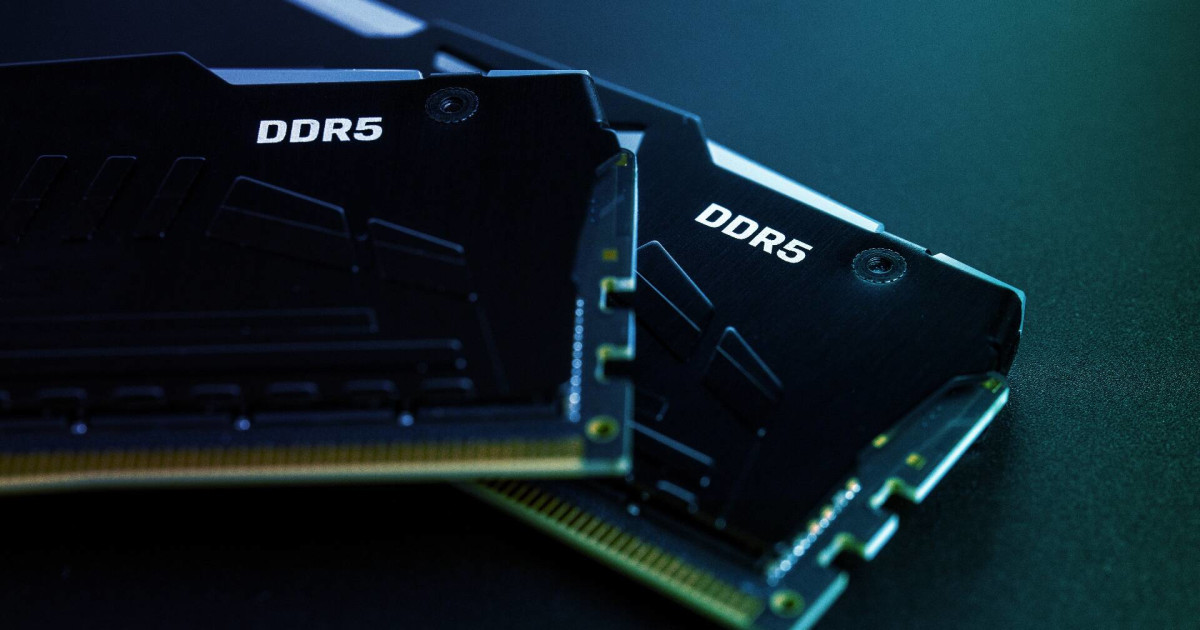
When supply is tight, markets look for new outlets—and memory is no exception. With the DRAM supply crisis expected to rage until at least 2028 while Samsung, SK Hynix, and Micron complete capacity expansions, component makers are turning to alternative sources. One big beneficiary is CXMT (ChangXin Memory Technologies). Several motherboard vendors have started validating CXMT DDR5 modules: MSI recently added BIOS support on its AMD boards for CXMT DDR5, expanding validated speeds up to DDR5‑8200. A similar update from another major vendor shows comparable support and overclocking headroom.
According to a report cited in the coverage, the memory crisis has transformed CXMT’s fortunes; alongside large device makers testing its chips, CXMT is now the fourth‑largest DRAM producer behind the usual heavyweights. For PC builders, this rise is both opportunity and warning. More suppliers could soften shortages at the margins, but it also signals how severe the squeeze has become: established brands are willing to qualify newer entrants to keep product lines alive. Expect more mixed‑brand memory ecosystems, more frequent BIOS updates, and a growing need to check motherboard QVL lists before you buy.
What this means for gaming rigs and workstations
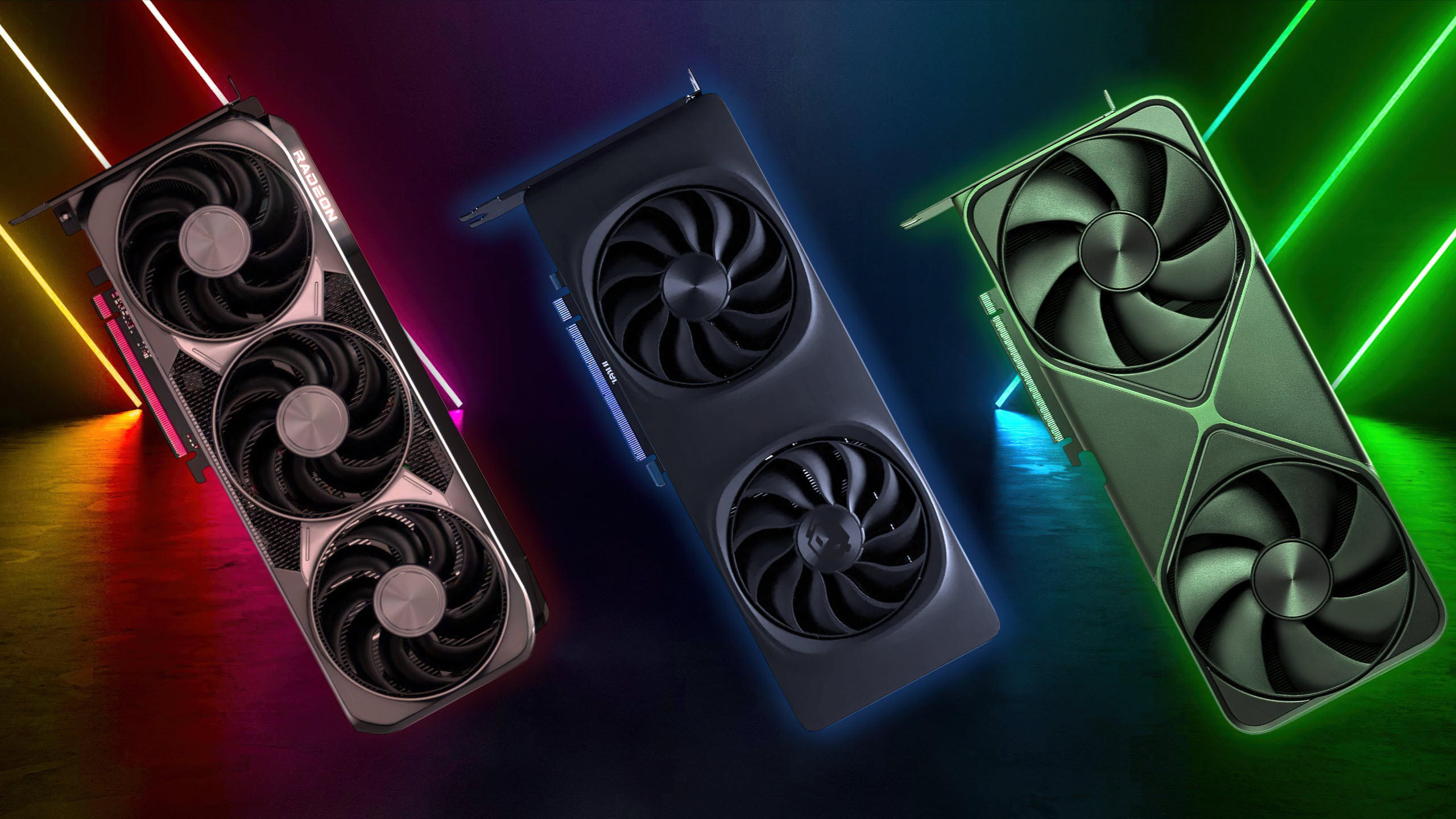
For enthusiasts planning gaming PCs or workstations, this isn’t abstract macroeconomics; it’s a direct threat to your next build. As DRAM stays undersupplied through at least Q2 2028, RAM prices are likely to remain elevated, with laptops and PCs seeing budget‑busting spikes. GPU vendors, already sensitive to memory costs, will face pressure on VRAM availability and pricing. That can cascade into higher prices or slower launches for graphics cards and AI‑centric accelerators.
The practical impact: fewer truly affordable mid‑range builds and more trade‑offs between capacity, speed, and GPU tier. Prolonged shortages mean fewer compelling budget‑tier machines and slower refresh cycles for mainstream buyers. If 2027 turns into the “worst year” for supply, expect queues, limited‑run SKUs, and configuration lock‑ins where system builders dictate the RAM you get. PC builder preparation therefore matters more than ever; whether you are refreshing a fleet of workstations or upgrading a single gaming rig, the timing and structure of your parts list will decide whether you’re building on your terms or taking whatever the market leaves.
How PC builders should prepare while there is still time
You cannot stop a global DRAM supply crisis, but you can avoid being trapped by it. The first step is accepting that memory is becoming a strategic component, not an afterthought. With analysts and executives aligning around a years‑long shortage, including a projected low point in 2027, waiting for prices to “normalize” may mean waiting into the next decade. Instead, treat RAM as a cornerstone of your long‑term upgrade plan.
Concretely, that means designing builds that leave room for higher‑capacity kits, tracking motherboard compatibility lists as new suppliers like CXMT gain validation, and being ready to compromise on extreme frequencies in favor of solid capacity and availability. Pay attention to chip shortage warning signs such as abrupt lead‑time jumps or multiple vendors slipping launch dates. If you are managing several systems—home labs, small studios, or render farms—stagger your upgrades so they do not all fall in the expected 2027 trough. The goal is simple: when memory becomes the limiting factor, you want to be the builder who already planned around it.