
A Long-Overdue Flagship for Nikon APS-C Mirrorless
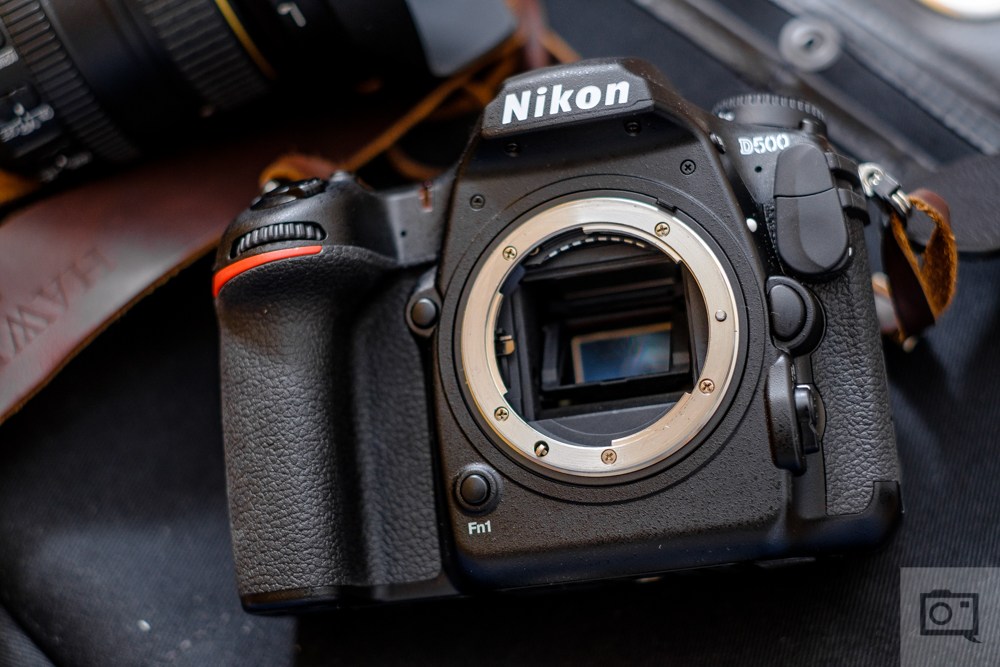
Nikon’s rumored high-performance APS-C mirrorless camera is expected to be a fast, professional DX Nikon Z series camera featuring a 45MP stacked sensor, Z9-class autofocus, and a rugged body designed to bridge the gap between entry-level crop-sensor models and full-frame professional systems for demanding enthusiasts and working photographers. This is not another casual Nikon APS-C mirrorless body; it is a long-awaited answer to a glaring hole in Nikon’s lineup. The company has a strong history of crop-sensor success, from the D7000 and D3000 lines to the acclaimed D500, which paired a 20.9MP sensor with robust build quality and weighed 860g. Yet since production of the D500 ended and current DX mirrorless options like the Z50 II and Zfc arrived, there has been no true flagship alternative aimed at pros who need a big buffer, deep controls, and a magnesium-alloy body. The new mirrorless camera rumors matter because they hint at Nikon finally taking APS-C shooters as seriously as its full-frame customers.
Why the D500 Gap Became Impossible for Nikon to Ignore
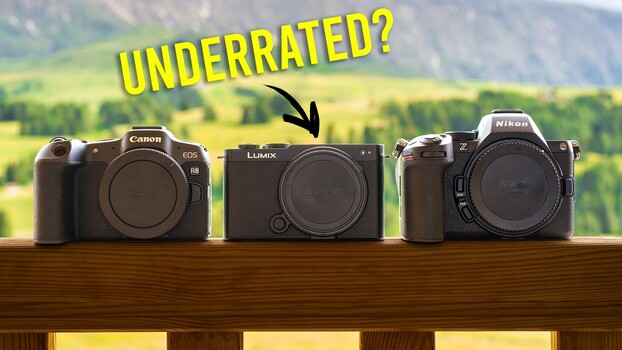
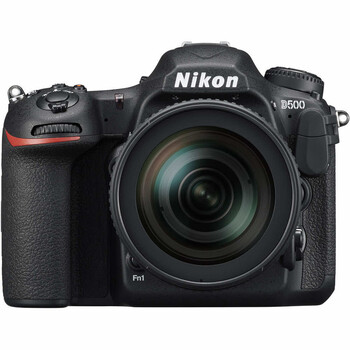
The core of this story is not the 45MP stacked sensor; it is the strategic vacuum Nikon created when the D500 left the stage. Nikon Japan marked the D500 as an "old product" in early 2022, ending production and leaving wildlife and sports photographers without a clear APS-C upgrade path. Since then, crop shooters have been babying aging D500 bodies while watching competitors release credible action-focused APS-C mirrorless options. The existing Nikon APS-C mirrorless bodies are competent but intentionally modest. The Z50 II and Zfc are described as good cameras, but they are not built for professionals who expect a large buffer, sophisticated controls, and a body that survives a season of field abuse. They cater to hobbyists and content creators, not trackside shooters. The rumored fast DX body with in-body stabilization and Z9-class autofocus would directly address that gap, finally offering a mirrorless D500 replacement that acknowledges how APS-C still matters to serious photographers. In that sense, Nikon is not just chasing mirrorless camera rumors; it is repairing a broken upgrade ladder that pushed ambitious users toward either outdated DSLR gear or expensive full-frame systems.
The 45MP Stacked Sensor: Ambition with Real Trade-Offs
The headline specification driving excitement—and skepticism—is the reported 45MP stacked sensor in a body "built for speed". A stacked architecture promises rapid readout and high frame rates, aligning with the idea of a mini-Z9 or mini-ZR aimed at sports and wildlife. On paper, such a sensor would give APS-C users full-frame-level resolution with extra reach, turning a 300mm lens into a compelling high-detail tool for distant subjects. But the enthusiast response shows this is not an unqualified win. Commenters have raised concerns that 45MP on DX could lead to diffraction issues around f/4 and noticeable losses by f/5.6, along with tougher high-ISO performance compared with lower-resolution sensors. Longtime Nikon shooters question whether such a dense DX chip is realistic, noting that Nikon has stuck with roughly 20MP APS-C sensors since the D500 era. Some argue that 30–33MP would better balance resolution and noise. The other technical pillar is processing power. Rumors mention EXPEED 8 as a way to deliver the fast readout and autofocus needed to drive a 45MP stacked sensor at speed. If Nikon wants Z9-class autofocus performance in APS-C, it cannot afford half measures. Either this camera is a bold proof of what stacked DX can do, or it becomes a cautionary tale about chasing headline numbers at the cost of real-world usability.
Target Users: Enthusiasts, Pros, and the Mid-Range APS-C Sweet Spot
Nikon’s rumored DX flagship is clearly aimed at shooters who sit between casual creators and full-frame professionals. Reports describe a "fast, high-end, professional APS-C camera" projected for announcement or release in August or September, potentially with a teaser or development notice first. Another source echoes that timing, expecting a launch in the next few months. That schedule lines up neatly with the growing pressure from other brands’ APS-C offerings and with the need to define an upgrade path before more D500 owners defect. If this camera delivers in-body stabilization and autofocus on par with the Z9, it could bridge the gap between entry-level DX bodies and full-frame Nikon Z series cameras. It would be the body for shooters who need speed and reliability but prefer APS-C reach and cost of ownership. The lack of any confirmed model name—speculation ranges from Z90 and Z80 to Z30 II or Z500—underscores how Nikon is still shaping its message. The wild card is price. One source warns that if the camera is priced as much as a Z8, fewer people will buy it because full-frame would be within reach. In other words, Nikon must keep this camera decisively mid-range in cost while delivering high-end performance, or the entire strategy collapses into a niche product for a narrow sliver of loyalists.
What This Rumor Signals for the Future of Nikon APS-C
Strip away the speculation, and one conclusion stands out: Nikon can no longer treat APS-C as an afterthought. The reported camera is said to be "like a small Z9 or a ZR" and similar in spirit to the D500, with model names such as Z90, Z80, Z30 II, or Z500 all in play. There is even talk that it could be a mini-ZR with technology influenced by Nikon’s acquisition of RED, aligning with the company’s push to bring RED color science and R3D NE raw video into compact Z bodies. For photographers, the practical impact is straightforward. If Nikon announces this camera in August or September, APS-C shooters who have kept decade-old D500 bodies alive will finally see their upgrade path. If the camera also delivers high-resolution APS-C capability with professional autofocus and stabilization at a reasonable price, it could redefine the mid-range professional segment and make Nikon APS-C mirrorless a serious destination rather than a stepping stone. My view is that Nikon must lean into the promise of APS-C: reach, speed, and portability for demanding work. A 45MP stacked sensor is a daring way to do that—but only if the company resists the temptation to price the camera near its full-frame flagships and ensures that real-world performance, not headline specs, becomes the story. If Nikon gets this balance right, the rumored DX flagship could be remembered not as a derivative mini-Z9, but as the moment APS-C reclaimed its place in professional photography.