
Android handheld emulation is beating modded consoles at their own game
Android handheld emulation is the growing trend of using Android-based devices and apps to run classic console and PC games, combining powerful emulators, native ports, and community tools to deliver portable retro gaming that rivals or surpasses dedicated modded hardware in flexibility, affordability, and ease of use. The takeaway is clear: if you still think you need a heavily modded console to enjoy old games properly, you are stuck in the past. Android handhelds now offer the best 3DS emulator experience in Azahar, multiplayer features, native ports of classics, and huge libraries of community content, all wrapped in interfaces that are far less painful than traditional modding. The ecosystem is converging, and Android is quietly becoming the default platform for emulator fans.
Multiplayer and 3DS: Azahar signals a new phase for mobile emulation
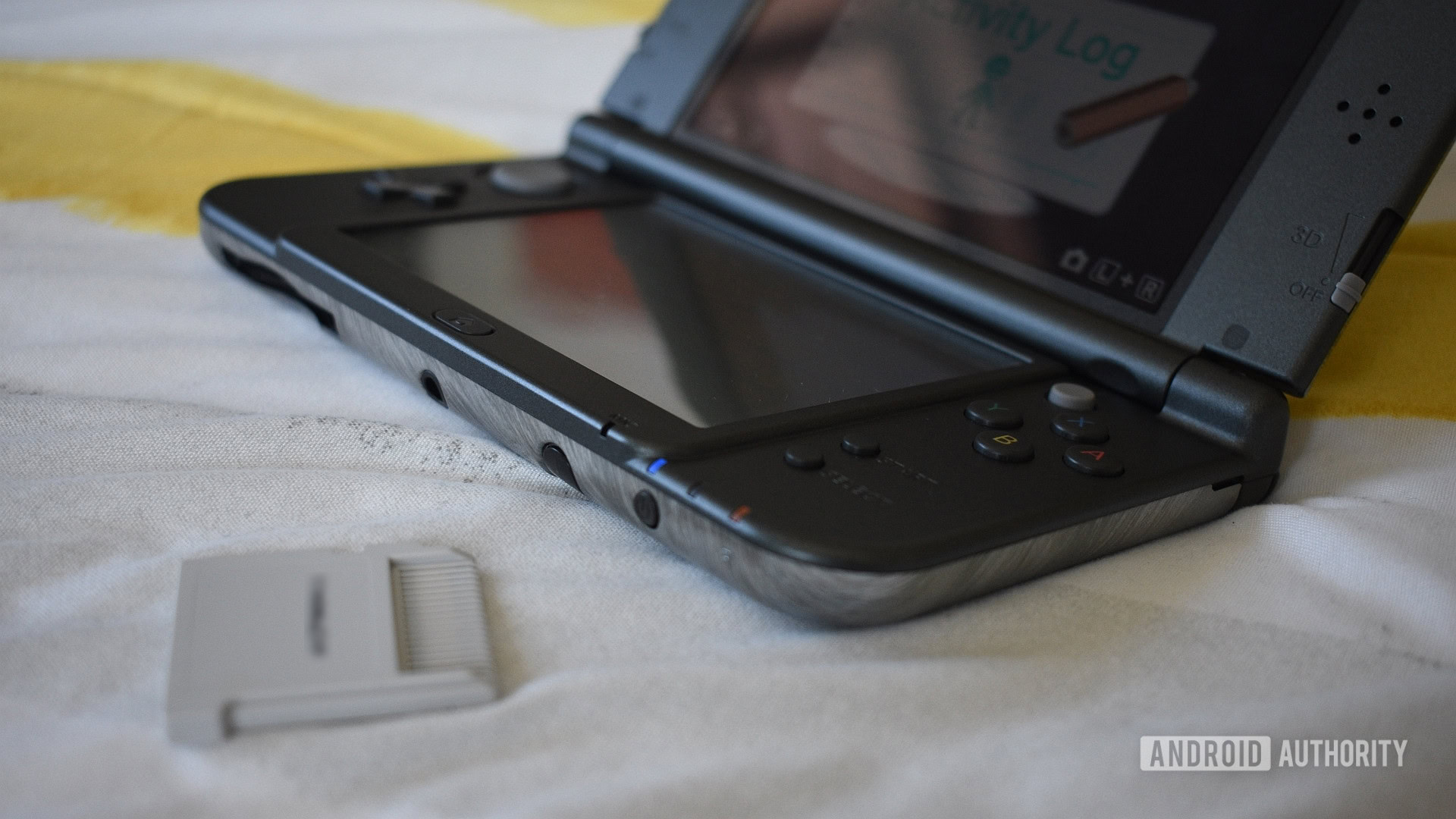
The moment Android handheld emulation stopped being a solo hobby was when Azahar added full multiplayer support on Android. Azahar is described as the best way to play Nintendo 3DS games on Android, acting as a spiritual successor to Citra, and its new online rooms and chat finally make handheld emulator multiplayer support feel normal rather than experimental. Public room browsing, private room creation, and room chat bring features that used to be limited to desktop emulation straight onto pocket devices. Vulkan rendering tweaks, combo button shortcuts, and improvements for dual-screen setups all show a clear bias toward handheld-first design. In opinionated terms, Azahar turns Android from a “good enough” 3DS platform into one that can reasonably replace original hardware for most people who care more about playability and features than nostalgia for the actual console.
Budget handhelds prove native ports beat brute-force emulation
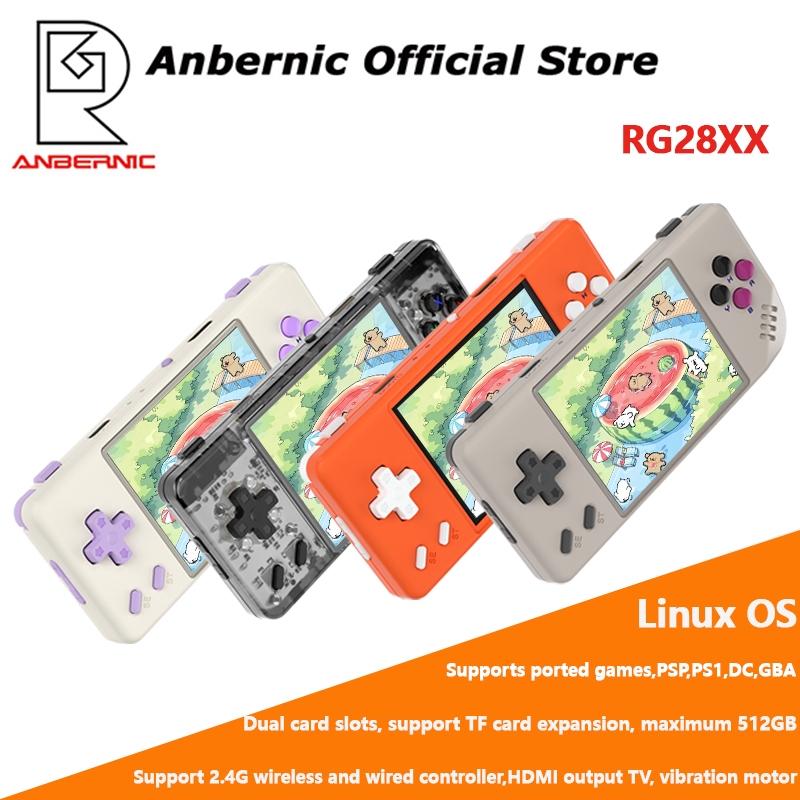
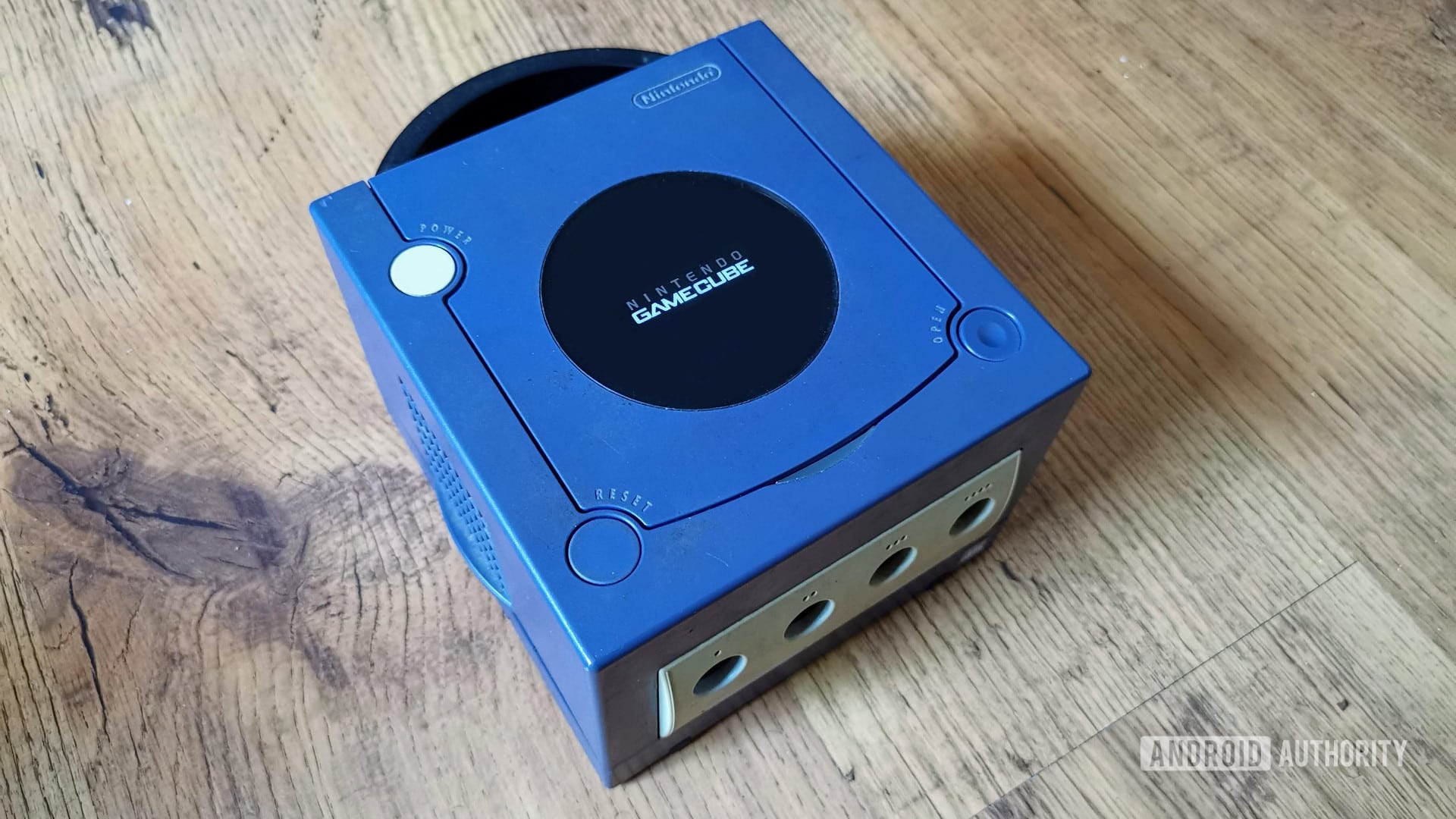
Native ports on budget gaming handhelds are the strongest argument against clinging to aging modded consoles. OpenCrossing, an unofficial Animal Crossing port built on the GameCube decompilation project, targets ANBERNIC handhelds running MuOS or Knulli and low-end AllWinner H700 chips. The developer stresses this is not emulation; the game code runs directly on the CPU with a translation layer for GameCube graphics calls. That design matters: these tiny Linux handhelds generally don’t have enough horsepower to emulate GameCube titles, but native ports deliver a major performance boost and playable speeds. Some supported devices, like the RG28XX, are available for under USD 50 (approx. ₱2,800). That price-to-experience ratio makes older, power-hungry modded consoles look wasteful. A low-cost device running a well-made native port is where retro gaming starts to feel smart rather than stubborn.
Starboard and GameNative-style tools bring Linux’s best ideas to Android
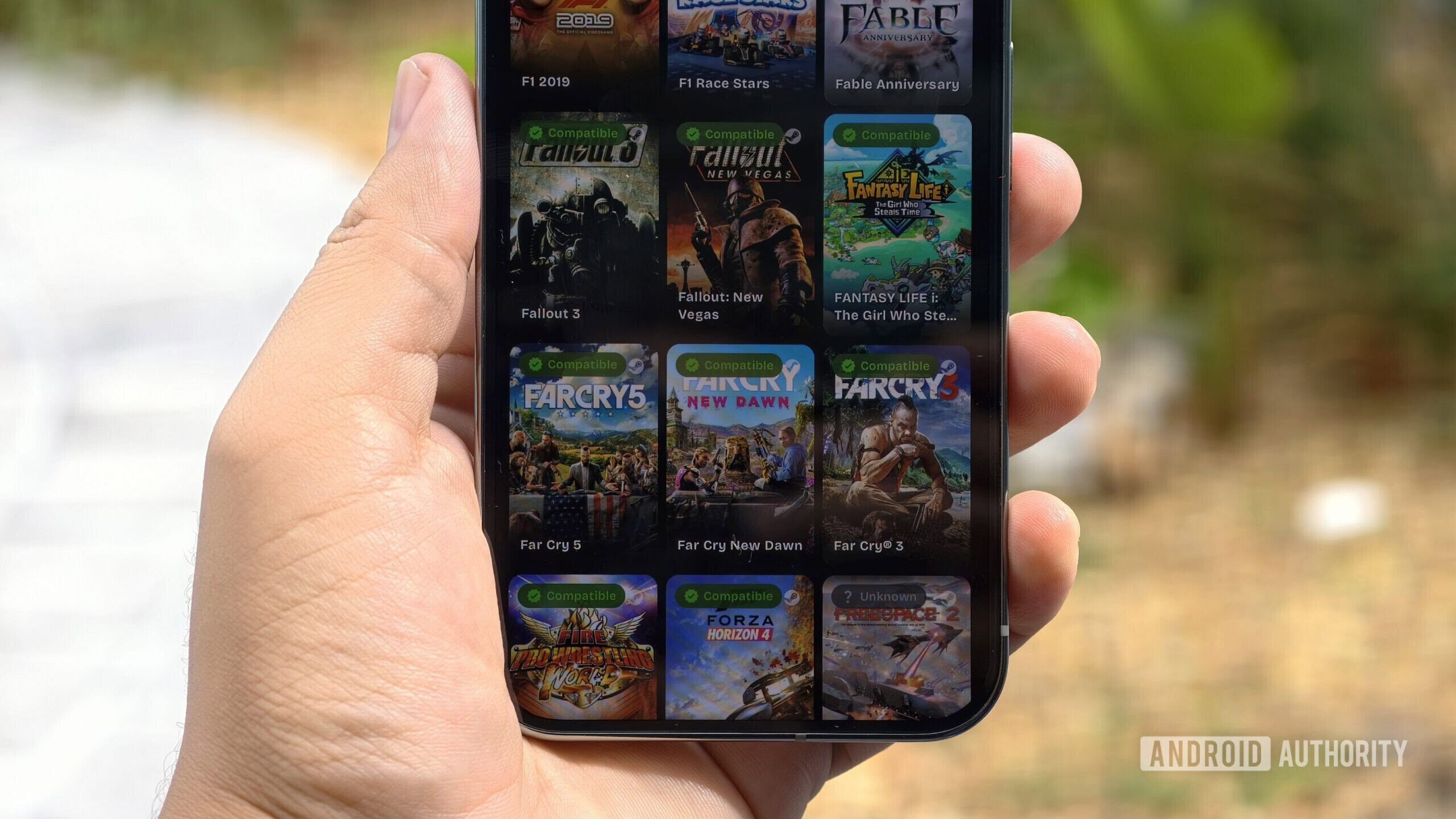
The most important shift isn’t the hardware; it’s that the Linux handheld ecosystem is migrating straight into Android. One of the best reasons to get a Linux handheld used to be a game launcher that collected community ports into a big, browsable library. Now an unofficial Android client named Starboard lets you run those ported Linux games through a Debian-based runtime on Android. Games are split into “ready to run” and “setup required,” with examples ranging from shareware Doom and Diablo to Celeste and Morrowind. According to the developer, just under 30% of games in the compatibility list are confirmed playable while roughly 63% haven’t been tested yet. Importantly, Starboard follows in GameNative’s footsteps by adding a community-driven review system, ratings for controls and graphics, and device-specific feedback. This turns Android handheld emulation into a living, curated platform rather than a chaotic folder of random APKs.
The handheld future: Android-first, modding-powered, and multiplayer-ready
All the trends point the same way: Android is where portable retro gaming is consolidating. Emulator multiplayer support on Azahar, native ports on low-cost devices that avoid emulation overhead, and cross-platform apps like Starboard bringing Linux ports to Android in bulk mean you no longer need separate modded machines for each era of gaming. Meanwhile, GameNative-style systems add community reviews and configuration wisdom on top, extending libraries and making them usable rather than overwhelming. The opinionated conclusion is harsh but fair: dedicated modded consoles are becoming niche toys for collectors and tinkerers. For everyone else, Android handhelds give you stronger software, cheaper hardware, and faster access to games. The ultimate emulation machine is no longer a dusty console under your TV—it is the Android device in your bag.