
What the Ryzen 7700X3D Is—and Why It Exists
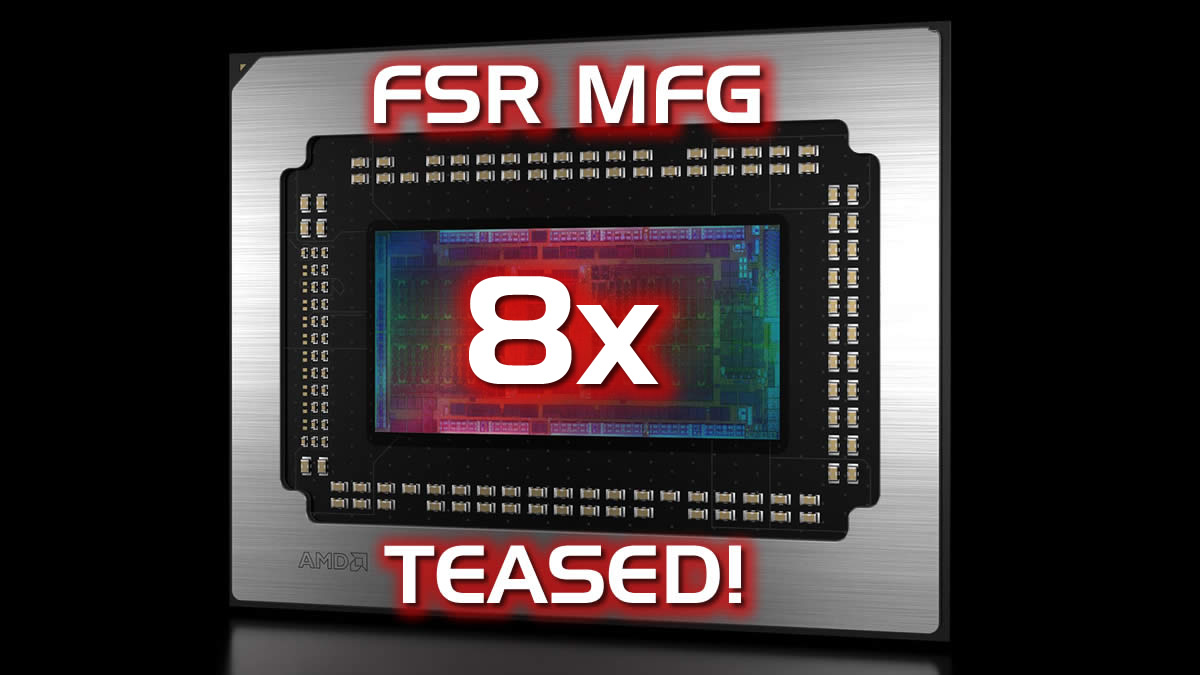
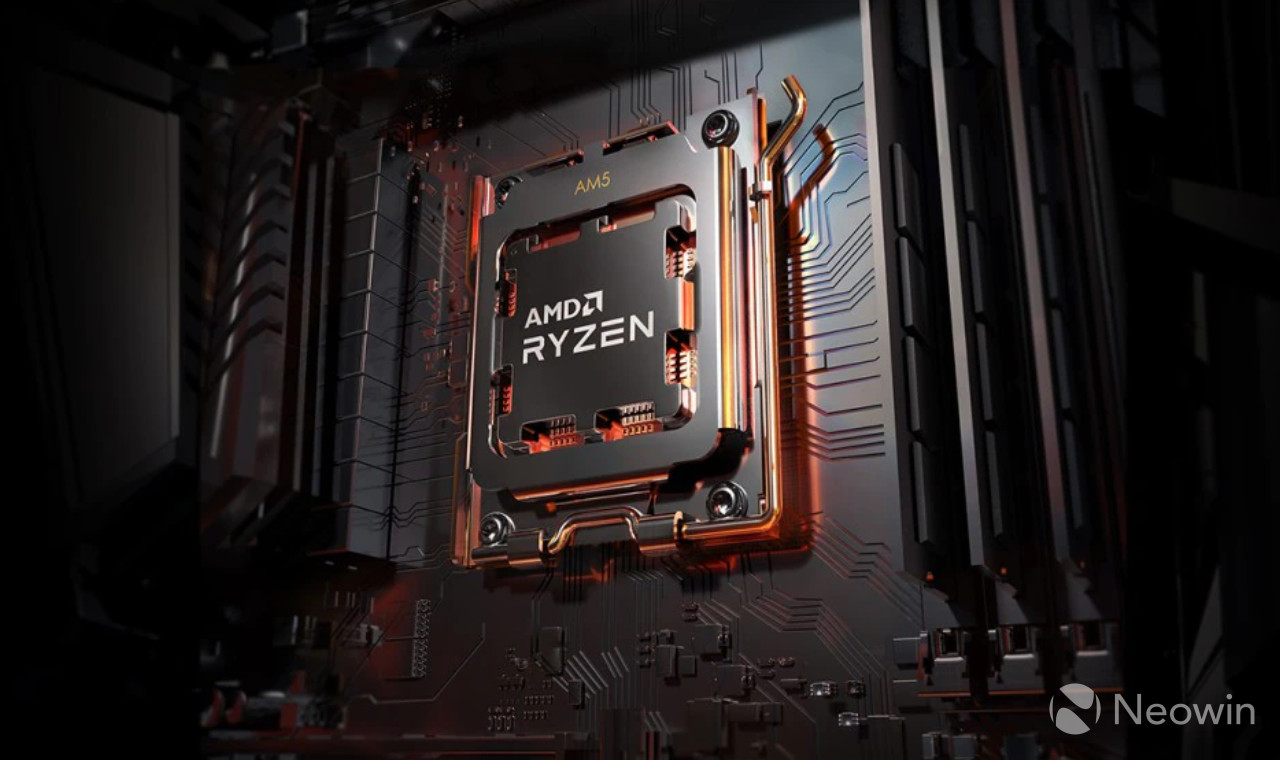
The Ryzen 7700X3D is an 8-core, 16-thread AMD gaming CPU that uses 3D V-Cache to boost L3 cache to 96 MB and deliver lower-latency performance for high-refresh gaming workloads, positioned as a slightly cheaper alternative to the established Ryzen 7800X3D. That positioning sounds appealing on paper: same core count, V-Cache focus, and modern AM5 support targeting players who want strong frame rates without paying top-tier prices. But the reality is less flattering. AMD itself notes the 7700X3D “should be slightly slower than the popular 7800X3D in terms of performance,” meaning you are buying into a cut-down version of a known quantity rather than a new sweet spot. When the supposed budget option gives up speed while barely shaving cost, the entire premise needs a closer look.
Specs and 3D V-Cache: Same Idea, Slower Execution
Both the Ryzen 7700X3D and 7800X3D are built around the same idea: use AMD’s 3D V-Cache to turn an 8-core gaming processor into a frame-time monster. In the 7700X3D, that means an 8-core, 16-thread Zen 4 design running at a 4.0 GHz base clock and up to 4.5 GHz boost, with 96 MB of L3 cache stacked via 3D V-Cache and a 120 W TDP. According to AMD, 3D V-Cache “increases the CPU’s L3 cache from a typical 32 MB to 96 MB by stacking an additional cache layer directly on the CPU, resulting in lower latency for improved framerates – particularly in 1% lows for better stability.” The problem is that the 7700X3D is acknowledged as slower than the 7800X3D, yet it is sold into the same performance tier. You are not trading raw power for a true budget win—you are sacrificing speed for a modest discount.
Pricing: When the Cheaper Choice Isn’t Much Cheaper
The 7700X3D’s whole selling point is price, but the math is awkward. Its suggested etail price is USD 329 (approx. ₱19,000) in the US and CAD 469 (approx. ₱20,000), with a listed price of £289 in the UK. One outlet notes that it “serves a niche of customers looking for an 8-core X3D processor a little cheaper than the 7800X3D,” and that Newegg is even running a limited-time USD 49 (approx. ₱2,800) discount off the MSRP. Yet AMD itself admits that price-wise the 7700X3D is “kind of in the same ballpark” as the 7800X3D. That is the heart of the problem: the Ryzen 7700X3D vs 7800X3D comparison leaves value-conscious buyers stuck between a slightly slower chip and a slightly higher price. For an AMD gaming CPU comparison that makes sense, you want a clear gap—either in cost or capability. Here, you get neither.
Hidden Costs and Caveats: Exclusivity, Cooling, and Platform
The 7700X3D’s budget appeal weakens further once you account for what is not in the box and where you can buy it. At launch, it is exclusive to a single major retailer in North America, meaning builders cannot shop around for better bundles or regional deals. That exclusivity may end later, but early adopters lose the flexibility that often defines a smart budget gaming CPU choice. The CPU also ships with no thermal solution included, so you must factor in a capable air or AIO cooler to handle its 120 W TDP. And because it targets the AM5 socket with DDR5 memory, any upgrade from an older AM4 system involves a full platform shift—new motherboard, new RAM, and a cooler—before you even consider the CPU price. The result is a “cheaper” chip that lives on an expensive platform and demands extra spend to unlock its potential.
Who Should Buy the 7700X3D—and Who Should Stretch for the 7800X3D
Despite the compromises, the 7700X3D is not a bad processor; it is described as “one of the best desktop gaming processors out there” and is recommended for players chasing excellent gaming performance with strong 1% lows. It fills a narrow gap between the 7600X3D and 7800X3D and can make sense if you are locked into a strict budget, determined to move to AM5 now, and able to grab it at a significant discount. But if your goal is straightforward gaming performance, the Ryzen 7700X3D vs 7800X3D decision is clearer than AMD’s marketing suggests. When the price gap is “in the same ballpark” while the cheaper chip is explicitly slower, stretching to the 7800X3D becomes the rational choice for most builders. In other words: the 7700X3D’s 3D V-Cache processor value is real, but its savings are not strong enough to be the default budget gaming CPU choice.