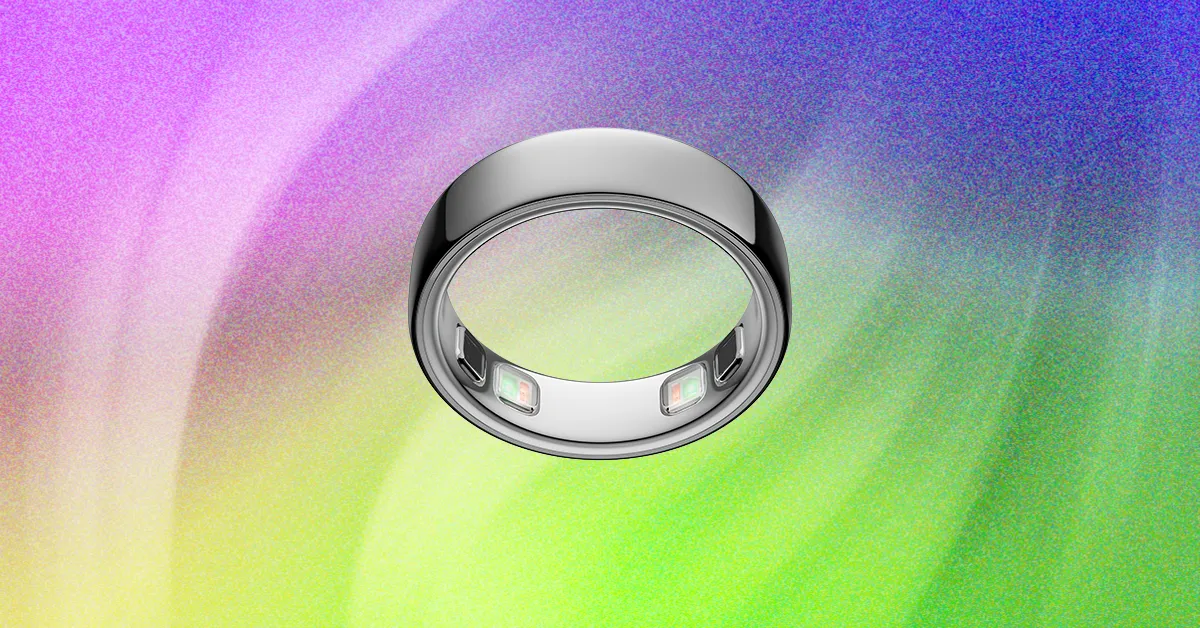

The Real Question: Comfort vs Cost in the Oura Ring 5 vs Ring 4
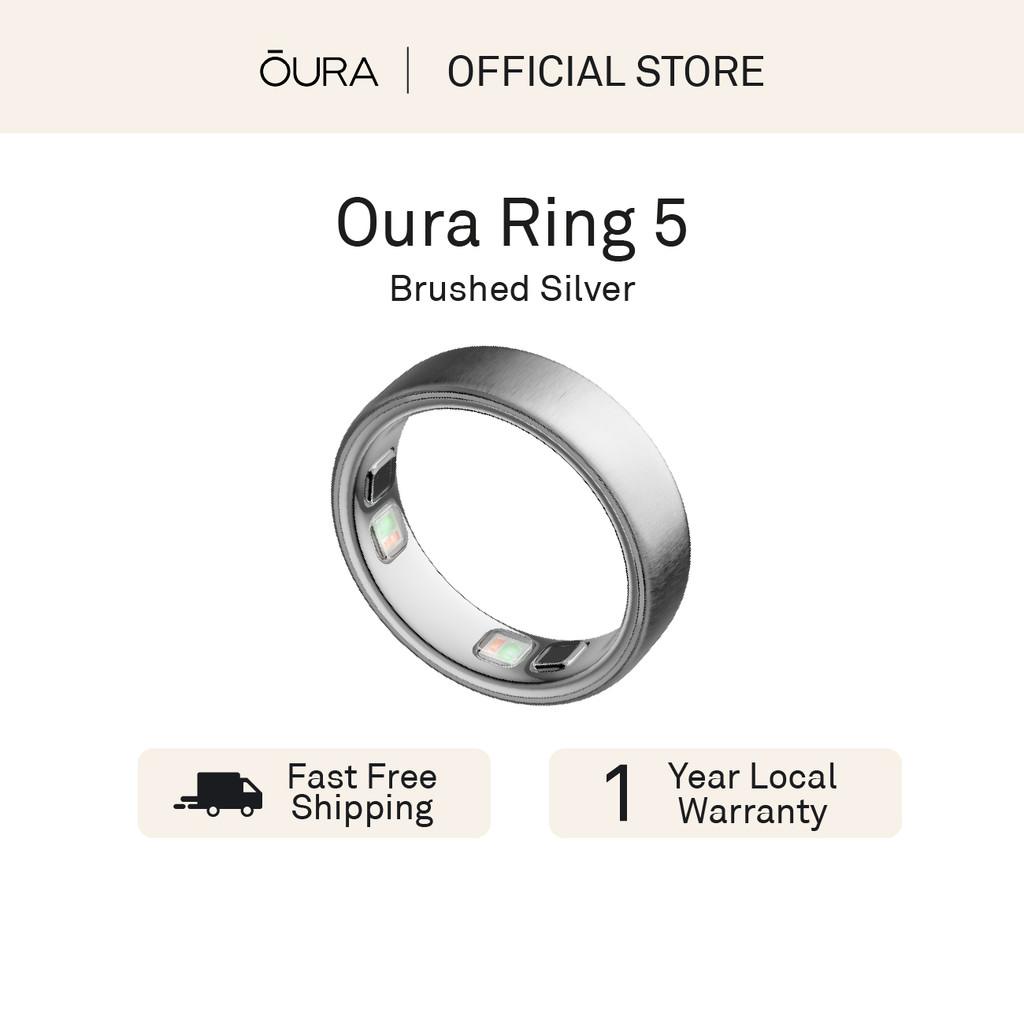
The Oura Ring 5 vs Ring 4 decision is a smart ring upgrade question about whether a smaller, more comfortable design and evolving software experience justify paying more when core health tracking performance remains similar between generations. If you already own a Ring 4, you are choosing between a meaningful comfort win and an admittedly modest technical leap. The Ring 5 is 40% smaller than the Ring 4, and that shrinkage shows up every time you clench your hand or type on a keyboard. Where the previous ring could feel like gear, the new one finally feels like jewelry. The catch is price: the Ring 5 starts at USD 399 (approx. ₱23,000), which is USD 50 (approx. ₱2,900) more than the Ring 4. So the upgrade is less about chasing new sensors and more about how much you value all‑day comfort and subtlety.
Design, Fit, and Battery: Where Ring 5 Pulls Ahead
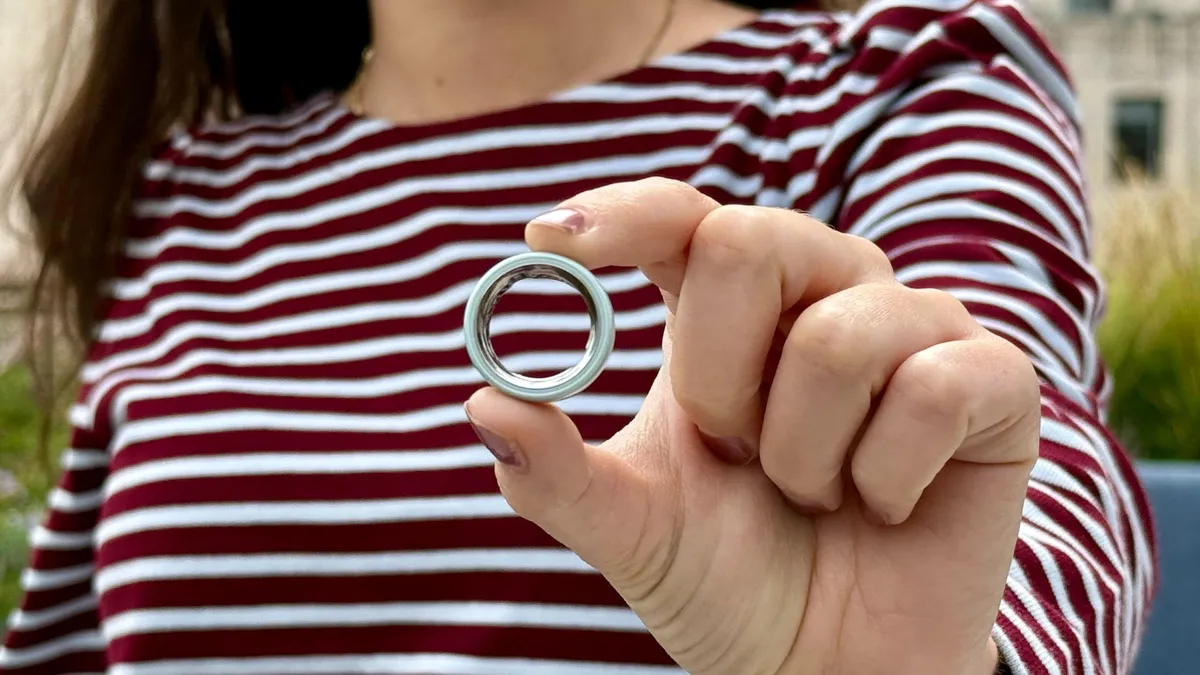
If comfort is your main pain point with the Ring 4, the Oura Ring 5 is a clear step forward. The ring is 40% smaller than the Ring 4, which makes daily wear feel far closer to a regular band than a chunky gadget. In expert testing, the smaller footprint allowed fingers to sit naturally together, something that “wasn't the case for the Oura Ring 4.” That matters because a smart ring only works if you are willing to wear it day and night. The Ring 5 also adds an extra day of battery life, stretching to between six and nine days per charge, so you spend less time tethered to the charging dock. Charging remains quick, with a full top‑up in 20 to 80 minutes. In other words, Ring 5 wins on physical design and convenience, but Ring 4 is still perfectly serviceable if you already find its size acceptable.
Health Tracking, Accuracy, and App Experience: More Similar Than Different
On pure health tracking, the Oura Ring comparison is less dramatic than the design story suggests. Both rings measure heart rate, heart rate variability, blood oxygen, body temperature, and breathing rate to understand your sleep and recovery. Long‑term wear lets Oura learn your personal baseline, enabling features like Symptom Radar that can flag signs of strain at least a day before you feel sick. According to one reviewer, “plenty of wearables collect health data, but Oura does the best job of actually influencing how I train, sleep, and recover.” Crucially for Ring 4 owners, testing did not reveal “dramatic gains in sensor accuracy,” and most software additions are being rolled out to older hardware as well. That means the biggest performance shift is not in the sensors but in how often you wear the ring and engage with the app. If your Ring 4 already motivates better sleep and training, Ring 5 will not transform the underlying data overnight.
Activity Tracking, Subscriptions, and the Cost of Ownership
Neither Ring 4 nor Ring 5 is a perfect activity tracker, and that shared weakness matters in the smart ring worth it debate. You can exercise with Oura, but it is “not the most accurate when it comes to step tracking or calorie counting,” making it far better as a sleep and wellness companion than as a hardcore fitness tool. Both generations sit in a more expensive ecosystem than many rivals: Ring 5 starts at USD 399 (approx. ₱23,000), with some finishes hitting USD 499 (approx. ₱28,700), and there is a required membership of about USD 6 (approx. ₱350) per month to see all metrics beyond Readiness, Activity, and Sleep Scores. Competing smart rings may skip subscriptions or offer longer battery life, narrowing the gap. The bottom line: if you dislike subscriptions or want precise workout metrics, neither Oura ring will fully satisfy you, and Ring 5 does not fix those pain points.
Upgrade Advice: Who Should Move to Ring 5 and Who Should Wait
For first‑time smart ring buyers or owners of much older Oura generations, the Ring 5 is the obvious smart ring upgrade: it is the most polished version yet, with a smaller design, improved comfort, and a strong software experience that still leads the category. You also gain flexibility, since you can pair multiple rings to one account and swap between Ring 4 and Ring 5 without losing your data history or paying for another membership. However, if you already own a Ring 4, expert testers are clear: the decision “is less straightforward.” With no major lift in sensor accuracy and most new app features coming to older hardware anyway, the upgrade mainly buys you a thinner, more discreet ring and a modest battery boost. Unless the Ring 4’s bulk bothers you every day, the sensible move is to keep it, enjoy incoming software improvements, and wait for a future generation that changes more than the chassis.