
From Download Buttons to DIY Steam Game Cartridges
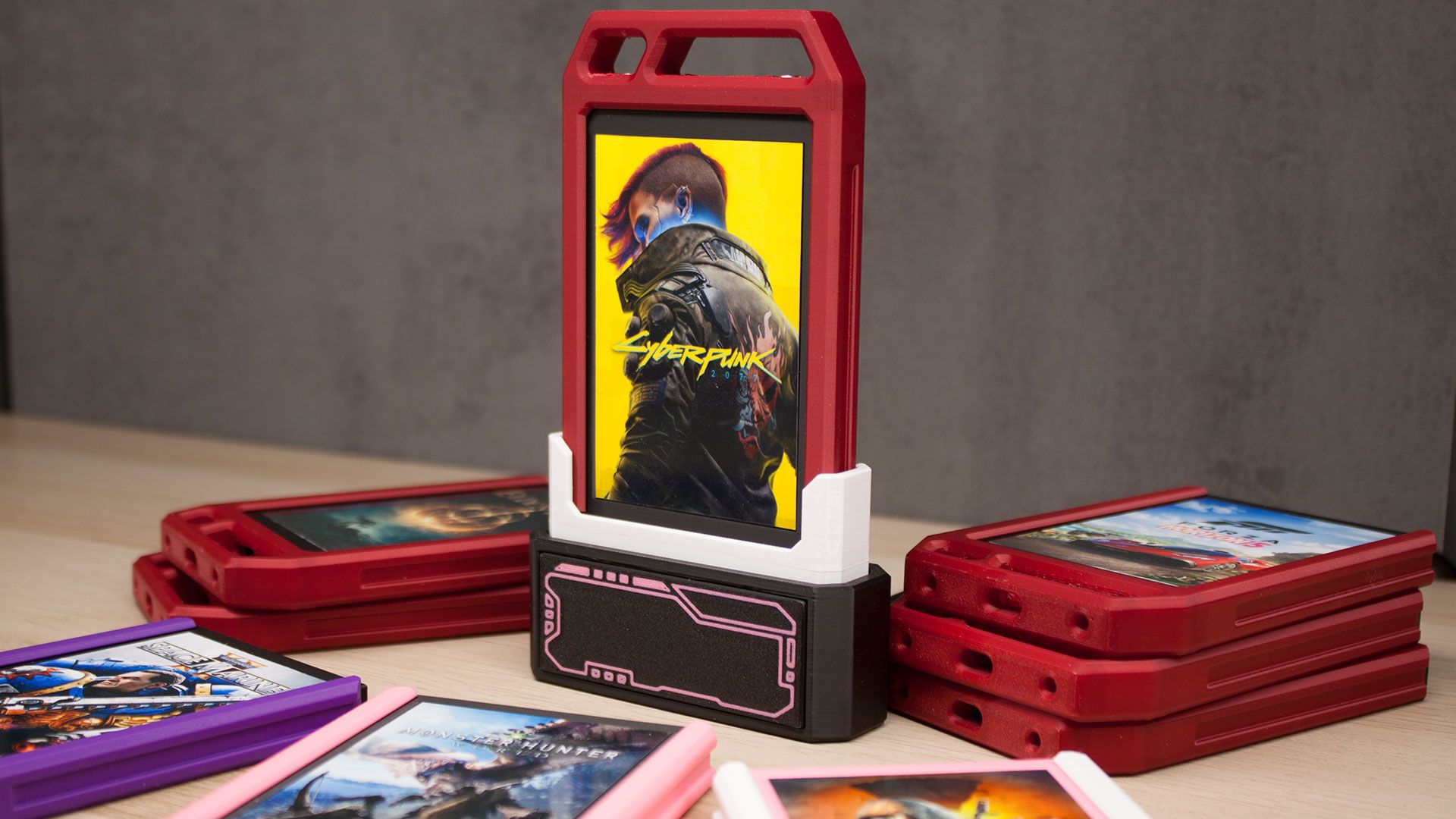
Steam game cartridges are a DIY gaming storage mod where enthusiasts load PC games onto repurposed 2.5-inch SATA SSDs, dress them up as physical game cartridges with custom cases and labels, and use simple scripts plus docks so plugged-in drives automatically trigger Steam to open or launch specific titles, turning digital libraries into tangible, swappable modules that feel closer to classic cartridge gaming than to anonymous cloud downloads. This idea is attractive not because it changes how Steam works, but because it changes how players relate to their games. In a world where platforms push us toward invisible licenses and endless menus, the act of picking up a cartridge-shaped SSD, sliding it into a dock, and watching a favorite game spring to life feels delightfully old-school. It is a quiet, clever protest against the fading presence of physical media.
How SSD Cartridge Mods Turn Old Drives Into Physical Game Cartridges
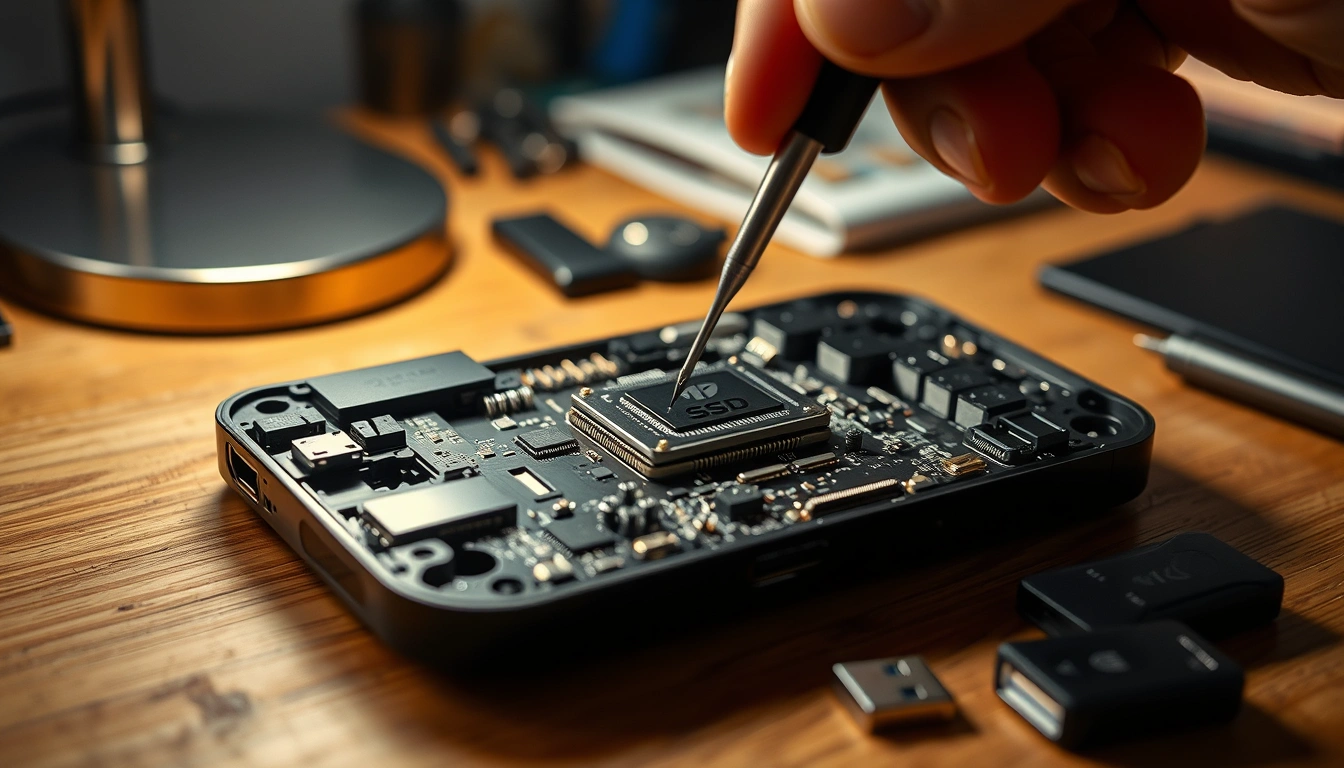
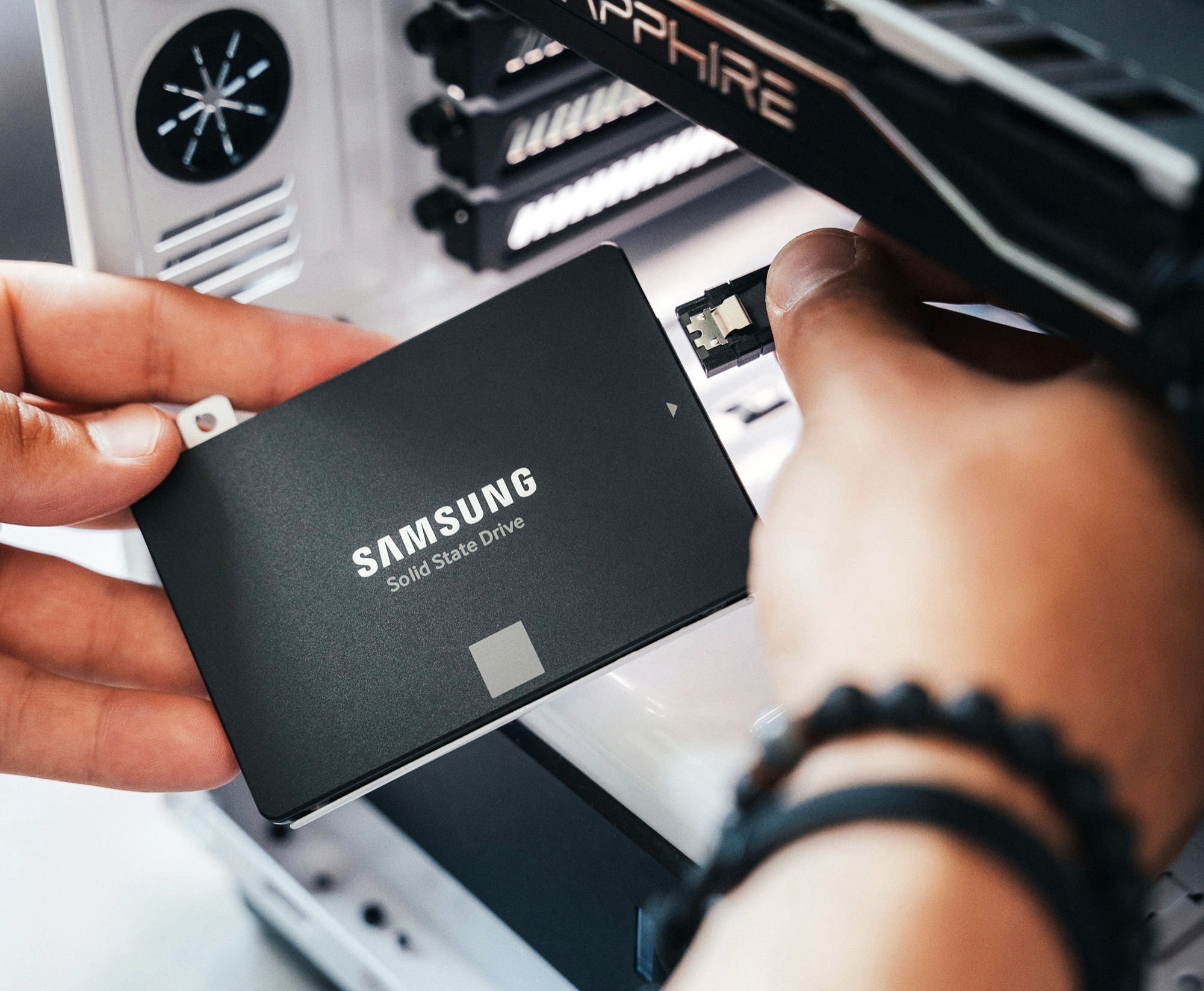
The core of this system is surprisingly straightforward: used 2.5-inch SATA SSDs, a SATA dock, and a script. Reddit user Jibril-sama bought 128GB drives for about USD 8 (approx. ₱448) each, then turned them into Steam-ready game cartridges with 3D-printed shells, printed covers, and a disk-detect script that runs whenever a drive is inserted. The dock’s SATA connection handles both power and data, while the script uses Steam’s URL protocol to jump straight to a game’s page or auto-start it once the SSD mounts. According to one report, “All it needs is a systemd template to check for a script on the SSD and launch it, and a udev rule to trigger the system.” It is the kind of SSD cartridge mod that looks elaborate on video but is, in practice, a handful of cheap parts plus a few lines of code.
Nostalgia, Storage Pain, and the Desire for Physical Game Cartridges
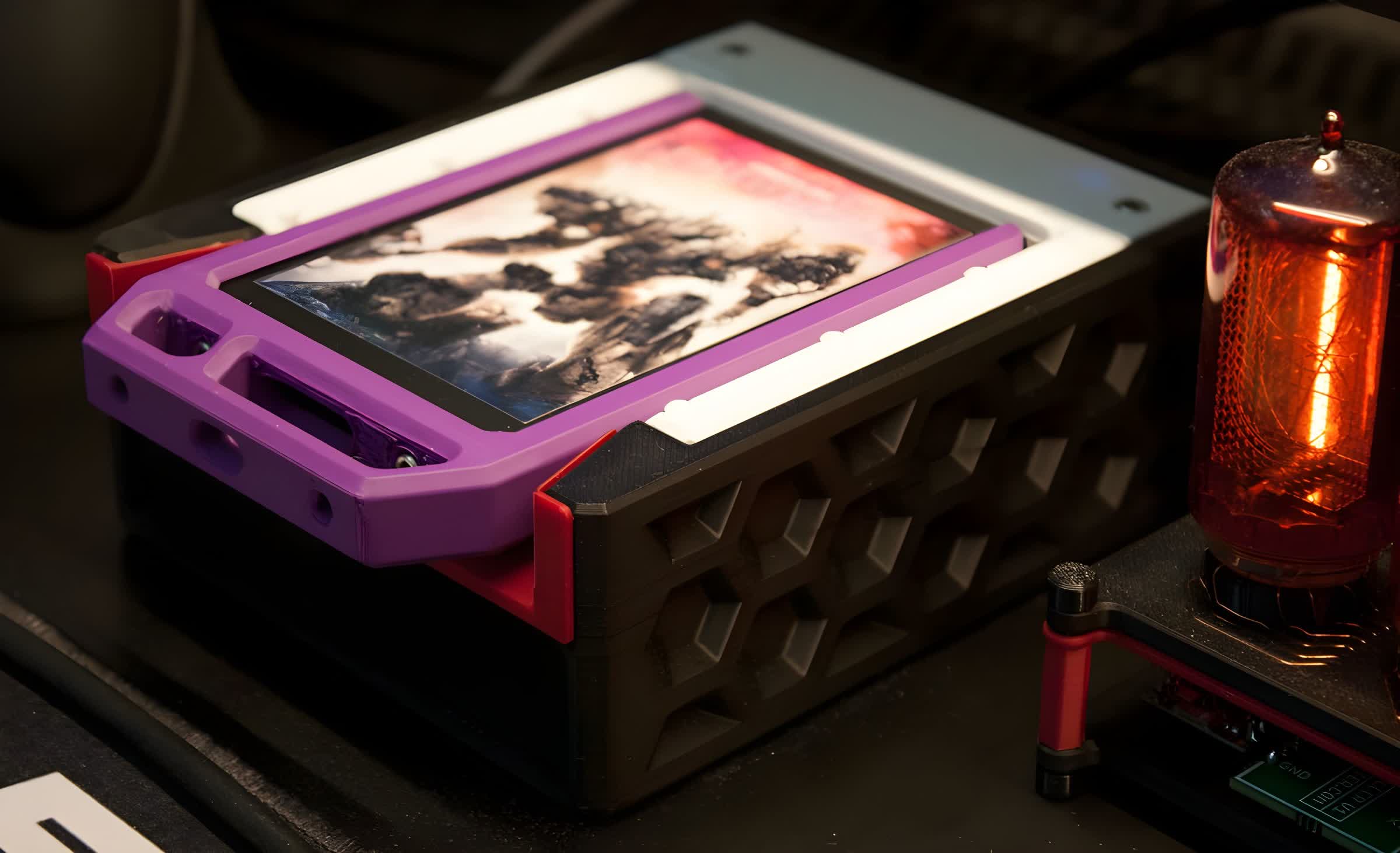
These Steam game cartridges are not only a clever DIY gaming storage trick; they are a reaction to a broader shift in the industry. PC games have been sold almost exclusively digitally for years through platforms like Steam and Epic, and Sony plans to stop producing game discs in January 2028. The Nintendo Switch 2 might end up as the last big system with mainstream physical releases. Against that backdrop, a shelf filled with cartridge-styled SSDs feels like reclaiming something that digital stores took away. Players with sprawling Steam game libraries know how quickly titles can swallow internal storage, and offloading big, replayable games to separate drives is both tidy and emotionally satisfying. Fellow enthusiasts are already talking about fully physical Steam libraries and alternatives using SD cards or purpose-built platforms such as Zaparoo and Kazeta, all chasing that blend of tangible ownership and digital convenience.
What This DIY Gaming Storage Hack Solves—and What It Cannot
For practical-minded PC gamers, SSD cartridge mods solve a few real problems. They keep rarely played, space-hungry titles off primary drives, make lending a game module to a friend straightforward, and organize libraries into labeled, physical chunks instead of endless scrolling. They also make it easier to revisit single-player favorites without reinstalling everything. But they do not magically restore ownership. Licenses are still controlled by Steam accounts, so a cartridge does nothing if the game is not tied to the logged-in profile. Big updates remain a hassle—multi-gigabyte patches must still be downloaded, and the creator notes they avoid live-service games on cartridges and simply let Steam handle updates when needed. Used SSDs bring their own risk: NAND flash can lose data over long periods without power, which means these physical game cartridges are more like curated vaults for replayable titles than permanent archives.
Why Turning Old SSDs Into Steam Game Cartridges Matters
The most important thing about this Steam Game Cartridge system is not its technical novelty—it is its attitude. Jibril-sama’s project shows that players are not content to watch physical media disappear without building their own alternatives. Even if licenses stay digital, the ritual of slotting in a cartridge-shaped SSD restores a sense of presence and occasion to PC gaming that download queues and autoplay buttons cannot match. It is also an example of sustainable tinkering: upcycling affordable used drives instead of buying new storage for every library shuffle, and turning bland rectangles into colorful artifacts. Sony may make more money from an all-digital future, but experiments like this underline how much goodwill is tied to tangible collections. The conclusion is obvious: if publishers refuse to give us physical game cartridges, PC gamers will keep inventing their own—one 2.5-inch SSD at a time.