
What this gaming laptop GPU comparison is really about
An RTX 5090 vs RTX 5070 vs RTX 5050 gaming laptop comparison is a direct look at how three current GPU tiers translate into real 16-inch gaming laptop performance, weighing raw frame rates, thermals, battery life, and price to show which tier delivers meaningful gains for gaming and productivity workloads rather than superficial spec sheet upgrades.
If you buy a gaming laptop today, the mistake is to stare at RTX labels and ignore how they behave inside an actual chassis. A slim RTX 5090 gaming laptop promises desktop-class performance, mid-tier RTX 5070 models advertise smarter balance, and entry RTX 5050 machines rely heavily on NVIDIA upscaling. In practice, thermal design, storage and battery constraints can erase much of the theoretical advantage. The key takeaway: unless you have a very specific high-end workload, the sensible choice is not the most powerful GPU, but the one paired with a well-designed chassis and sane pricing.
RTX 5090 in slim 16-inch laptops: brutal speed, harsh compromises
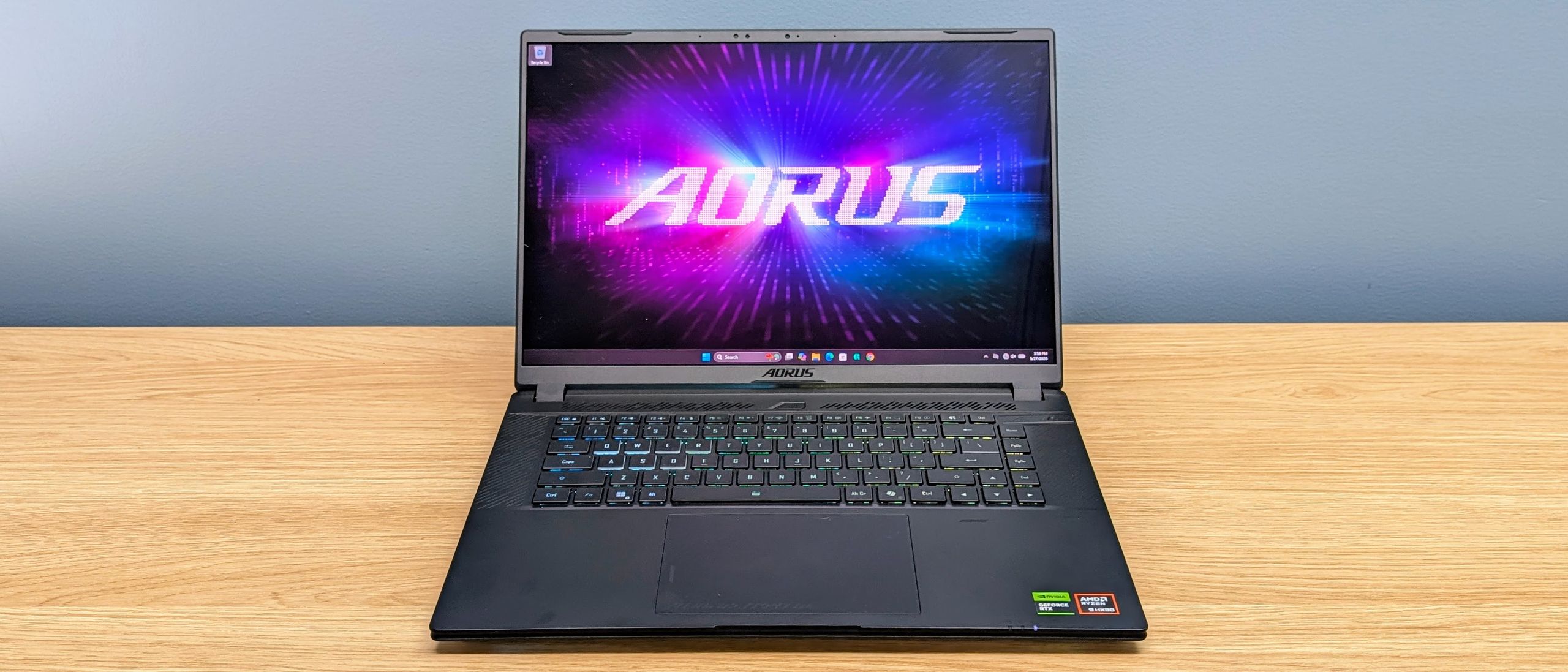
The clearest example of flagship excess is the RTX 5090 gaming laptop squeezed into a slim 16-inch chassis like the Aorus Master 16 Gen 2, built for fast 2560 x 1600 gaming with full-power hardware in a thinner body than typical desktop replacements. It has no problem running the RTX 5090 at up to 175W for extended periods, delivering up to 35% faster gaming than an RTX 5080 laptop, especially in heavy ray tracing where 24GB VRAM keeps frame rates high. That level of performance is real and repeatable at 1600p with high textures and ray tracing.
The cost of that speed is obvious the moment you unplug. Despite a 99Wh battery, web browsing landed under 2.5 hours and video playback around 3 hours 46 minutes with the RTX 5090 disabled. To sustain 175W GPU and a powerful Ryzen CPU, the rear of the chassis is mostly dedicated to cooling, with large vents and side exhausts. The result: loud fans with a high-pitched tone and a laptop that ramps noise quickly, even with lighter workloads. You’re paying flagship money—the tested RTX 5090 model is priced at USD 4,299 (approx. ₱241,000)—for astonishing gameplay tethered to a charger and headset. For most buyers, that trade-off is hard to justify.
RTX 5070 12GB: the practical sweet spot for 16-inch gaming laptop performance
If the RTX 5090 is the halo product, the revised RTX 5070—especially the 12GB variant—looks like the tier where performance meets sense. NVIDIA has split the laptop RTX 5070 lineup into an original 8GB model and a newer 12GB configuration. In machines like the Legion 7a, the RTX 5070 12GB can run at up to 115W TGP with Dynamic Boost, comfortably above NVIDIA’s baseline power target. Paired with 12GB of GDDR7, it brings a noticeable jump in modern games, particularly at higher settings where VRAM demand keeps rising.
This is the GPU tier that makes 1440p and entry-level 4K gaming reasonable instead of aspirational. Extra VRAM benefits ray tracing and AI workloads as well, but power levels are low enough that a well-built chassis can avoid the near-constant thermal stress seen on RTX 5090 rigs. You still pay premium pricing—RTX 5070 laptops are often positioned as high-end—but they sit below the USD 4,299 (approx. ₱241,000) flagship bracket and closer to mid-range configurations that use RTX 5070 Ti or RTX 5080 GPUs at lower prices. In short: this is where buyers who play demanding games at 1440p and care about fan noise and battery life should focus.

RTX 5050 entry-level laptops: upscaling helps, hardware limits hurt
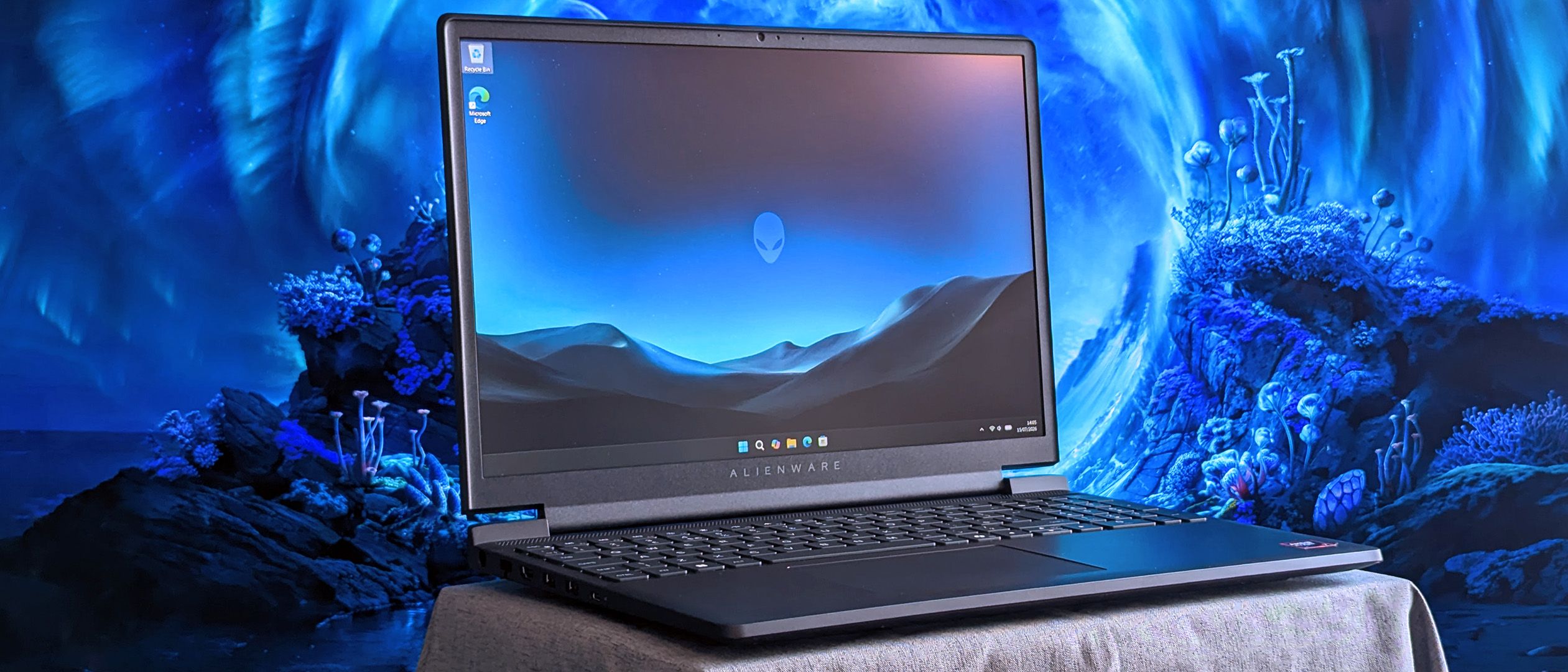
At the other end of the RTX 5070 vs RTX 5050 spectrum, the low-end RTX 5050 laptop looks appealing on paper: modern architecture, DLSS upscaling, and an accessible price tier. Testing shows the RTX 5050 is faster than last-gen RTX 4050, yet it still falls behind RTX 4060 GPUs. The entry Alienware 15 variant, for example, jumps from RTX 4050 to RTX 5050 for a modest price bump from USD 1,399.99 (approx. ₱78,500) to USD 1,459.99 (approx. ₱82,000). On synthetic benchmarks, that increase is real, but the rest of the laptop often fails to keep pace.
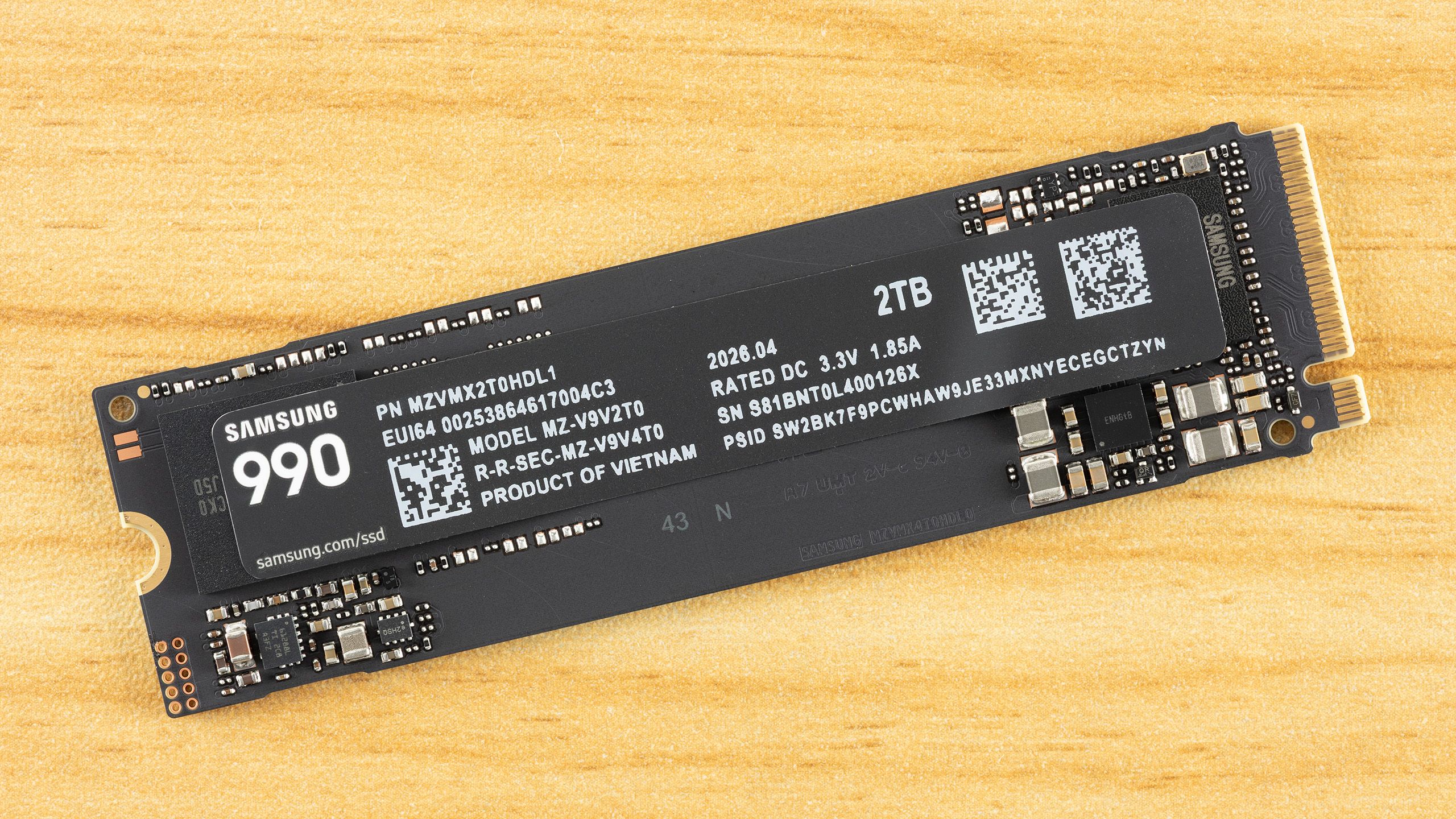
The biggest practical problem is storage. One review unit shipped with a 512GB SSD reporting 477GB usable and only 332GB free at first boot, and after installing four games it ran out of space. Cooling is equally compromised: an elevated underside section holds fans that "work hard," and the system is loud enough that you will need headphones while gaming. According to that testing, "If you were choosing between a gaming laptop with an older GPU, such as an RTX 3060, and the 5050 in this Alienware 15, you'd choose the Alienware"—but that is faint praise. Upscaling cannot fix small SSDs and noisy cooling. As an entry option, RTX 5050 laptops often feel constrained rather than smartly affordable.
Thermals, chassis design, and the real price-to-performance sweet spot
Across this gaming laptop GPU comparison, a pattern is obvious: thermal design and chassis efficiency matter as much as raw GPU specs. Flagship machines dedicate most of their rear sections to cooling with large vents and side exhausts, but still pay with loud fans and short battery life. Mid-tier RTX 5070 laptops can run lower total GPU power while getting strong 1440p and entry 4K results. Entry RTX 5050 rigs lean on upscaling to stretch performance, yet their elevated fan housings and limited SSDs become bottlenecks.
The price-to-performance sweet spot for most players sits between mid-tier and flagship GPUs, not at either extreme. There are cheaper 16-inch configurations of high-end designs with RTX 5070 Ti and RTX 5080 GPUs, and they avoid the eye-watering RTX 5090 price while still delivering high refresh 1600p gaming. Meanwhile, stepping up from older mid-range GPUs to an RTX 5050 can be worth it when the rest of the laptop—storage, cooling, CPU—is solid, but that is often not the case. If your workload is typical modern gaming and productivity, the smart move is to target an RTX 5070-class machine in a well-cooled 16-inch chassis and stop chasing the biggest GPU number.