
The Hidden Cost of Health Metrics
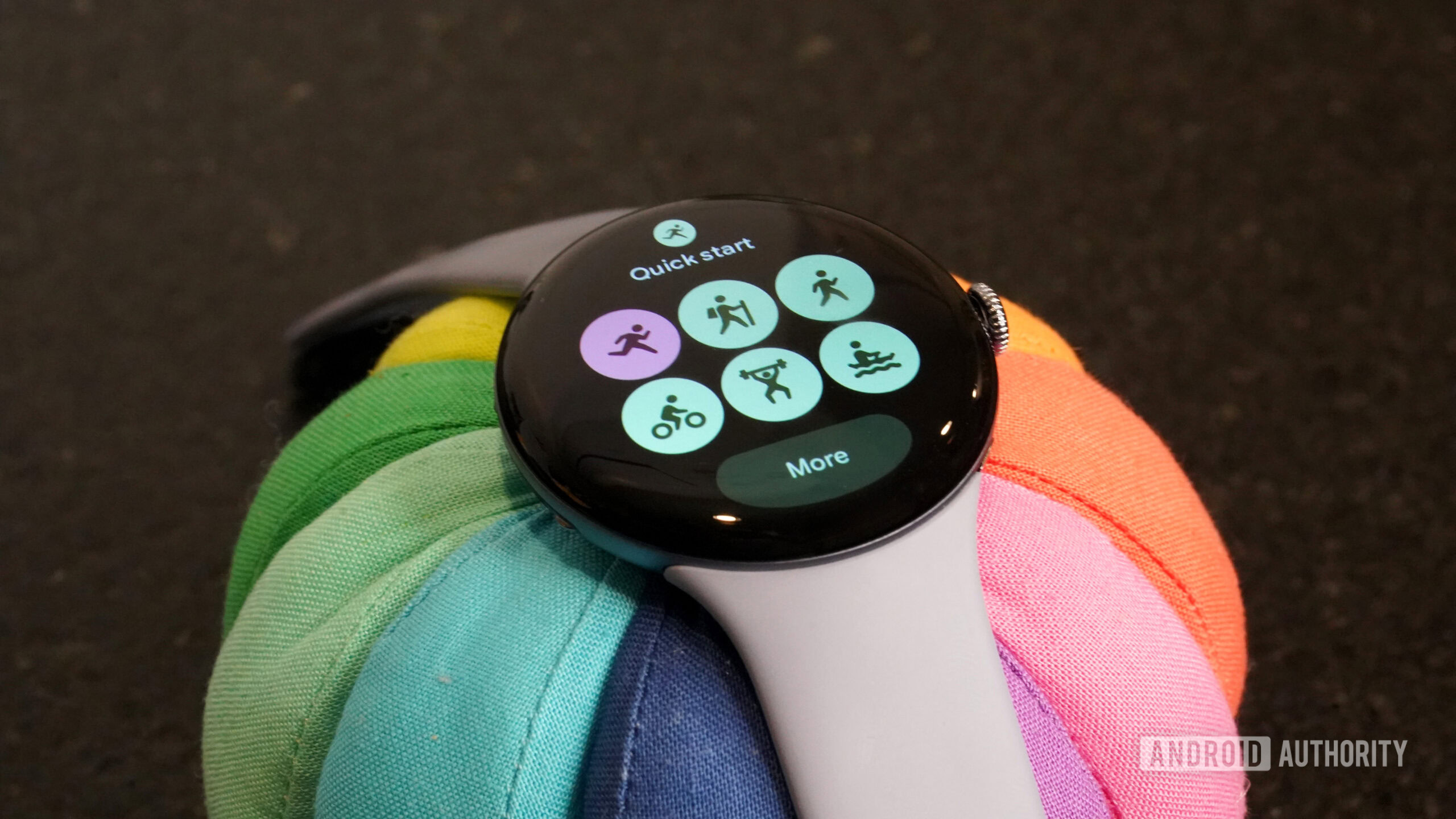
Smartwatch privacy concerns and broader fitness tracker privacy issues arise because wearables collect continuous biometric data—heart rate, sleep patterns, movement and workouts—while giving users little insight into how that information is stored, shared, or accessed by third parties, including governments and law enforcement. This gap between data collection and clear disclosure is turning wellness gadgets into opaque surveillance devices users strap on voluntarily. Surveys suggest that around 40 percent of people own some sort of commercially available wearable health device, yet these tools are marketed as health devices without special health-related privacy protections one would expect for sensitive data. The companies behind them collect an abundance of data and share it with third-parties for marketing or to influence insurance rates, or use it to train artificial intelligence models. That trade-off is rarely spelled out as plainly as it should be.

Transparency Reports: The Industry’s Most Convenient Blind Spot
If wearable data transparency mattered as much to manufacturers as sleep stages or readiness scores, transparency reports would be standard by now. Instead, they are the exception. After reviewing public-facing policies from ten major wearable makers and contacting them directly, researchers found that only two of those companies currently publish transparency reports, even though they dominate recommended consumer health products. This is not a mere paperwork issue; these reports show how often companies hand over user data to governments and whether those requests are official demands or informal inquiries. Most brands do not publicly state any policy on user notification or transparency reporting, and several did not respond to questions about their practices. When health data may be of interest to law enforcement and governments, failing to publish transparency reports signals a willingness to keep users in the dark rather than earn their trust.
Encryption and Health Data Security: One Standout, Many Laggards
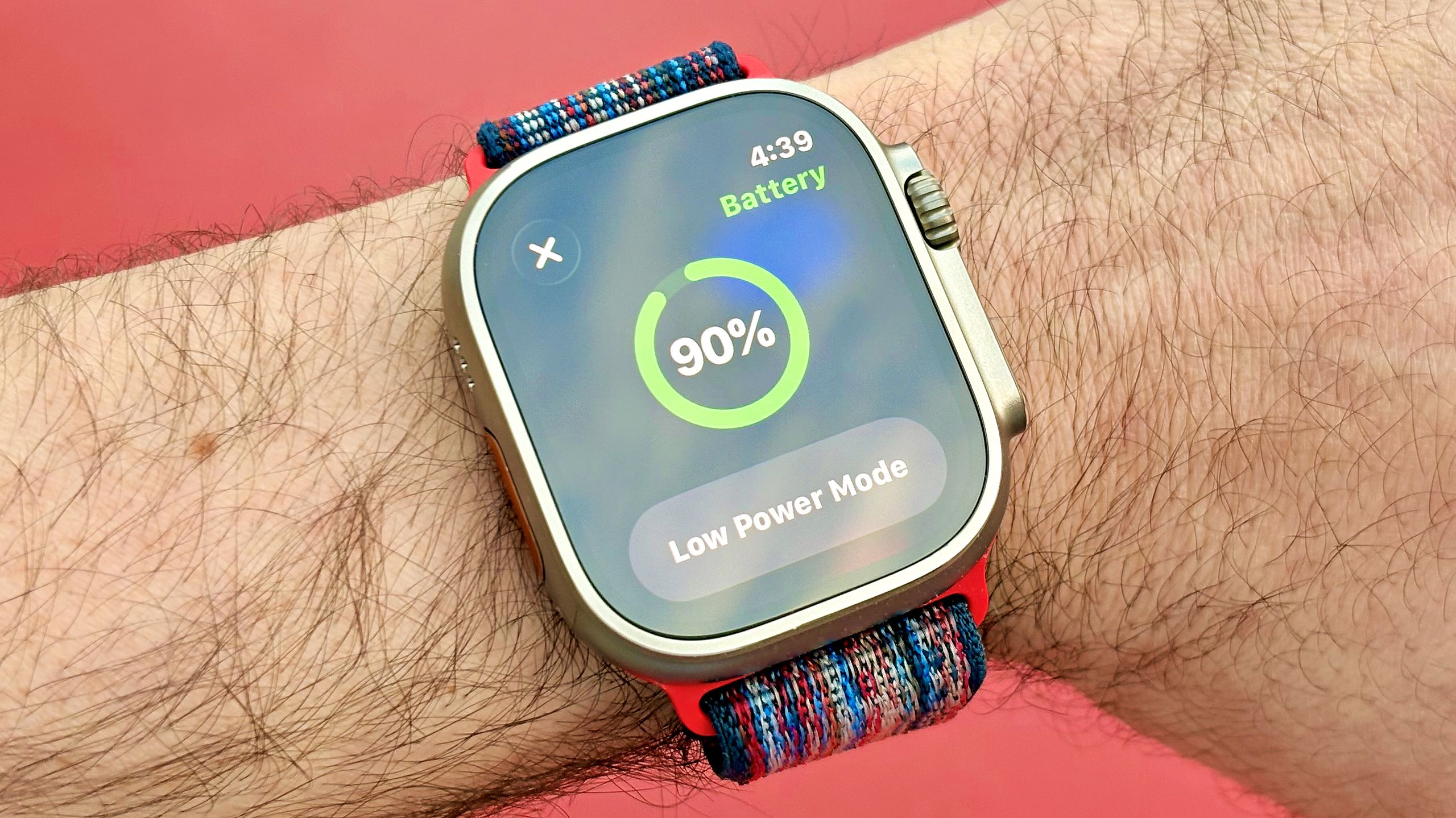
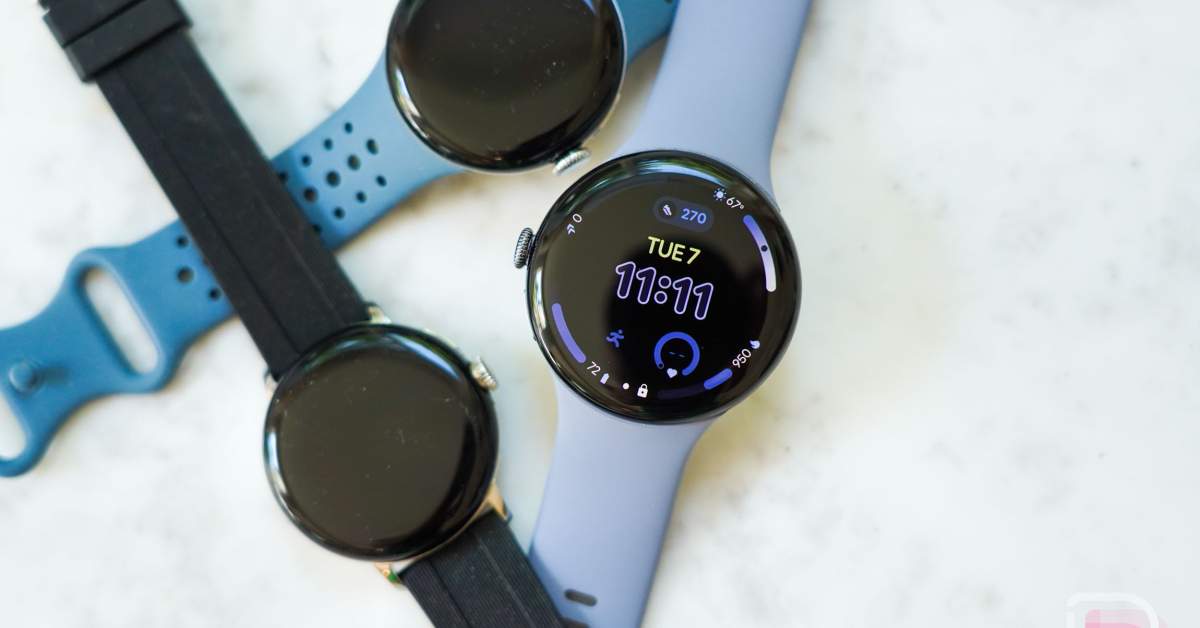
On paper, the industry likes to mention encryption, but the details matter for real health data security. End-to-end encryption ensures personal data is only accessible to the user, not the company that makes the device or runs its cloud storage. Most wearables instead rely on encryption in transit and at rest, which still allows companies to see and use the data. Among popular fitness wearables, the Apple Watch—specifically for data stored in the Health app—is the only device that supports end-to-end encryption by default. No other widely sold consumer health wearable, including those from Google, Garmin, or Oura, offers end-to-end encryption for data it collects and stores online. That means heart rate logs, sleep analysis, and movement history can be accessible to corporate staff, marketing systems, or investigators with a subpoena. For devices that track “everything from anxiety to your fitness ‘age,’” this is a glaring oversight.
Beautiful Devices, Ugly Data Practices
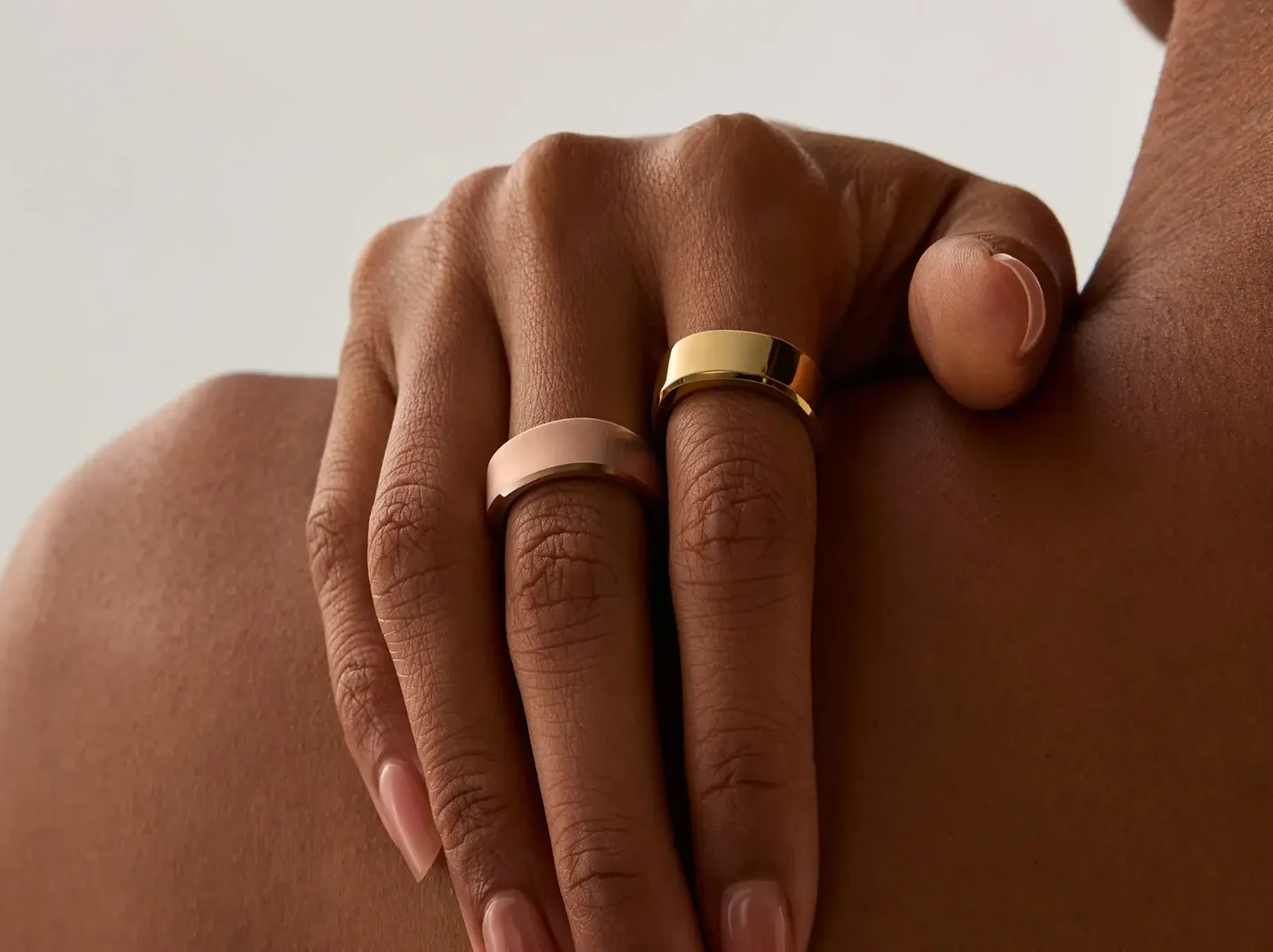
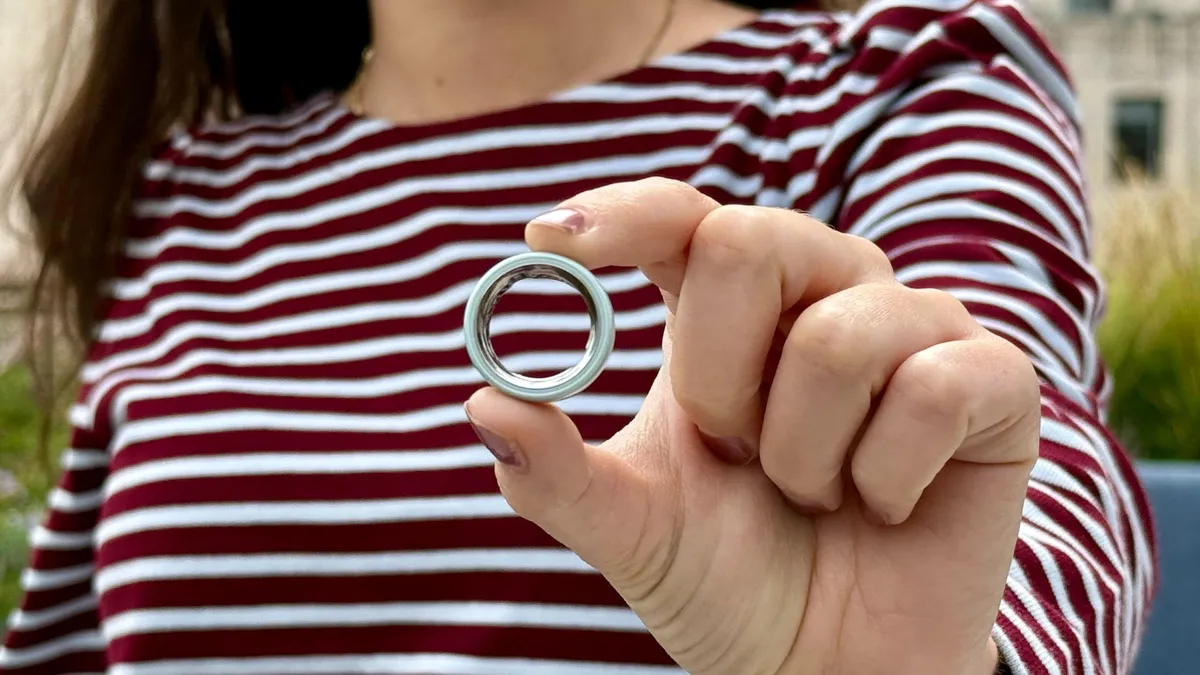
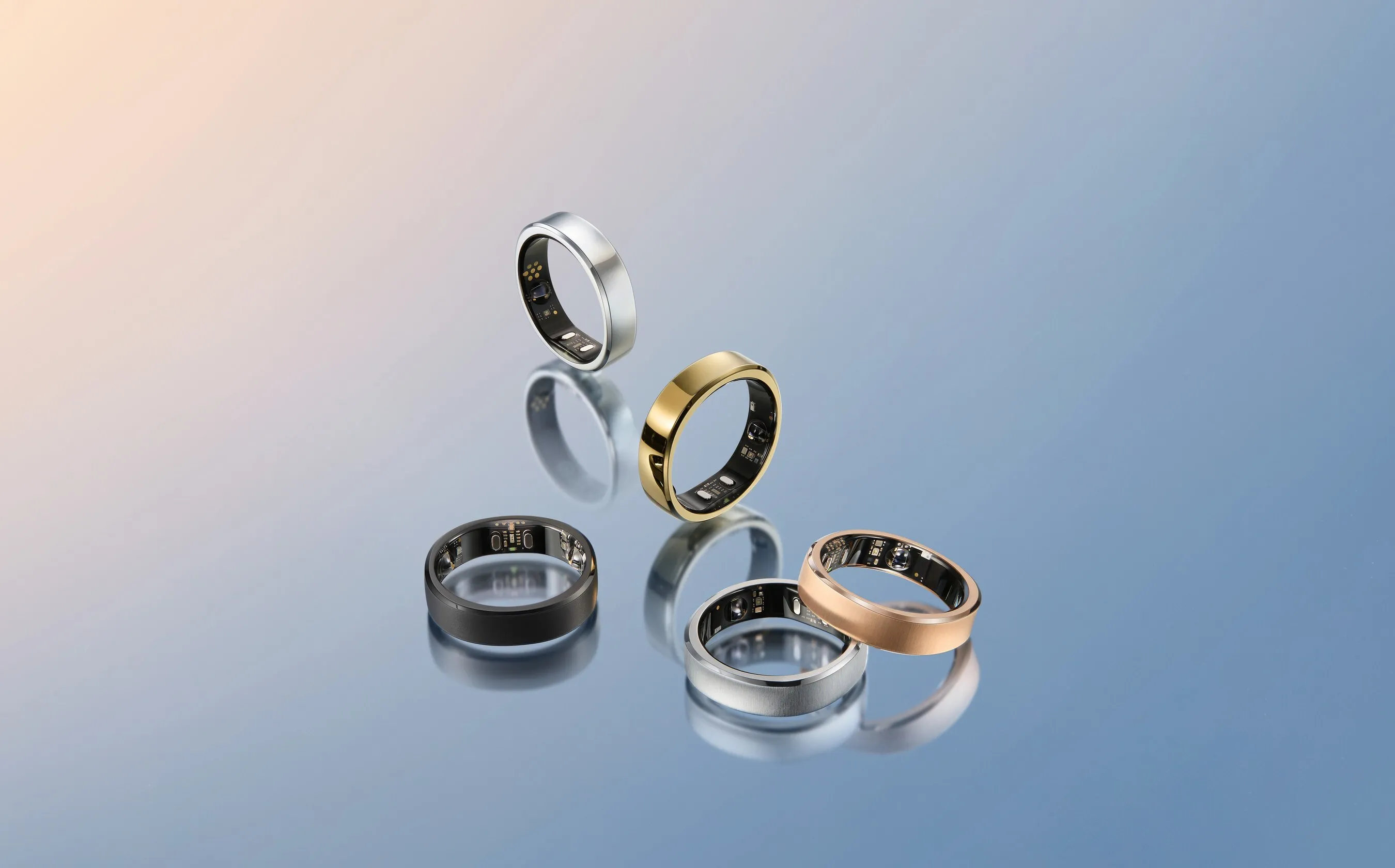
The market boom shows what wearable makers prioritize: aesthetics and features over privacy accountability. American spending on fitness trackers grew 88% year-over-year, largely driven by screenless wearables like health rings and minimalist wristbands, according to market research from Circana. Rings like RingConn and Oura focus on slimmer hardware that blends in with jewelry and hides the fact you’re monitoring blood oxygen or sleep. One reviewer chose the RingConn 3 because it was cheaper—starting at USD 349 (approx. ₱20,000)—than the Oura Ring 5 at USD 399 (approx. ₱23,000), and avoided Oura’s USD 6 (approx. ₱340) monthly subscription fee that gates features behind an ongoing payment. After about ten days, they returned the RingConn 3, describing the unease of giving a tech company their health data “for no reason.” This is the core tension: the hardware feels personal and stylish, but the data flows into corporate systems the user cannot see or control.

Why These Gaps Undermine Trust—and What Must Change
Wearables are now an overlooked source for law enforcement because they reveal movement patterns and heart rate changes that can place someone at a scene or reconstruct their day. There have already been cases where step counts and heart rate data were critical in investigations. Yet users still lack basic visibility into how fitness tracker privacy is handled: they rarely see clear rules on when their data is shared with governments, and most devices do not offer local-only storage or end-to-end encryption. Health data is among the most personal information we generate, but wearables companies remain behind the times on privacy practices and transparency. A few firms, including Oura and Suunto, now say they are evaluating ways to provide greater visibility, possibly through transparency reports. That is a start, not a solution. Until transparency reports are routine and strong encryption is standard, consumers should treat wearable health metrics as a trade-off, not a free upgrade—and demand better before they strap on another sensor.