
A Compact Gaming PC That Finally Feels Like a Console
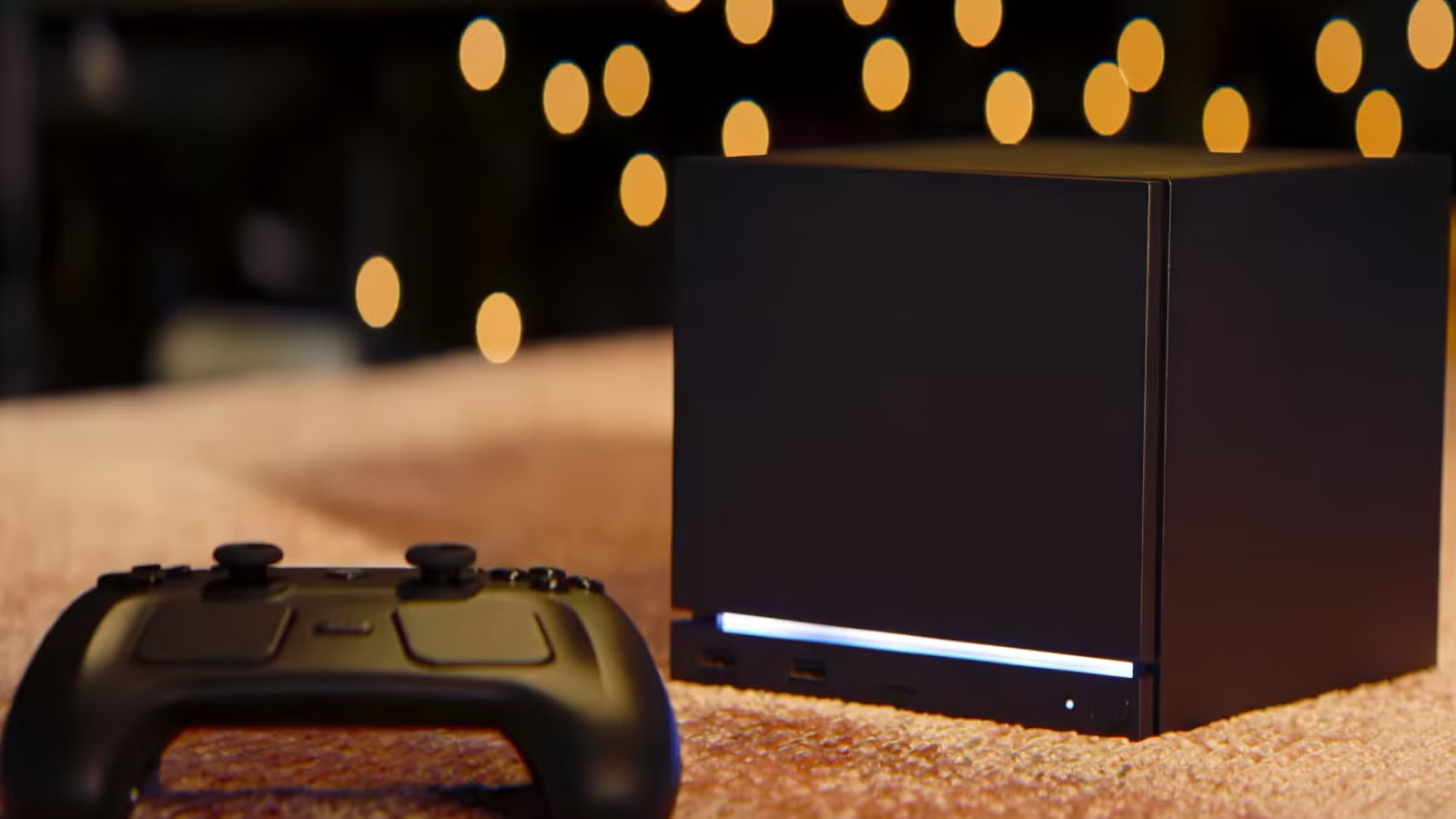
Valve’s Steam Machine is a compact gaming PC designed to bridge the gap between traditional desktop rigs and living room consoles, combining a small footprint, gaming‑focused hardware, and an integrated software stack to deliver silent, high‑frame‑rate play in demanding titles while still retaining the openness and flexibility associated with PC gaming. This is the key shift: the Steam Machine is not a shrunken tower, but a purpose‑built living room gaming PC that behaves like a console without giving up PC freedoms. In doing so, it makes a strong case that the future of high‑end play does not need a sprawling case under a desk. Instead, it argues that space‑efficient, fanless‑feeling systems can sit beside your TV and keep up with heavyweight games. That’s a direct challenge to the idea that only bulky hardware can deliver serious Steam Machine performance.

Steam Machine Performance: High Frame Rates Without the Roar
What sets the Steam Machine apart is that its compact design does not come at the expense of Steam Machine performance. Equipped with an AMD 6‑core Zen 4 CPU running up to 4.8 GHz and a semi‑custom RDNA3 GPU with 28 compute units and 8GB of GDDR6 memory, backed by 16GB of DDR5 RAM and fast SSD storage, this living room gaming PC has the specs to punch above its size. According to one technical analysis, "demanding games such as Resident Evil 4, Dead Island 2, and Dead by Daylight perform smoothly at high settings, maintaining stable frame rates even during graphically intense moments." FSR4 (FidelityFX Super Resolution 4) sharpens textures and clarity while keeping those frame rates intact, proving a compact gaming PC can run modern titles respectably. Crucially, it does all of this with quiet operation, avoiding the jet‑engine noise that has long made high‑end PCs unwelcome in shared spaces.

Designed for the Living Room, Not the Spare Desk
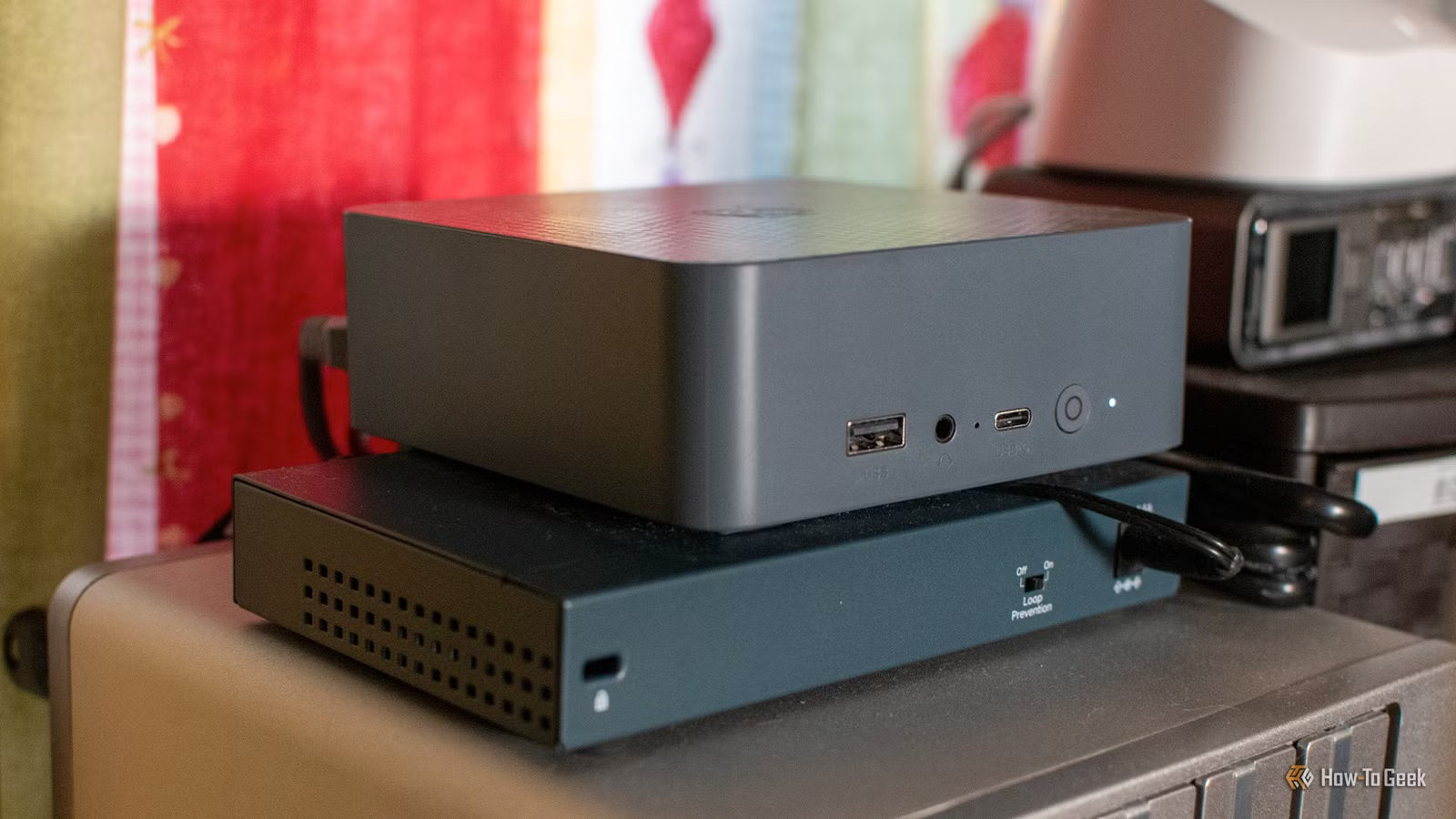
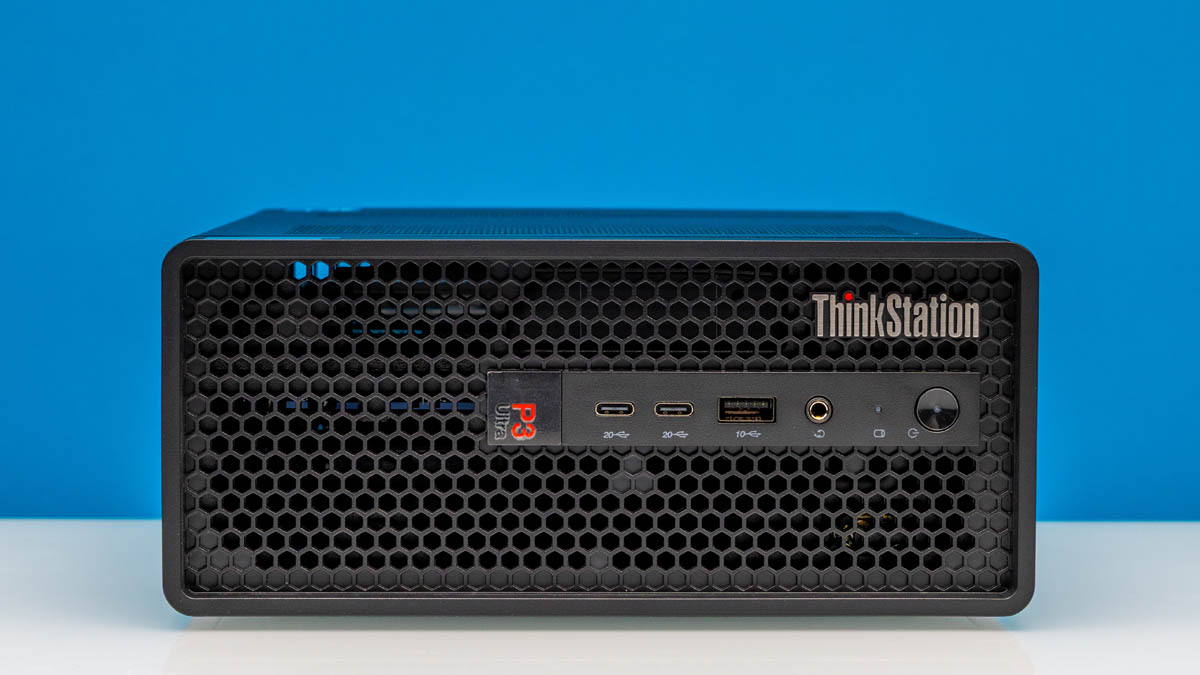
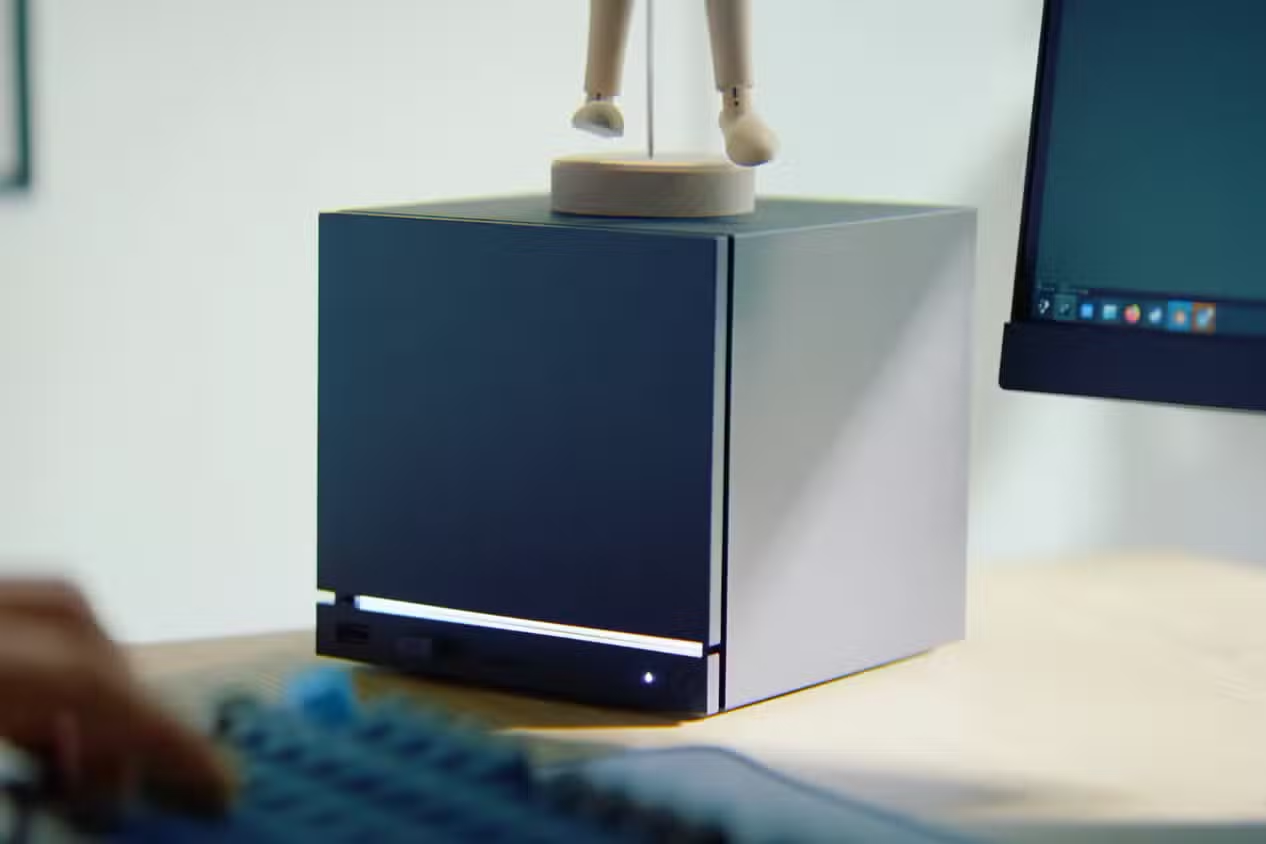
The Steam Machine is built to be a living room gaming PC first and a general computer second. Its compact design lets it disappear into an entertainment center, where consoles have traditionally ruled. HDMI and DisplayPort outputs, Ethernet, front and rear USB‑A, and USB‑C cover most living room setups without an extra hub. More importantly, its quiet operation and small footprint make it acceptable to everyone who has to share the TV. This matters: hardware that draws attention with whirring fans and RGB clutter fights the living room; hardware that blends in wins it. By delivering console‑like performance while sounding more like a fanless gaming system in practice, the Steam Machine breaks the old assumption that PC gaming belongs at a desk. Instead, it nudges gamers to think of their Steam library the way they think of console catalogs—available from the couch, on a device that doesn’t dominate the furniture or the soundscape.
Vertical Integration and the Quiet Challenge to the Mac Mini
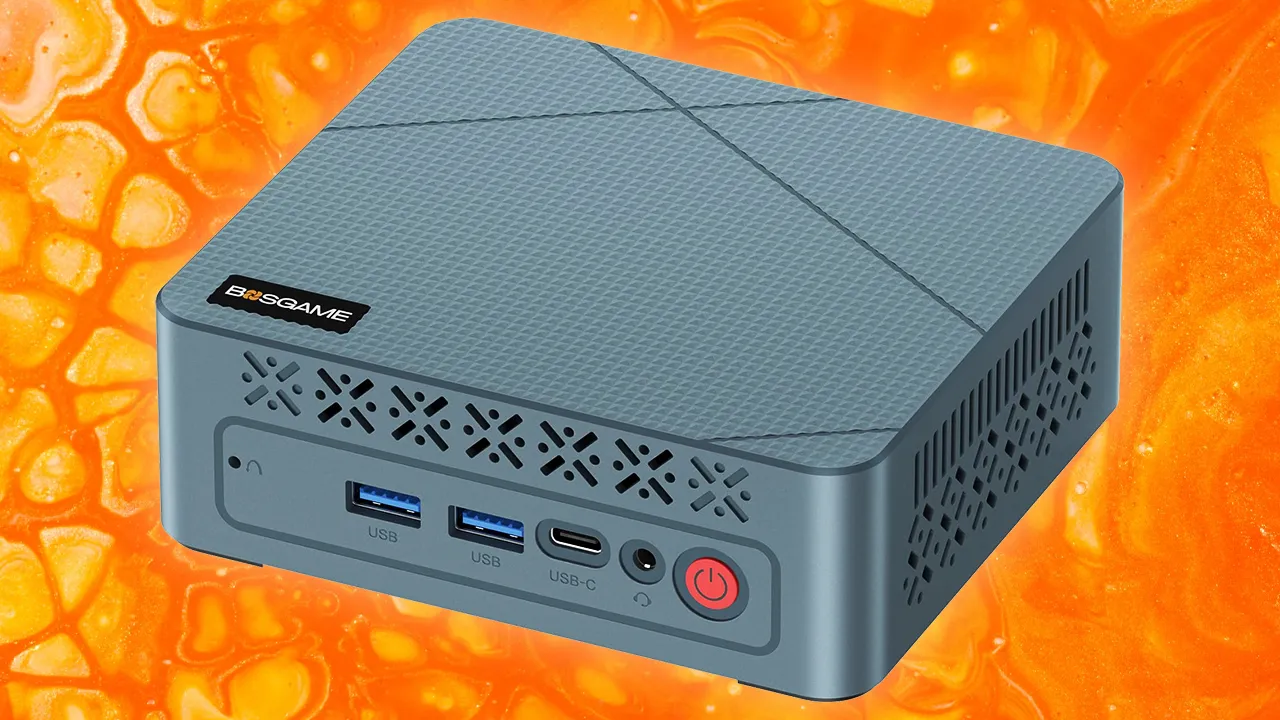
No one is comparing a Mac mini shopping cart directly to a Steam Machine; they serve different goals. Yet it is fair to say Valve is taking a page from Apple’s book. Valve controls the hardware design, works with AMD on semi‑custom silicon, and builds SteamOS, Proton, Gamescope, and the controller‑first Steam interface to match that exact configuration. That vertical integration pays off in faster responsiveness, shorter load times, and smoother suspend‑and‑resume behavior than many generic Windows mini PCs, which ship as boxes of assembled parts with little cohesion. For users, the setup process is streamlined and the interface is tuned for a couch, not a keyboard. Add free online play and frequent game discounts in Valve’s ecosystem, and this compact gaming PC begins to eat into the space the Mac mini once owned in small‑form computing: the role of the tiny box that feels thoughtfully designed rather than thrown together.

Why the Steam Machine Signals a Space‑Efficient Gaming Future
The Steam Machine arrives at a time when the gaming hardware market is under pressure from rising component costs and memory shortages, which help explain its higher price compared with mainstream consoles. Yet even in this climate, Valve has chosen to invest in a compact form factor, quiet acoustics, and integrated software rather than chasing the biggest spec sheet for a tower. In an ocean of Windows mini PCs, this living room gaming PC stands apart because every major piece of the design is there to serve a cohesive, console‑like experience. Its compact design, silent operation, and ease of setup show that space‑efficient gaming solutions do not have to compromise performance or usability. For gamers who care about long‑term savings, free online play, and an open source design that welcomes community innovation, the Steam Machine performance story is less about raw teraflops and more about how respectful it is of their space and time. The conclusion is clear: powerful gaming no longer requires a sprawling, noisy PC; it can live quietly beside the TV.