
The New Face of Budget Analog Photography
Half-frame film cameras are compact analog cameras that expose half of a standard 35mm frame per shot, effectively doubling the number of images captured on each roll while keeping shooting simple, affordable, and fun for casual photographers who want a tangible alternative to digital without worrying about complex manual settings or premium gear costs. Half-frame and simple-use models are not a niche curiosity anymore; they are becoming the entry point for people who have been watching the film revival from the sidelines. The key takeaway is clear: affordable film cameras are finally designed for everyday carry and low-pressure play, not for gear obsessives. That shift matters, because the cost and complexity barriers that once kept curious shooters away are shrinking fast, replaced by cameras that invite experimentation instead of perfection.
Lomography Simple Use Half Frame: Twice the Shots, Half the Intimidation
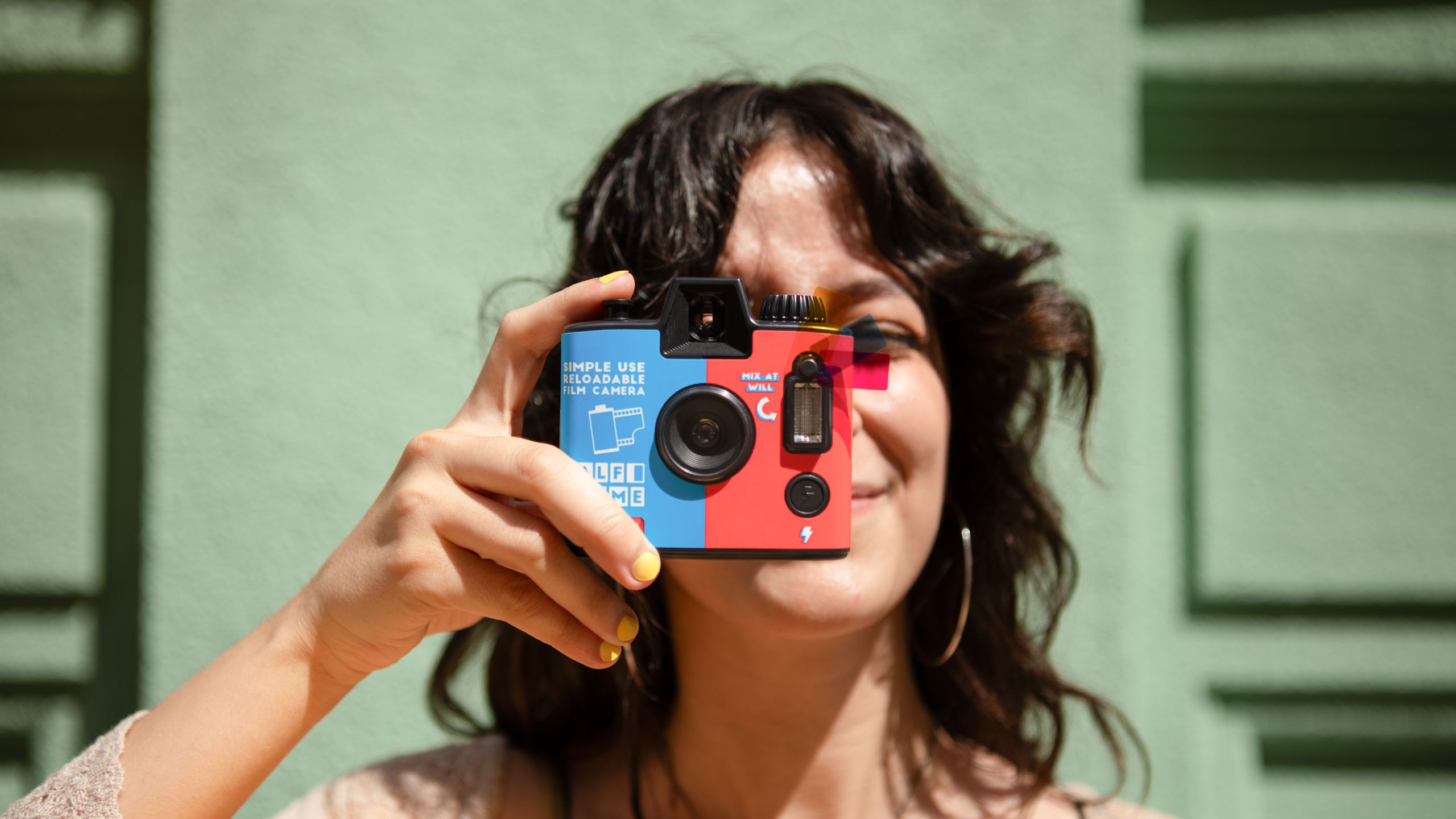
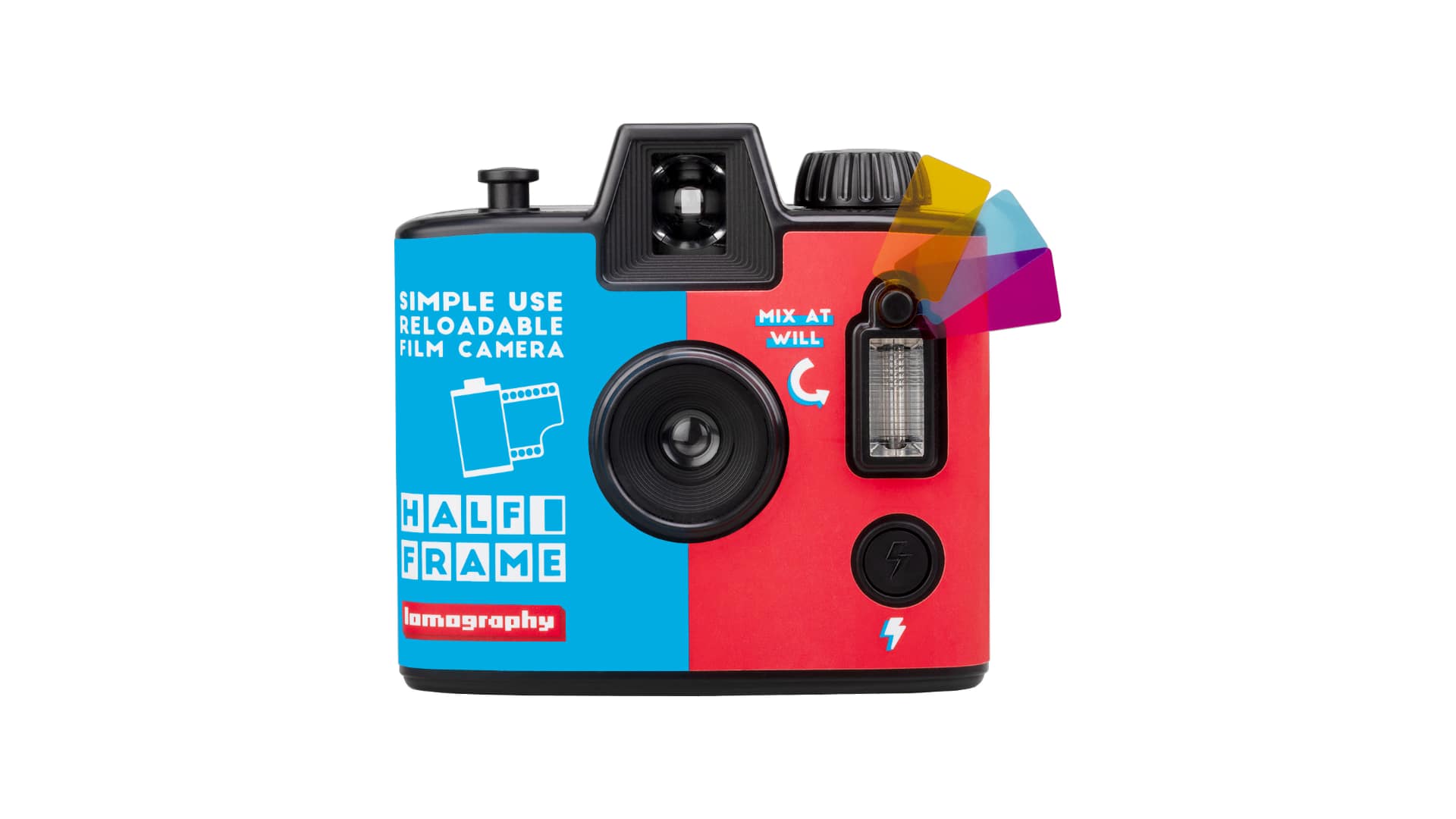
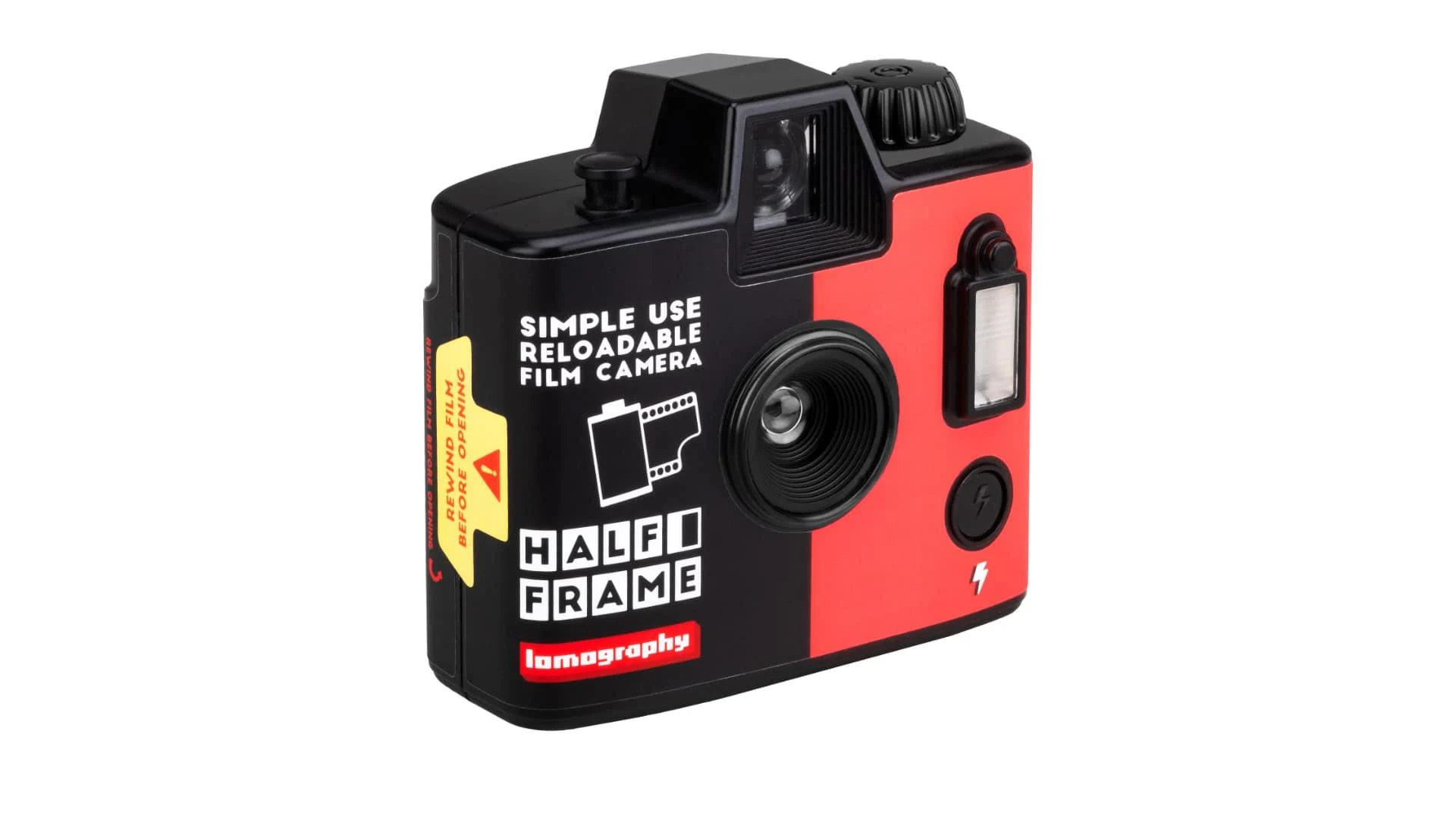
Lomography’s Simple Use Half Frame Reloadable Film Camera is the clearest sign that film makers are done gatekeeping analog photography. For USD 29.90 (approx. ₱1,700) for the black-and-white version and USD 34.90 (approx. ₱2,000) for the color edition, you get a half-frame camera that turns a 36-exposure roll into around 72 photos. That is budget analog photography in practice, not theory: twice the images per roll, less cost per shot, and no complicated dials to decipher. The camera arrives preloaded with either LomoChrome Classicolor color negative film or Lady Grey black-and-white, plus battery and built-in flash, so it is ready to shoot out of the box. Fixed-focus, a 21mm f/9 lens, and a single 1/120s shutter speed keep decisions minimal and fun maximal. As the brand’s own slogan puts it, "Simple use, not single use," which flips the disposable-camera nostalgia into a reloadable, more sustainable habit.

Why Half-Frame Makes Sense for Casual Shooters
Half-frame is not new; it was born in the 1960s as a cost-saving format, and that original logic is perfectly aligned with today’s film revival. By exposing a roughly 17×24mm frame instead of the standard 35mm size, half-frame cameras give you more images per roll and more room to make mistakes without feeling wasteful. That is exactly what many casual photographers crave: a low-pressure way to shoot where each click does not feel like burning money. The fun twist is creative, too. Those smaller frames can stand alone as vertical shots tailor-made for social media, or pair up as diptychs—two images next to each other that tell a micro-story. Sure, the plastic lens and fixed settings mean this camera will not deliver "stunning" optical perfection. But chasing clinical sharpness is missing the point. The charm is in grain, misalignments, and serendipitous double frames that feel more like visual journaling than content creation.
Kodak EC35: Compact Film Camera for Everyday Carry
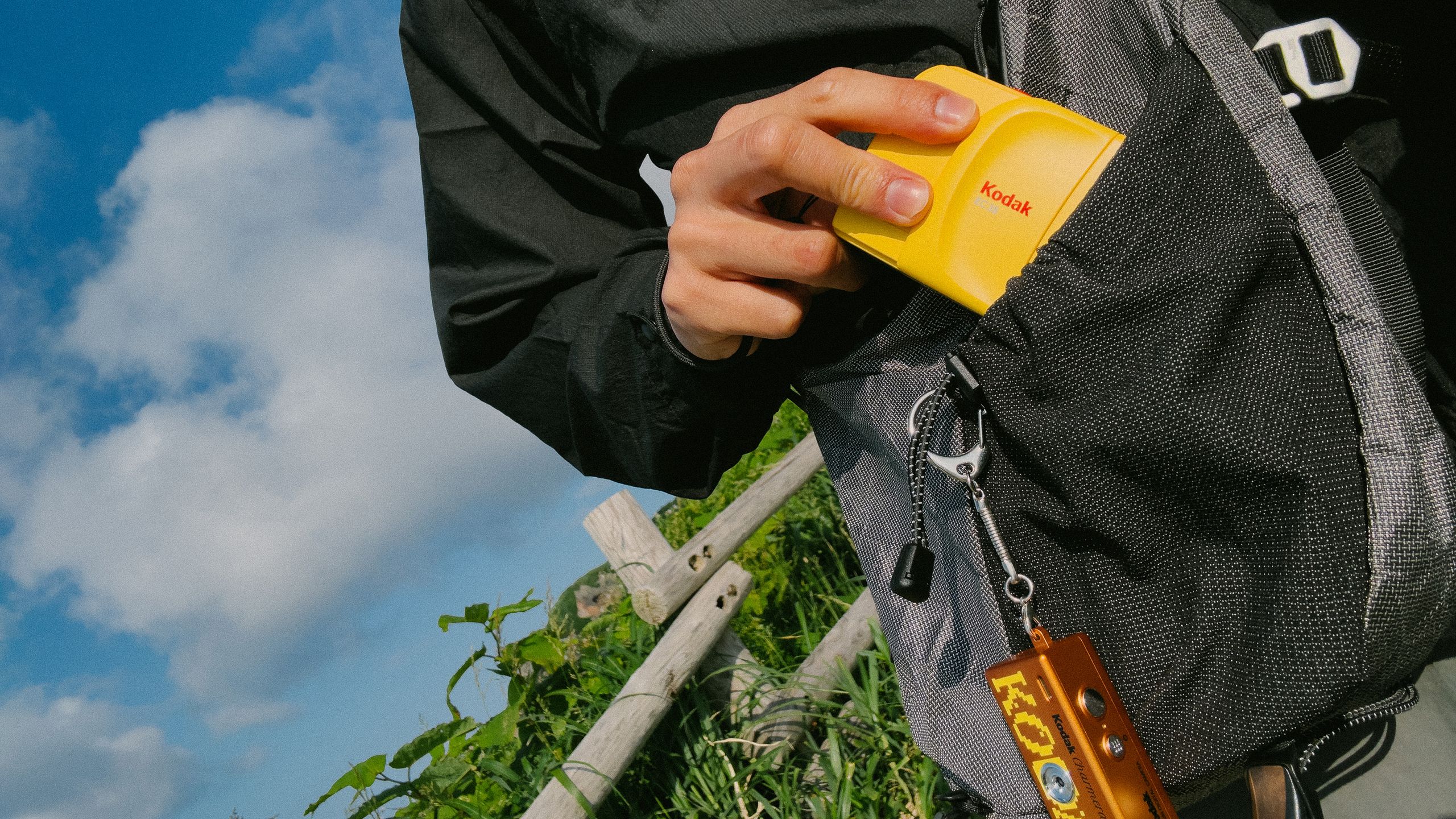
If the Lomography Simple Use Half Frame appeals to the maximalist who wants 72 shots per roll, the Kodak EC35 speaks to the minimalist who wants a compact film camera that feels like an old-school point-and-shoot without the fuss. Priced at about USD 35 (approx. ₱2,000) for the camera body, or USD 45 (approx. ₱2,600) with film and strap, it keeps full-frame 35mm but leans hard into simplicity. A sliding front cover protects the lens—evoking classic pocket cameras—and opening it powers the camera up into auto-exposure, auto-flash mode with fixed focus. At 102 g and under 42 mm thick, it is meant to disappear into your bag or jacket. The 25mm f/10 acrylic lens will not compete with glass optics and is closer in character to a reusable disposable camera. That is a limitation only if you expect precision; for everyday snapshots, it is part of the aesthetic. Built for beginners, it keeps manual film winding as a tactile reminder that you are shooting something physical, not tapping a screen.
From Film Revival to Sustainable, Low-Pressure Shooting
The bigger story behind these cameras is how the film revival is maturing. We are past the phase where analog was a niche flex; now it is a mainstream alternative for people tired of hyper-optimized digital workflows. Many have been hesitant to touch film because it looks complicated and unforgiving, especially when all the online talk revolves around exposure triangles and rare lenses. Lomography’s Simple Use range proves that you can strip away the intimidation and keep the joy: instructions printed on the body, fixed settings, reloadable design, and a built-in flash that is easily understood. The Kodak EC35 follows the same logic from another direction, using a familiar compact form and simple auto modes to invite beginners in. Both embrace reusability instead of true disposability, which makes analog shooting not only cheaper over time but also less wasteful. The result is a growing community of casual shooters who treat film as a relaxed, tactile medium—something you carry daily, shoot imperfectly, and enjoy slowly once the scans arrive.